

Plant: Forest Pansy - Redbud Tree
Redbud Tree · Cercis canadensis 'Forest Pansy'
Size: 5 gal
Light
Bloom
Mature size
More about this plant
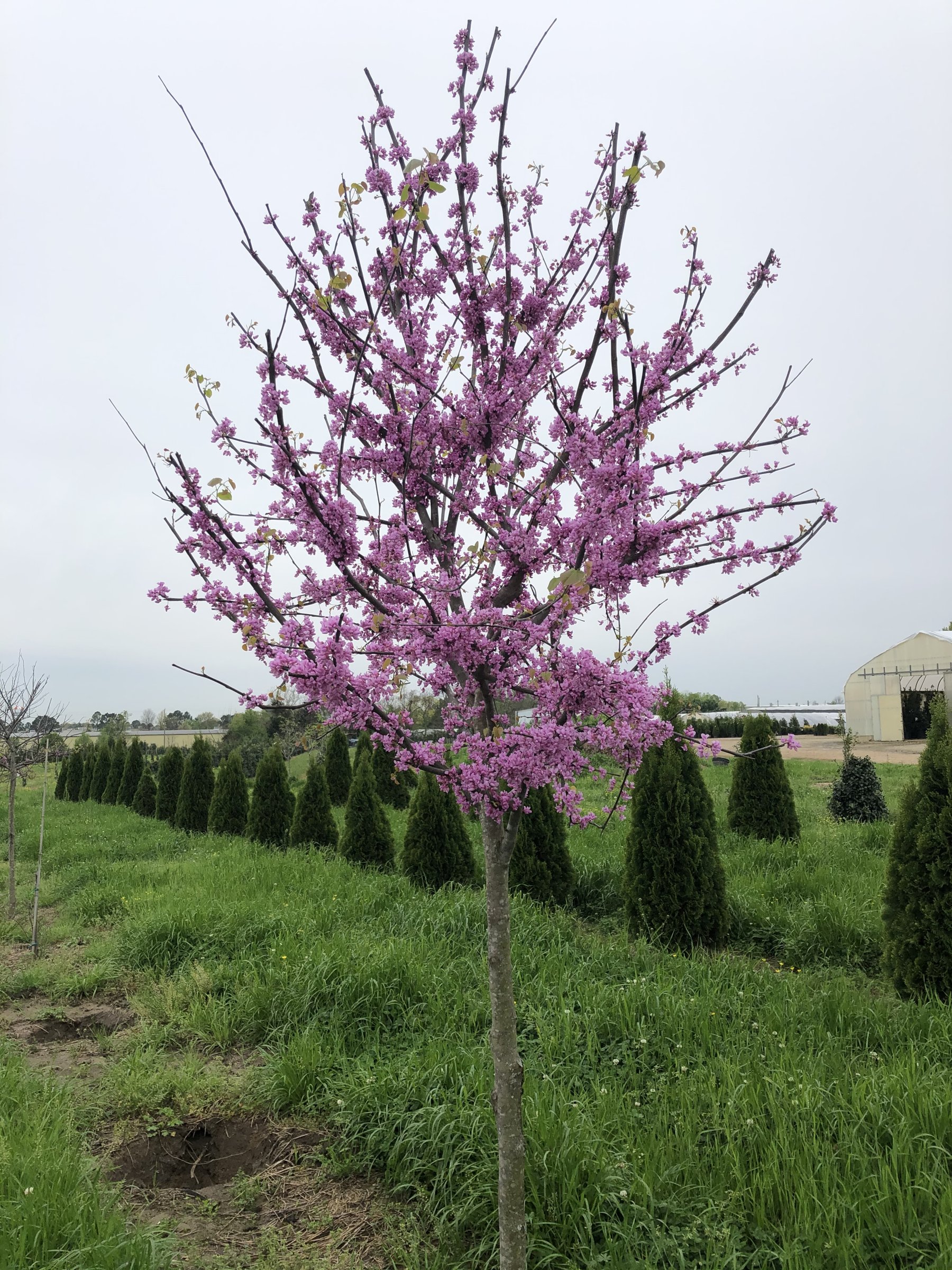
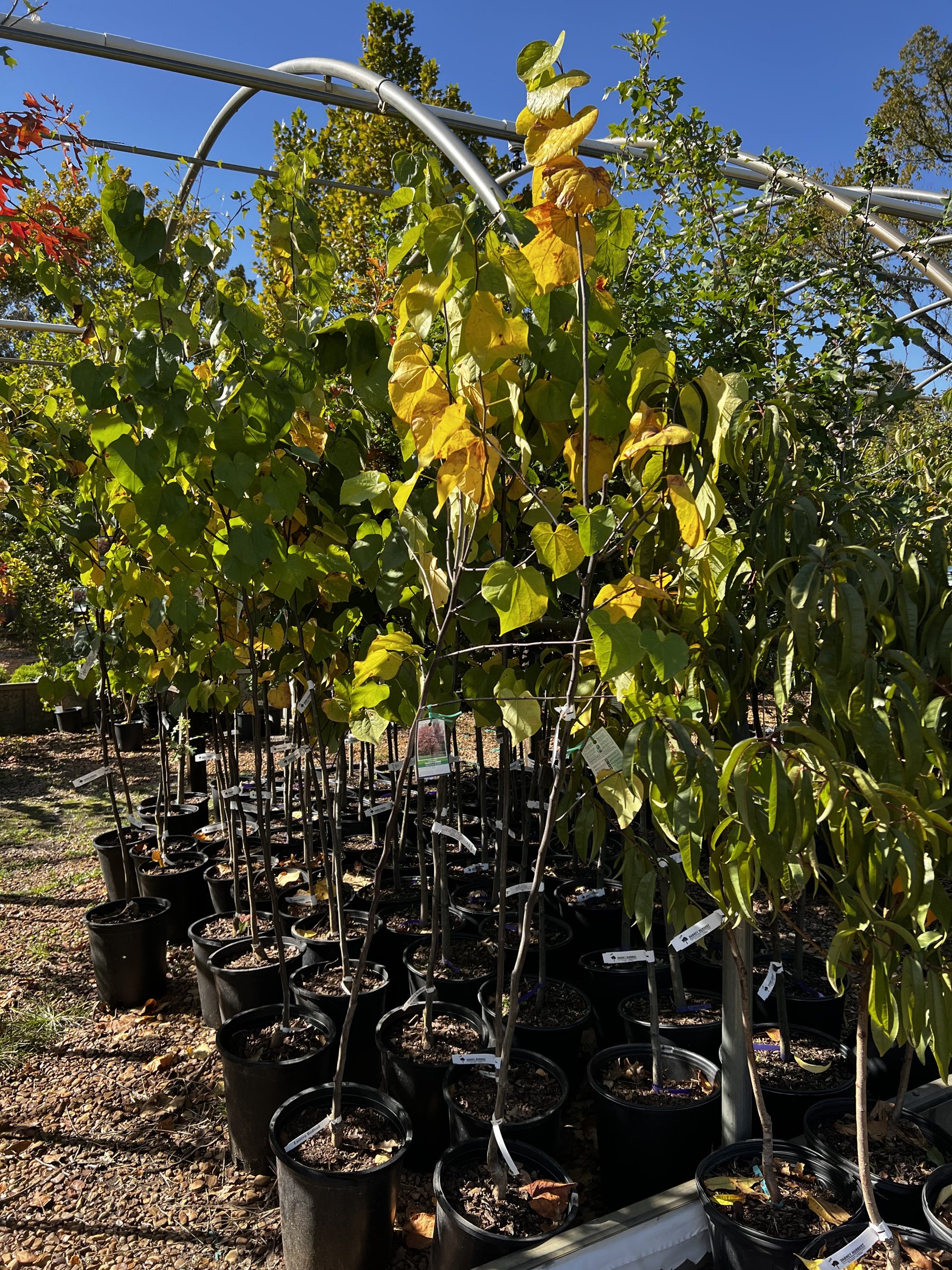
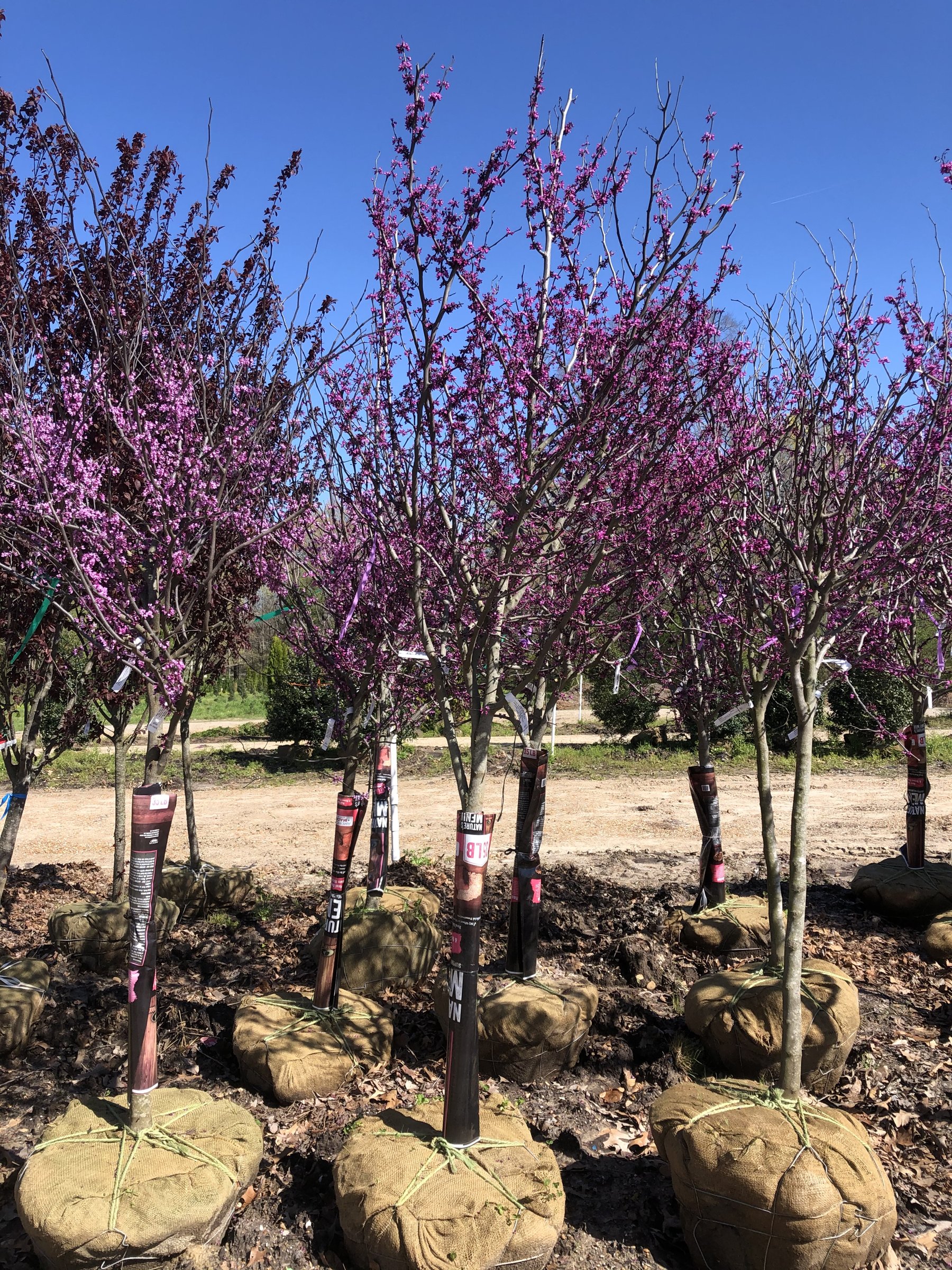
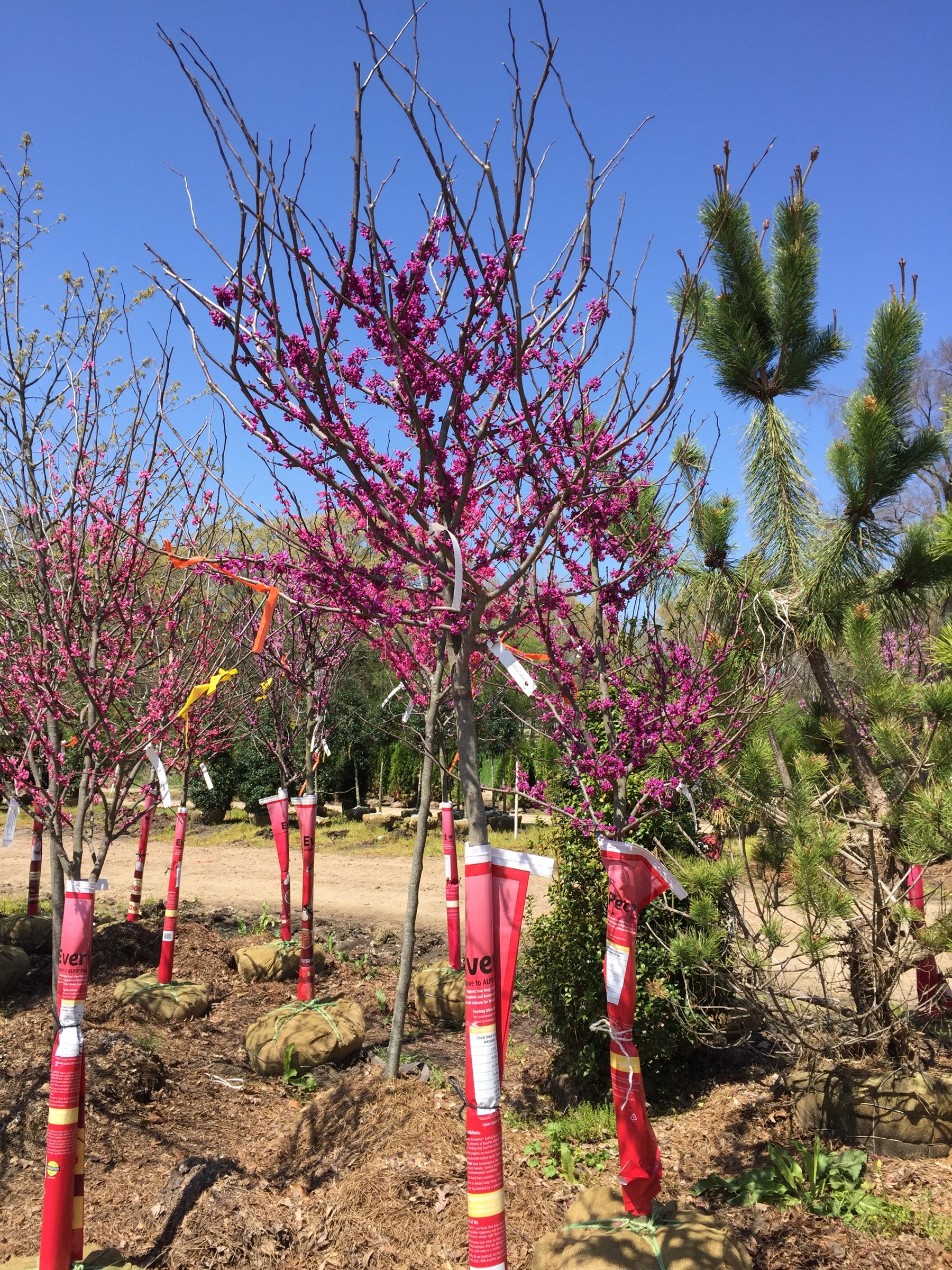
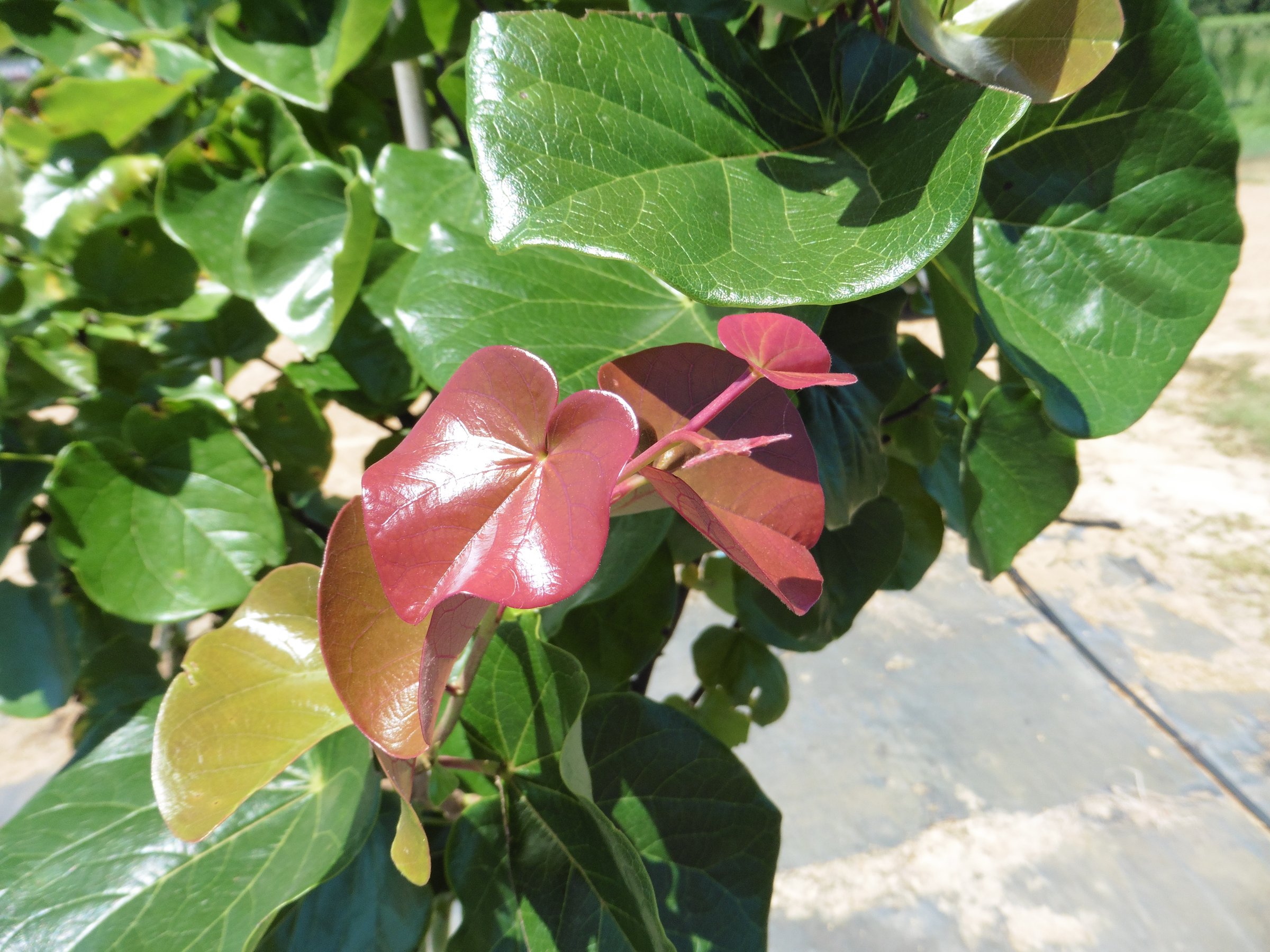
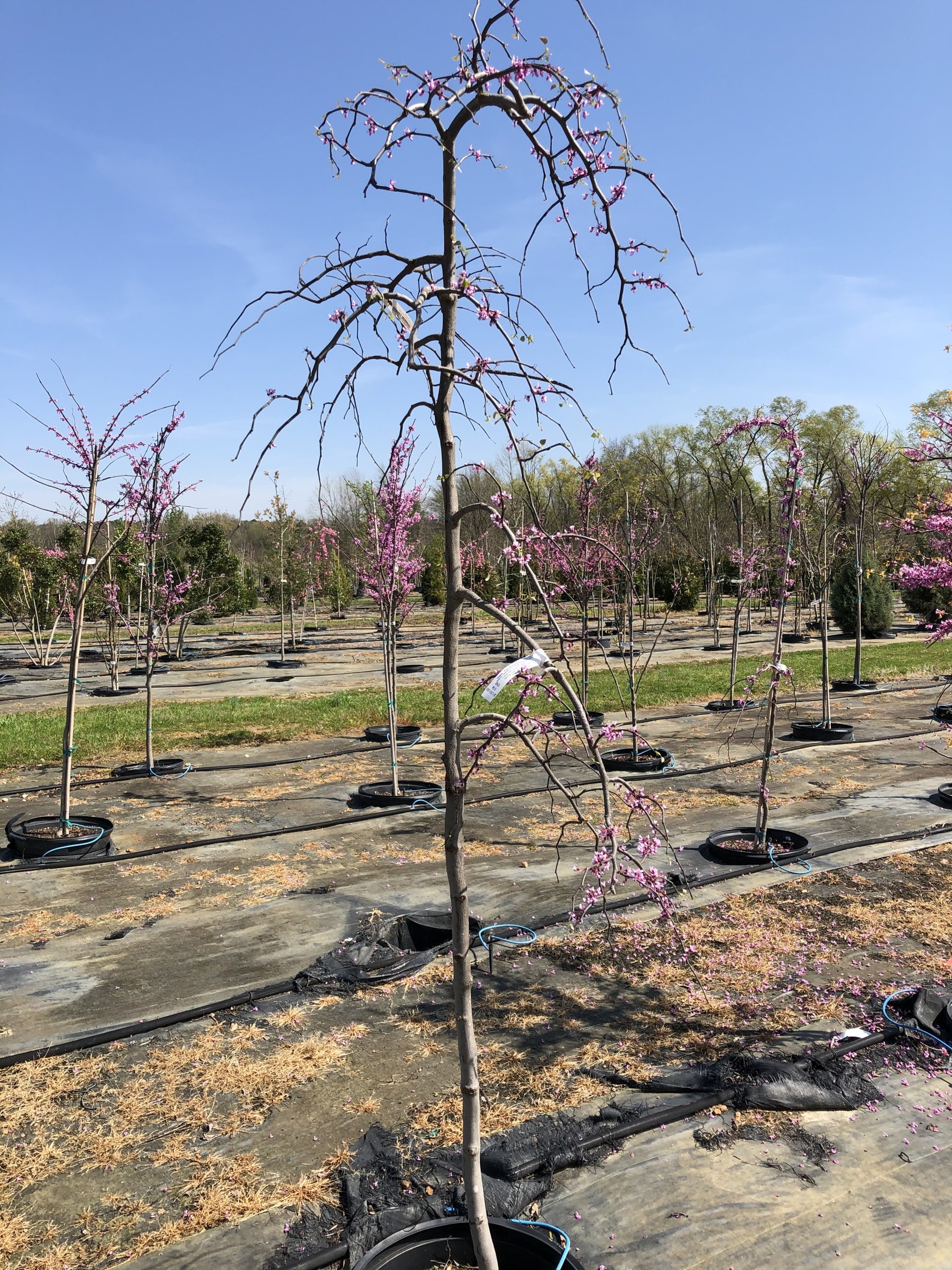
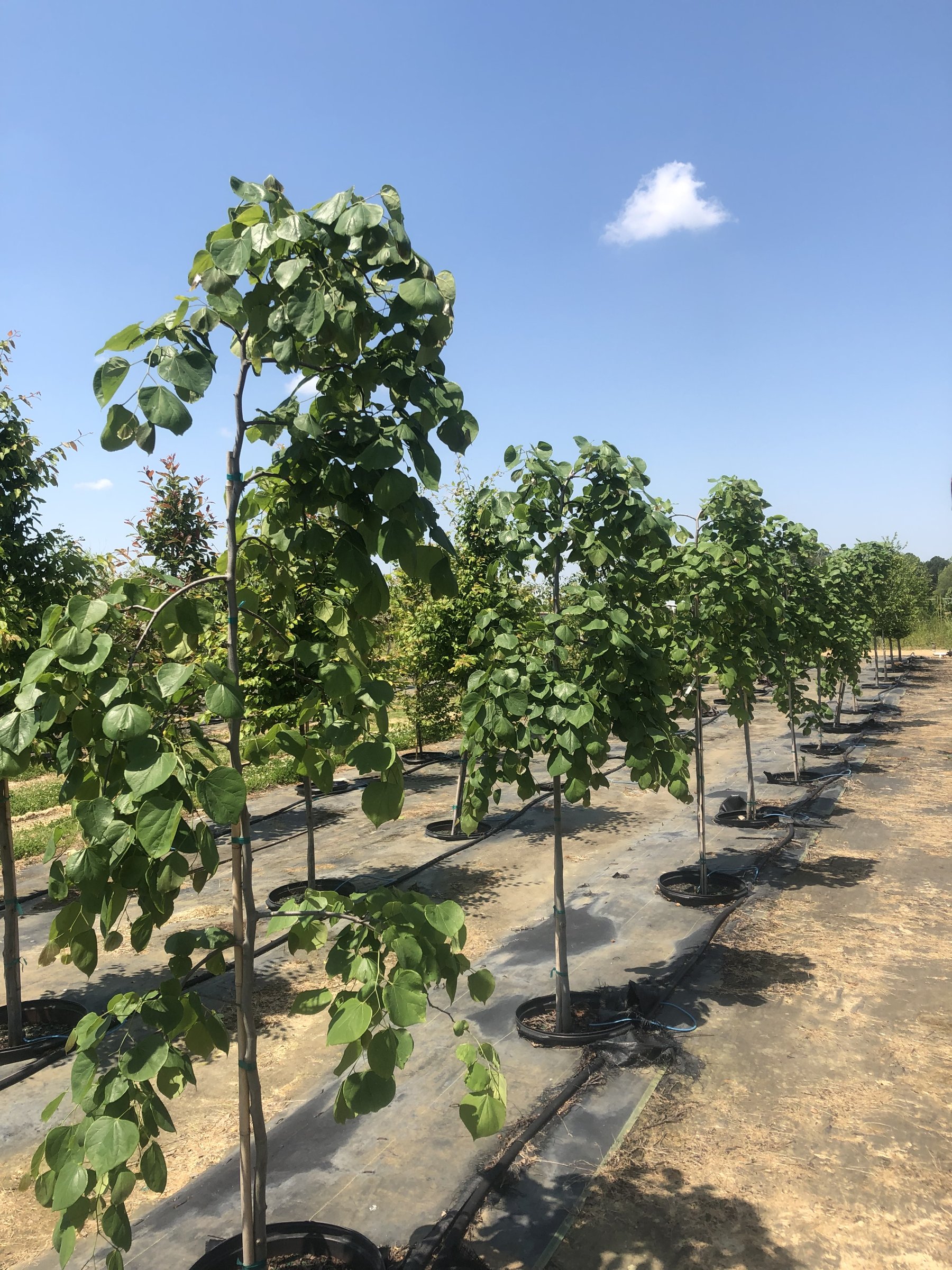
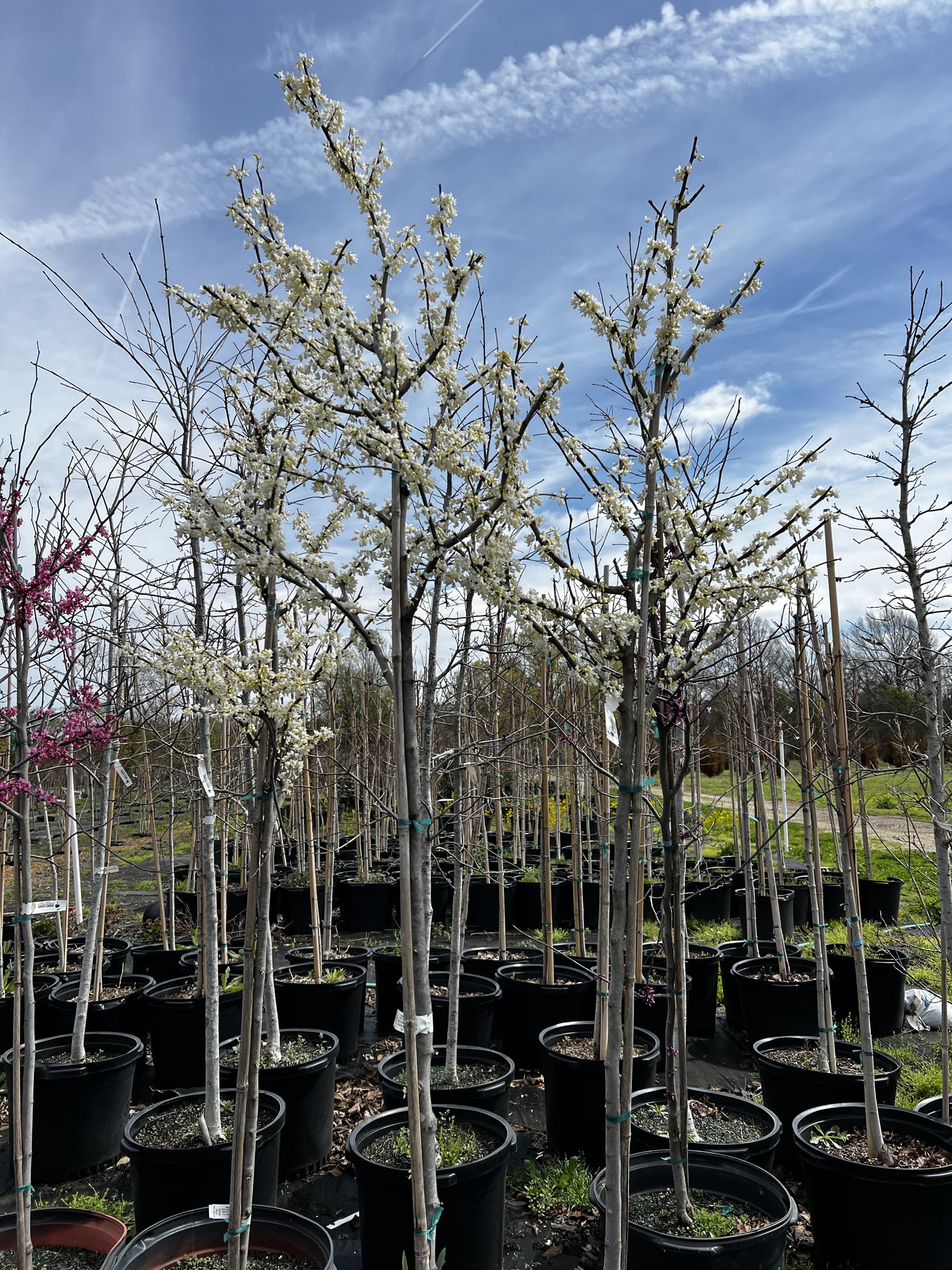
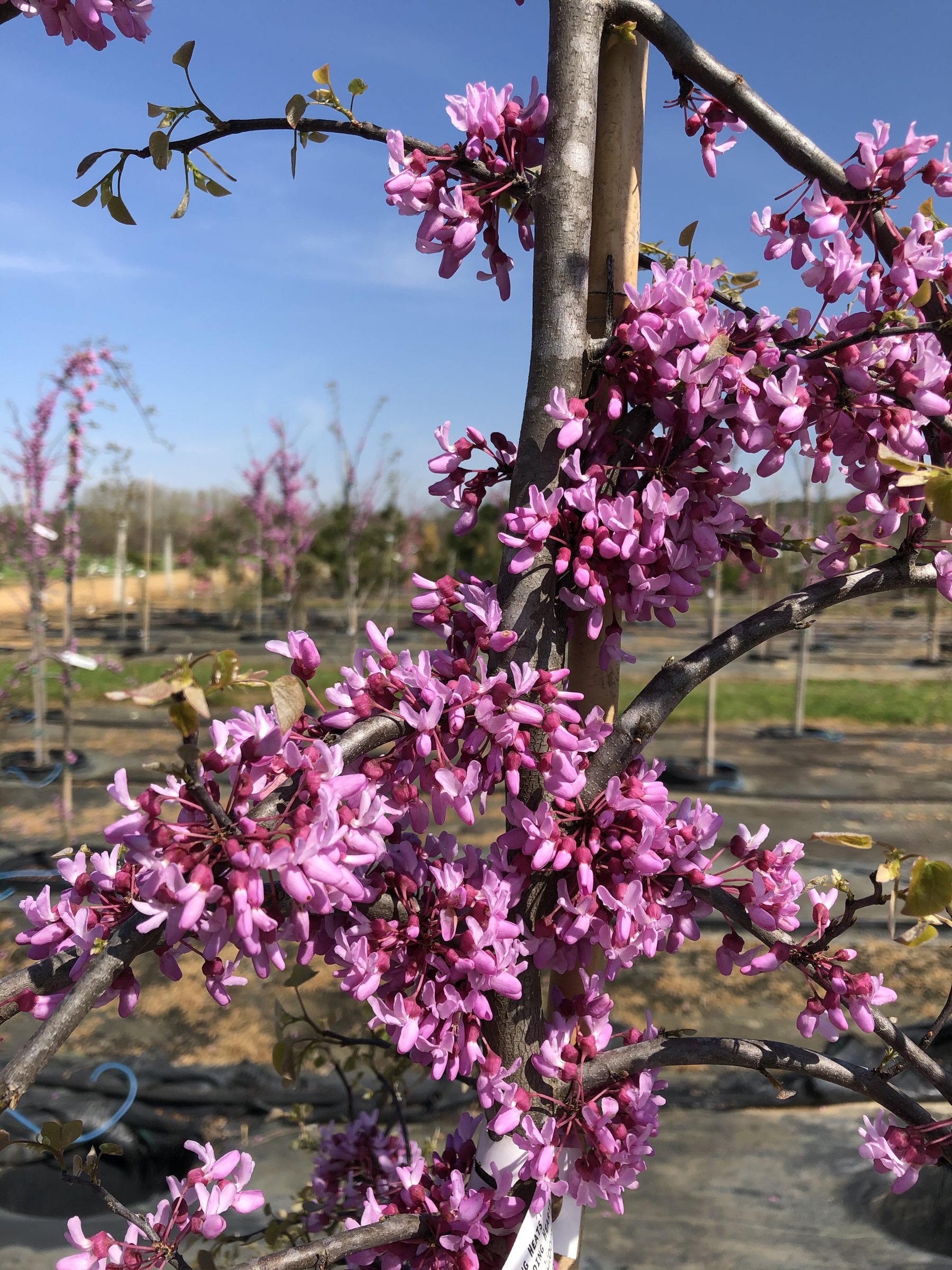
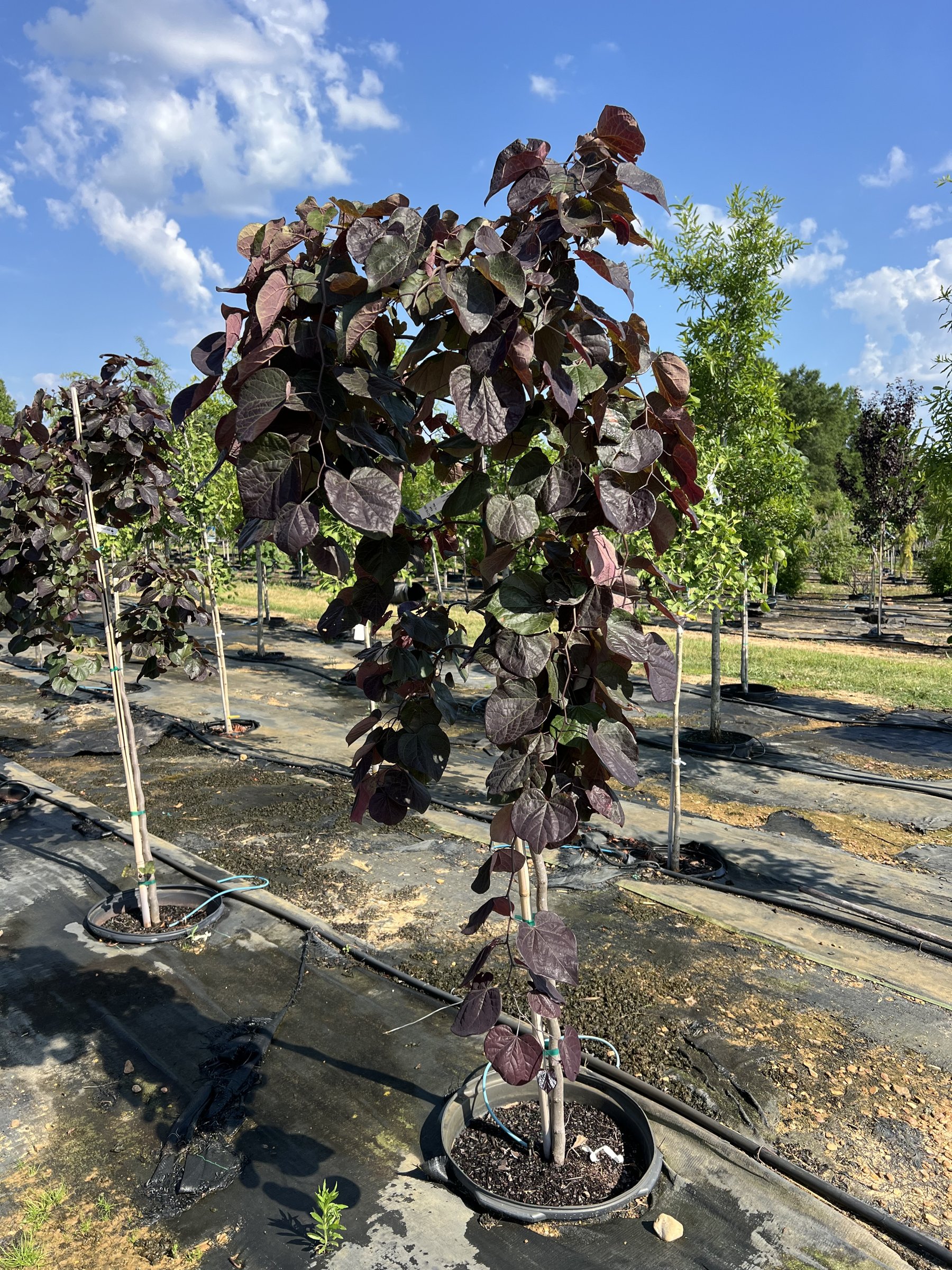
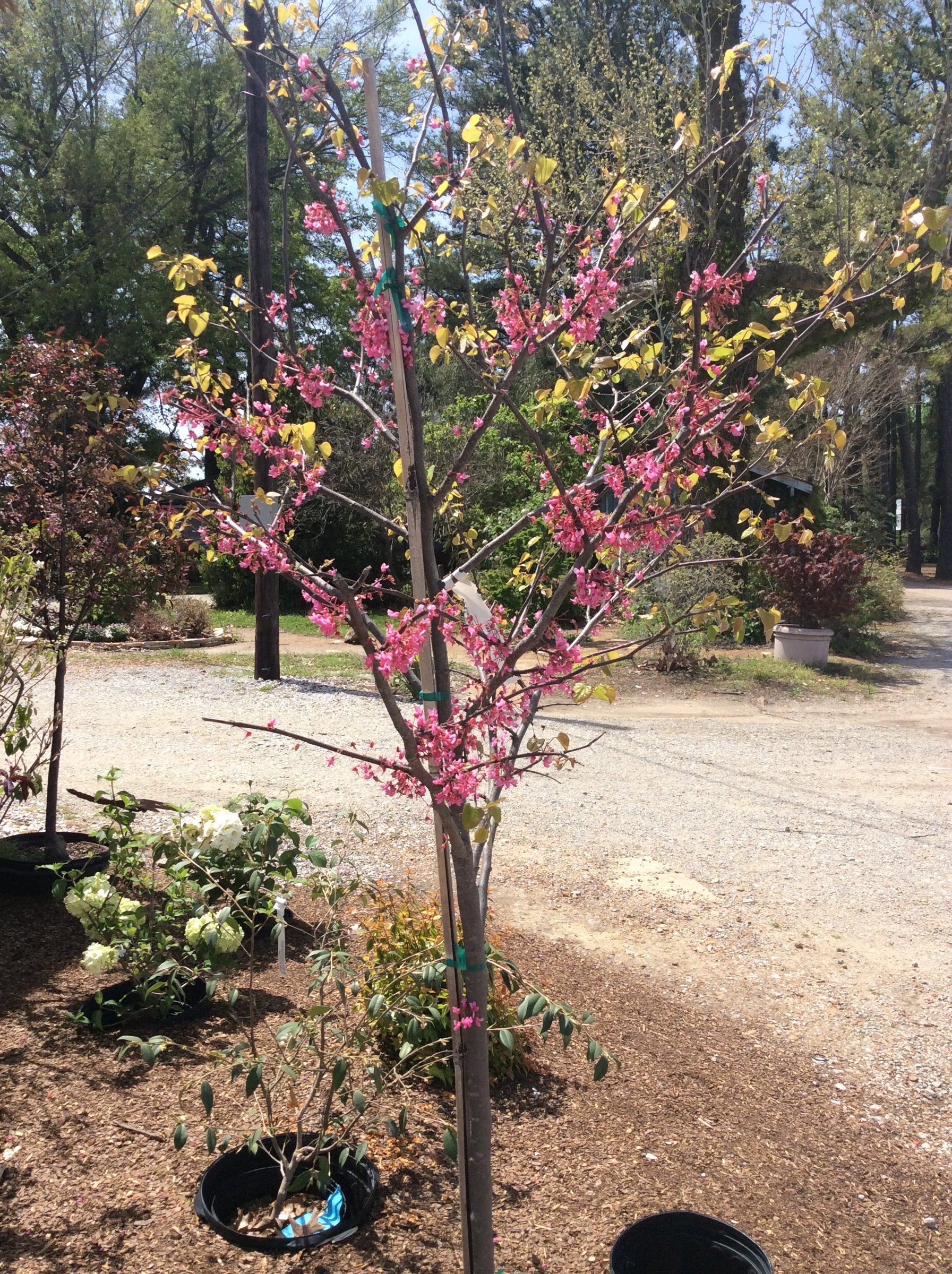
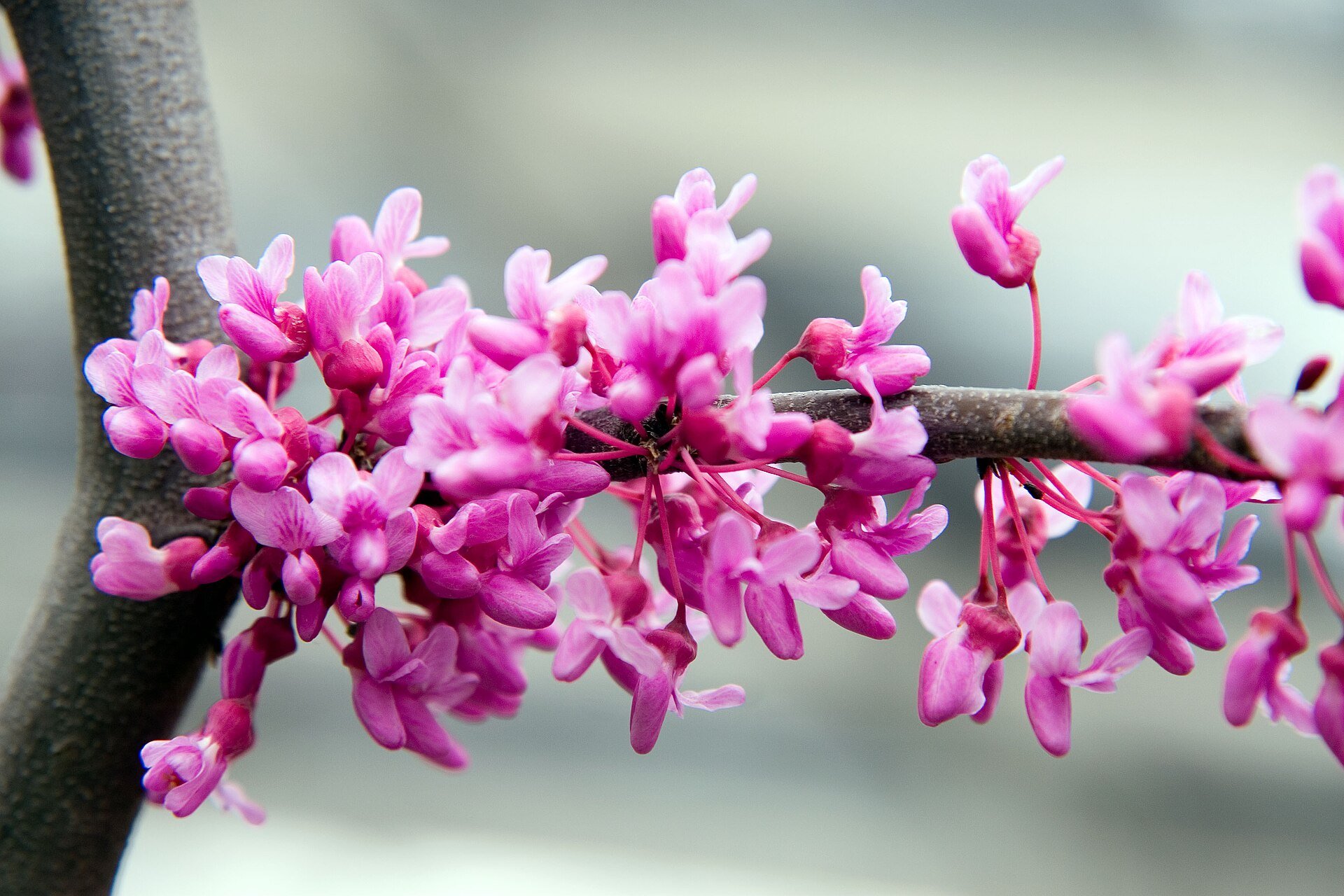
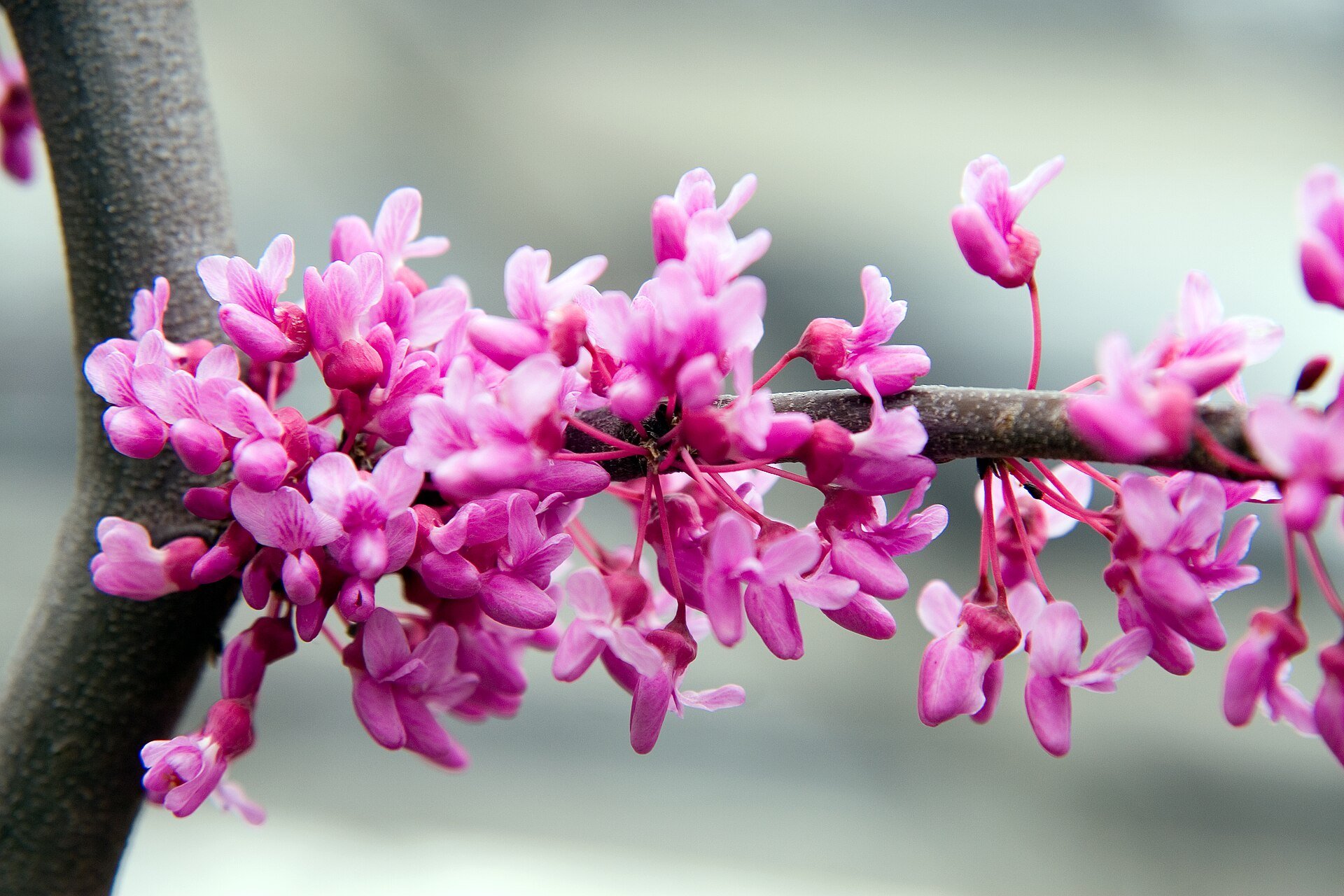
<p>The best known purple leaved redbud, reaching 20 to 30 feet tall and 25 to 35 feet wide with a rounded to vase shaped, often multi-trunked frame. Rosy pink-purple pea-like flowers explode from bare twigs in early spring, then reddish-purple heart-shaped leaves emerge and finish the season in red, burgundy, orange and purple. It grows quickly, takes sun or partial shade and clay, loam or sand across a wide pH band, and tolerates black walnut and deer. Flattened brown seedpods follow the flowers and feed squirrels, songbirds and quail. Use it as a specimen, an accent or a small shade tree at a woodland edge. The wood is weak and the thin bark damages easily, so protect the trunk and prune drooping limbs.</p>
- Part Shade
- Grows to 30 ft tall and 35 ft wide
- Blooms in spring
- Hardy in USDA zones 5a-9b
- Deciduous foliage
- Native plant
Plant description
<p>The best known purple leaved redbud, reaching 20 to 30 feet tall and 25 to 35 feet wide with a rounded to vase shaped, often multi-trunked frame. Rosy pink-purple pea-like flowers explode from bare twigs in early spring, then reddish-purple heart-shaped leaves emerge and finish the season in red, burgundy, orange and purple. It grows quickly, takes sun or partial shade and clay, loam or sand across a wide pH band, and tolerates black walnut and deer. Flattened brown seedpods follow the flowers and feed squirrels, songbirds and quail. Use it as a specimen, an accent or a small shade tree at a woodland edge. The wood is weak and the thin bark damages easily, so protect the trunk and prune drooping limbs.</p>
- Flowers
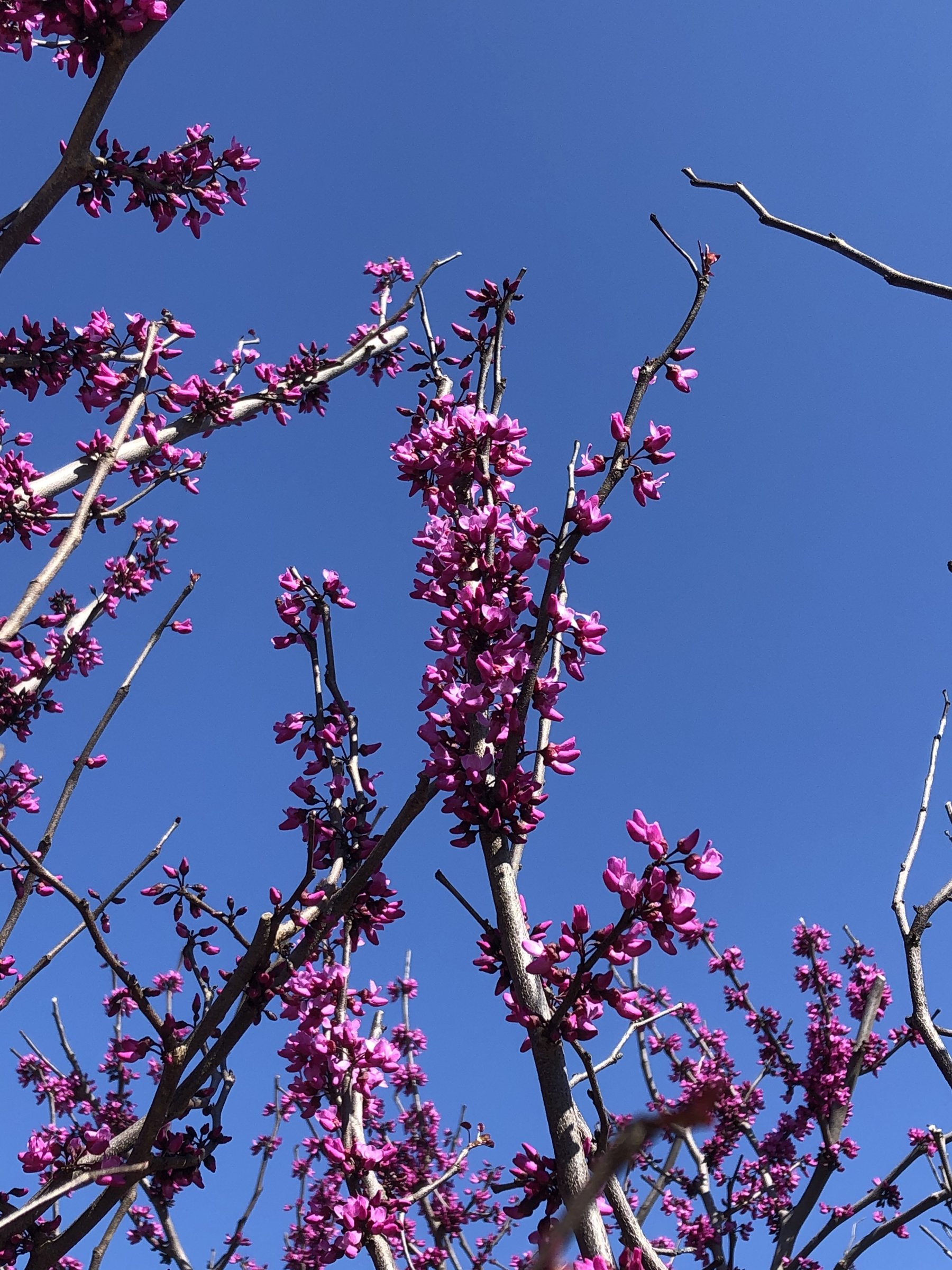
- Extremely showy rosy pink-purple pea-like flowers explode from the bare twigs in early spring.
- Foliage
- Deciduous, simple, alternate heart-shaped to nearly round leaves, reddish-purple when young and holding purple tones through the season, papery and waxy to the touch, turning red, burgundy, orange and purple in fall.
- Native range
- Eastern and central North America