Plant: Eastern Redbud
Redbud Tree · Cercis canadensis
Size: 7 gal
Light
Bloom
Mature size
More about this plant
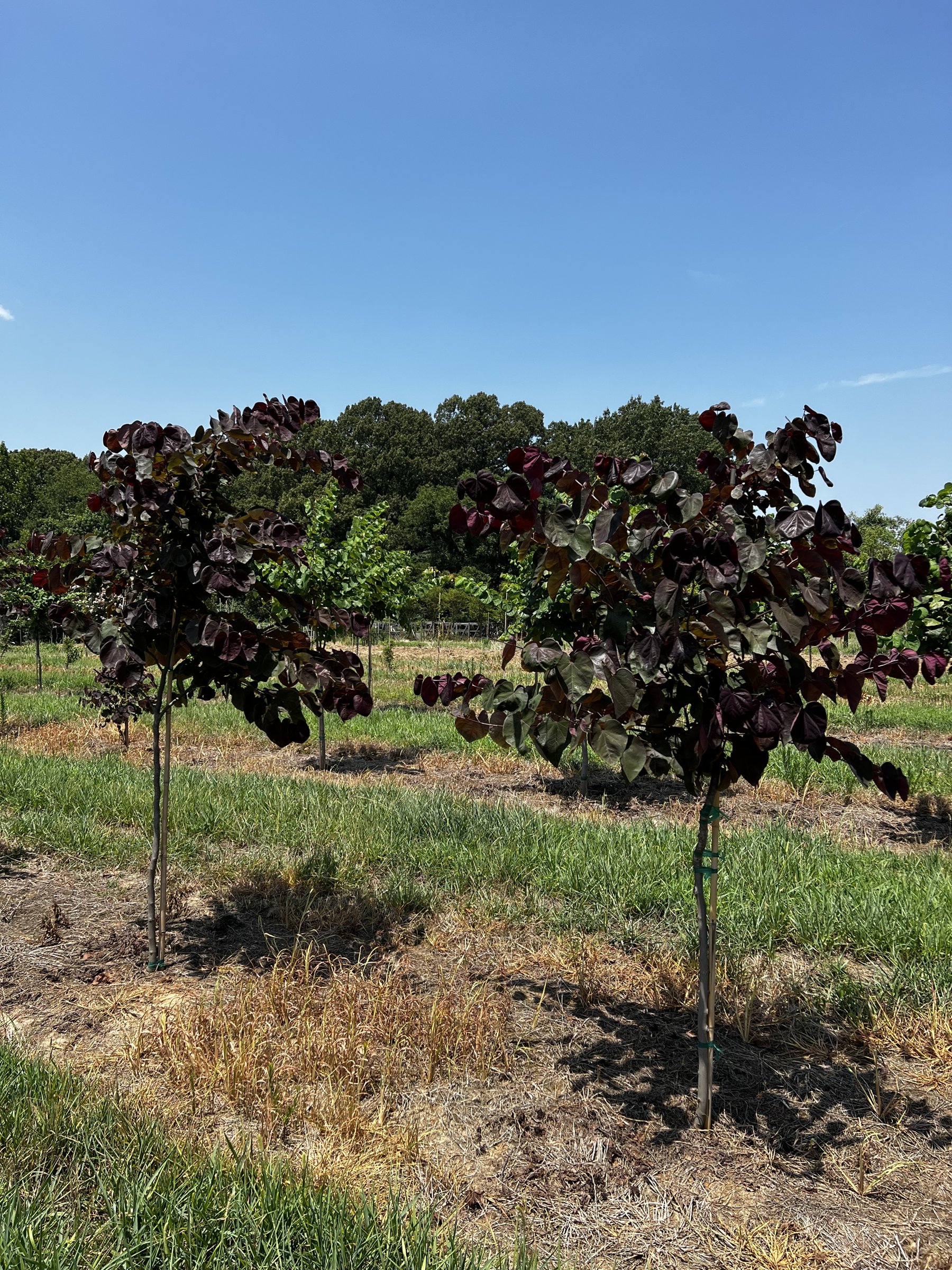
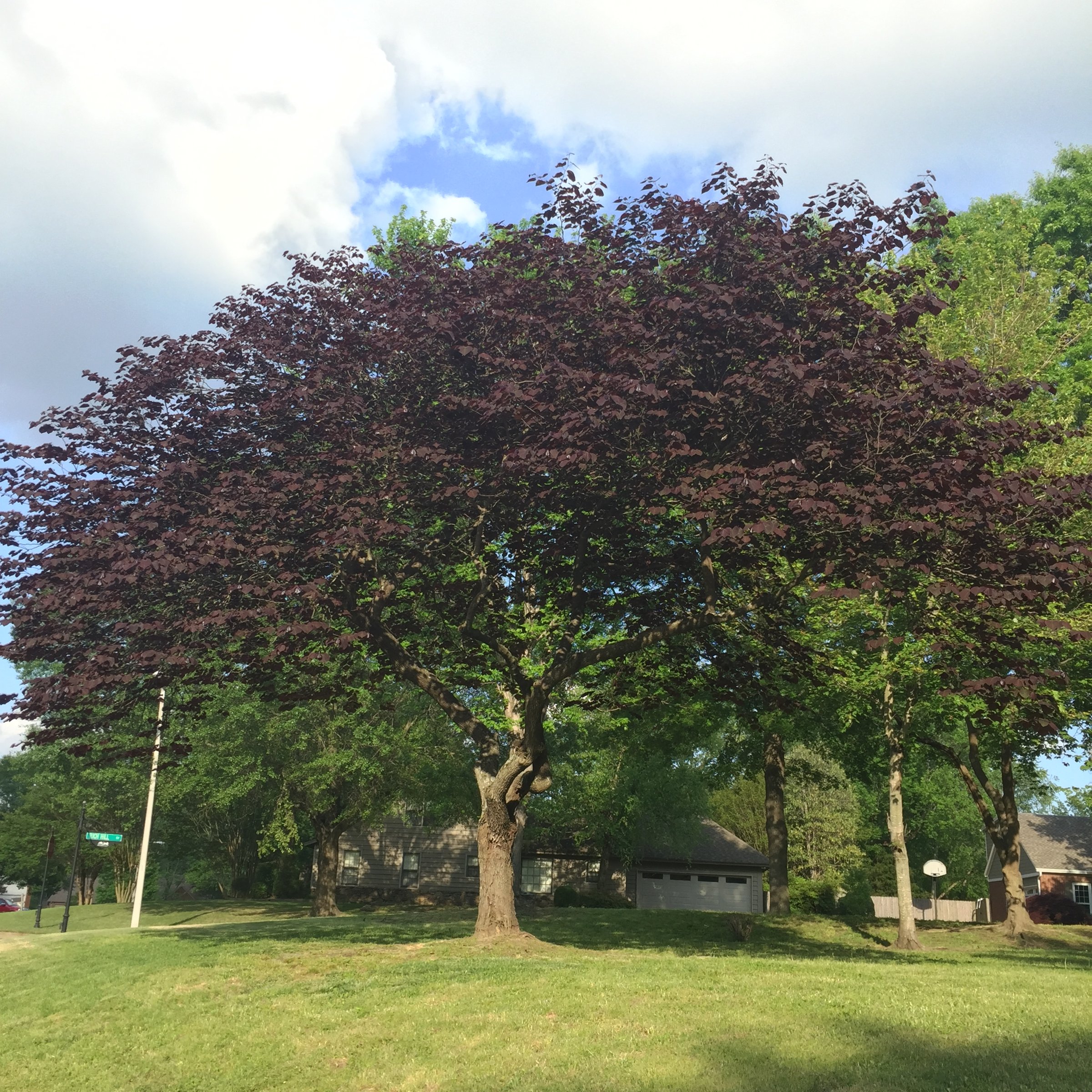
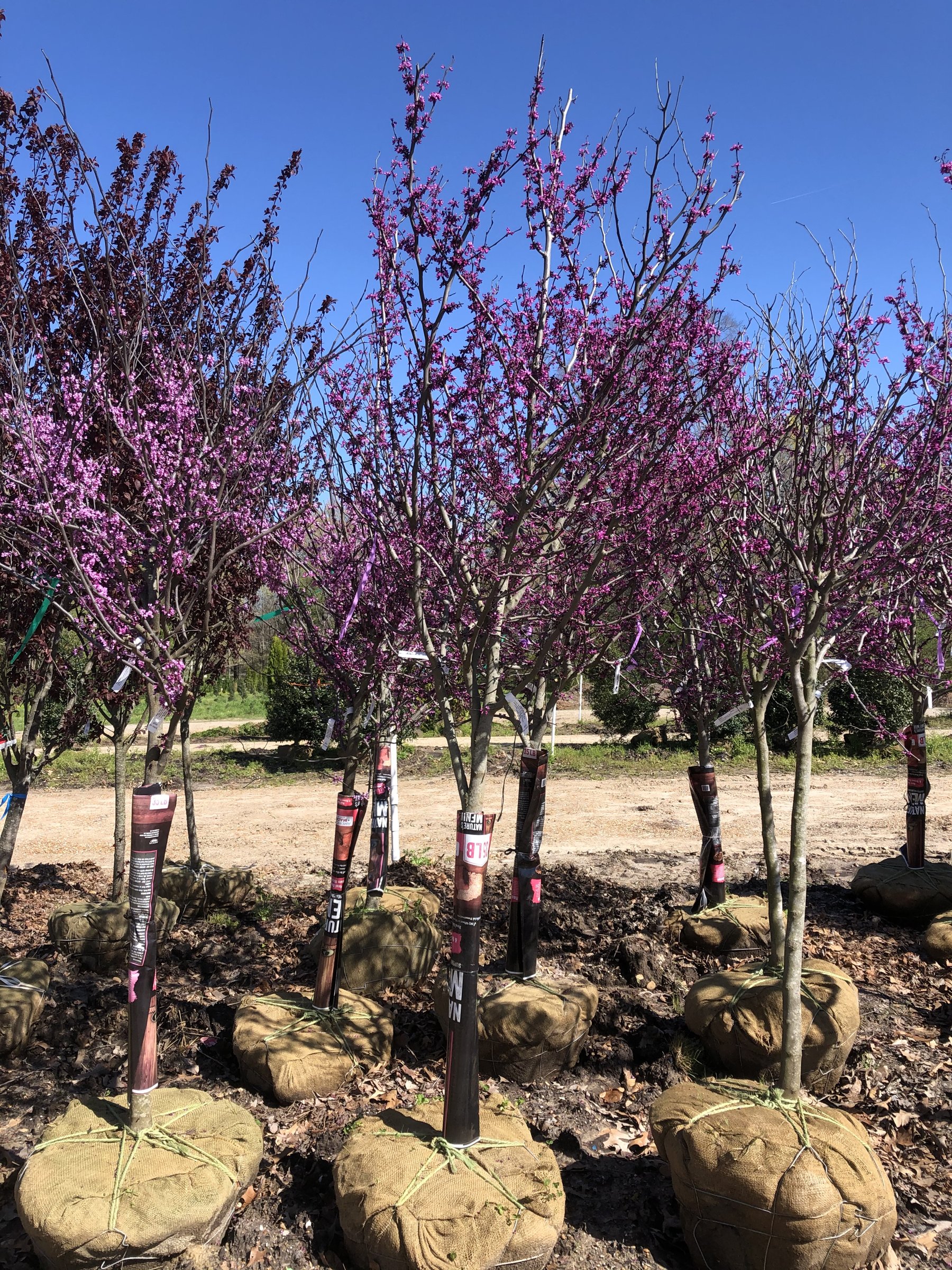
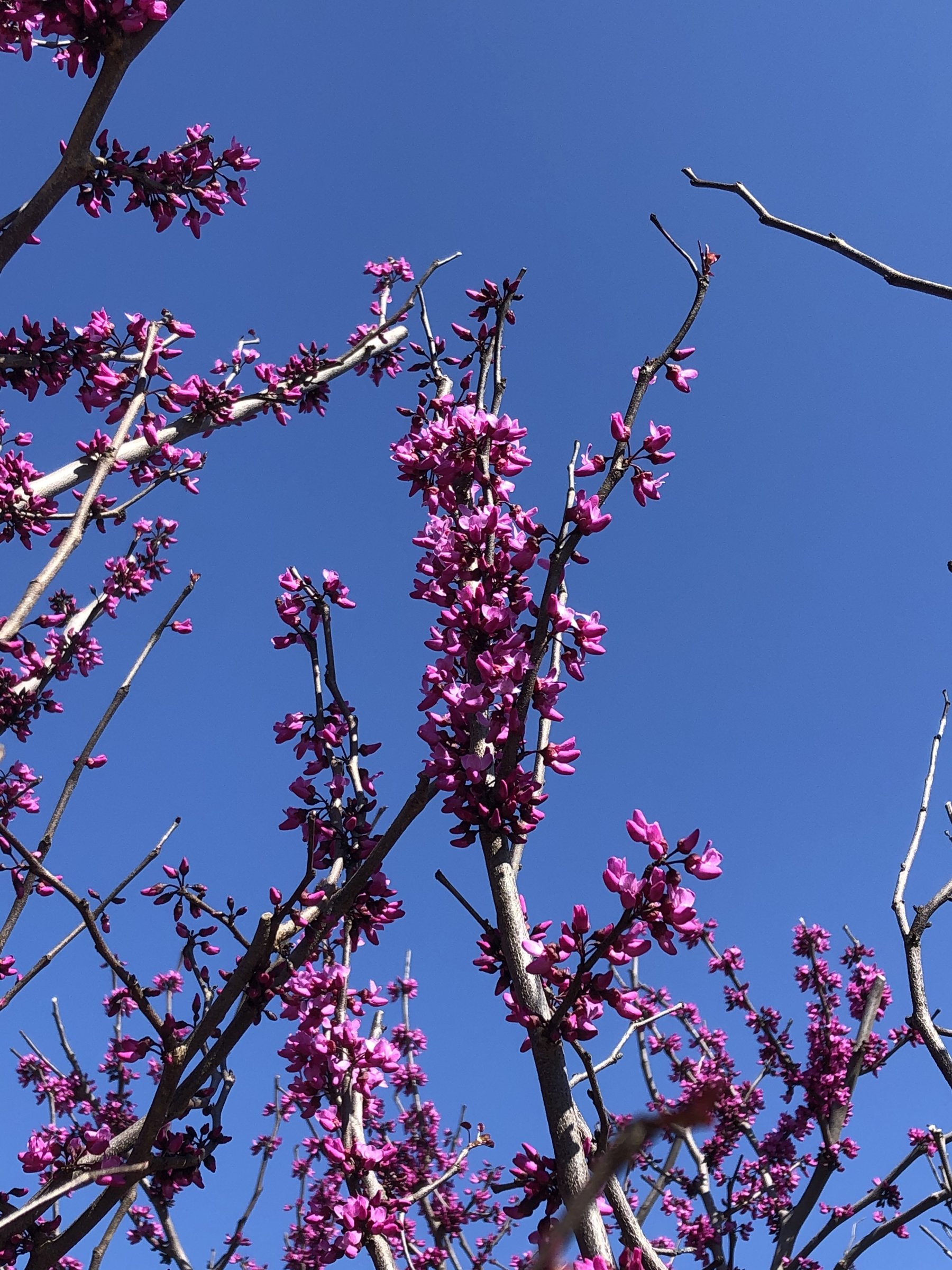
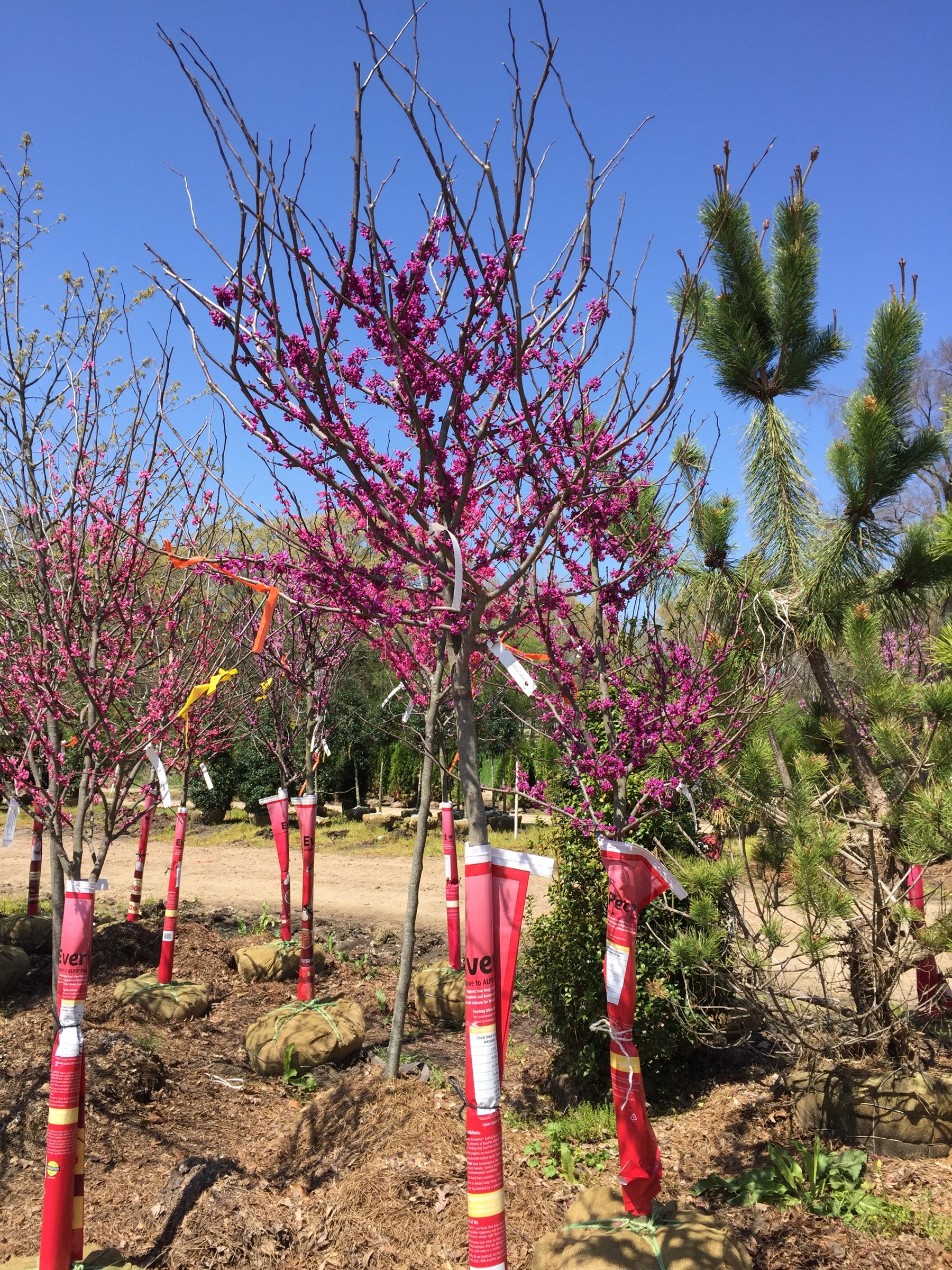
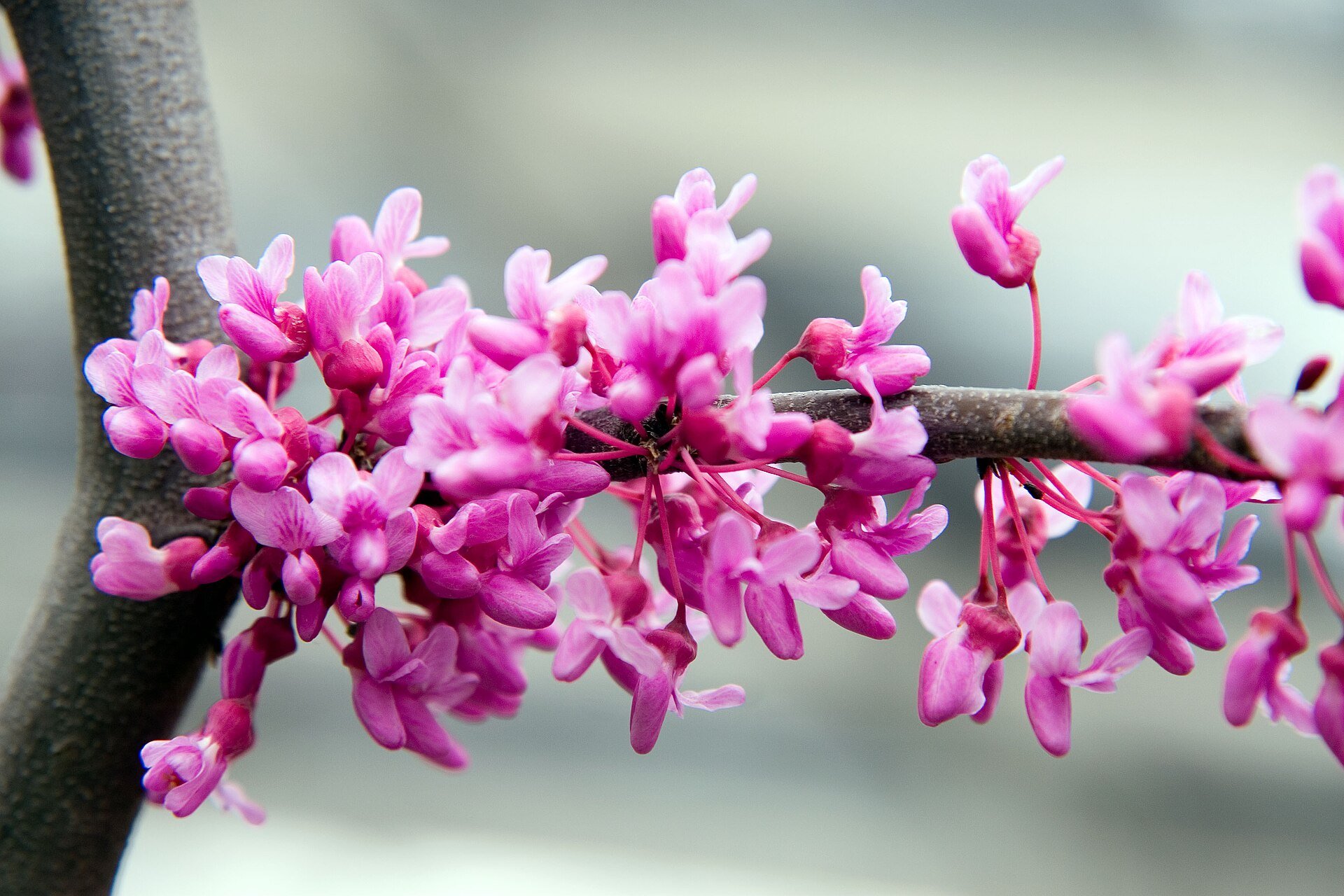
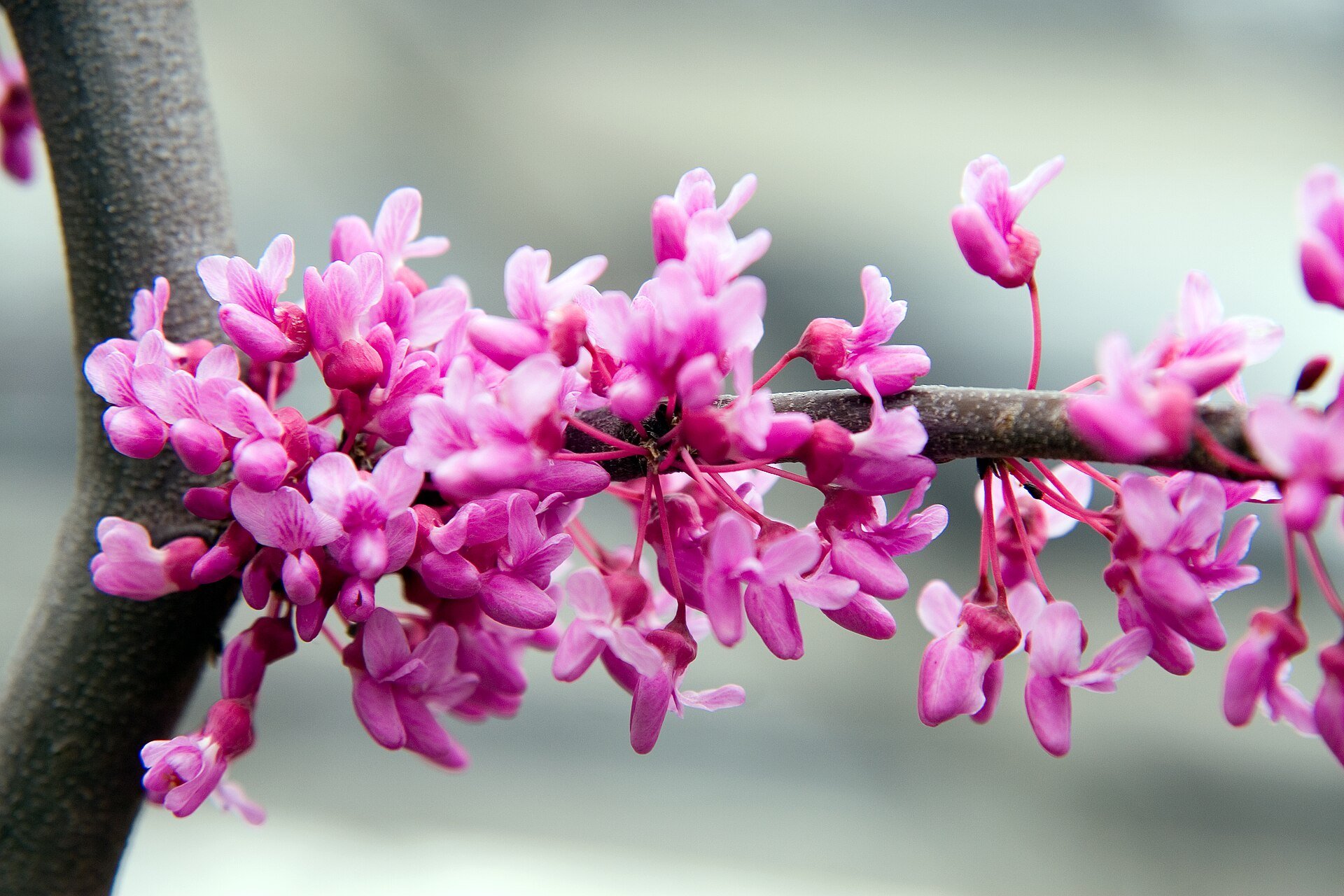
A native understory tree of eastern and central North America, growing 20 to 30 feet tall and 25 to 35 feet wide with a multi-stemmed, rounded frame and a trunk usually divided close to the ground. Clusters of small pea-like flowers in pink to red-purple line the bare twigs in early spring, followed by heart-shaped leaves 3 to 5 inches across that turn gold-yellow in fall and flat brown seedpods 2 to 4 inches long. It grows in sun or partial shade on clay, loam or sand across a wide pH range with good drainage. It draws bees, butterflies and specialized bees, hosts twelve species of Lepidoptera including Henry's Elfin, and tolerates black walnut, soil compaction and deer. The flowers are edible. Trees are typically short lived.
- Part Shade
- Grows to 30 ft tall and 35 ft wide
- Blooms in spring
- Hardy in USDA zones 4a-9b
- Deciduous foliage
- Native plant
Plant description
A native understory tree of eastern and central North America, growing 20 to 30 feet tall and 25 to 35 feet wide with a multi-stemmed, rounded frame and a trunk usually divided close to the ground. Clusters of small pea-like flowers in pink to red-purple line the bare twigs in early spring, followed by heart-shaped leaves 3 to 5 inches across that turn gold-yellow in fall and flat brown seedpods 2 to 4 inches long. It grows in sun or partial shade on clay, loam or sand across a wide pH range with good drainage. It draws bees, butterflies and specialized bees, hosts twelve species of Lepidoptera including Henry's Elfin, and tolerates black walnut, soil compaction and deer. The flowers are edible. Trees are typically short lived.
- Flowers
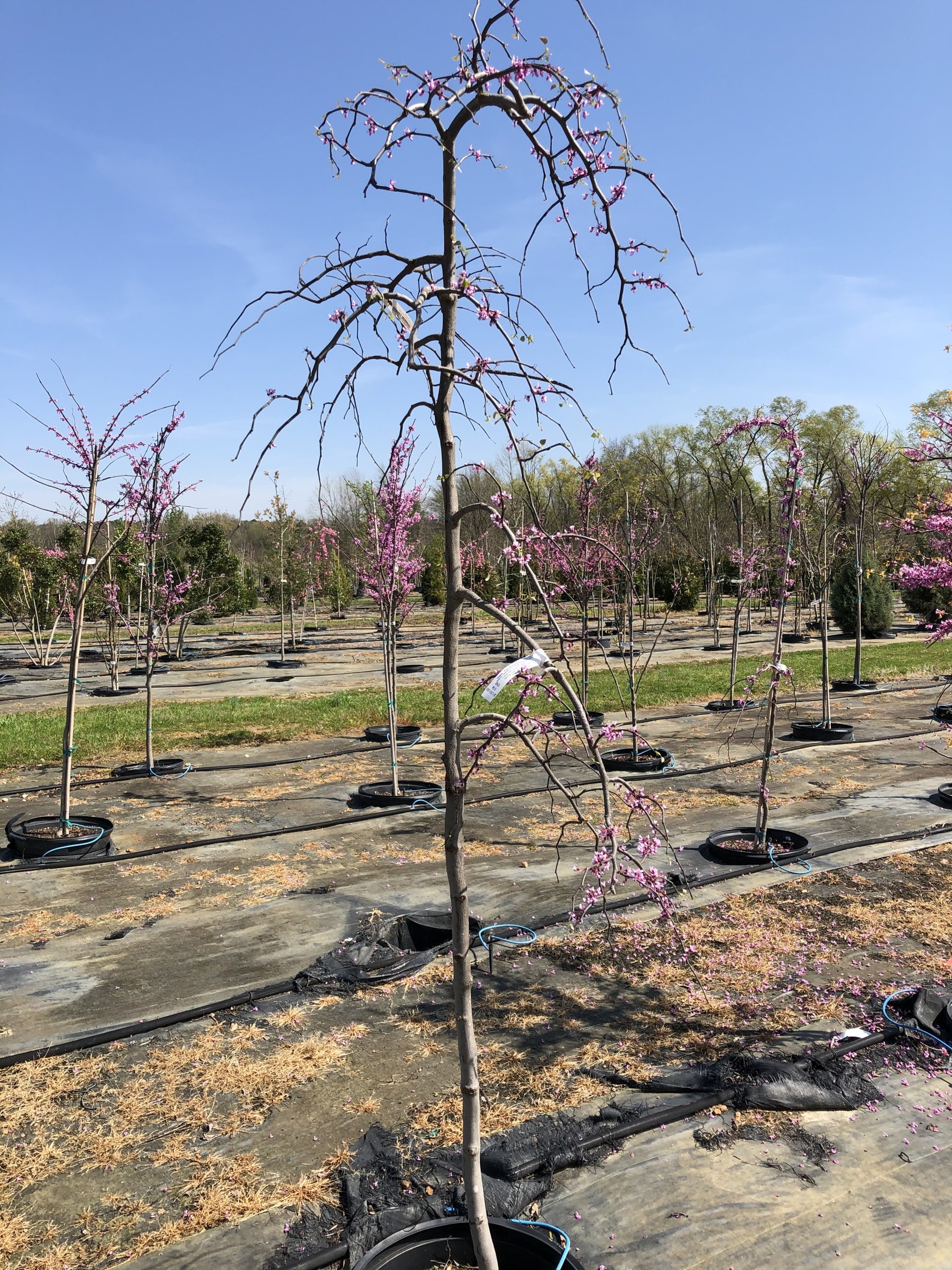
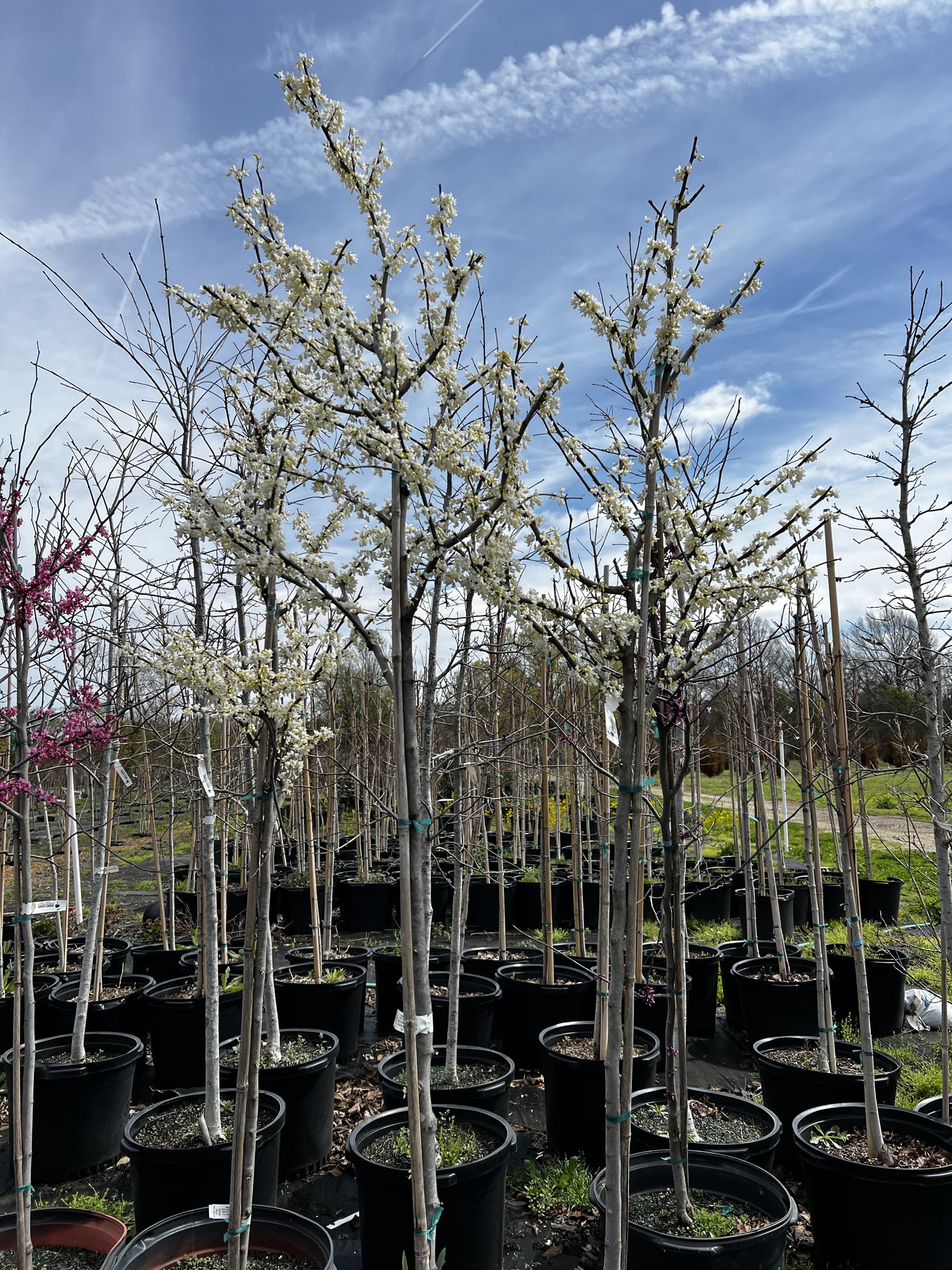
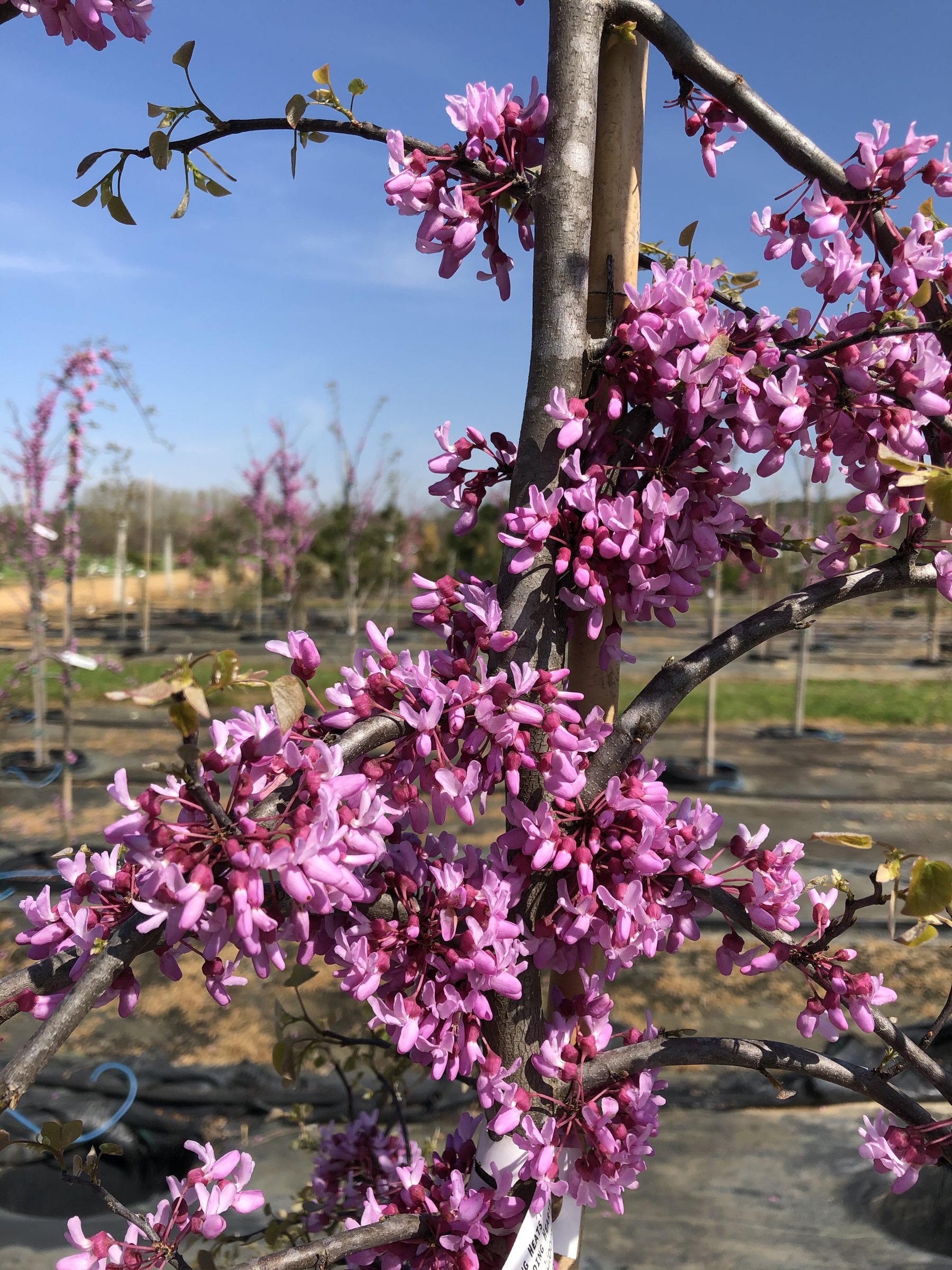
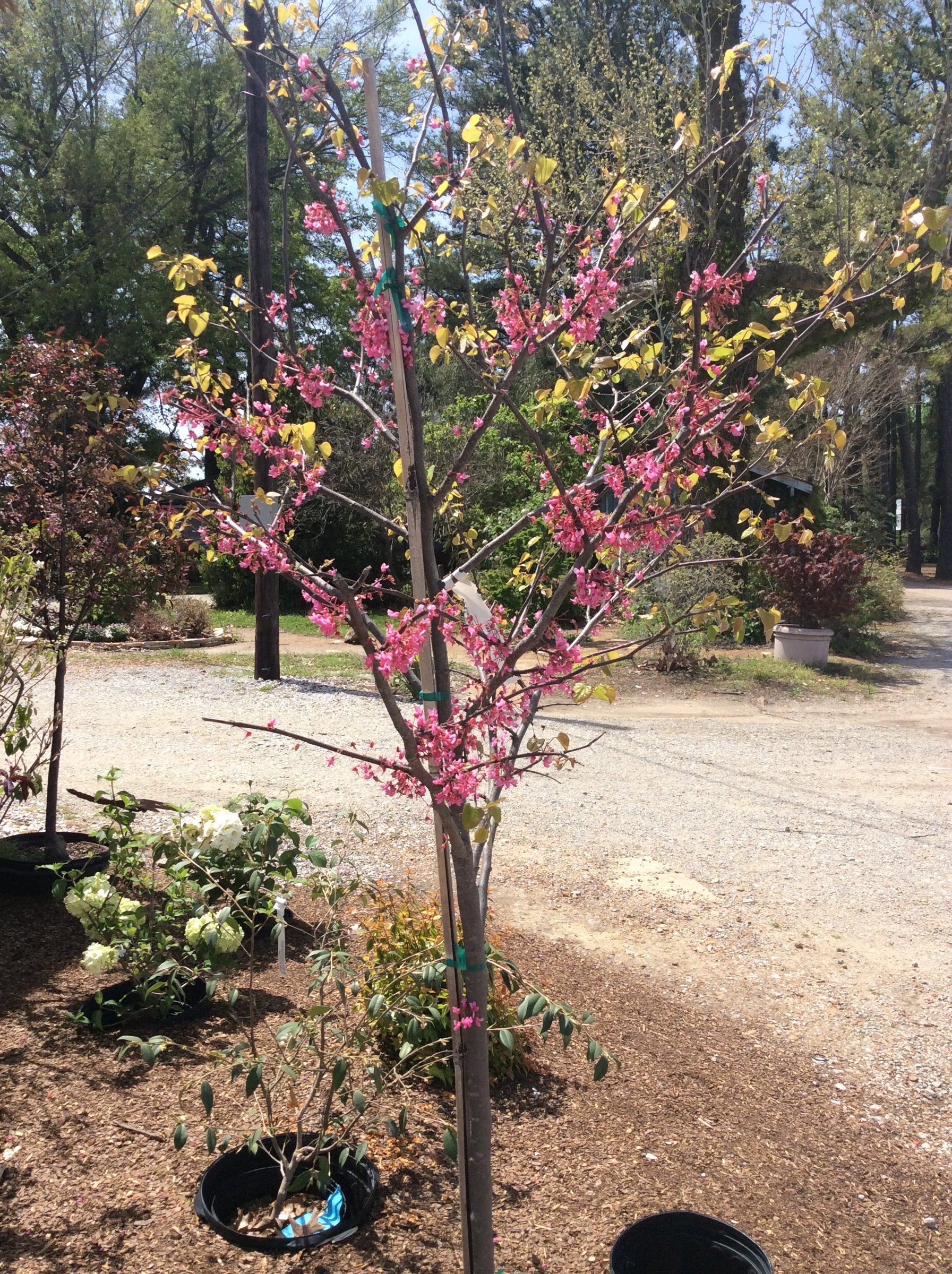
- Clusters of small pea-like flowers, pink to red to purple, open along the bare twigs in early spring before the leaves; the flowers are edible and high in vitamin C.
- Foliage
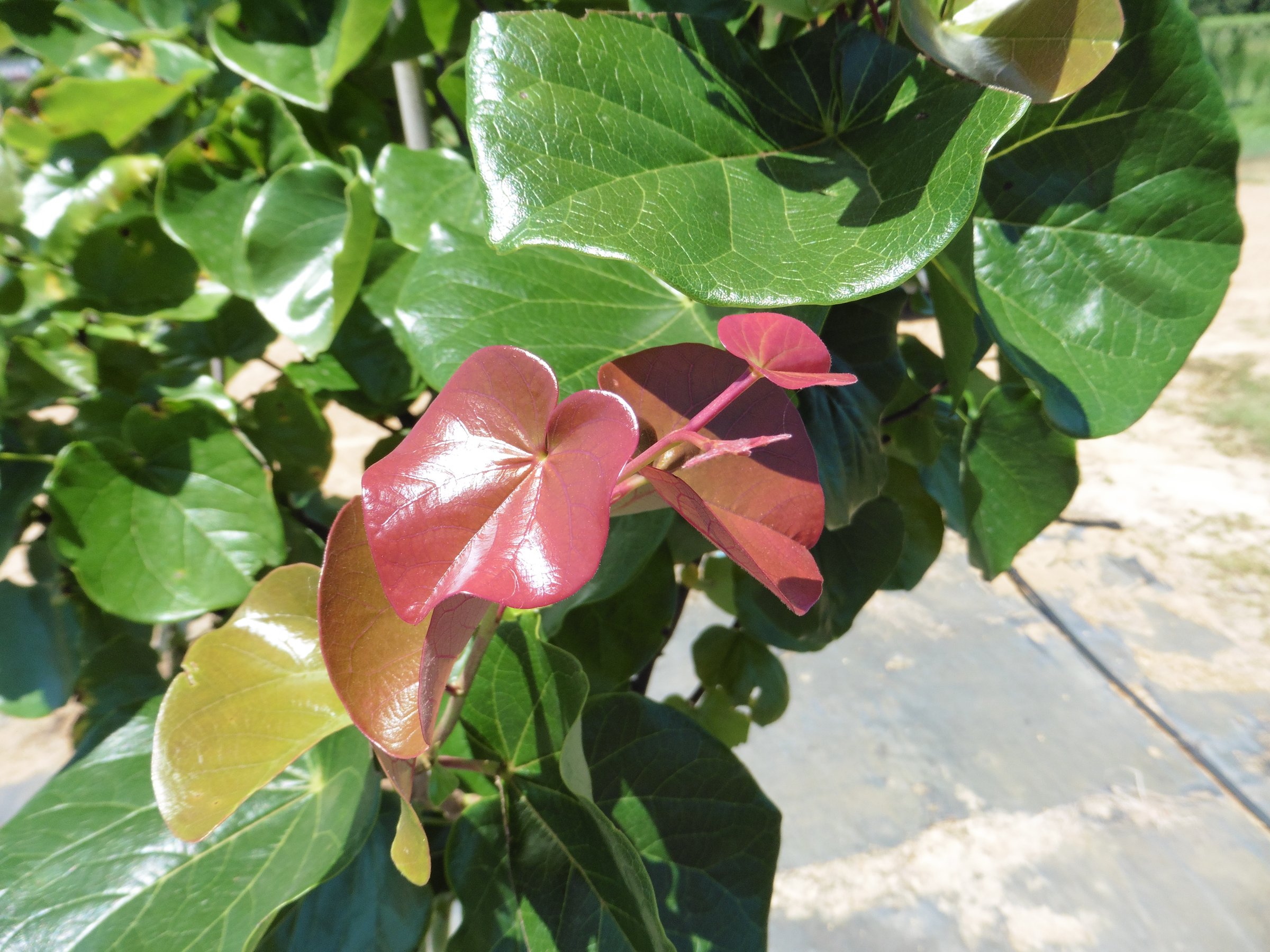
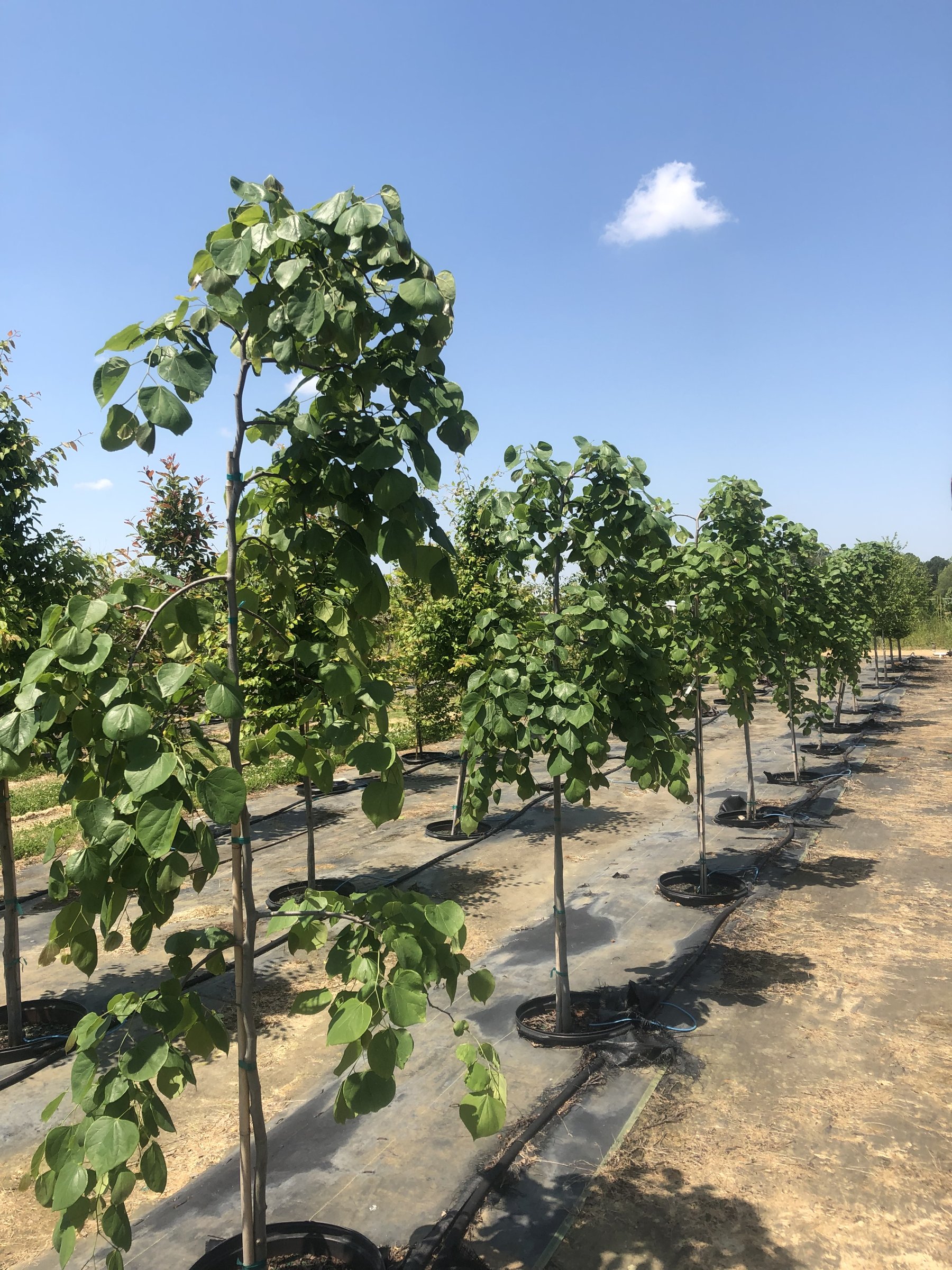
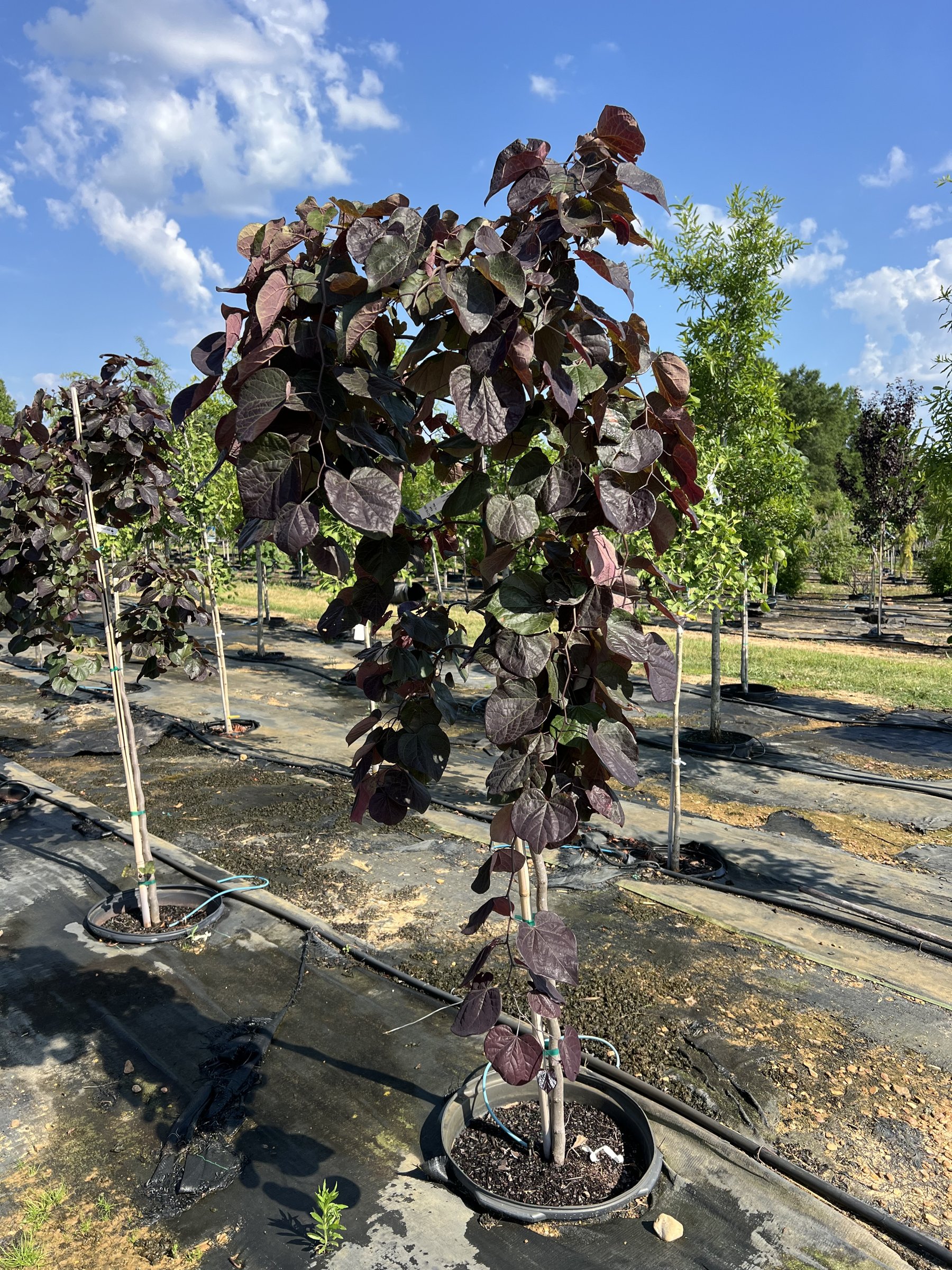
- Simple, alternate, heart-shaped leaves 3 to 5 inches long and wide with smooth entire margins, turning gold-yellow in fall.
- Bark & stems
- Dark brown to black bark with orange inner bark that can show through; smooth when young, later developing long narrow plates that separate into scales. Twigs are slender, glabrous and zig-zag.
- Native range
- Eastern and central North America, North Carolina to eastern Mexico