Plant: Swamp White Oak Tree
Oak Tree · Quercus bicolor
Was $150.00
Size: 15 gal
Light
Bloom
Mature size
More about this plant
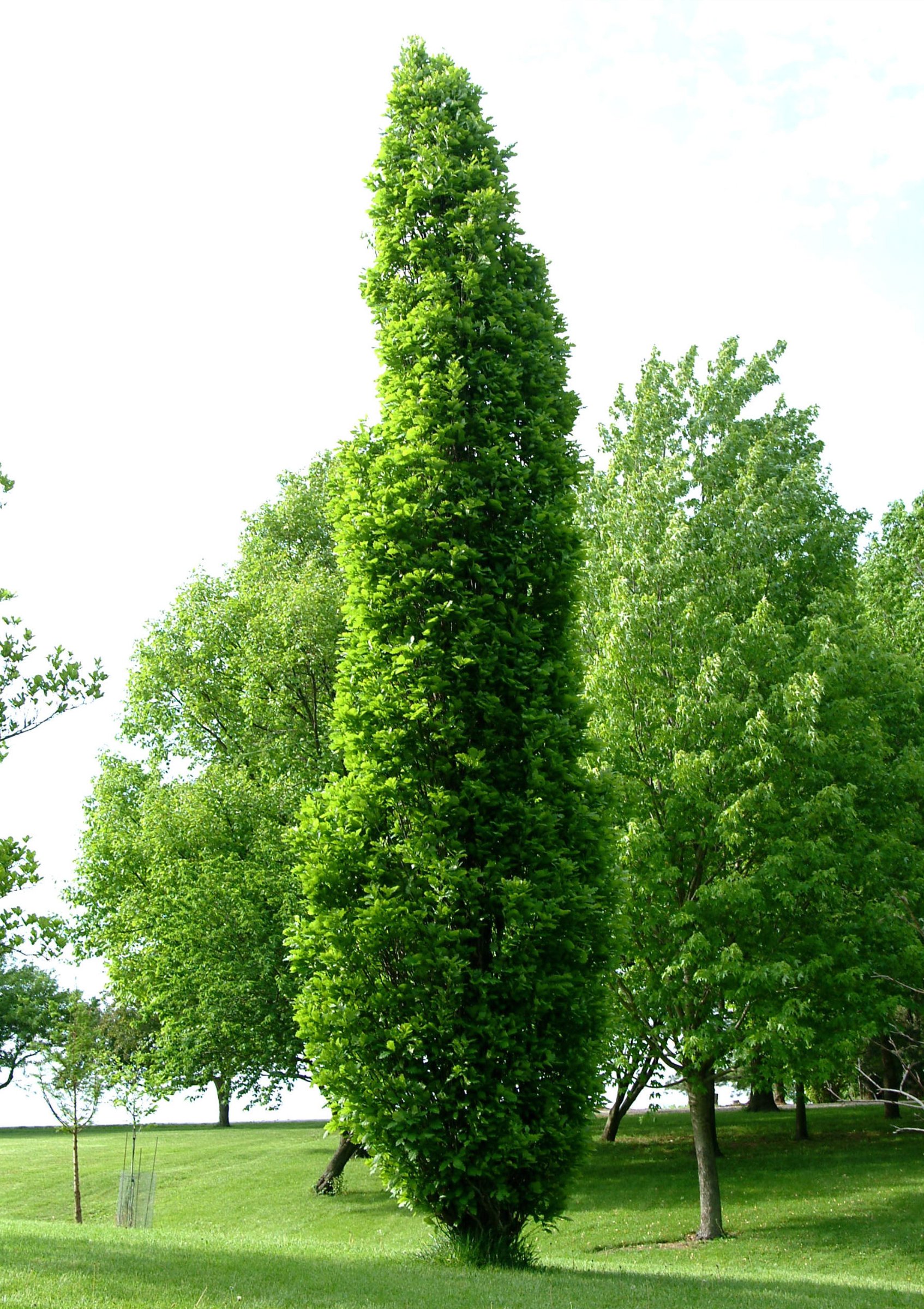
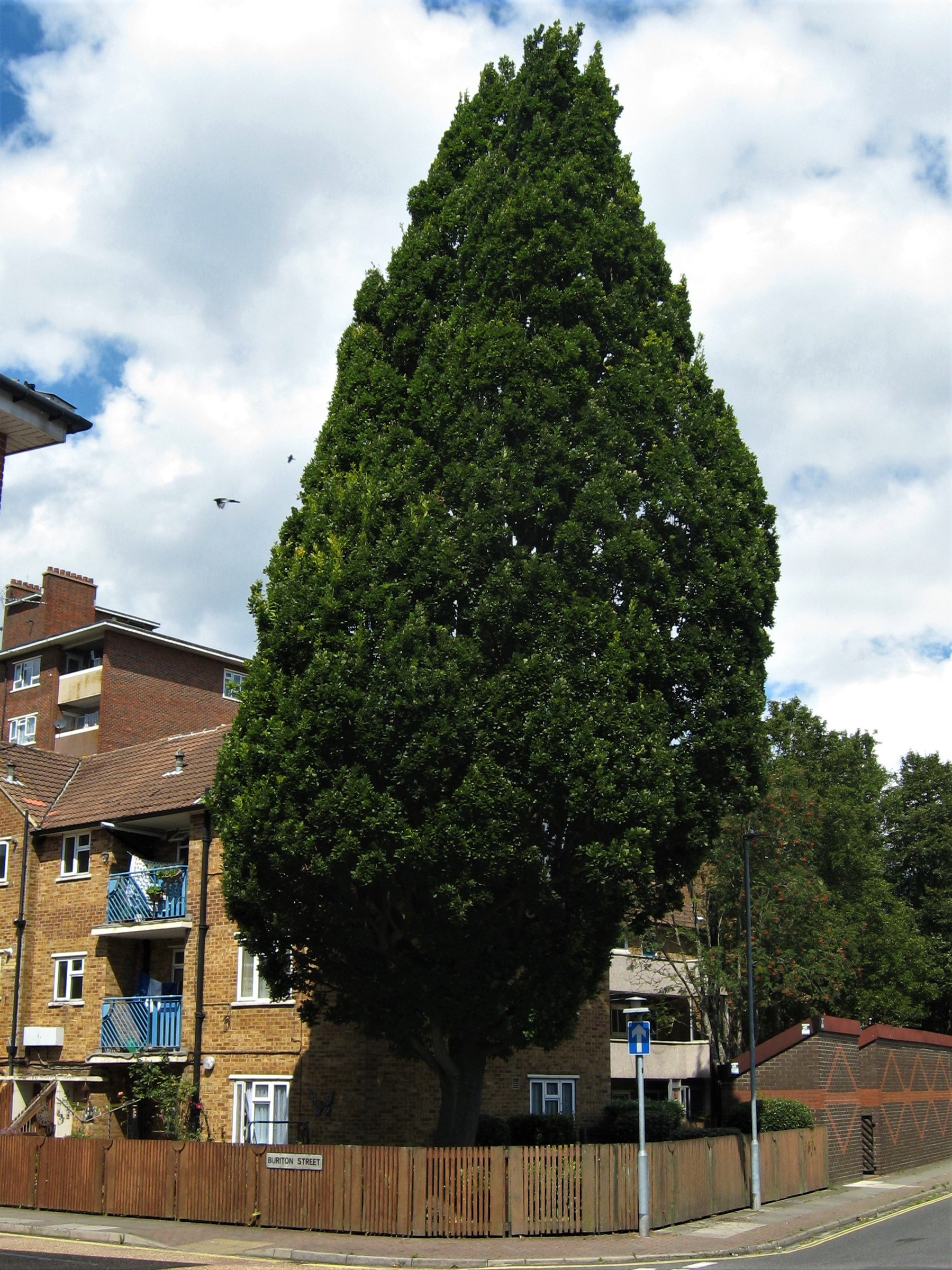
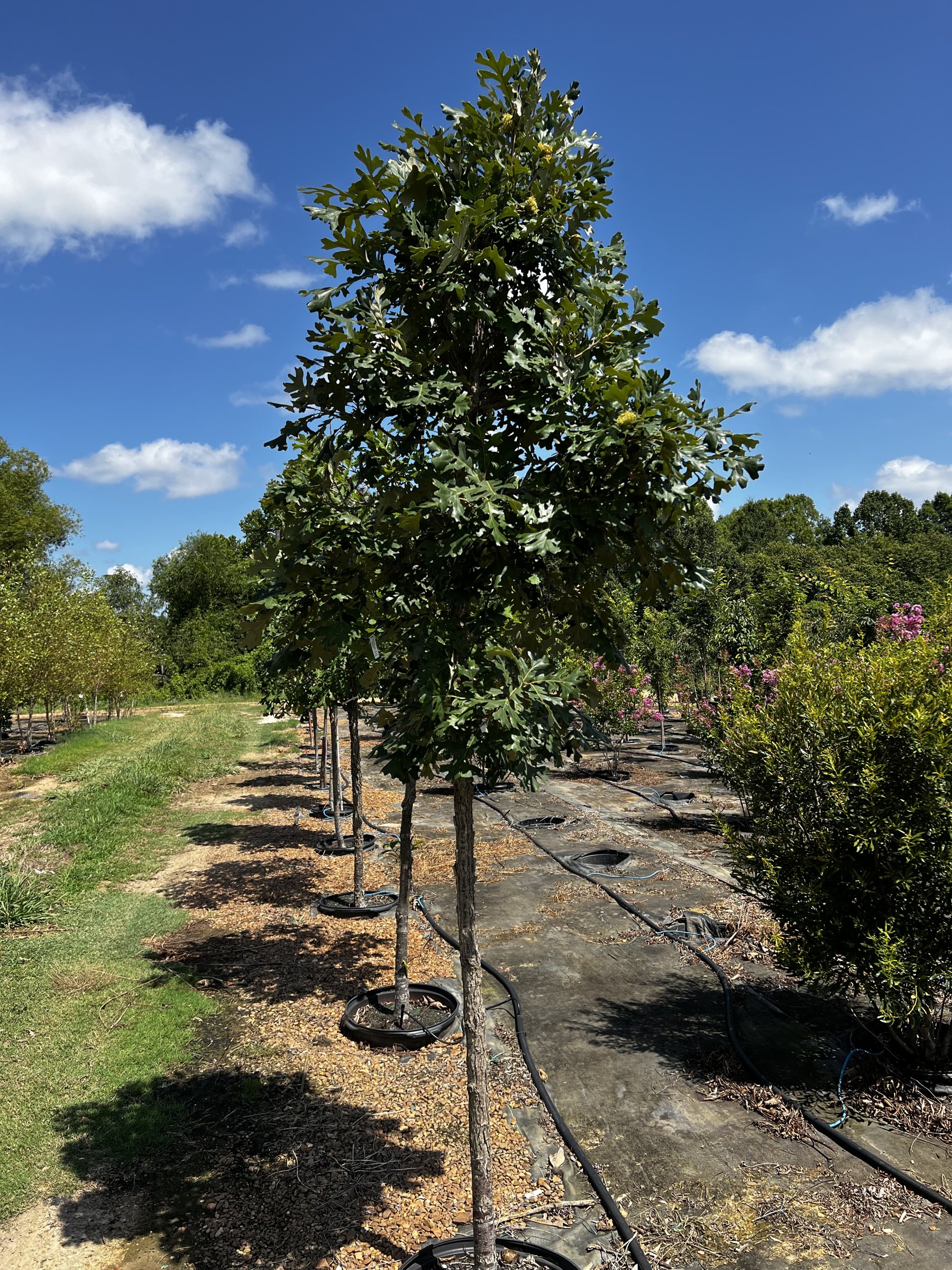
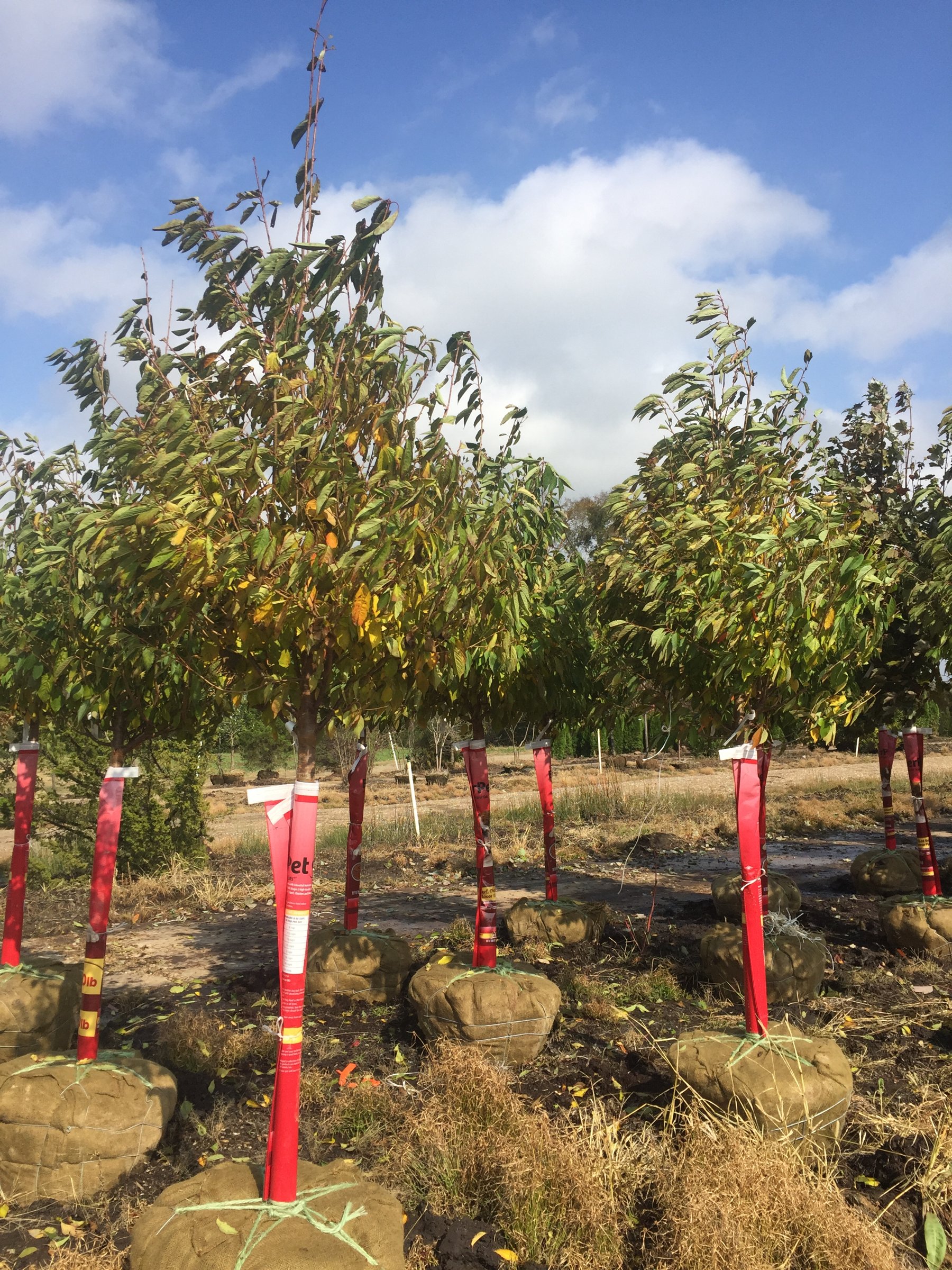
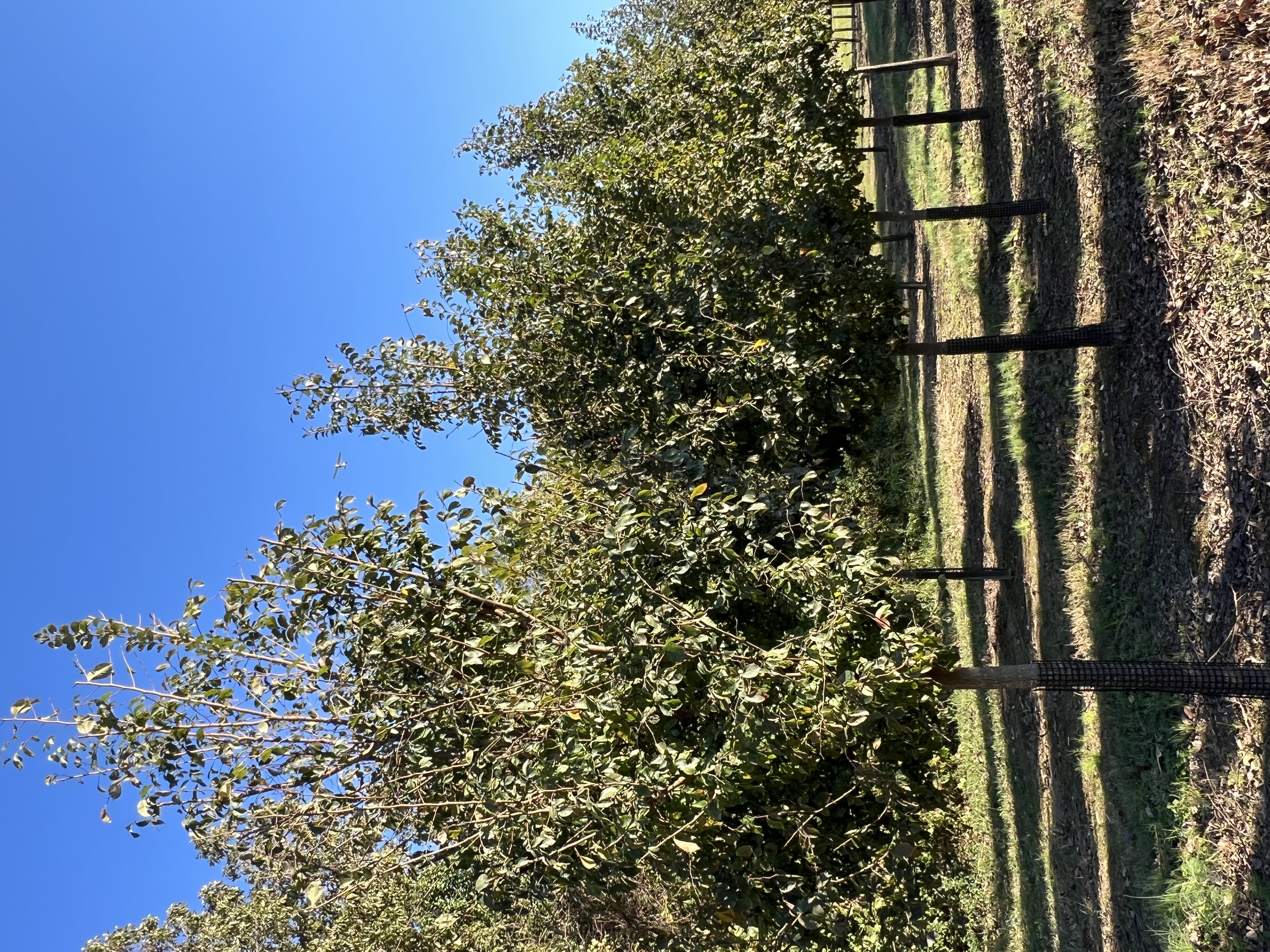
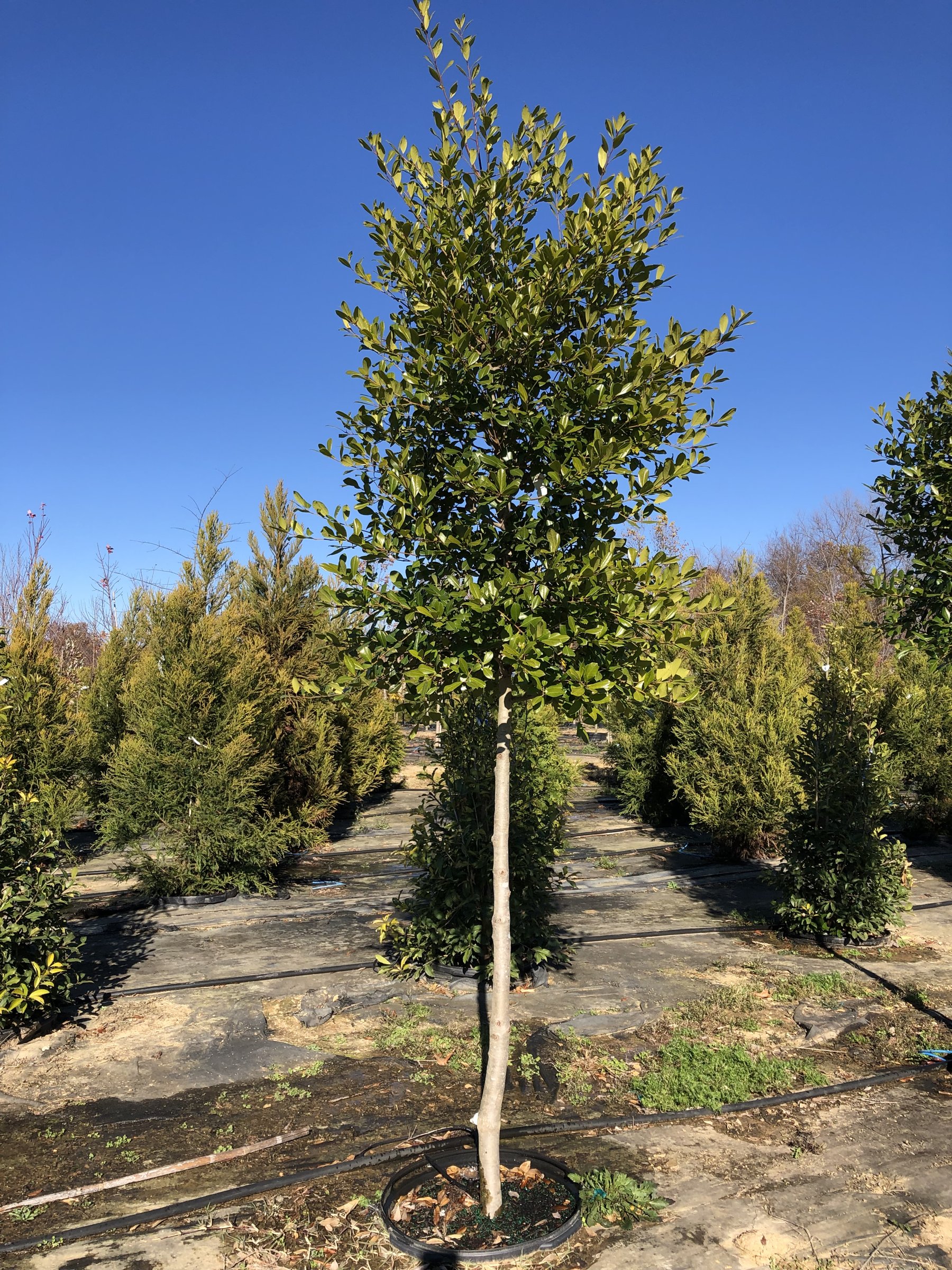
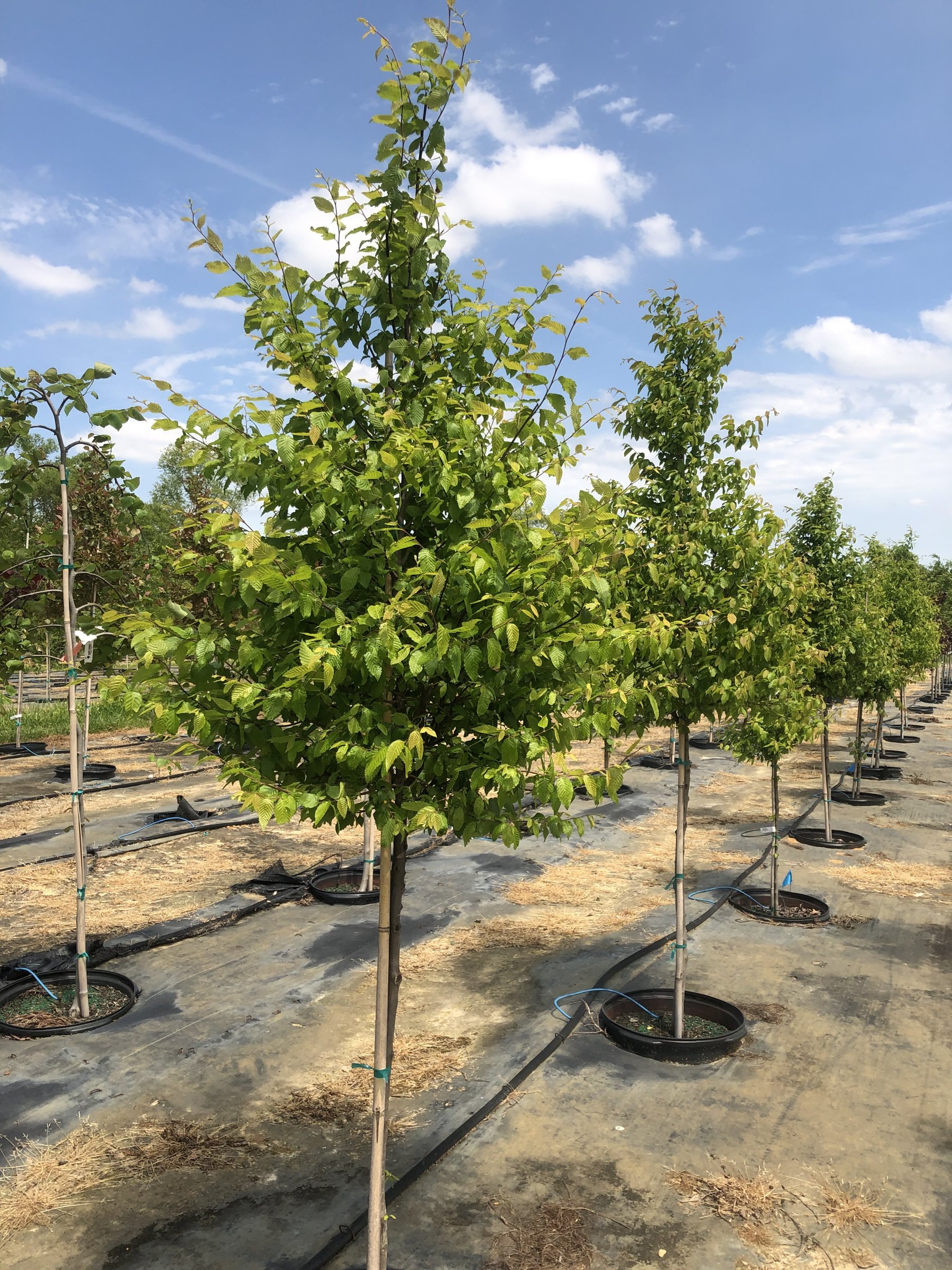
Swamp white oak is a medium sized native deciduous tree 50 to 60 feet tall and wide, pyramidal when young and opening to a rounded spreading crown. Its two toned foliage is glossy dark green above and silvery white beneath, turning brown, gold and red in fall, and the peeling branch bark adds winter interest. Acorns come in good crops every three to five years and feed wildlife. It prefers moist acidic soils in wet lowlands and floodplains but adapts to drier sites, tolerates black walnut, deer, drought, poor soil and wet soil, and can live up to 300 years. Use it as a shade tree or specimen in lawns, meadows and rain gardens. Leaves and acorns cause stomach upset if eaten.
- Full Sun
- Grows to 60 ft tall and 60 ft wide
- Blooms in spring
- Hardy in USDA zones 4-8
- Deciduous foliage
- Native plant
Plant description
Swamp white oak is a medium sized native deciduous tree 50 to 60 feet tall and wide, pyramidal when young and opening to a rounded spreading crown. Its two toned foliage is glossy dark green above and silvery white beneath, turning brown, gold and red in fall, and the peeling branch bark adds winter interest. Acorns come in good crops every three to five years and feed wildlife. It prefers moist acidic soils in wet lowlands and floodplains but adapts to drier sites, tolerates black walnut, deer, drought, poor soil and wet soil, and can live up to 300 years. Use it as a shade tree or specimen in lawns, meadows and rain gardens. Leaves and acorns cause stomach upset if eaten.
- Foliage
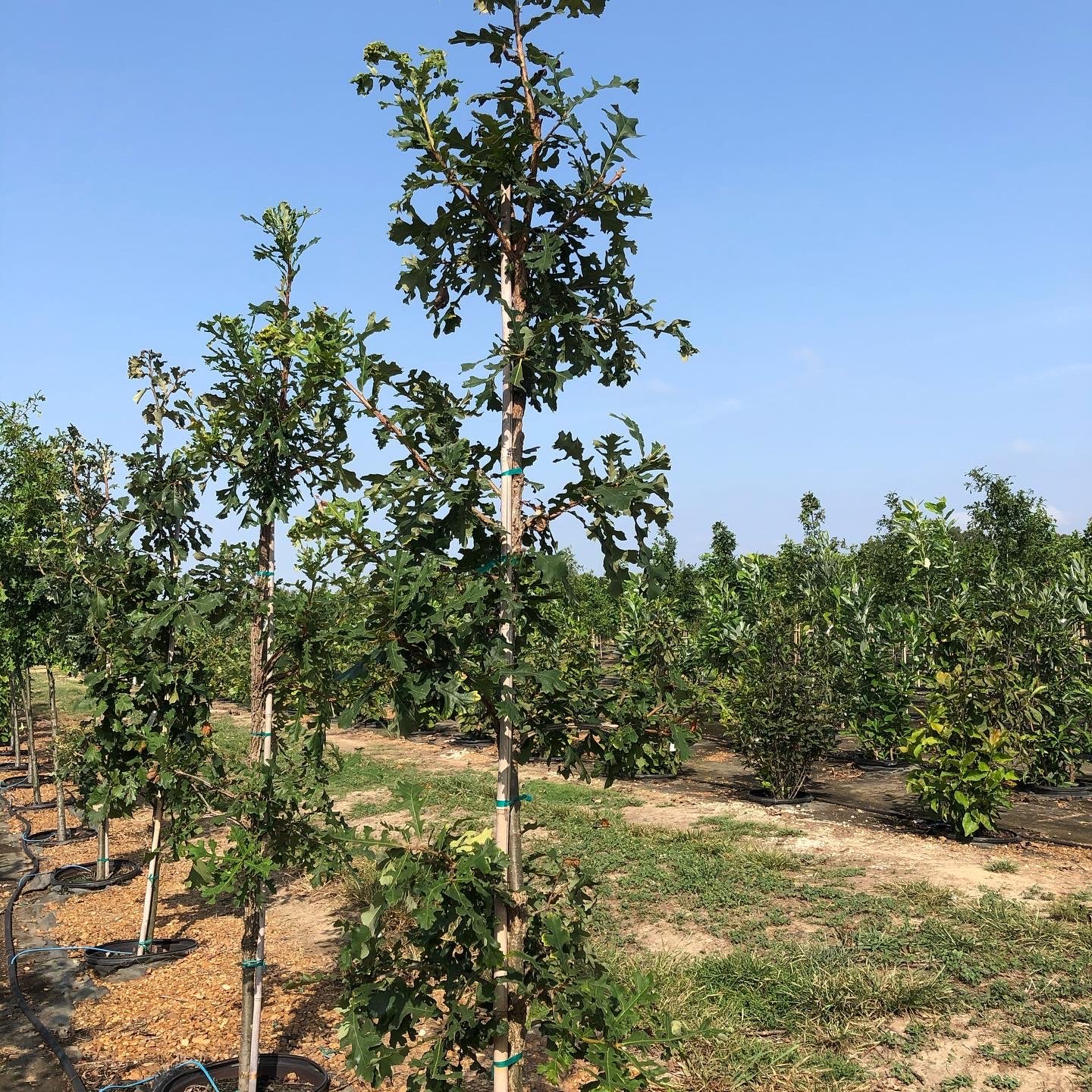
- Simple alternate leaves 3 to 7 inches long and 1.25 to 4 inches wide, glossy dark green above and silvery white beneath, with lobed and dentate margins, turning brown, gold and red in fall.
- Bark & stems
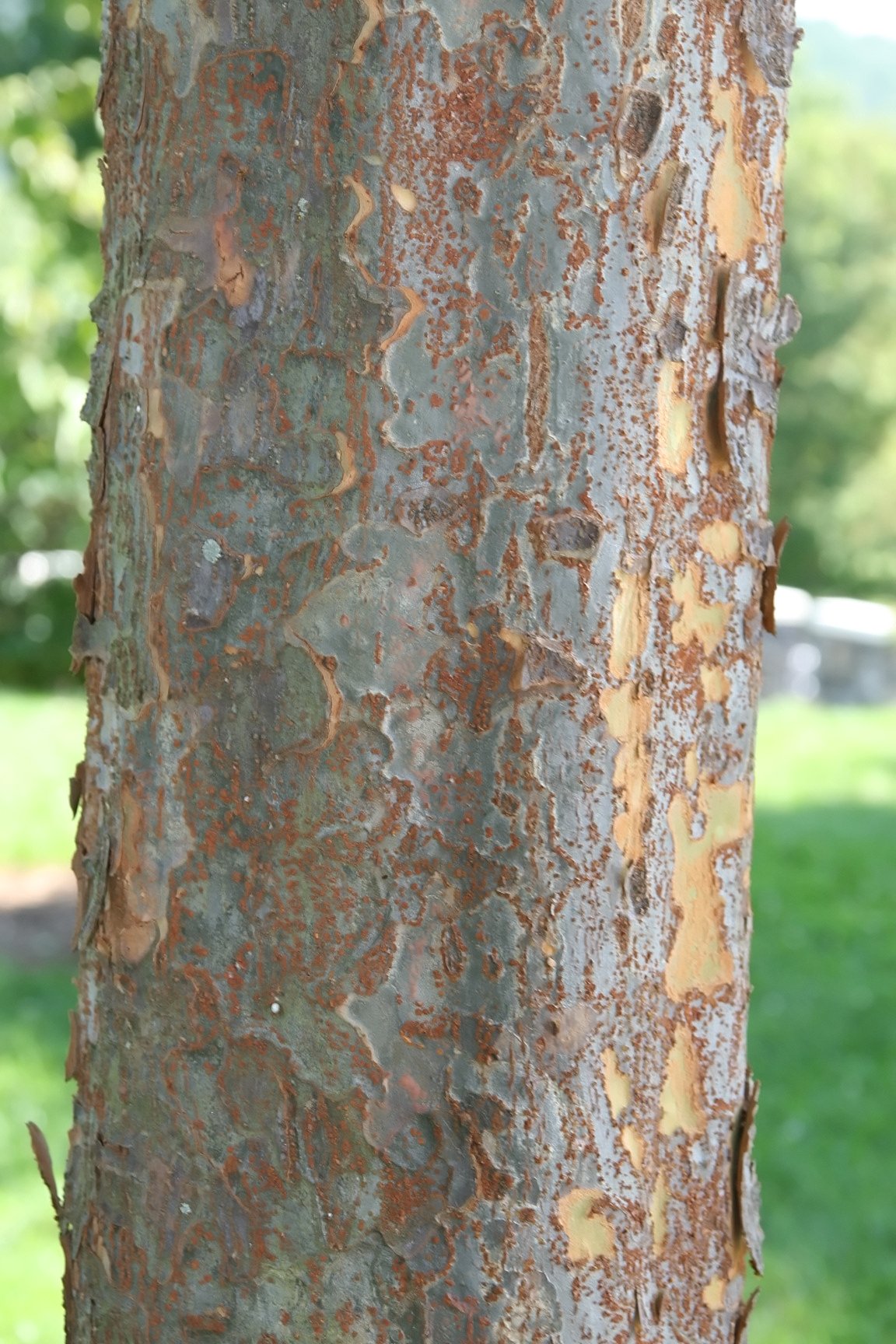
- Thick bark divided by furrows and ridges, with peeling bark on the branches, stout brown to grey twigs marked by white lenticels and yellow orange inner bark.
- Native range
- Southeast Canada to the northern central and eastern United States