

Plant: American Hornbeam Tree
Hornbeam · Carpinus caroliniana
Was $150.00
Size: 15 gal
Light
Bloom
Mature size
More about this plant
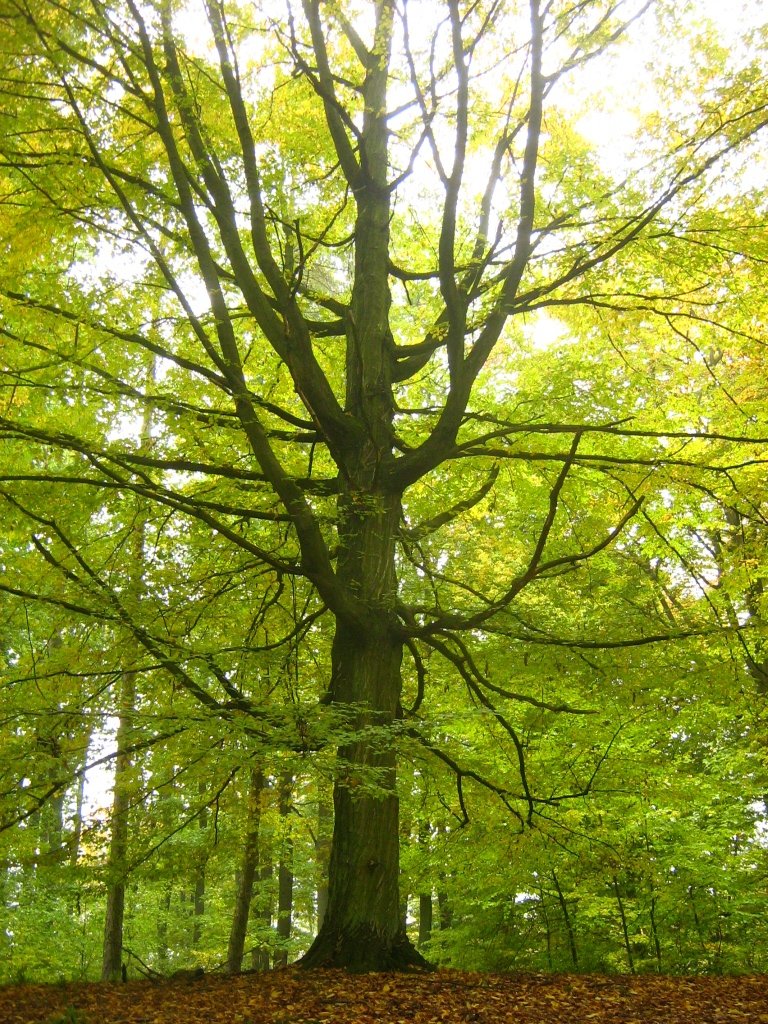
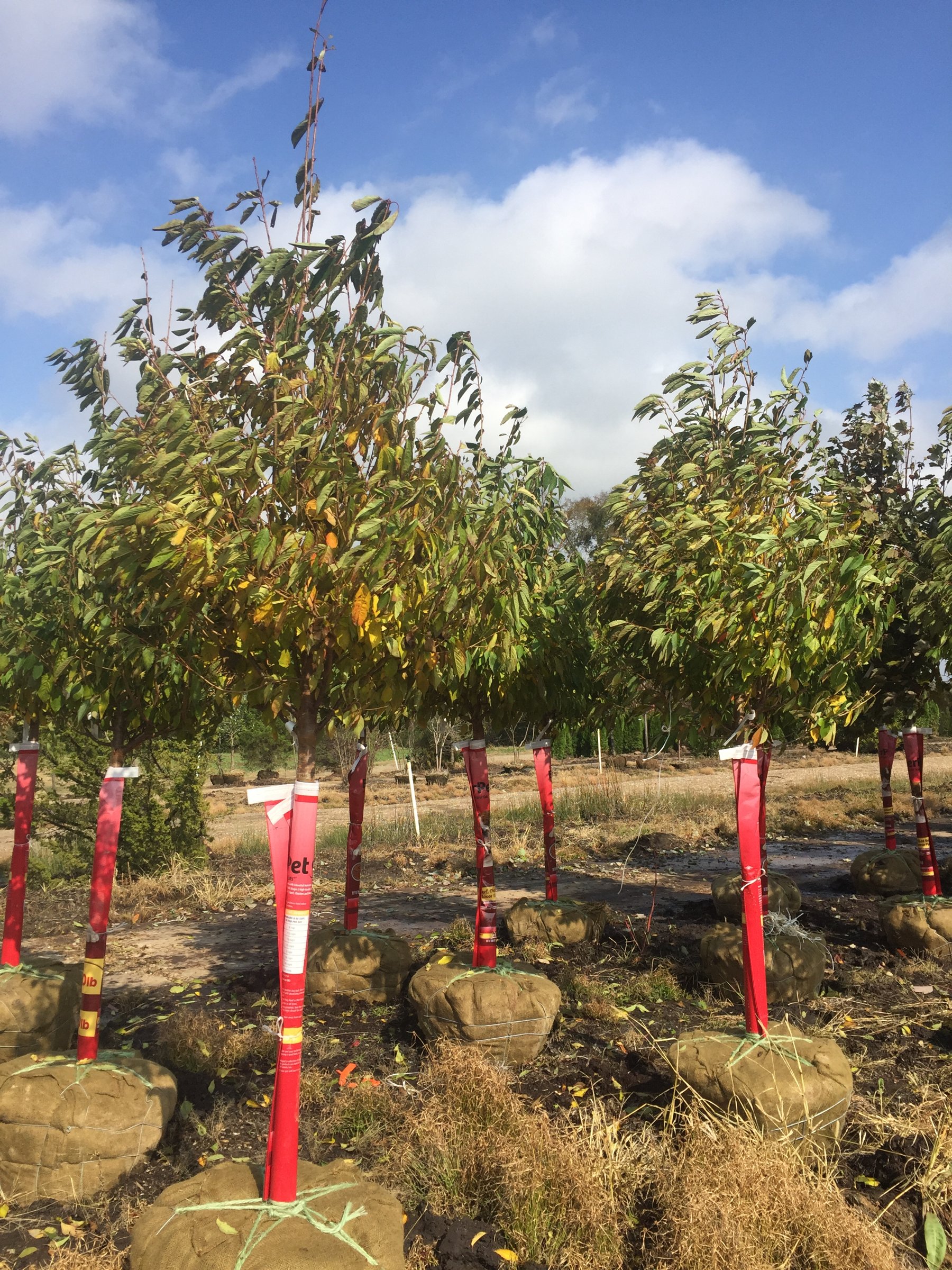
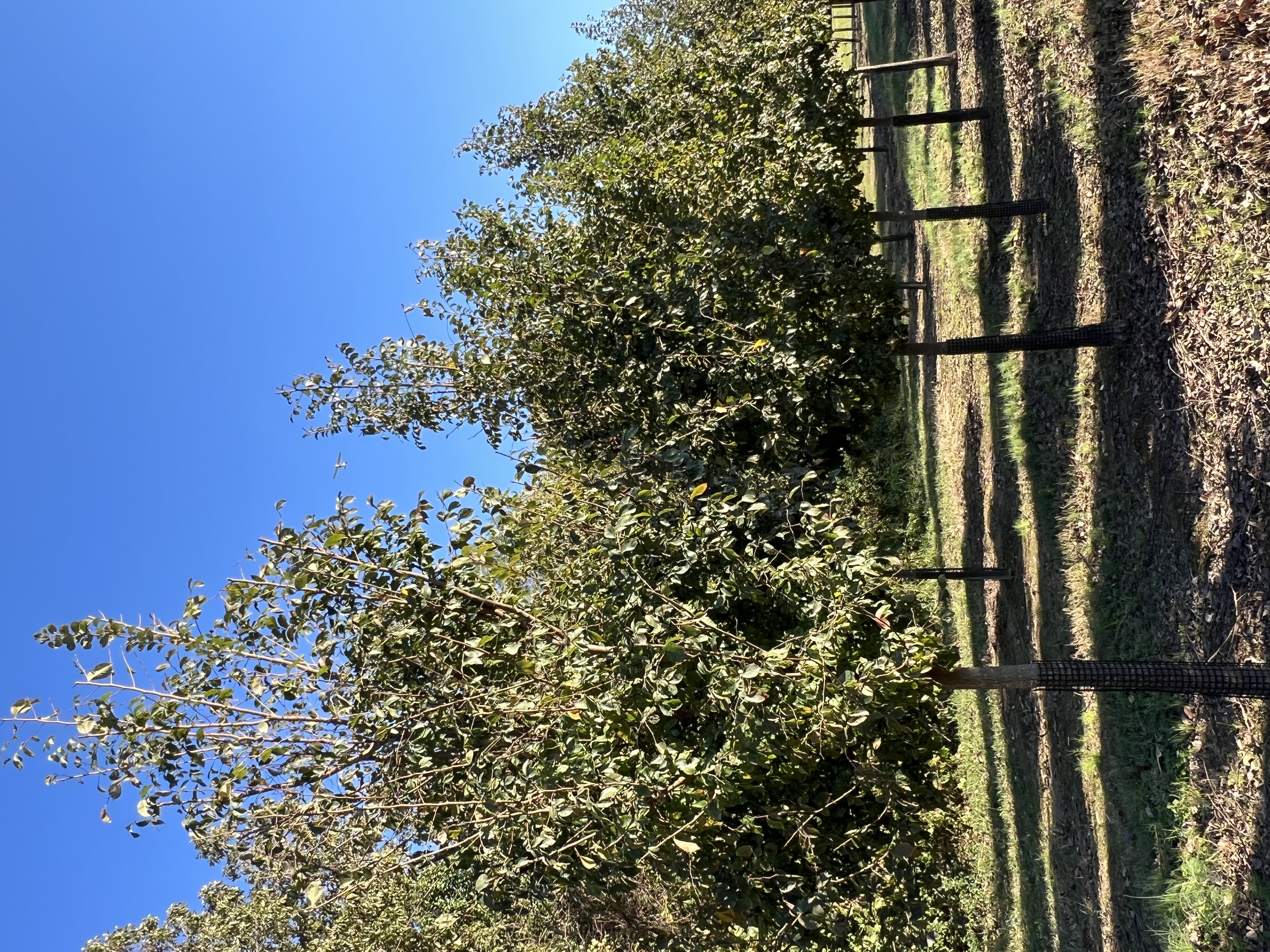
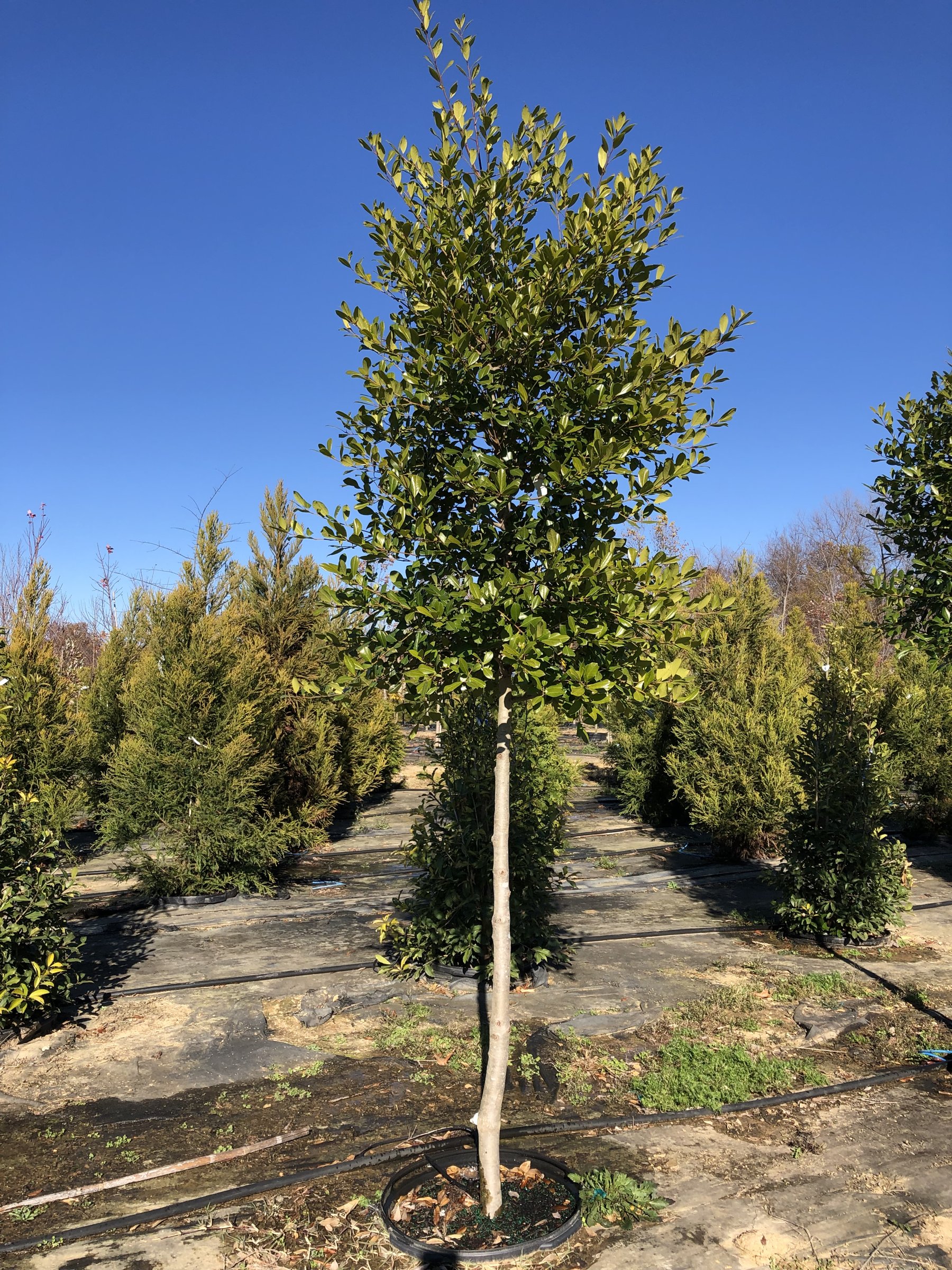
American hornbeam is a deciduous tree in the birch family native to eastern North America, found naturally on moist ground along streambanks, riverbanks and in maritime forests. It grows slowly to about 20 to 30 feet tall and 20 to 35 feet wide as a clumping, multi stemmed understory tree, with doubly serrate leaves that turn orange and red in fall and smooth bluish gray bark fluted like a flexed muscle. Spring catkins give way to small nutlets on leafy three lobed bracts that feed songbirds, grouse, turkeys and squirrels. It tolerates deep shade, wet soil, dry soil, black walnut and urban conditions.
- Full Shade
- Grows to 30 ft tall and 35 ft wide
- Blooms in spring
- Hardy in USDA zones 3-9
- Deciduous foliage
- Native plant
Plant description
American hornbeam is a deciduous tree in the birch family native to eastern North America, found naturally on moist ground along streambanks, riverbanks and in maritime forests. It grows slowly to about 20 to 30 feet tall and 20 to 35 feet wide as a clumping, multi stemmed understory tree, with doubly serrate leaves that turn orange and red in fall and smooth bluish gray bark fluted like a flexed muscle. Spring catkins give way to small nutlets on leafy three lobed bracts that feed songbirds, grouse, turkeys and squirrels. It tolerates deep shade, wet soil, dry soil, black walnut and urban conditions.
- Flowers
- Monoecious, with male catkins 1 to 2.5 inches long and female catkins about three quarters of an inch long carrying 3 lobed bracts.
- Foliage
- Alternate, simple, 2.5 to 5 inches long, ovate oblong and doubly serrate, with a dull bluish green surface and a paler underside.
- Fruit
- The nutlet is a third of an inch long and is attached to a leaf like, 3 lobed green scale that helps it to be carried by the wind.
- Bark & stems
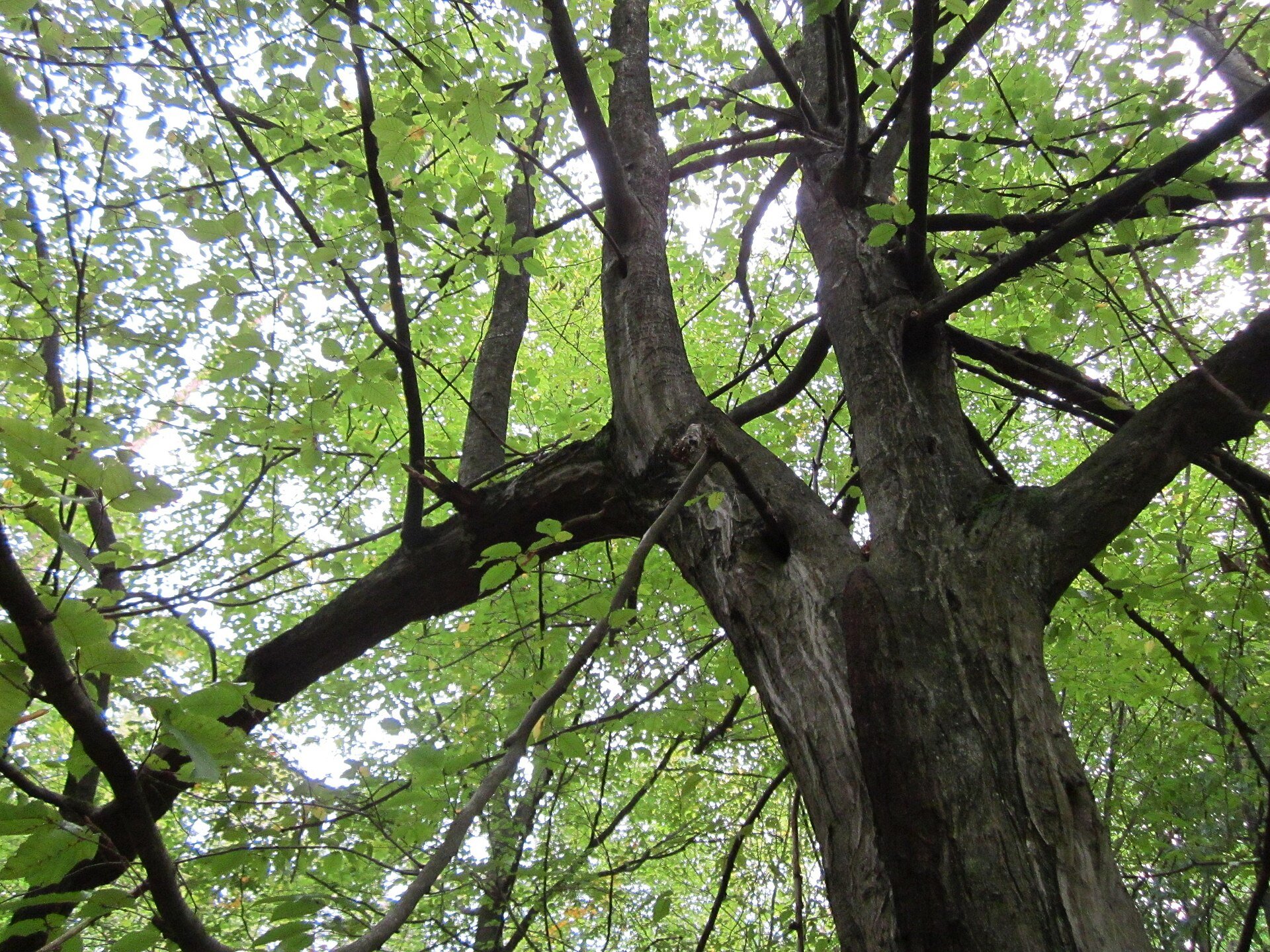
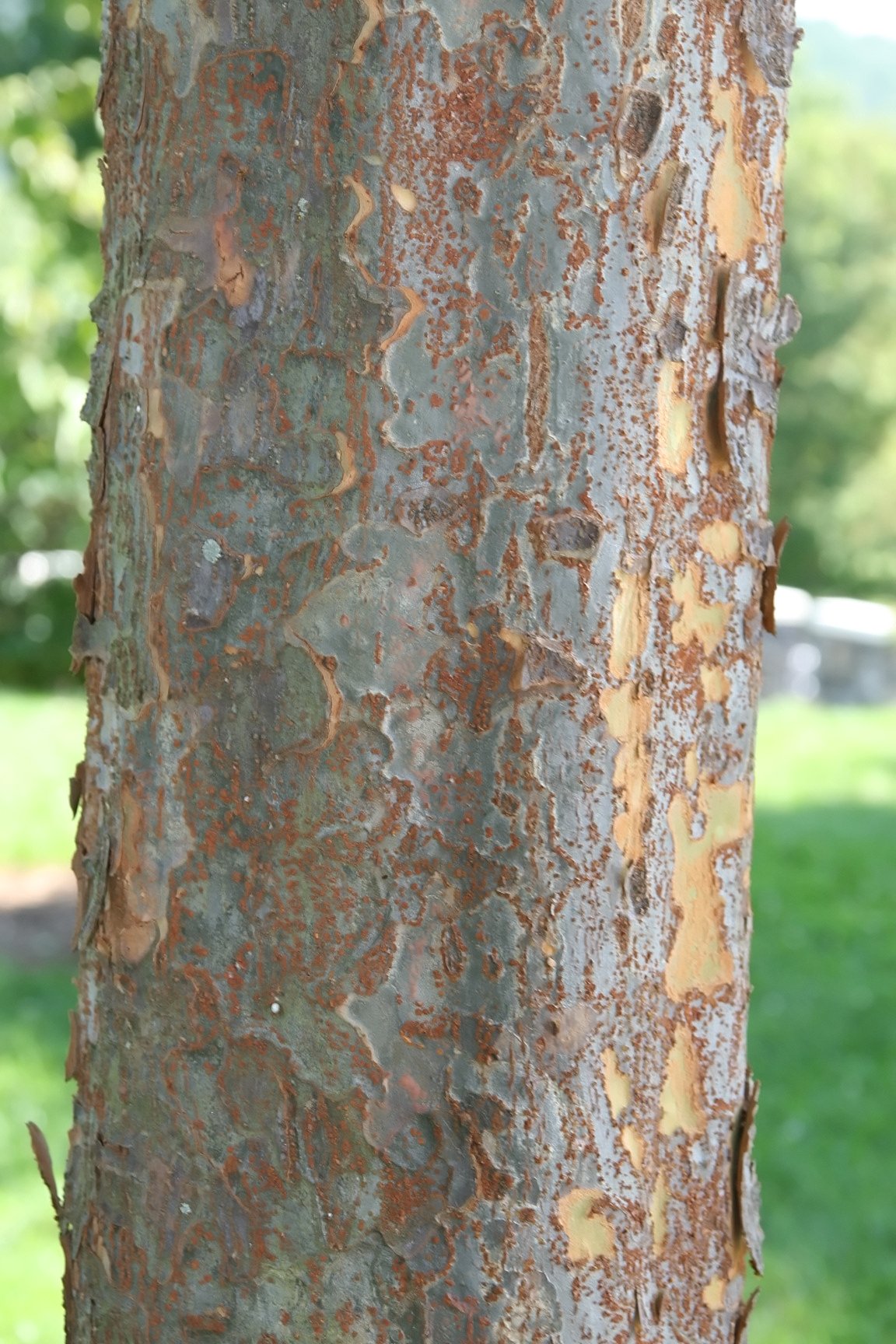
- Smooth, tight, thin and bluish gray stretched over an irregularly ridged trunk; older branches develop a slate gray, smooth, irregularly fluted appearance similar to a flexed bicep muscle.
- Light
- Dappled/Filtered Light, Deep Shade
- Native range
- E. Canada to SE. U.S.A., NC