

Plant: Burr Oak Tree
Oak Tree · Quercus macrocarpa
Size: 15 gal
Light
Bloom
Mature size
More about this plant
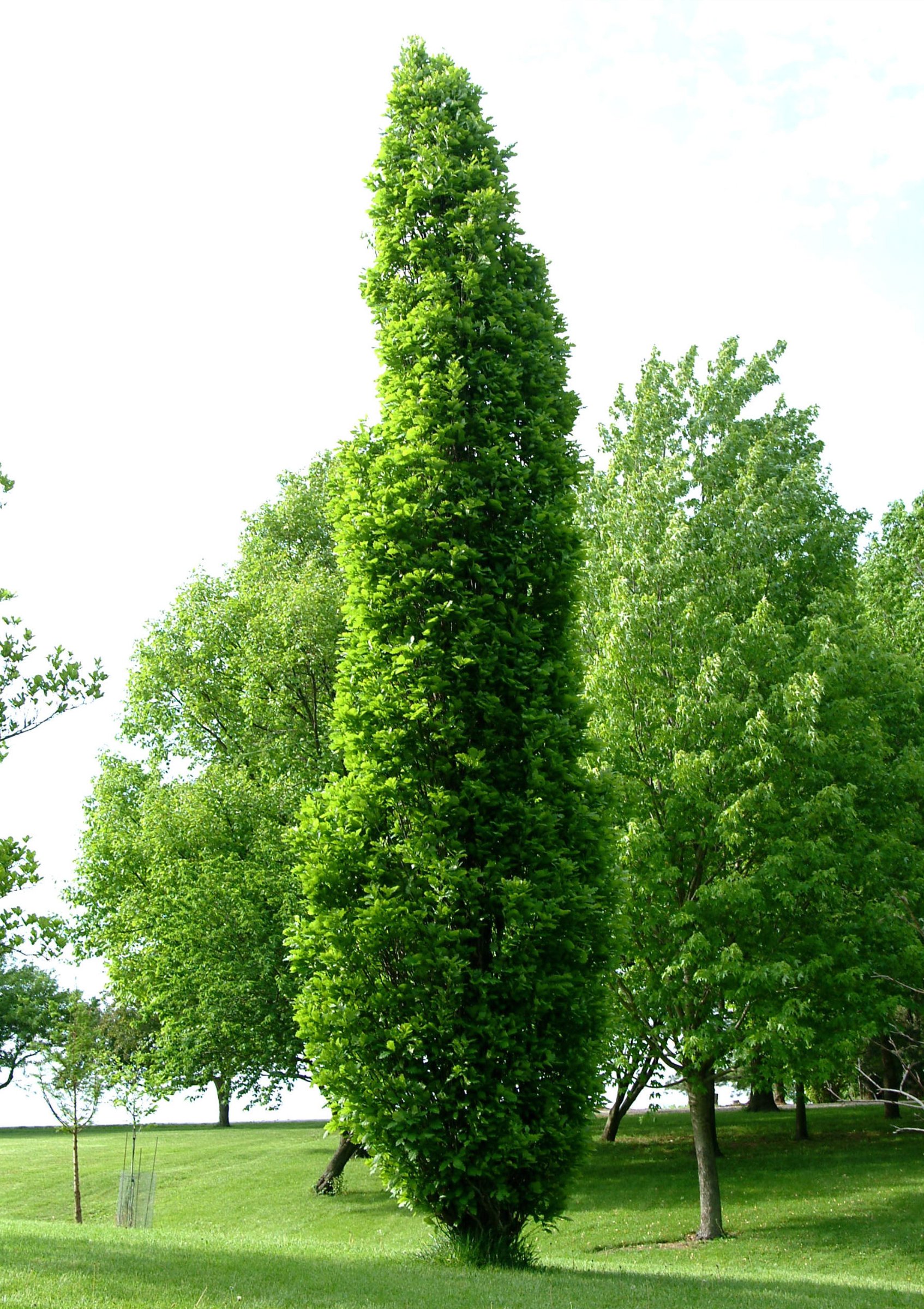
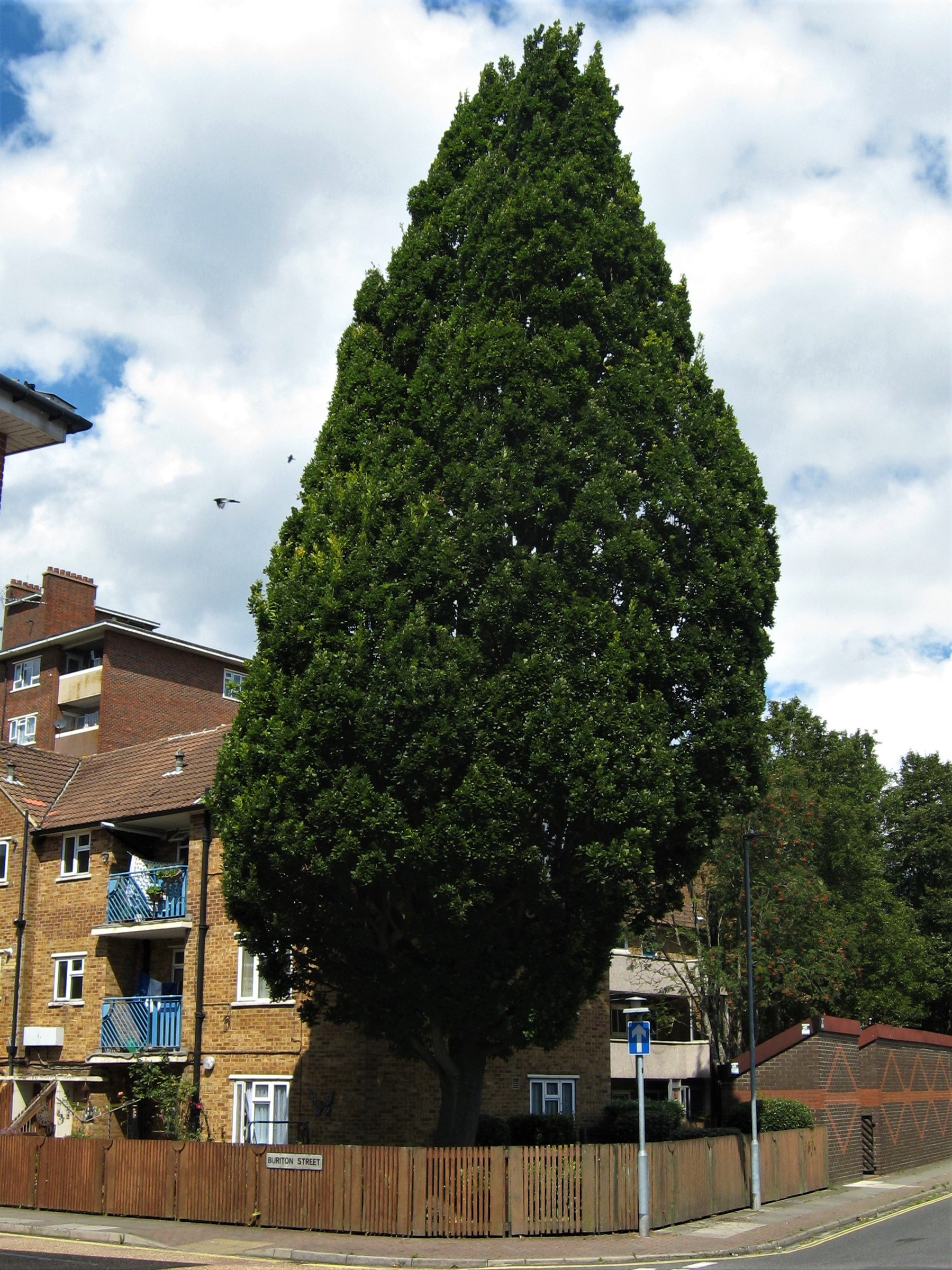
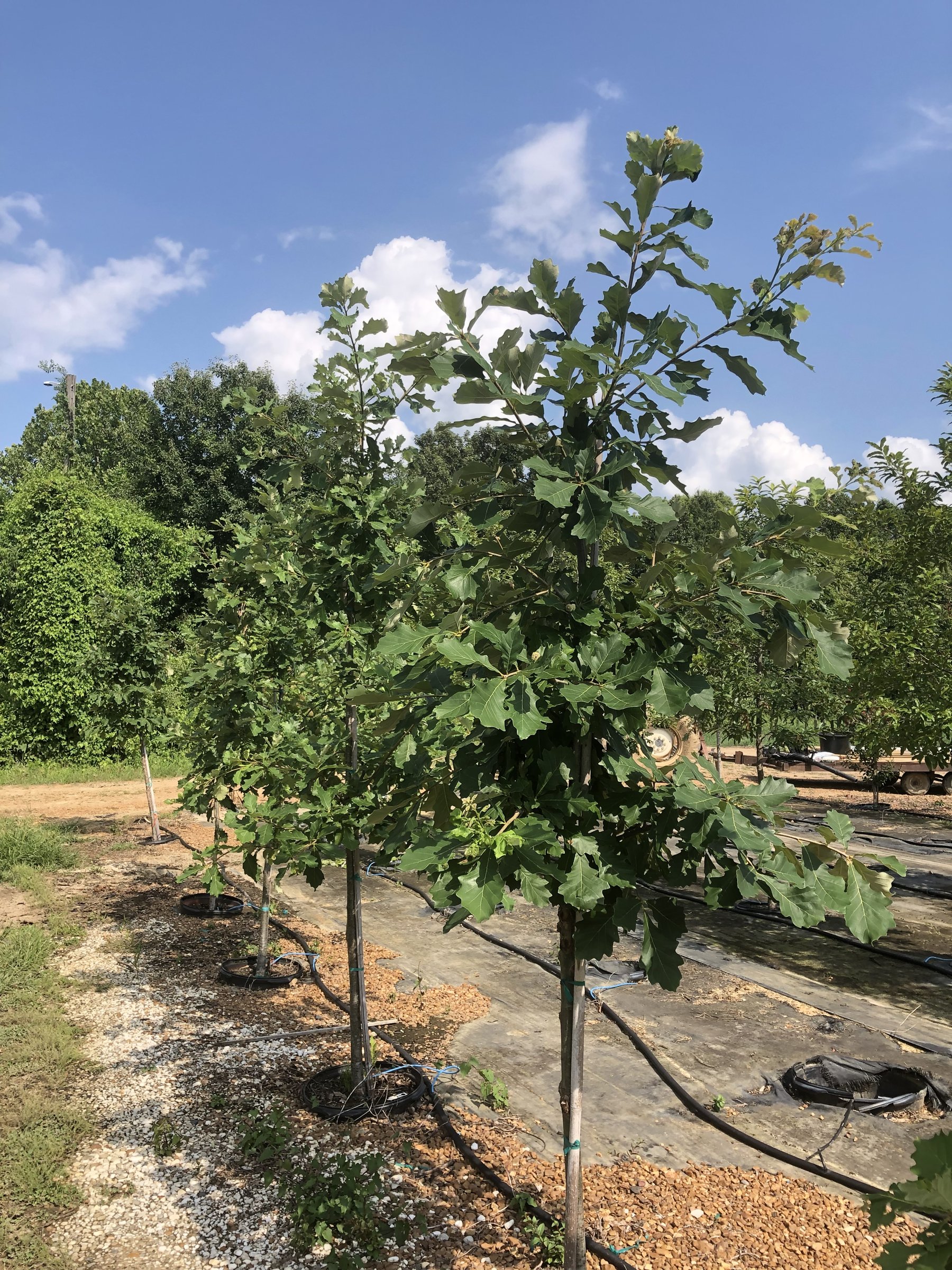
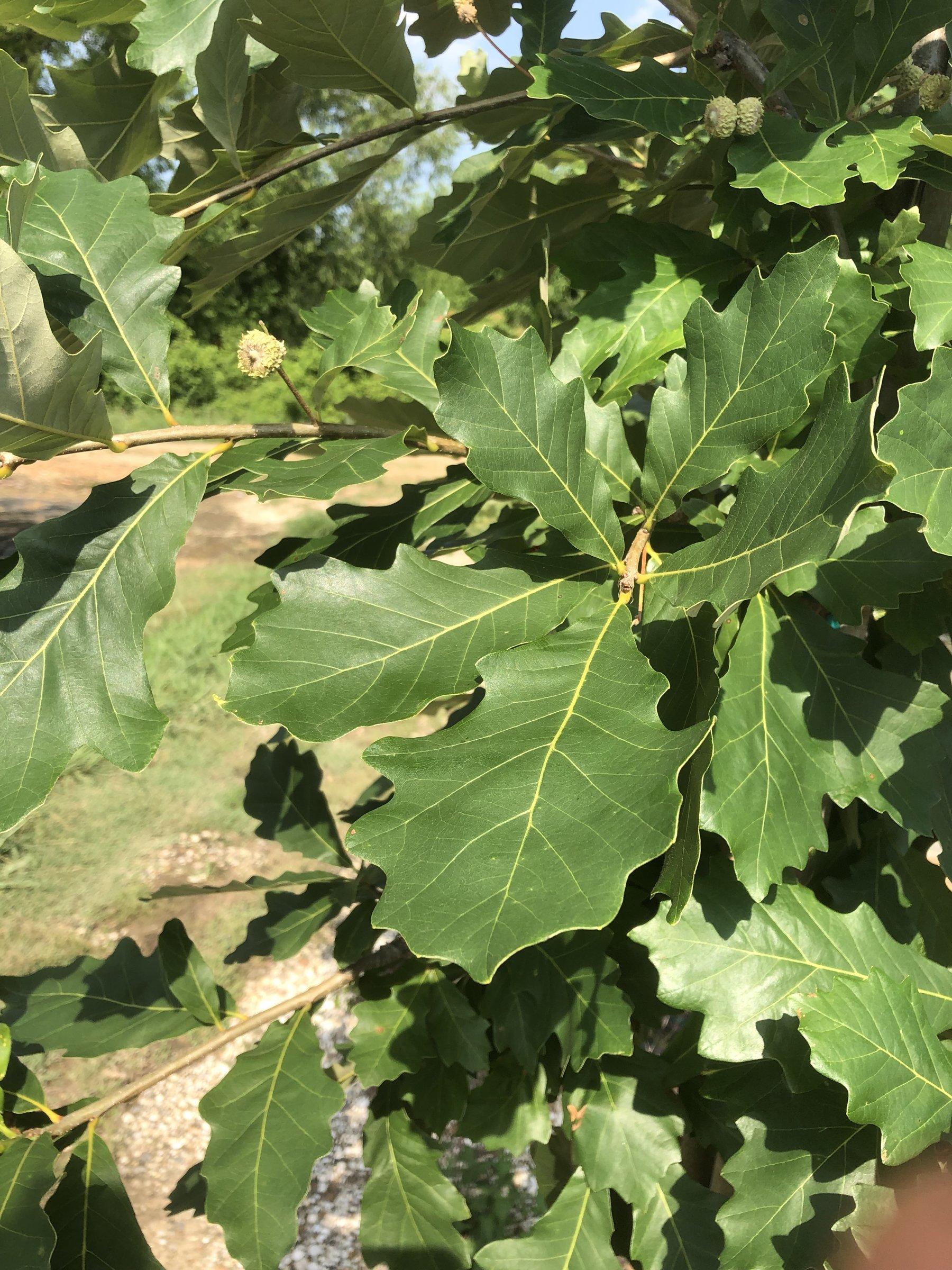
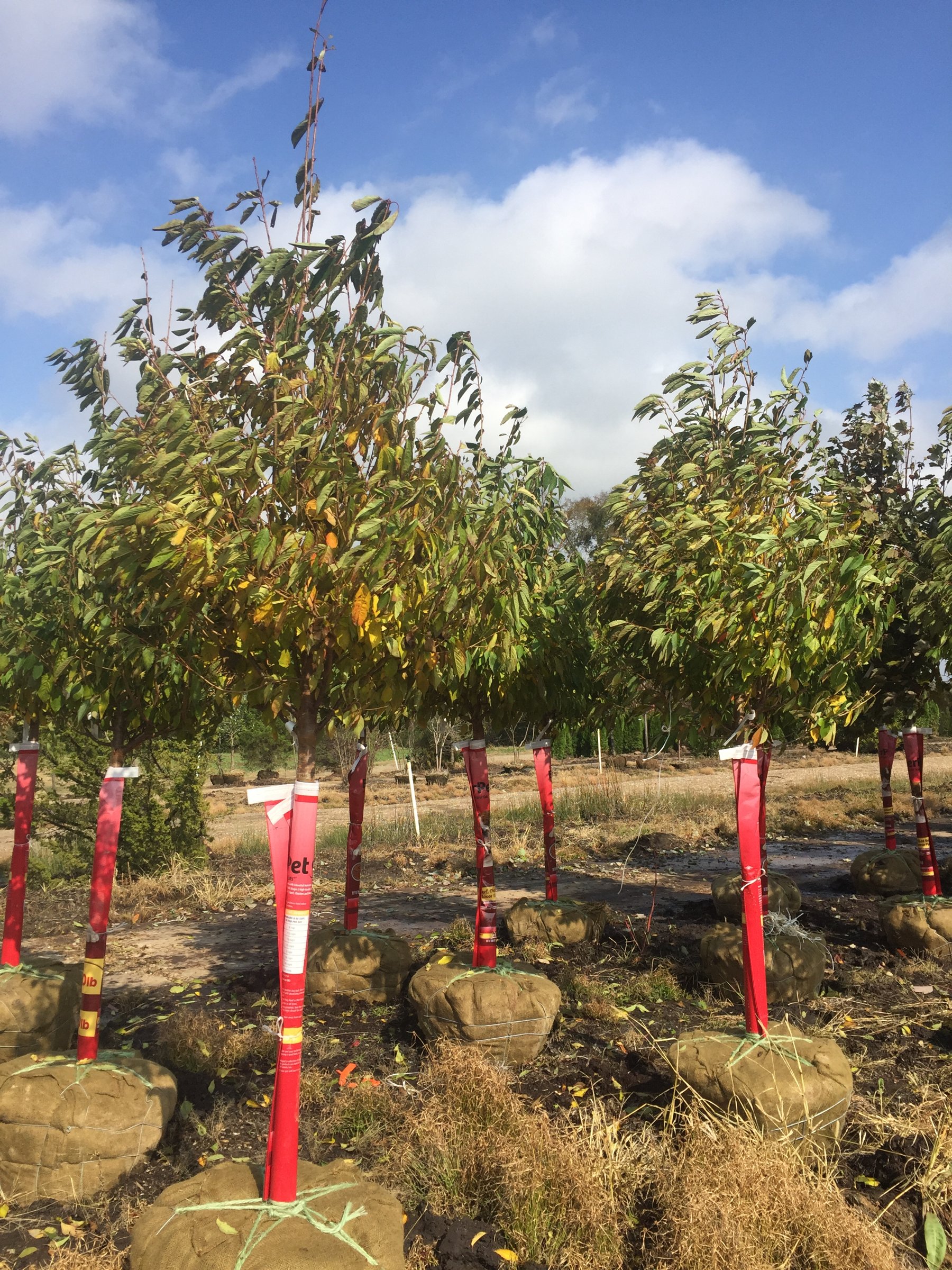
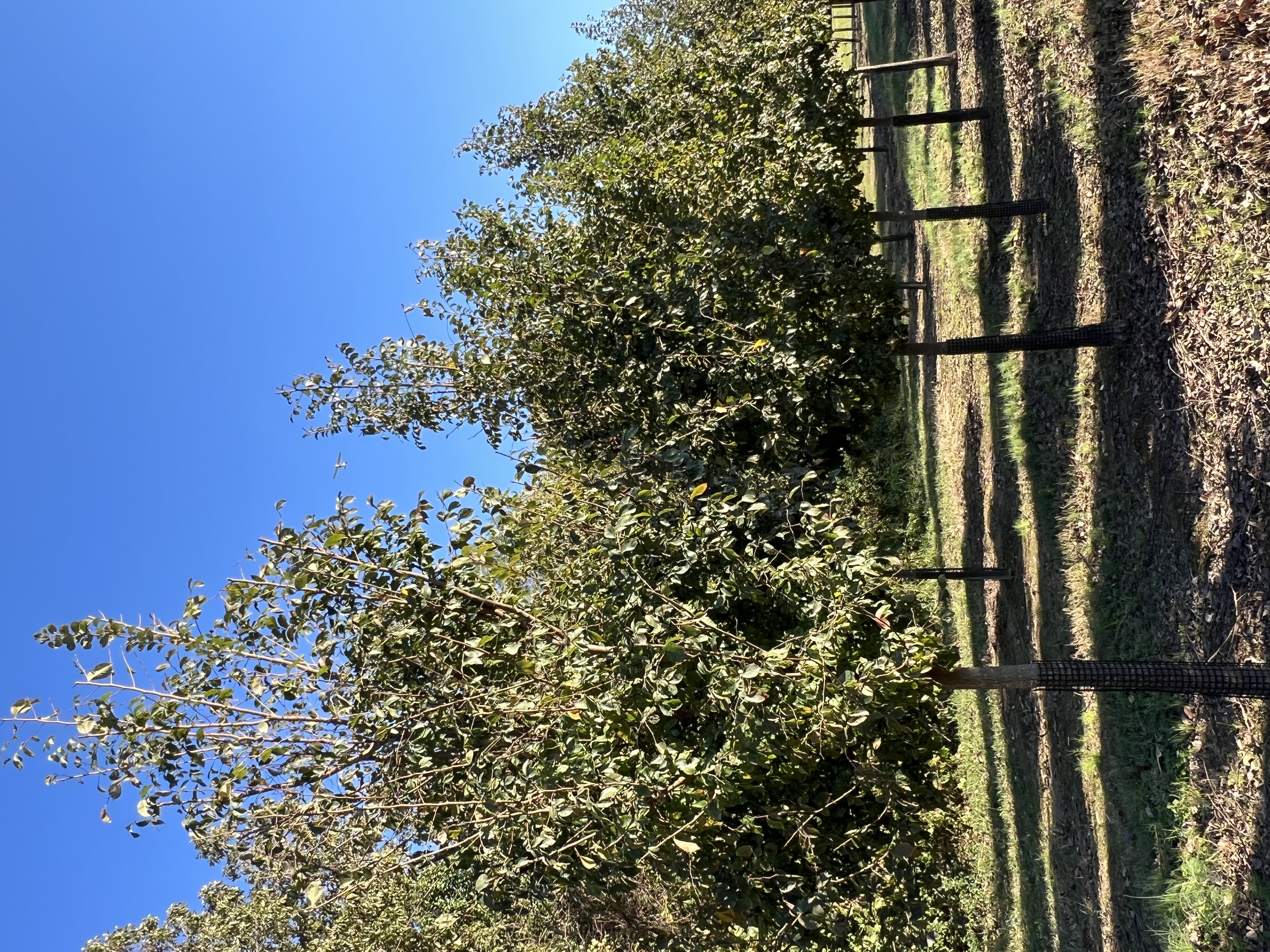
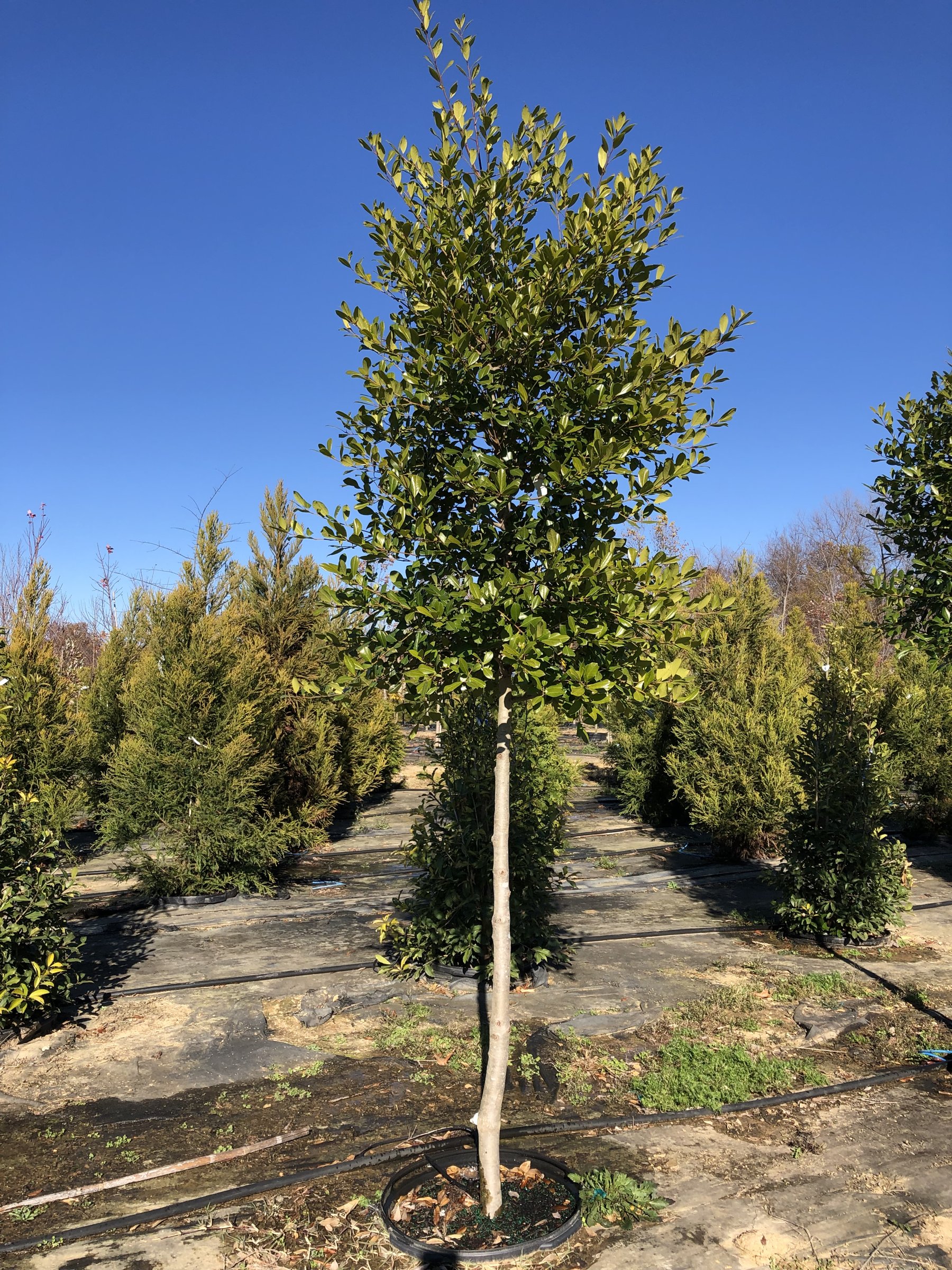
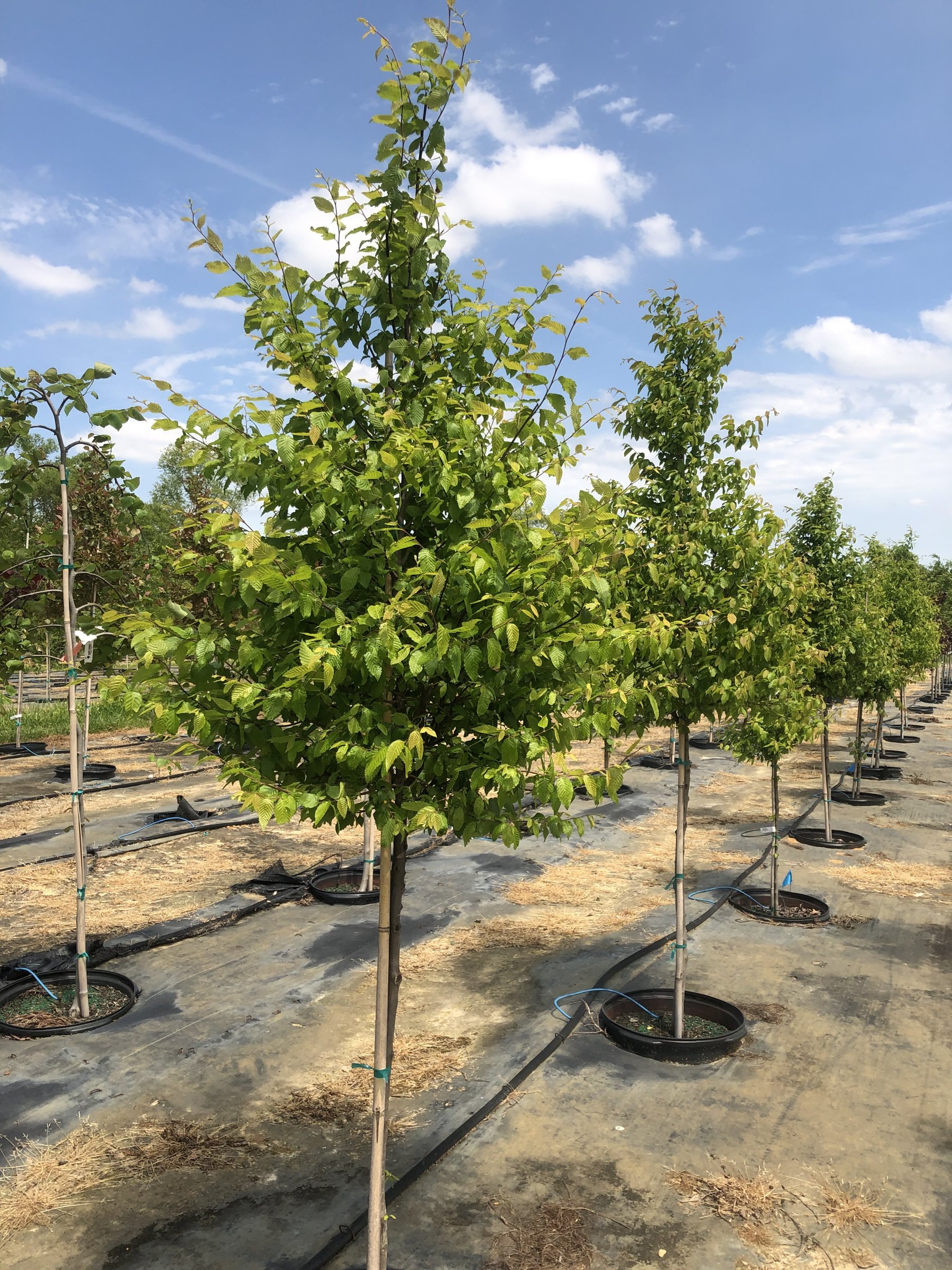
Bur oak is a large, long lived native shade tree reaching 70 to 80 feet tall and wide with an open, rounded, spreading crown and strong branches. Leathery dark green leaves 6 to 12 inches long turn brown and gold in fall, and the distinctive acorns sit in deeply fringed mossy cups. Catkins appear in spring. It grows in clay, loam or sand with good drainage, favours neutral to alkaline soil, and tolerates drought, deer and air pollution while staying free of serious pests. Give it room: it suits large yards, parks and open areas as a shade tree, specimen or street tree. Acorns and leaves cause stomach upset if eaten.
- Full Sun
- Grows to 80 ft tall and 80 ft wide
- Blooms in spring
- Hardy in USDA zones 3-8
- Deciduous foliage
- Native plant
Plant description
Bur oak is a large, long lived native shade tree reaching 70 to 80 feet tall and wide with an open, rounded, spreading crown and strong branches. Leathery dark green leaves 6 to 12 inches long turn brown and gold in fall, and the distinctive acorns sit in deeply fringed mossy cups. Catkins appear in spring. It grows in clay, loam or sand with good drainage, favours neutral to alkaline soil, and tolerates drought, deer and air pollution while staying free of serious pests. Give it room: it suits large yards, parks and open areas as a shade tree, specimen or street tree. Acorns and leaves cause stomach upset if eaten.
- Foliage
- Leathery dark green leaves 6 to 12 inches long and 3 to 6 inches wide with deep lobes, greyish green beneath, turning brown and gold in fall.
- Fruit
- Large acorns with a quarter to a half of the nut enclosed in a deeply fringed, mossy looking cup.
- Bark & stems
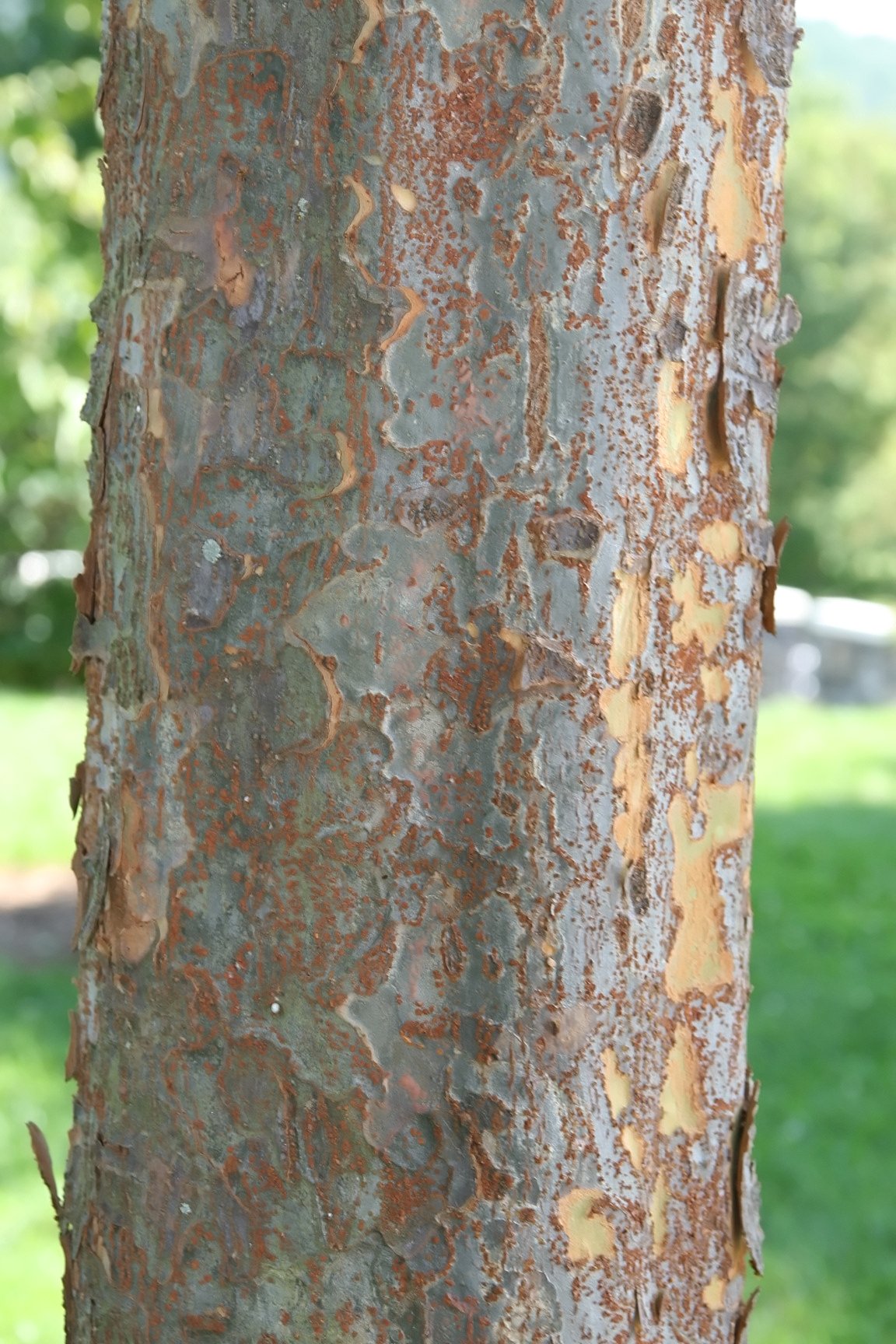
- Grey bark, very deeply furrowed and grooved with age, on stout twigs with corky ridges.
- Native range
- Central and eastern North America