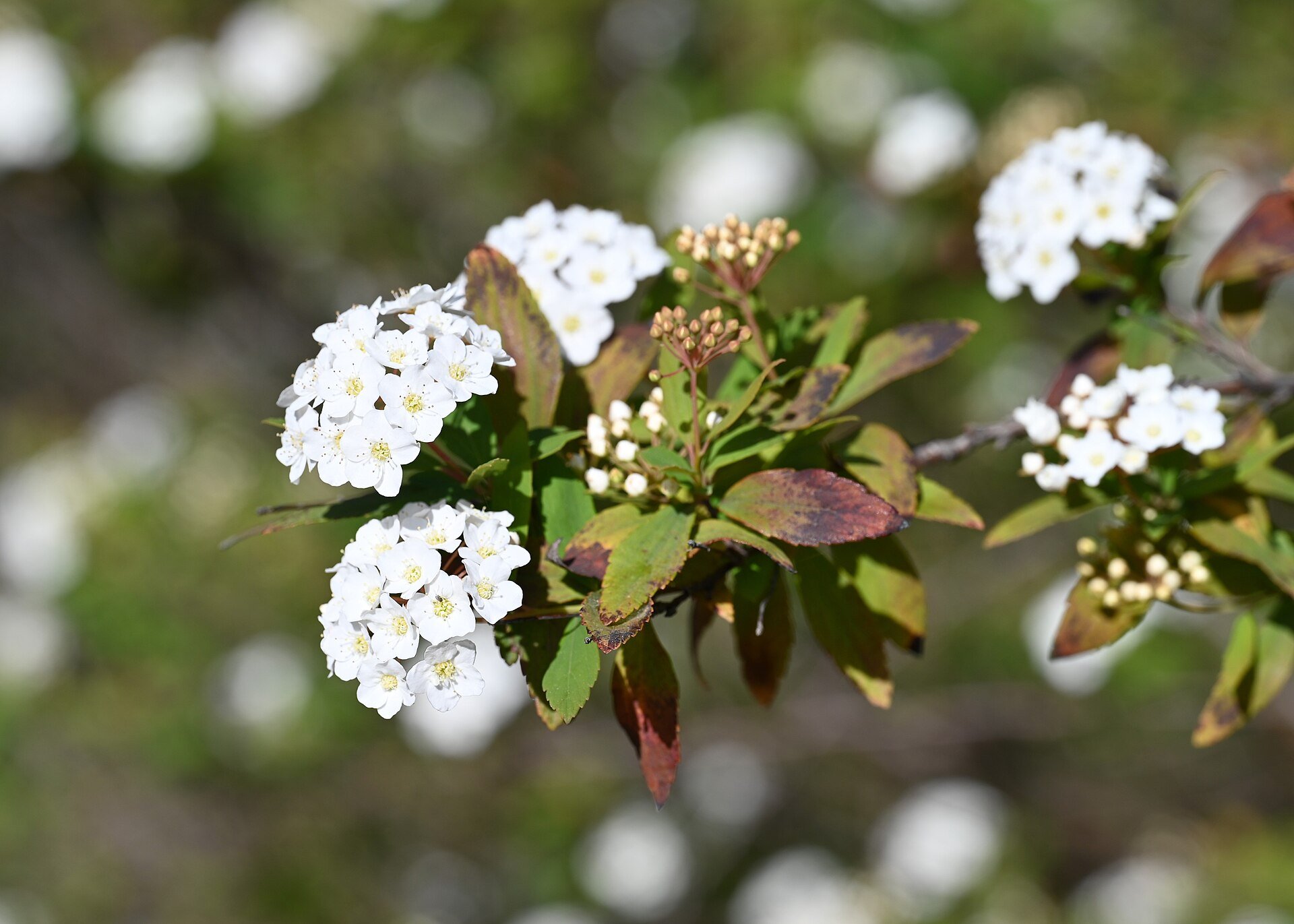


Plant: Double Play® Candy Corn® Spirea
Spirea · Spiraea japonica 'NCSX1'
Size: 3 gal
Light
Bloom
Mature size
More about this plant
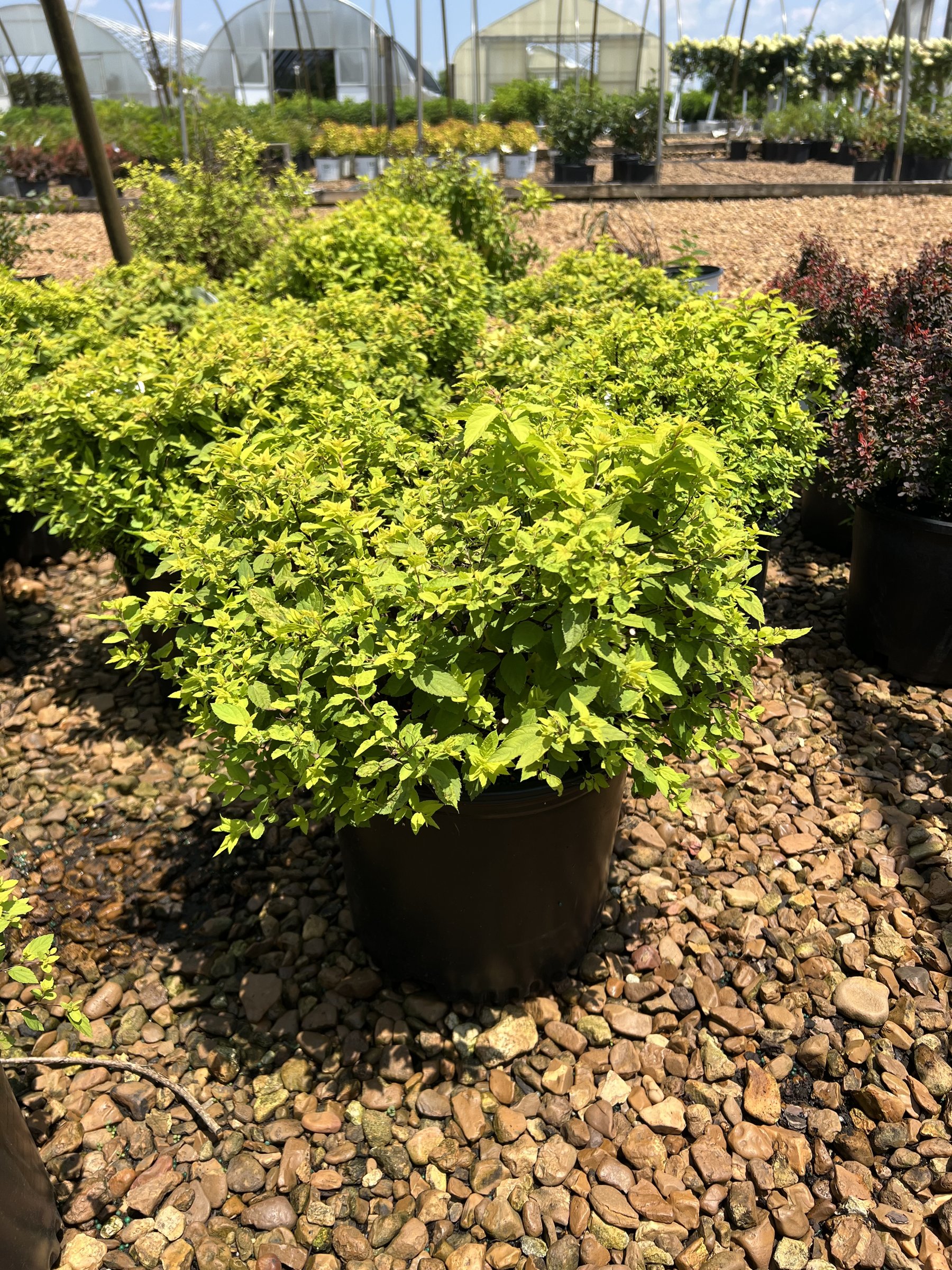
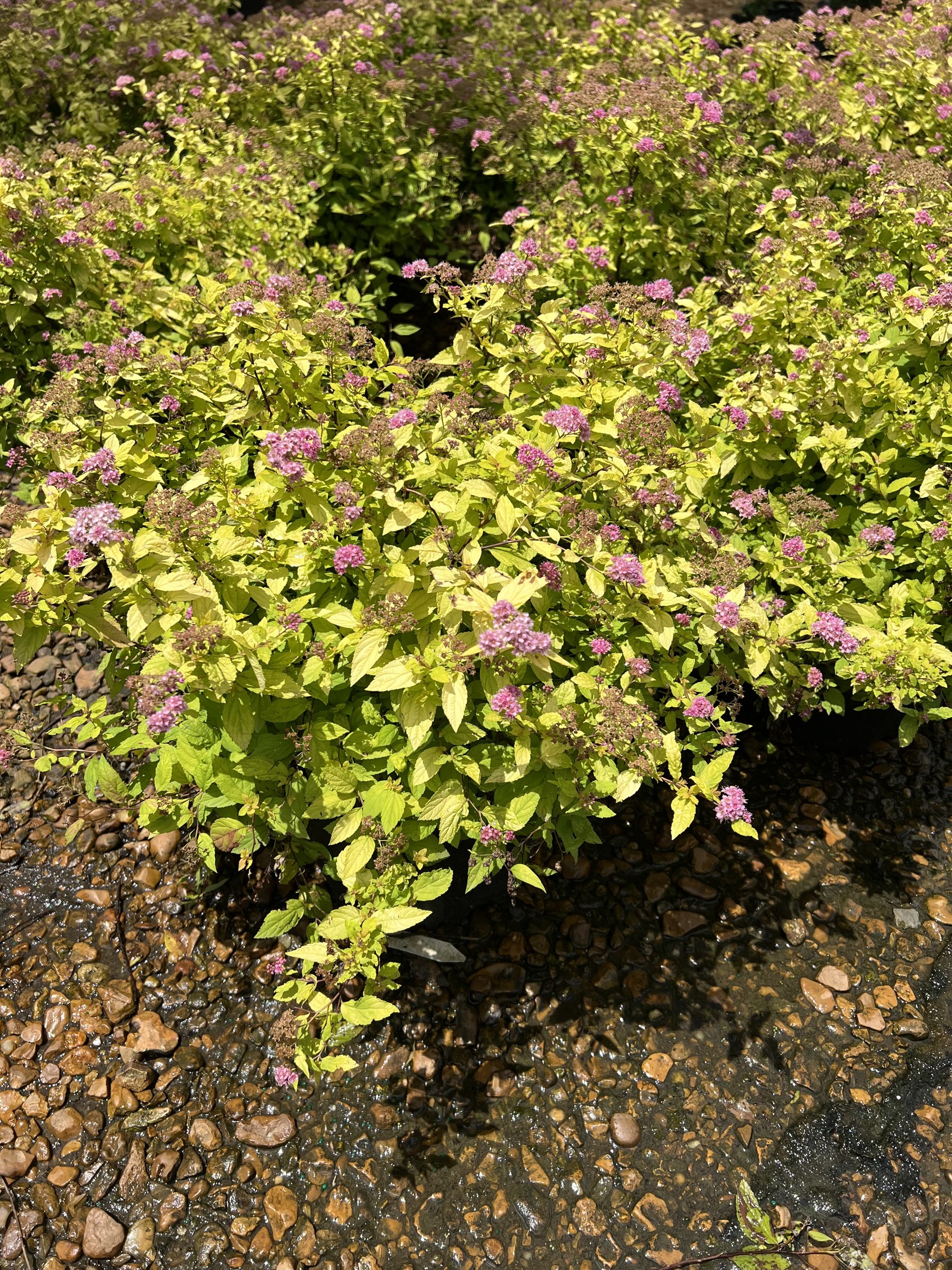
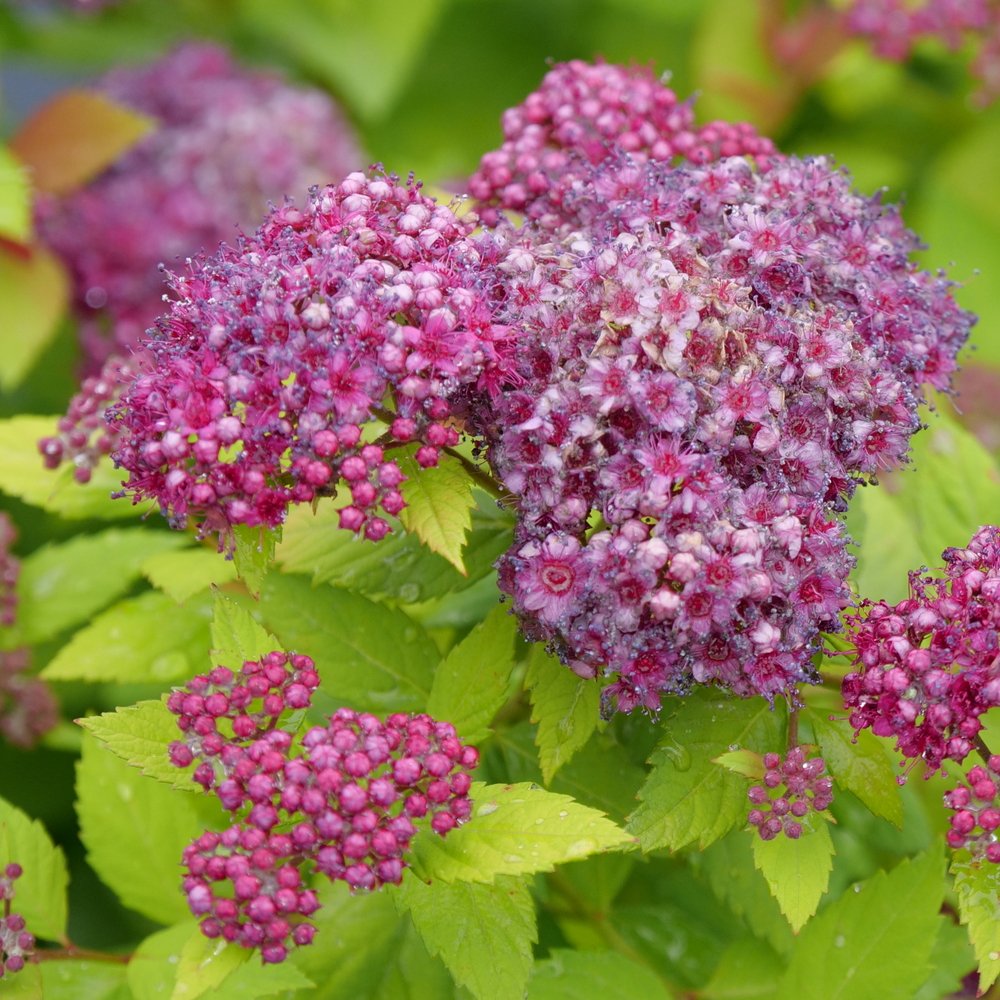
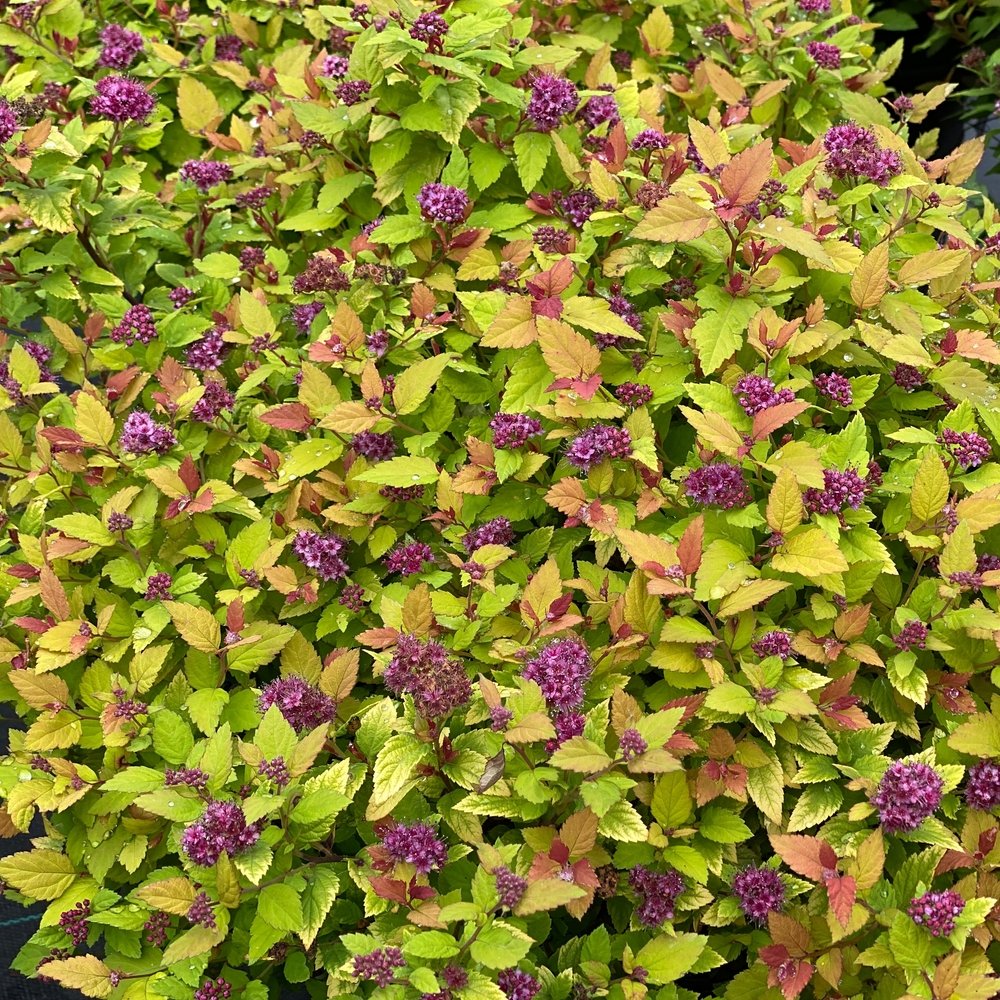
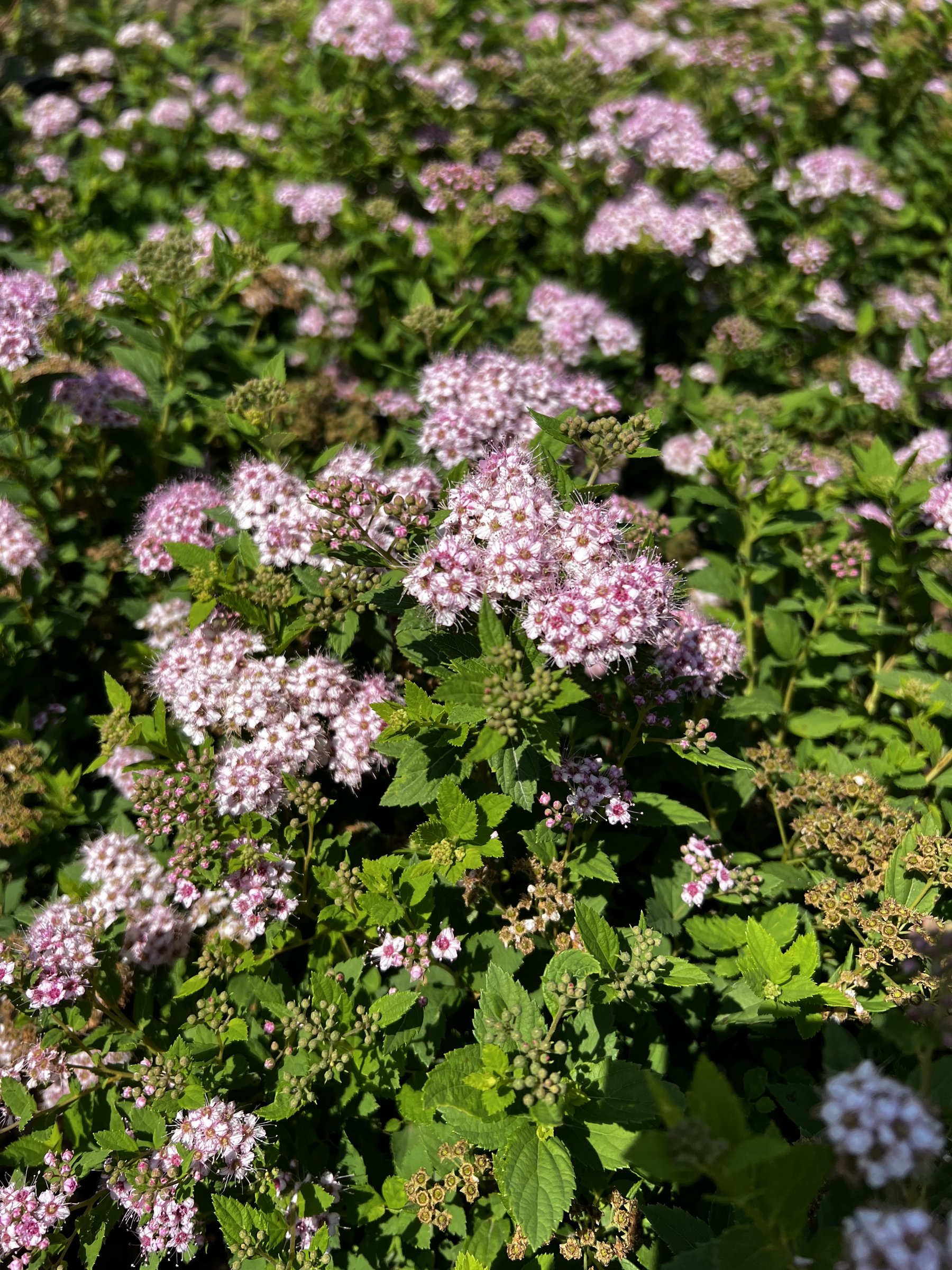
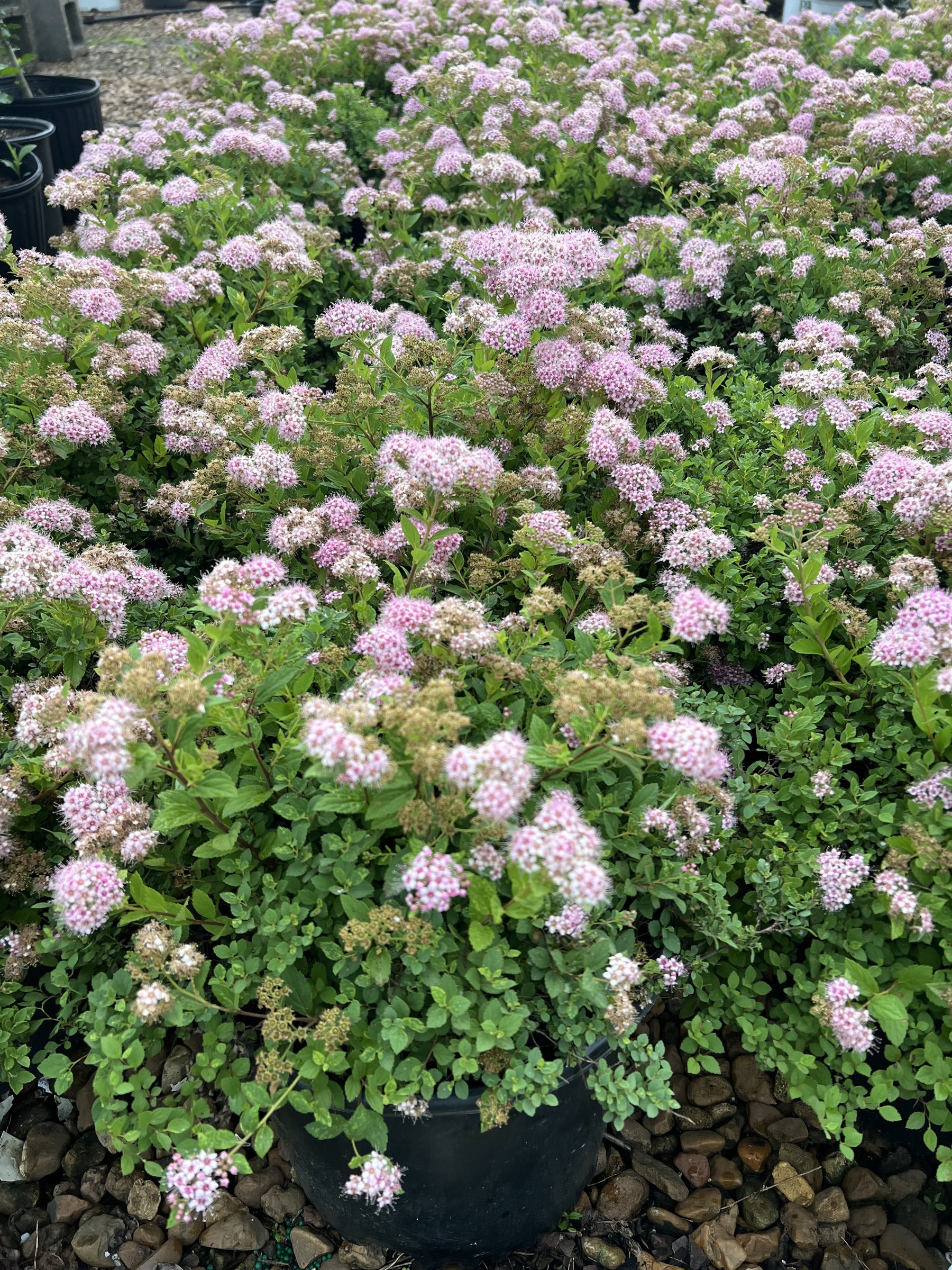
<p>Double Play Candy Corn is a patented spirea bred by Dr. Tom Ranney at NC State, a compact mounding shrub 1.5 to 2 feet tall and 2 to 2.5 feet wide grown for three seasons of foliage colour. New growth emerges red and matures through yellow and orange, and dark purple flat topped corymbs open on new wood from late spring into early summer. It takes full sun to partial shade, clay through sand with good drainage, is drought tolerant once established, and is generally left alone by deer and rabbits, which suits patios, walkways and small spaces. Aphids are the main pest. Note that Clemson does not recommend Japanese spirea or its cultivars in the Southeast because the species is invasive there.</p>
- Full Sun
- Grows to 2 ft tall and 2.5 ft wide
- Blooms in spring, summer
- Hardy in USDA zones 4-9
- Deciduous foliage
Plant description
<p>Double Play Candy Corn is a patented spirea bred by Dr. Tom Ranney at NC State, a compact mounding shrub 1.5 to 2 feet tall and 2 to 2.5 feet wide grown for three seasons of foliage colour. New growth emerges red and matures through yellow and orange, and dark purple flat topped corymbs open on new wood from late spring into early summer. It takes full sun to partial shade, clay through sand with good drainage, is drought tolerant once established, and is generally left alone by deer and rabbits, which suits patios, walkways and small spaces. Aphids are the main pest. Note that Clemson does not recommend Japanese spirea or its cultivars in the Southeast because the species is invasive there.</p>
- Flowers
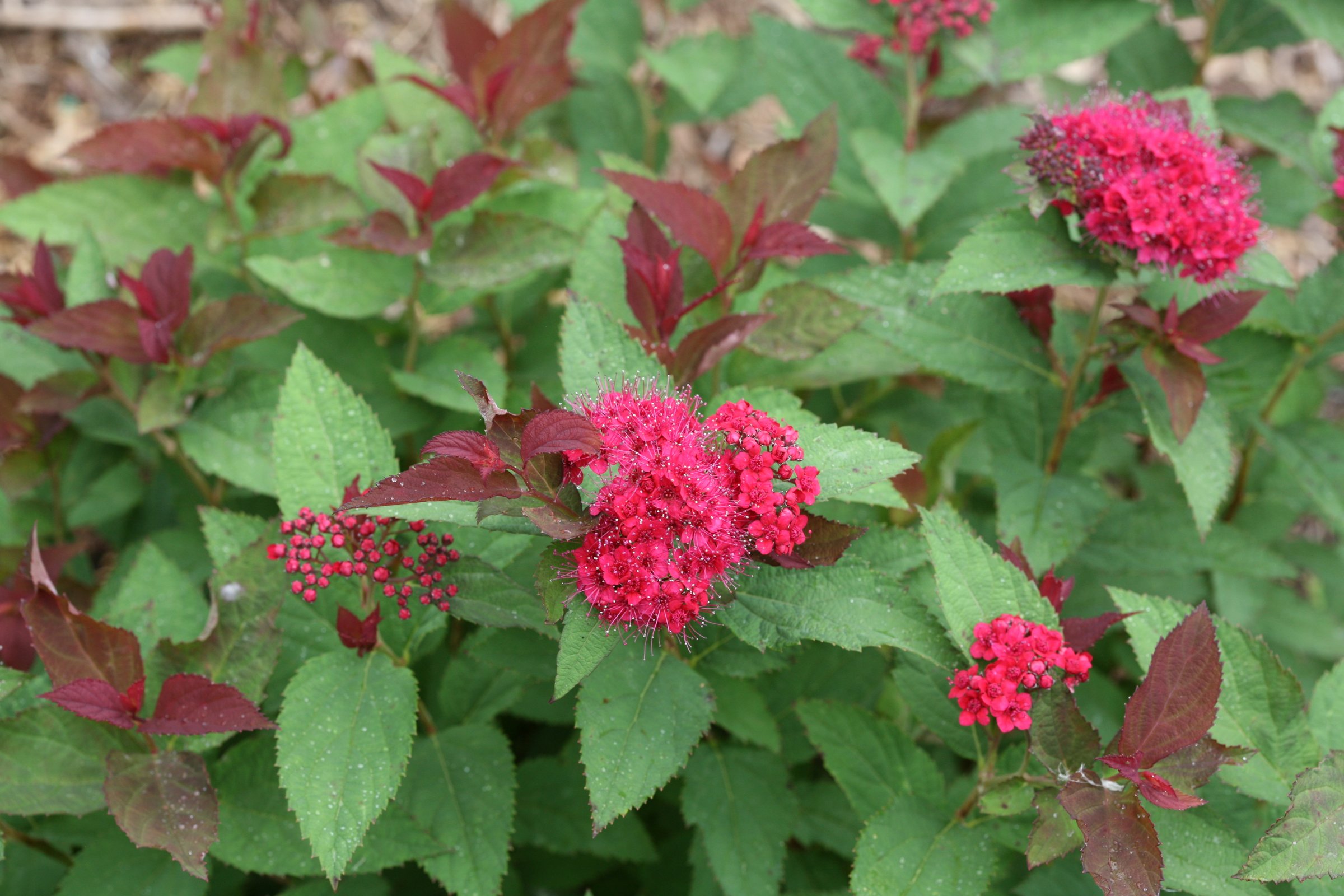
- Dark purple clusters on terminal flat topped corymbs up to 8 inches across, blooming on new wood from late spring into early summer with a mild fragrance.
- Foliage
- New growth emerges red then turns yellow and orange, 1 to 3 inches long, lanceolate to ovate with serrate to doubly serrate margins.
- Native range
- Japan and China