Plant: White Dogwood Tree
Dogwood Tree · Cornus florida
Size: 5 gal
Light
Bloom
Mature size
More about this plant
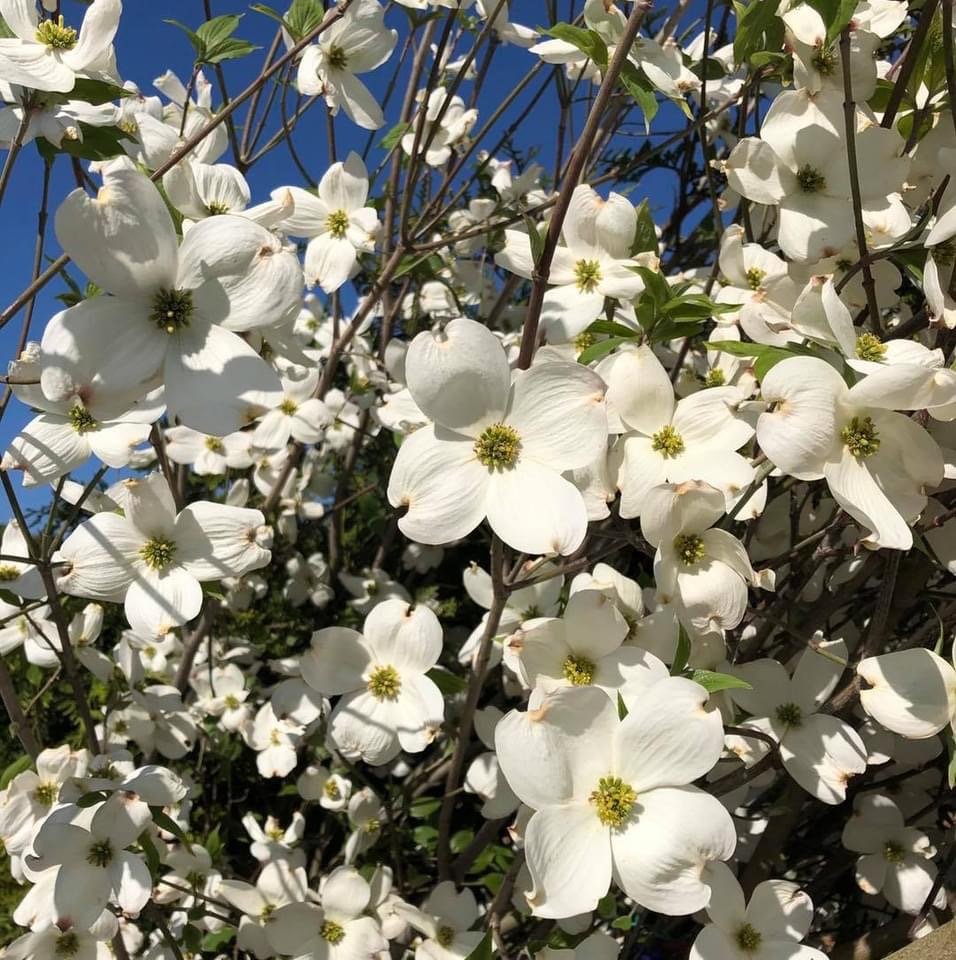
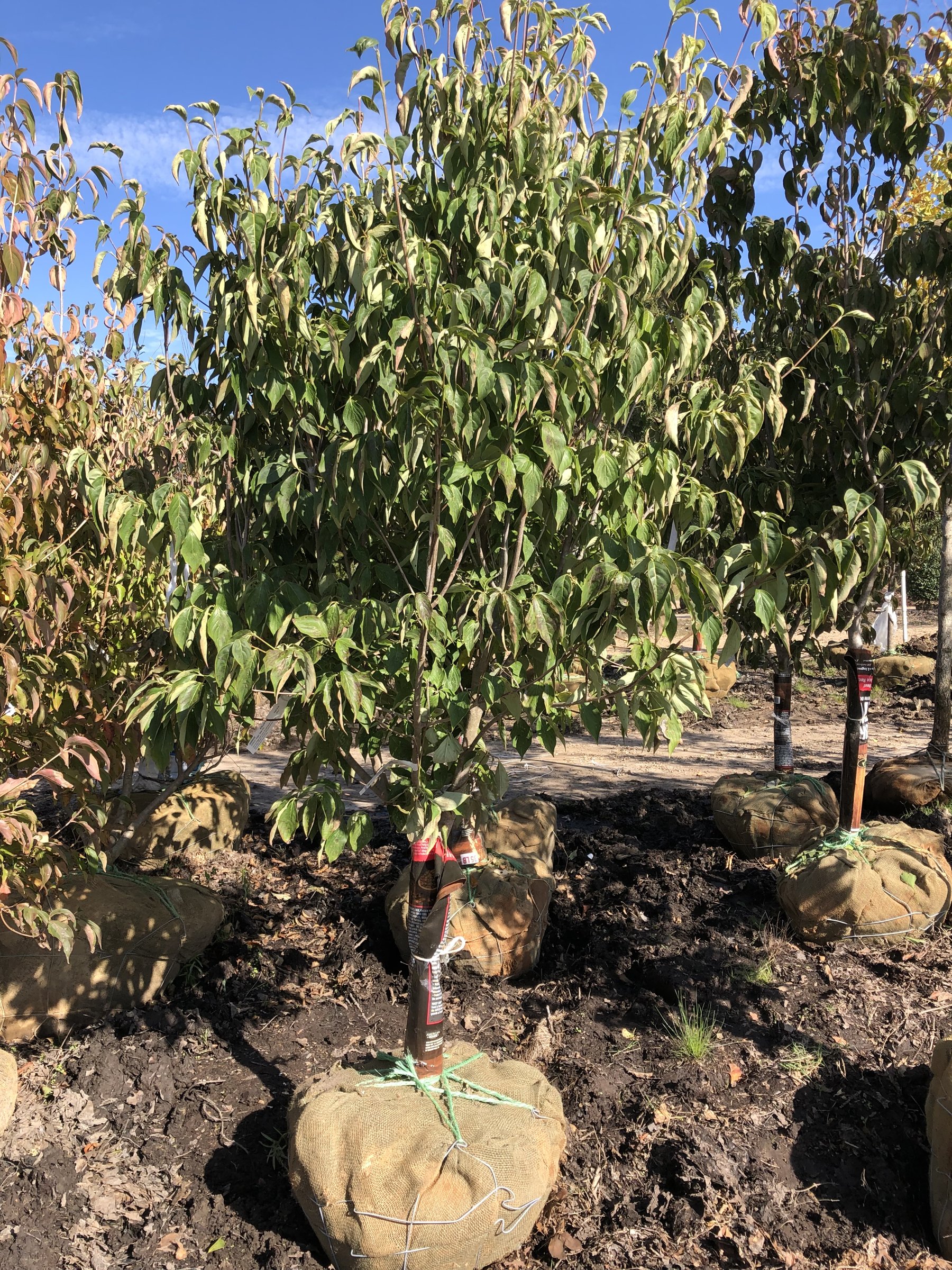
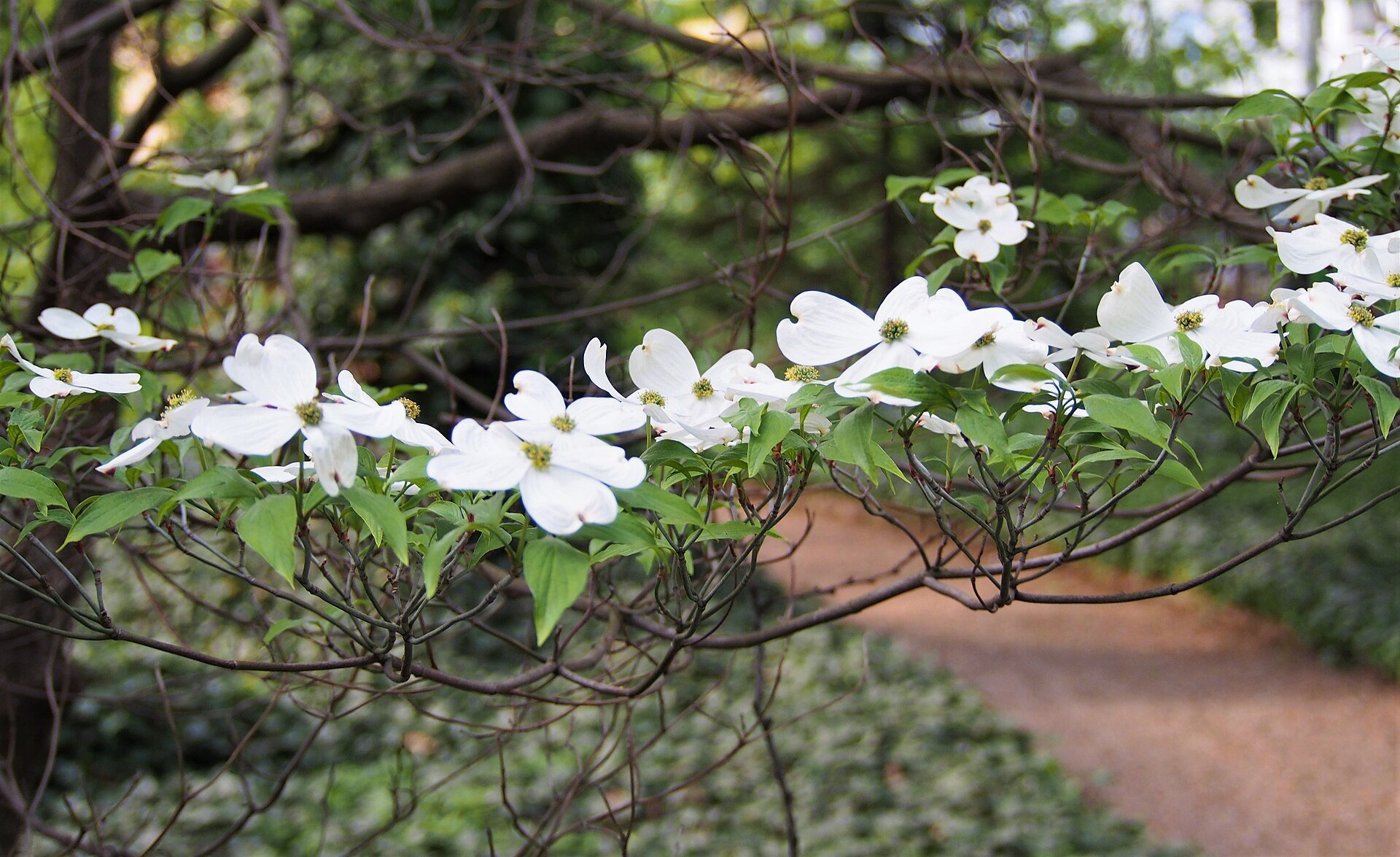
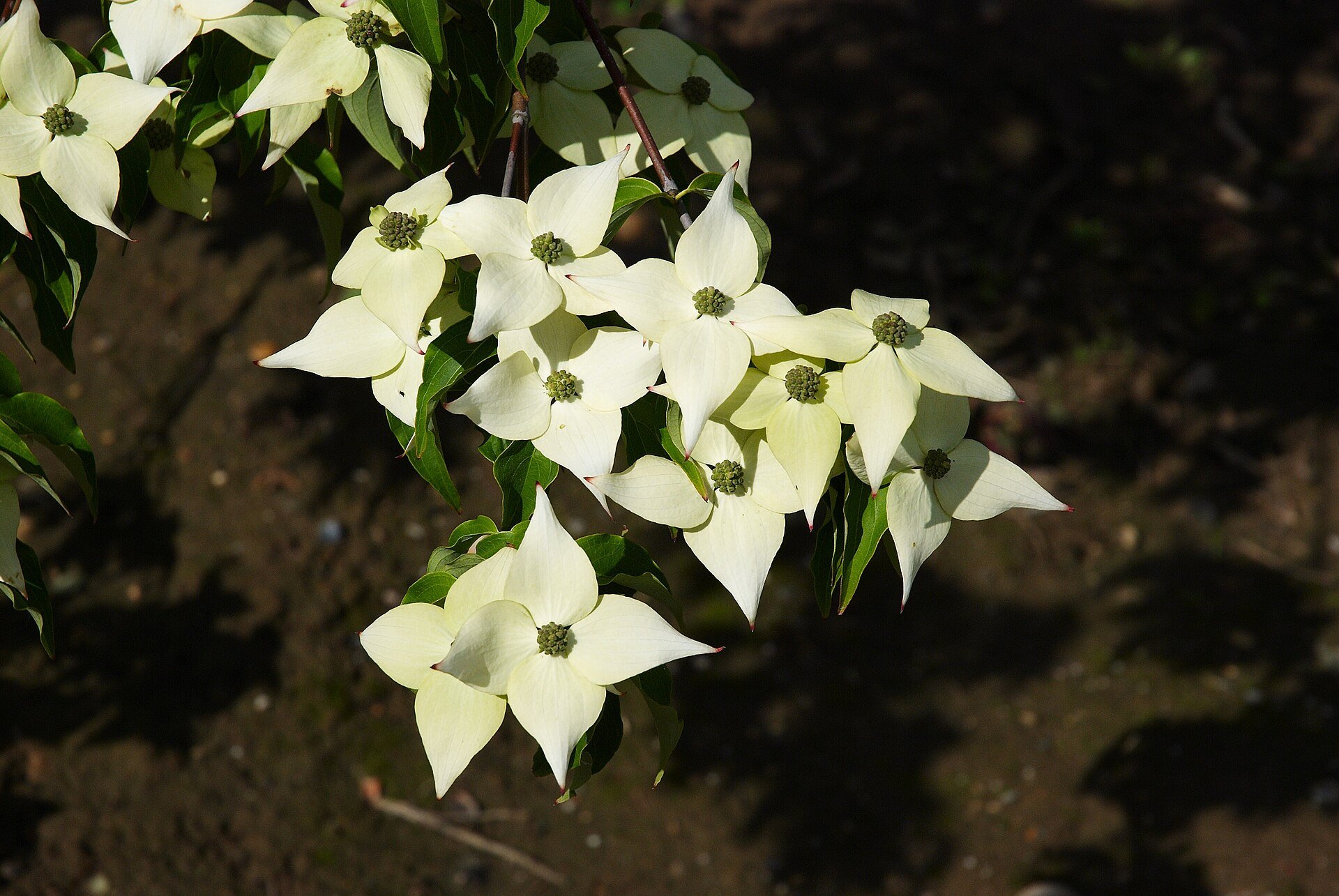
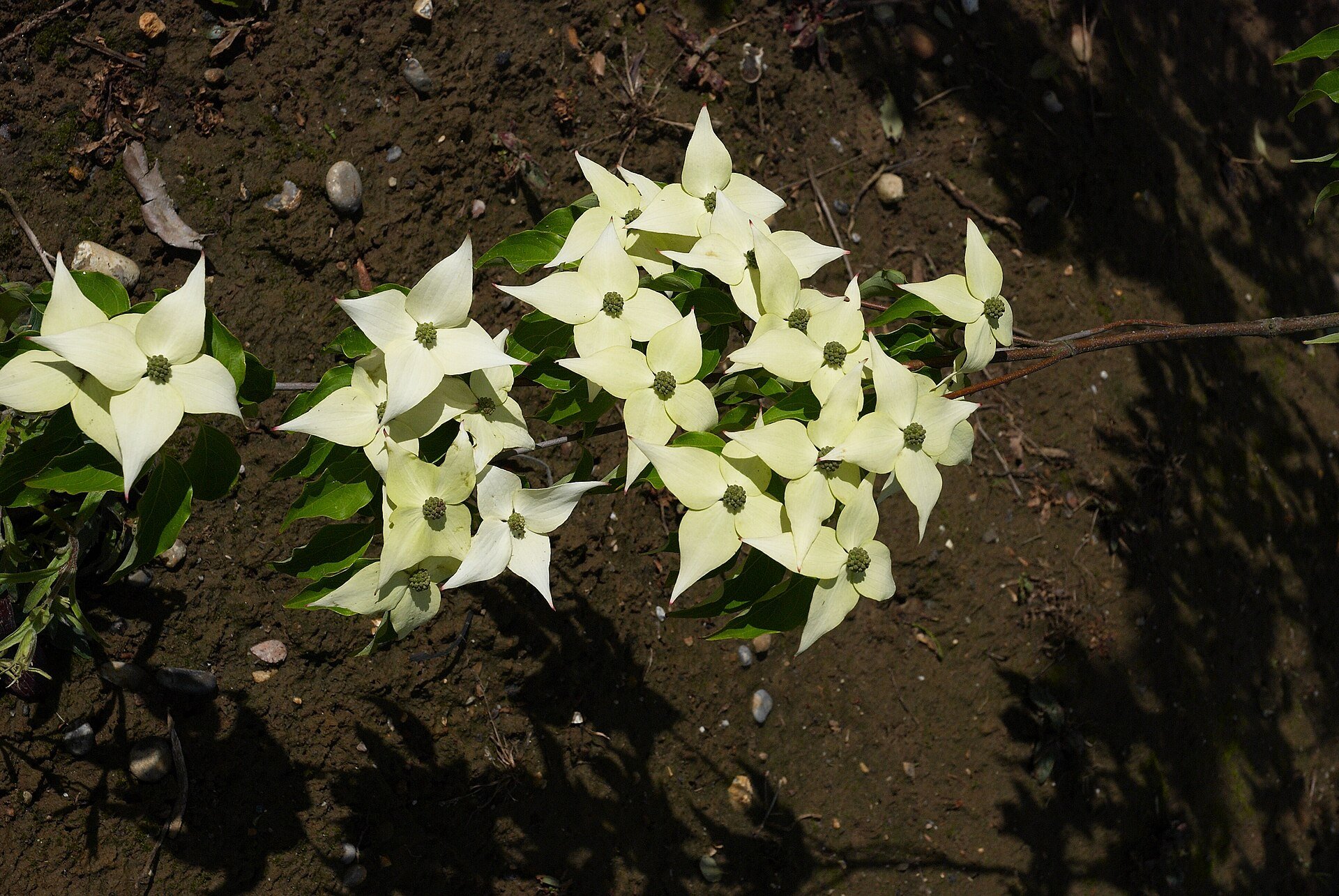
White dogwood is the native flowering dogwood, a spreading, rounded understory tree 15 to 25 feet tall and 15 to 30 feet wide. In early spring, before the leaves emerge, small green true flowers are surrounded by four white petal like bracts, followed by glossy red drupes in fall and red to reddish purple foliage. It prefers partial shade, especially afternoon shade, in moist, well drained, acidic soil high in organic matter, and its dark bark breaks into small scaly blocks with age. Songbirds, grouse, turkey and small mammals eat the fruit and it is the larval host for the spring azure butterfly.
- Part Shade
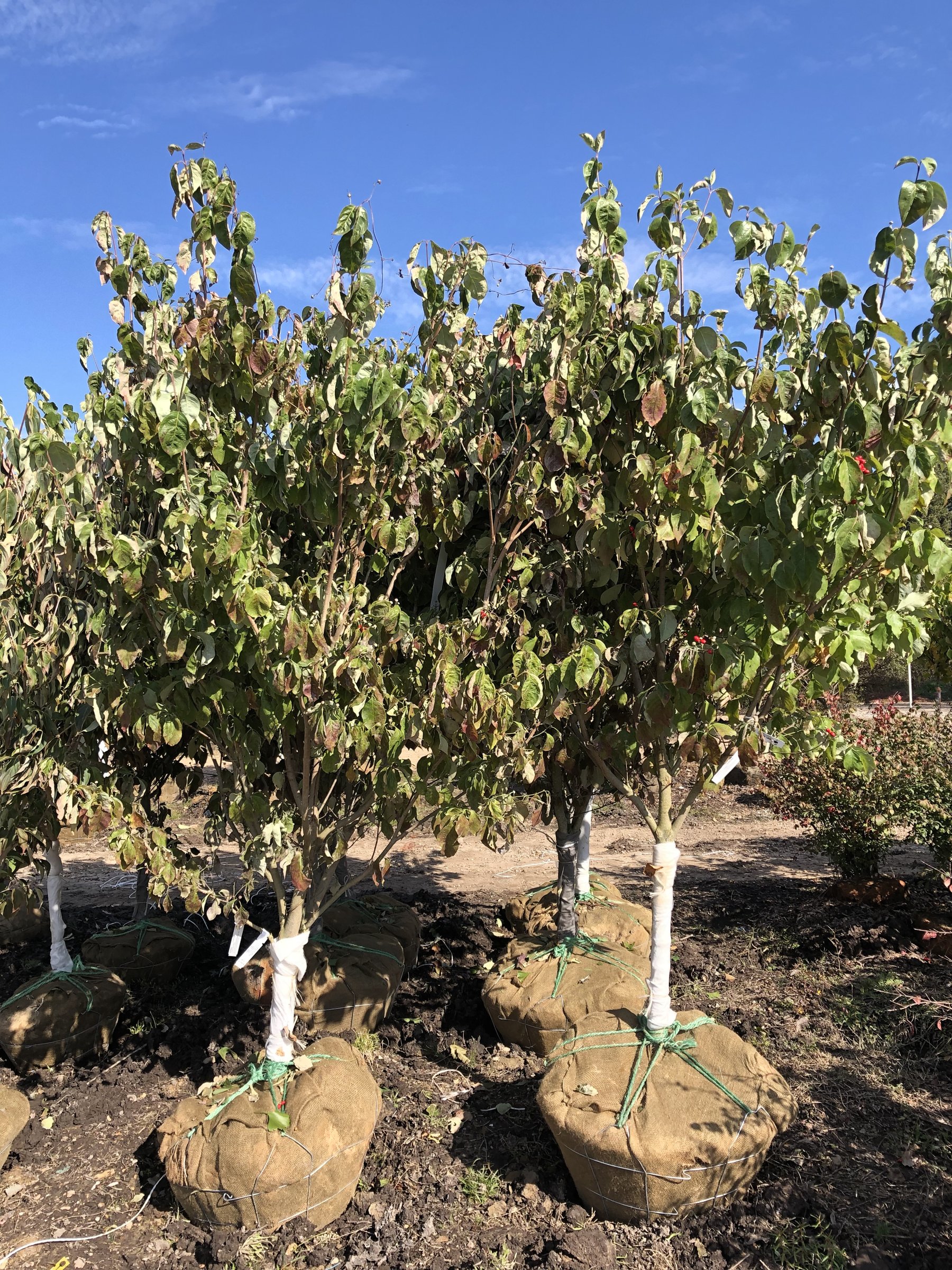
- Grows to 25 ft tall and 30 ft wide
- Blooms in spring
- Hardy in USDA zones 5-9
- Deciduous foliage
- Native plant
Plant description
White dogwood is the native flowering dogwood, a spreading, rounded understory tree 15 to 25 feet tall and 15 to 30 feet wide. In early spring, before the leaves emerge, small green true flowers are surrounded by four white petal like bracts, followed by glossy red drupes in fall and red to reddish purple foliage. It prefers partial shade, especially afternoon shade, in moist, well drained, acidic soil high in organic matter, and its dark bark breaks into small scaly blocks with age. Songbirds, grouse, turkey and small mammals eat the fruit and it is the larval host for the spring azure butterfly.
- Flowers
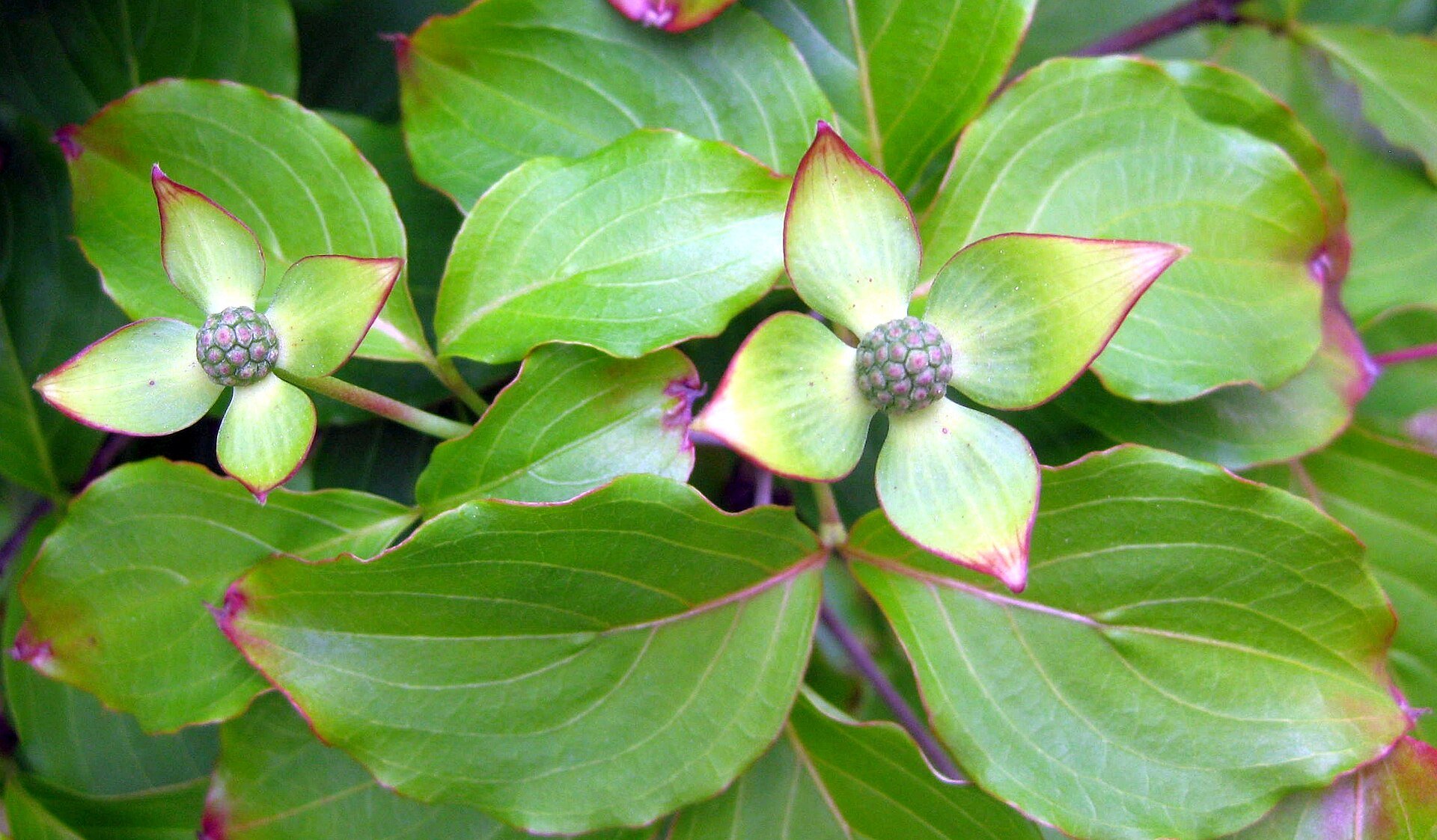
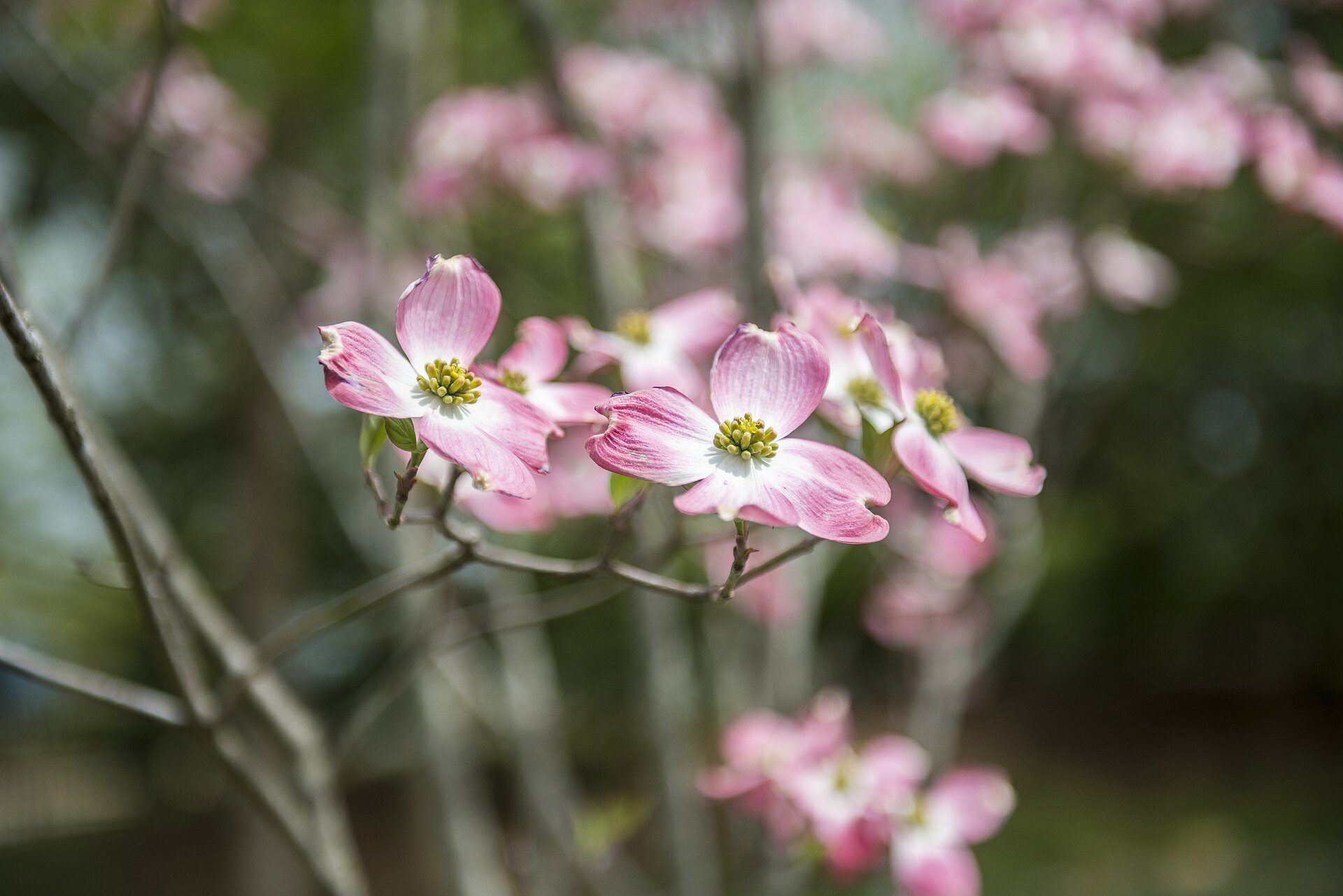
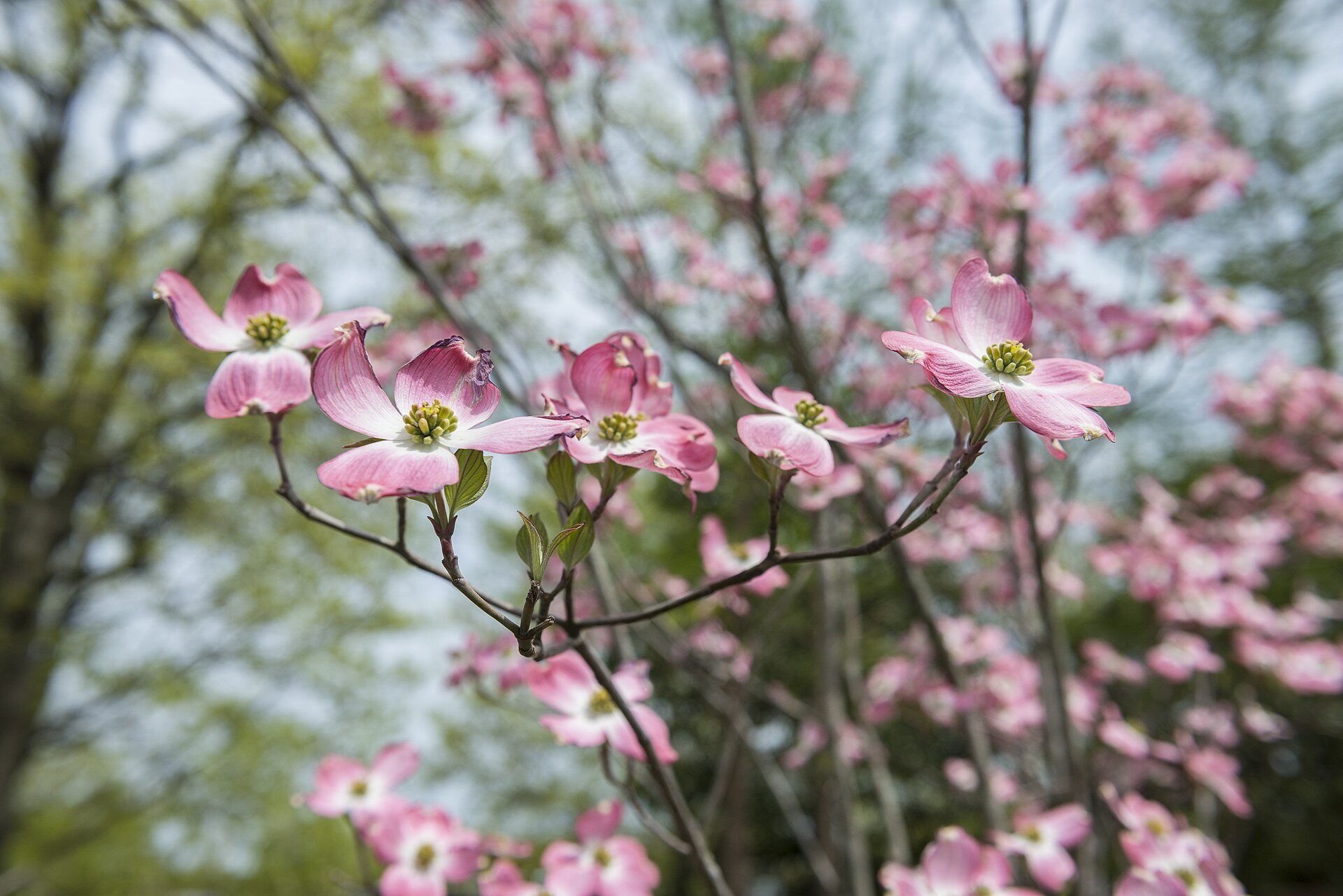
- Blooms in early spring before leaf out; the true flowers are small, green and insignificant, surrounded by four petal like bracts that give the appearance of one large flower.
- Foliage
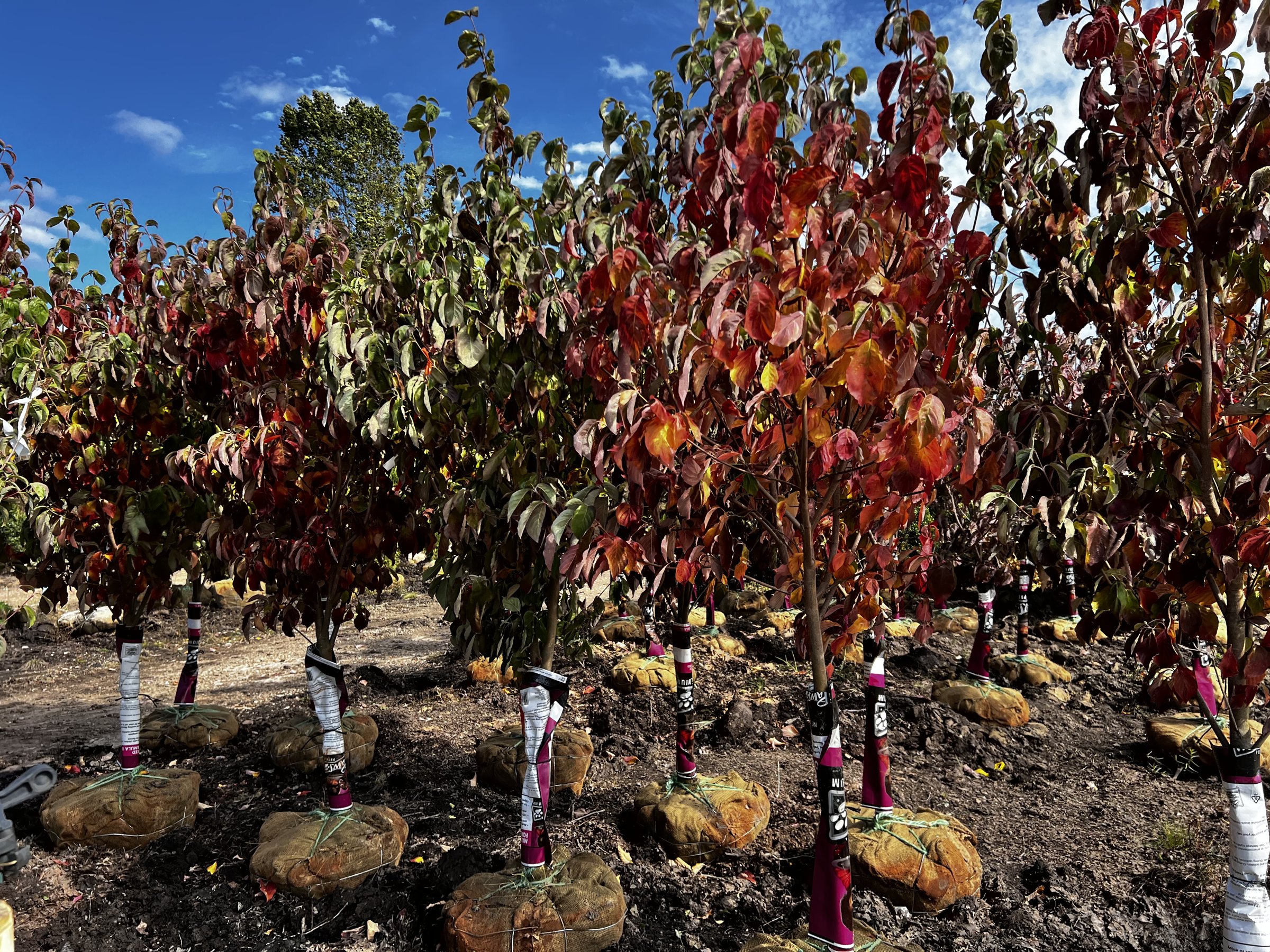
- Simple opposite leaves 3 to 6 inches long with entire margins and six to seven pairs of veins that curve from the base of the leaf to the tip, turning red to reddish purple in fall.
- Fruit
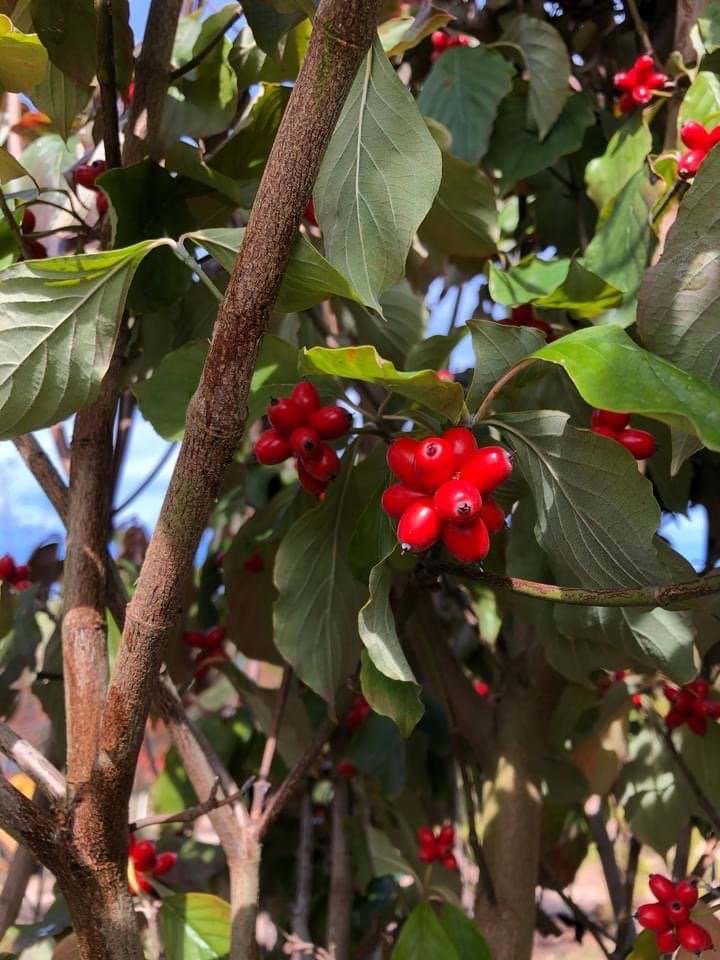
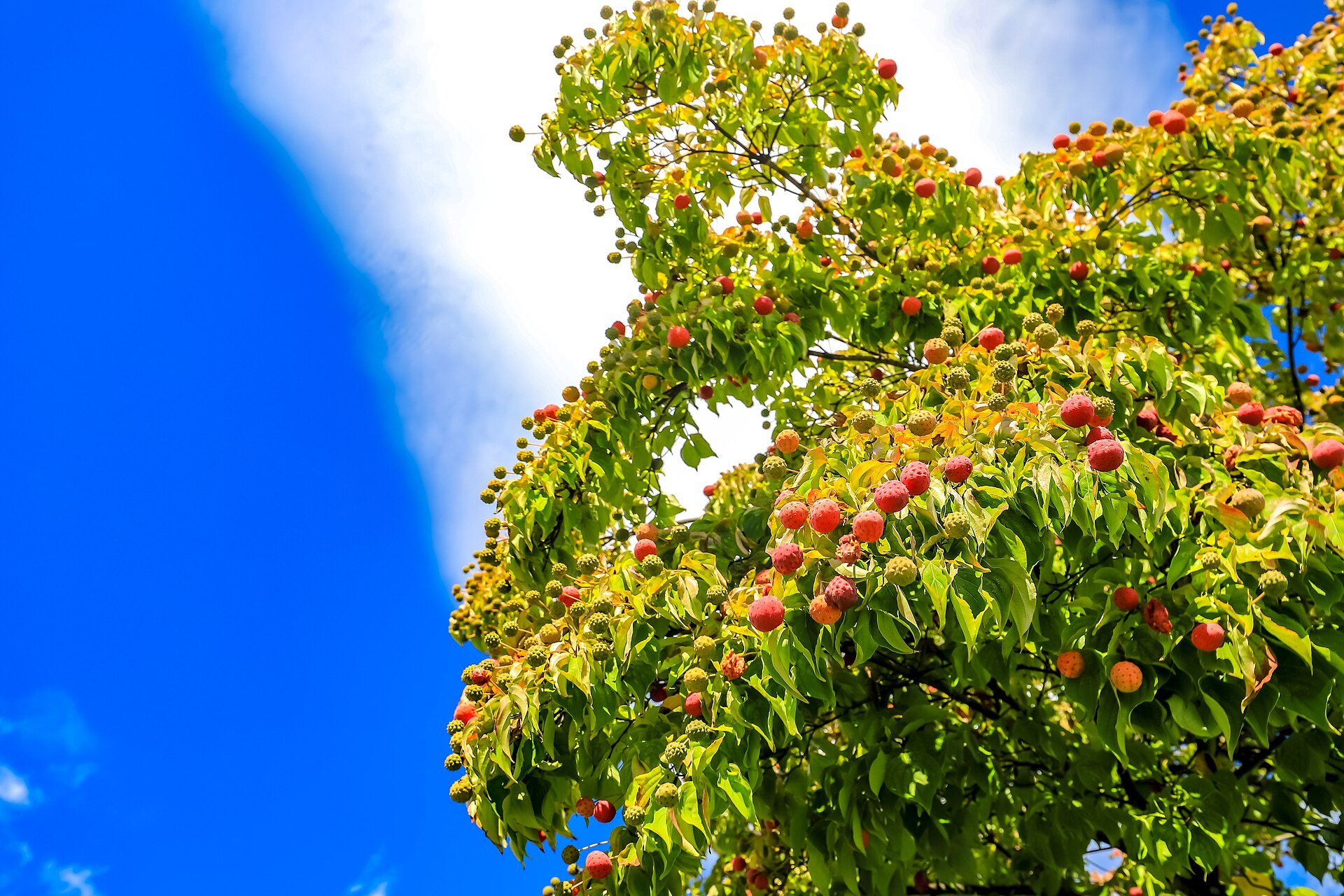
- Glossy bright red oval drupes about half an inch long in tight clusters of three or four, bitter and inedible to people but heavily eaten by birds.
- Bark & stems
- Attractive dark gray, brown or nearly black bark broken into small scaly blocks as the tree matures; young stems are red to purple and smooth.
- Light
- Morning Sun, Dappled/Filtered Light
- Pruning
- Prune after it flowers but before next year's flower buds form in July.
- Native range
- Southeastern Canada through eastern North America to eastern Mexico