

Plant: Kousa Dogwood Tree
Dogwood Tree · Cornus kousa
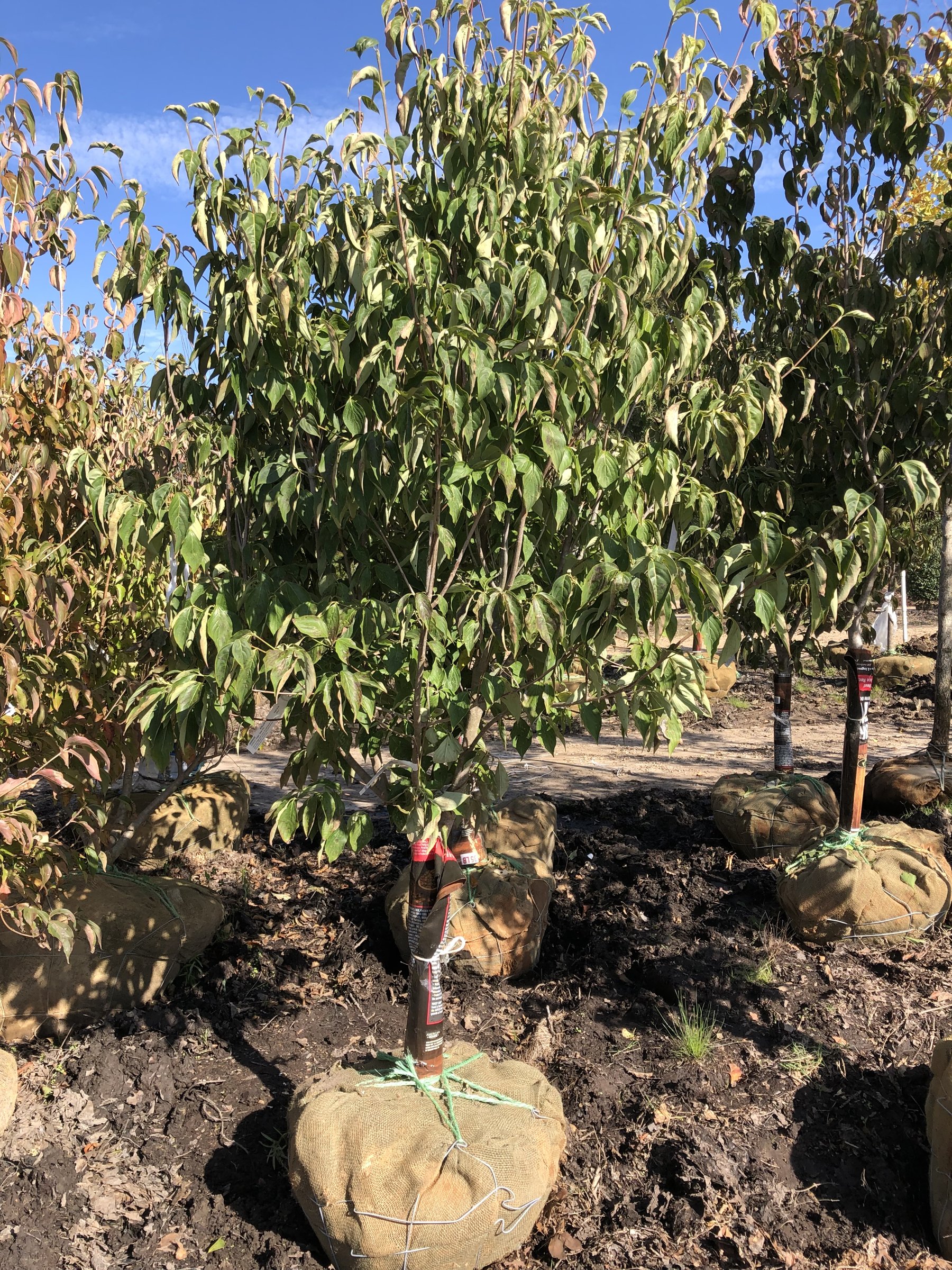
Size: 3 gal
Light
Bloom
Mature size
More about this plant
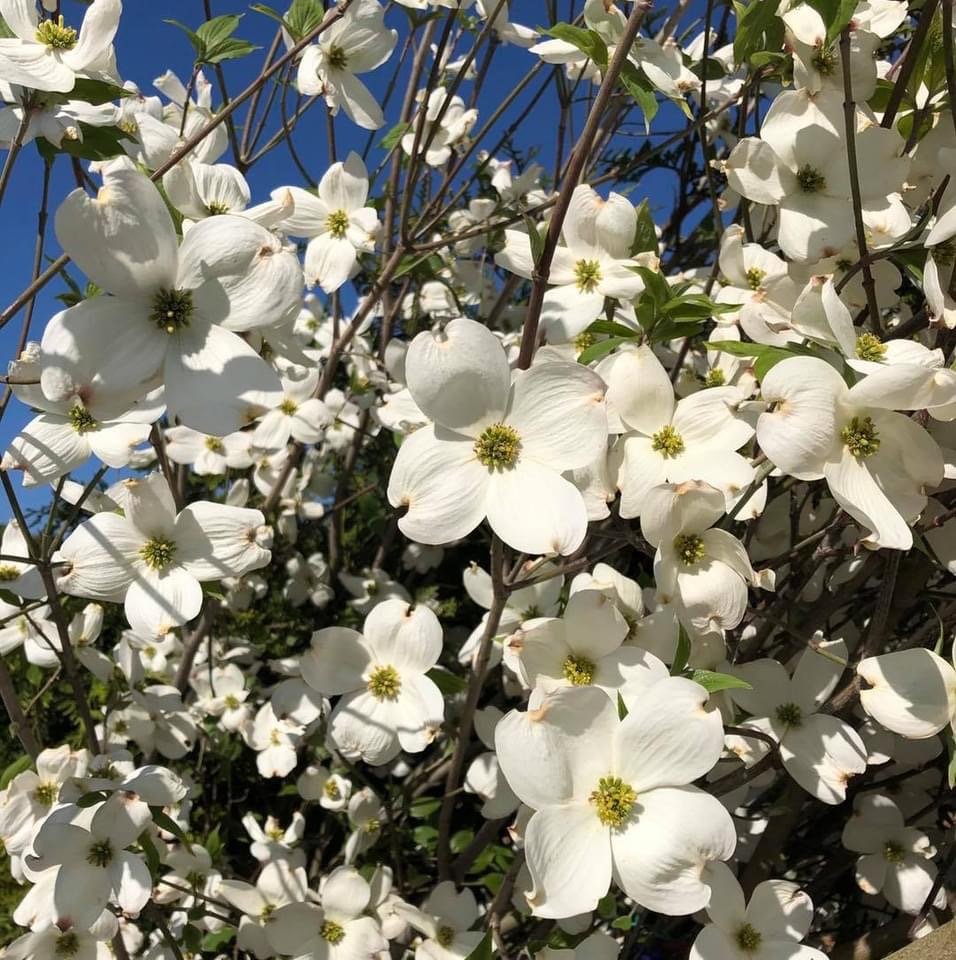
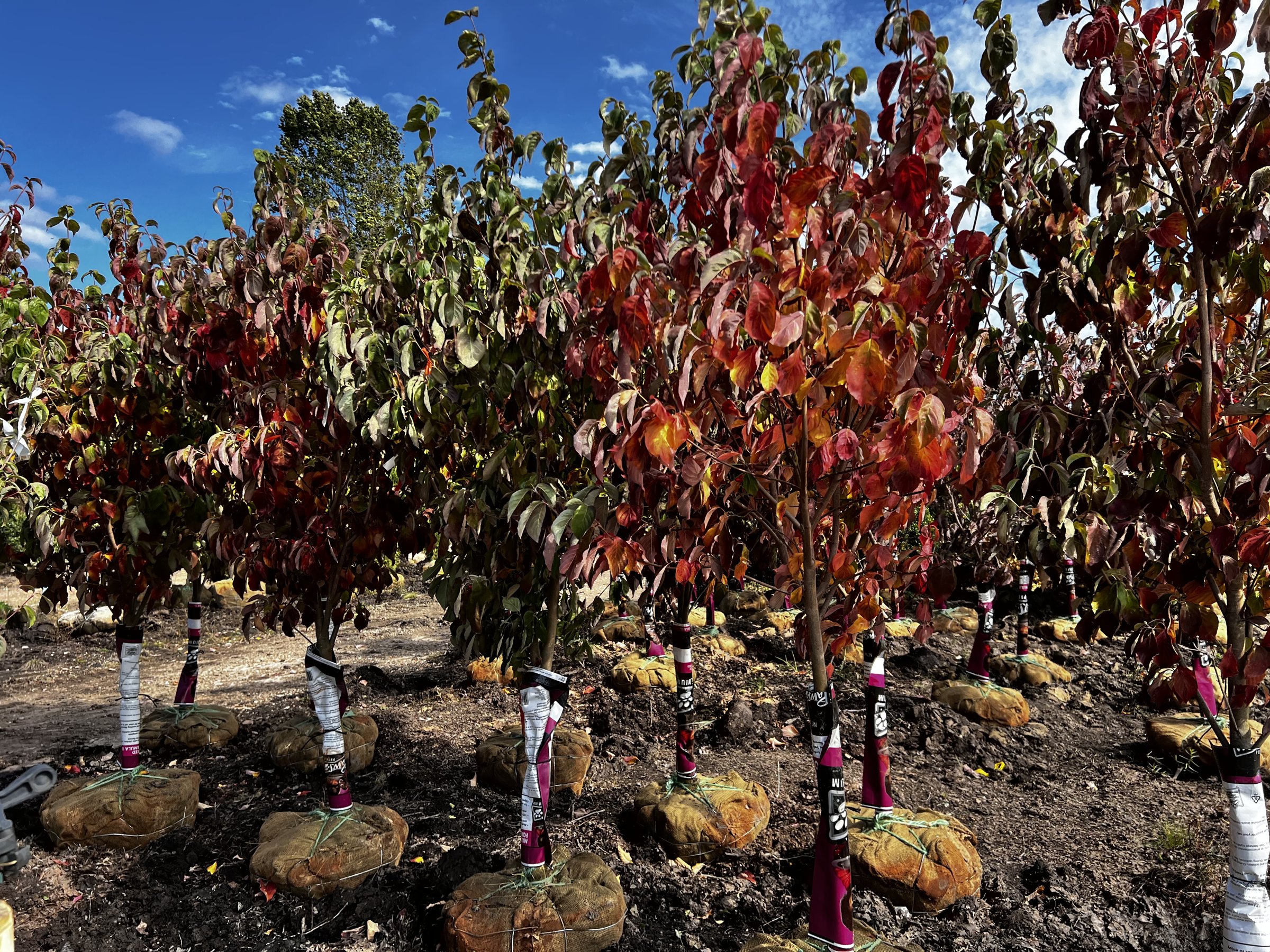
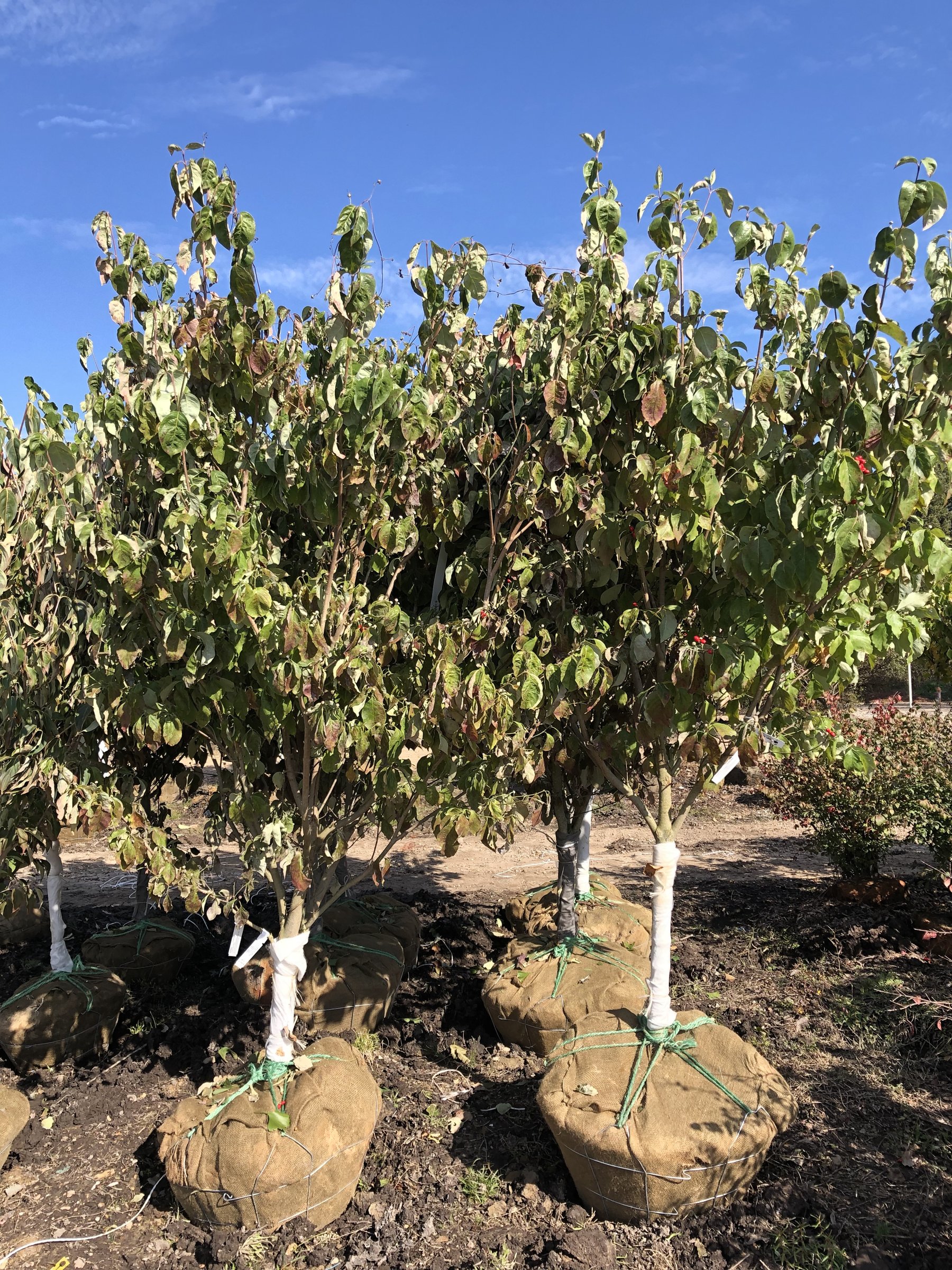
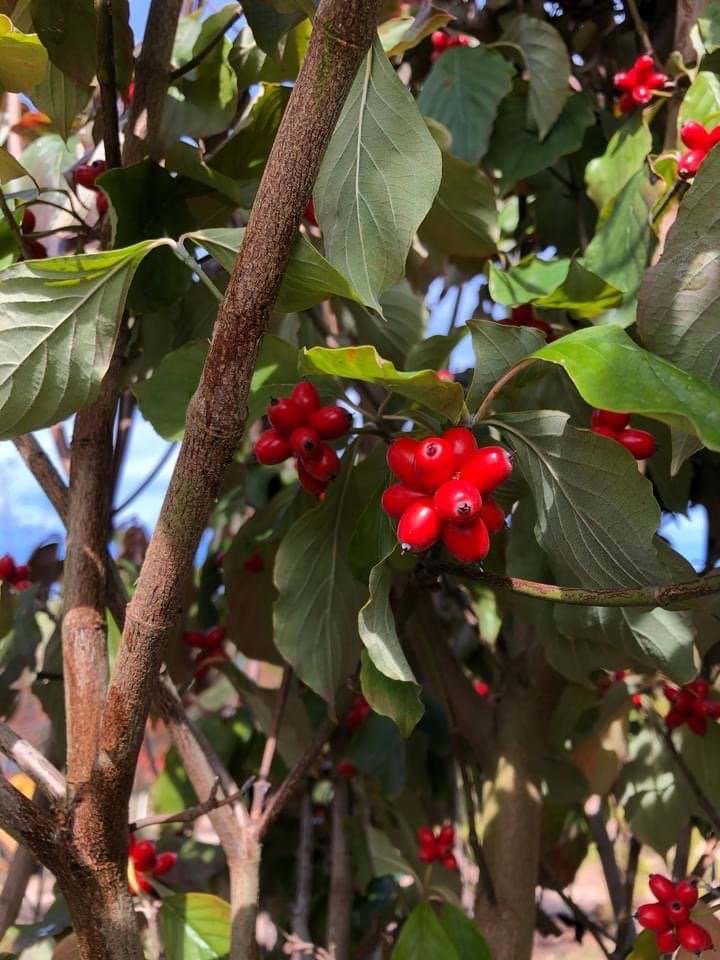
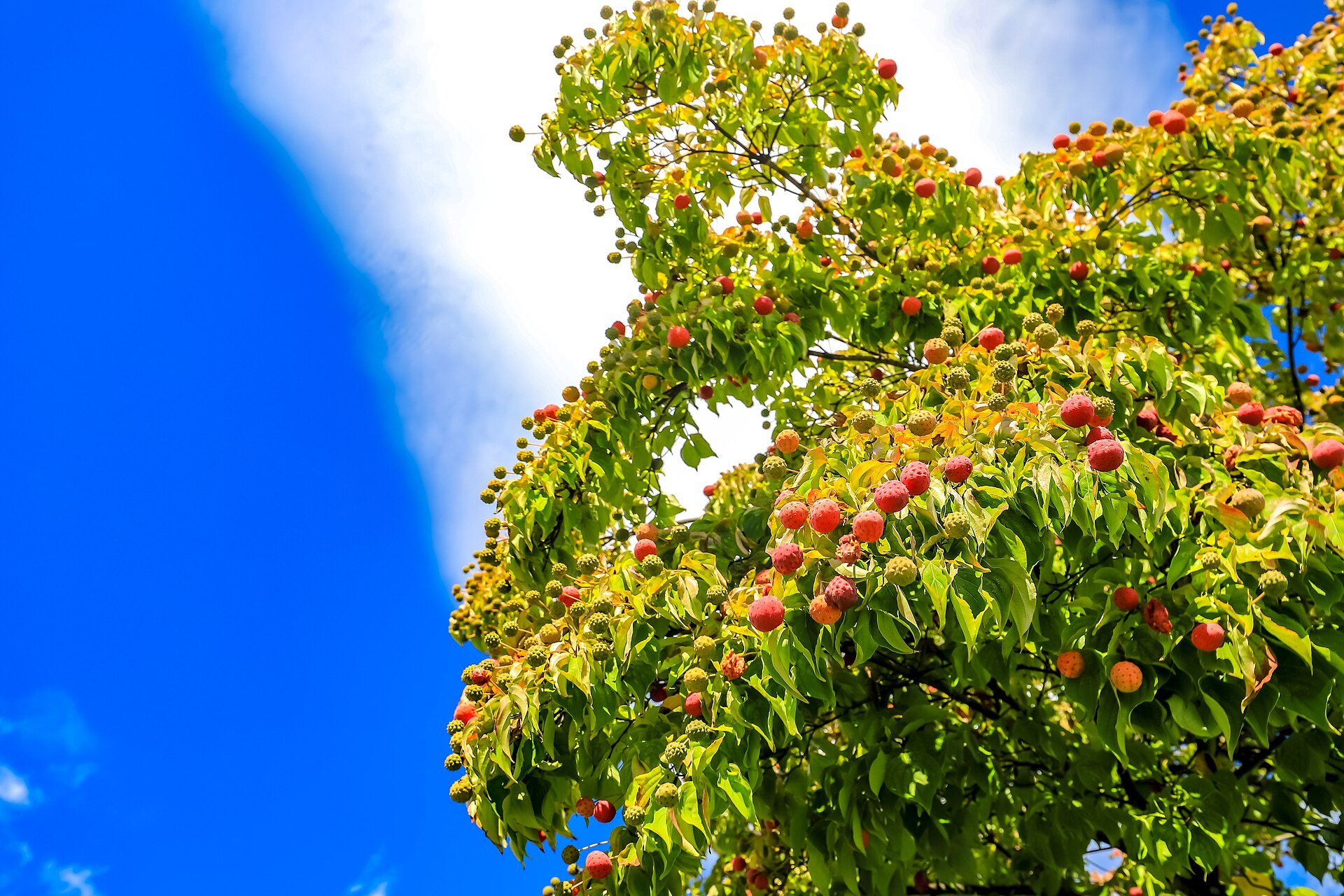
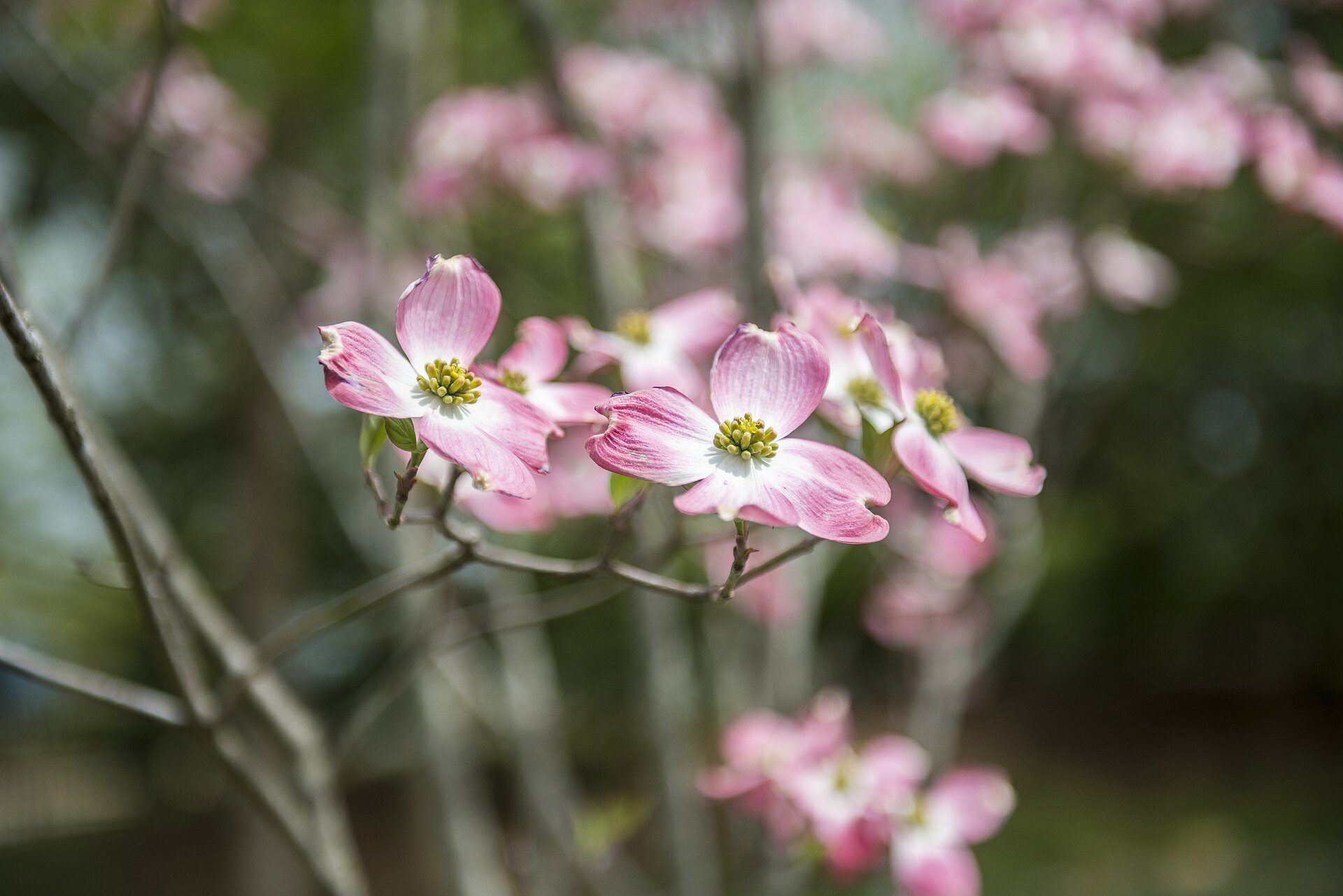
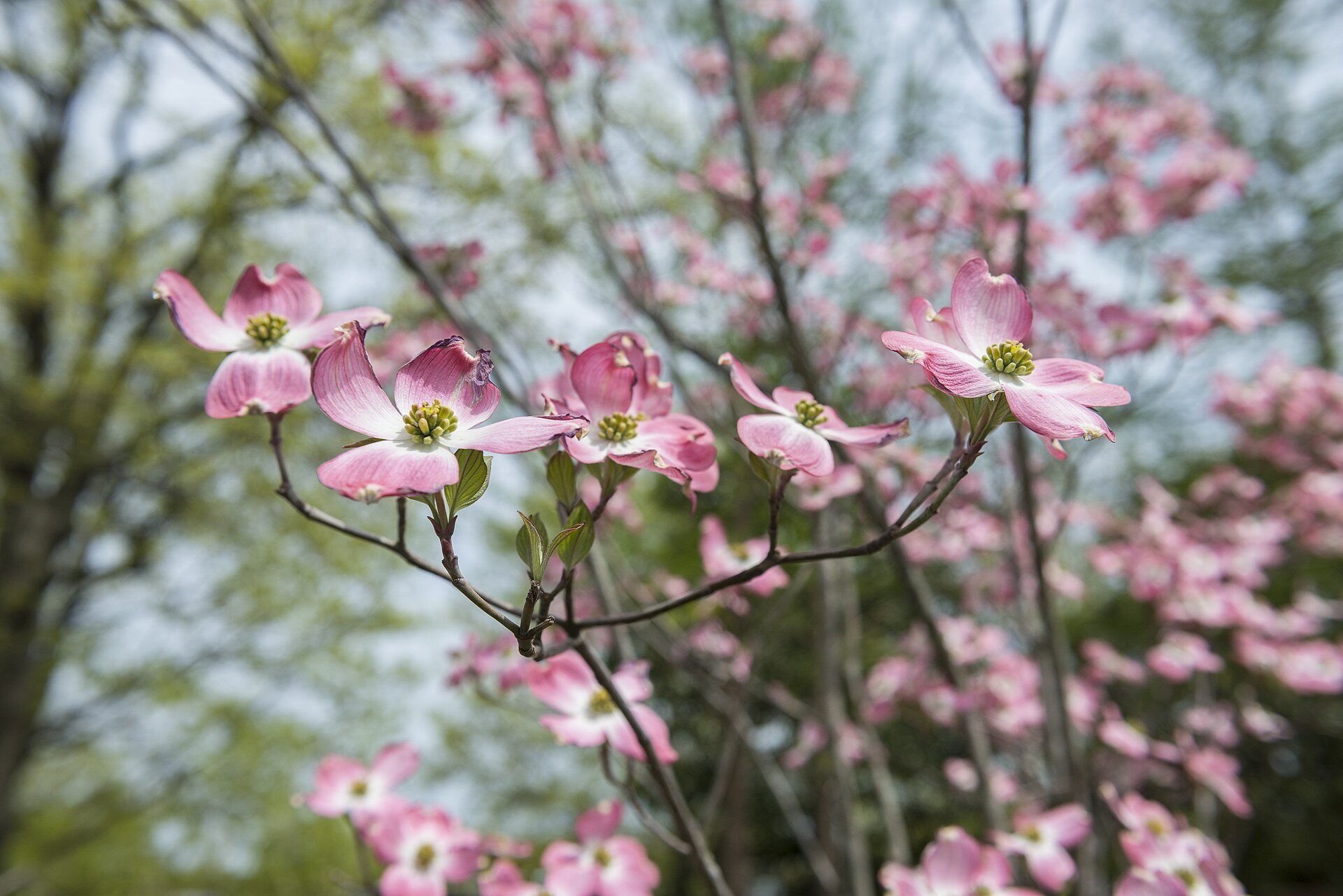
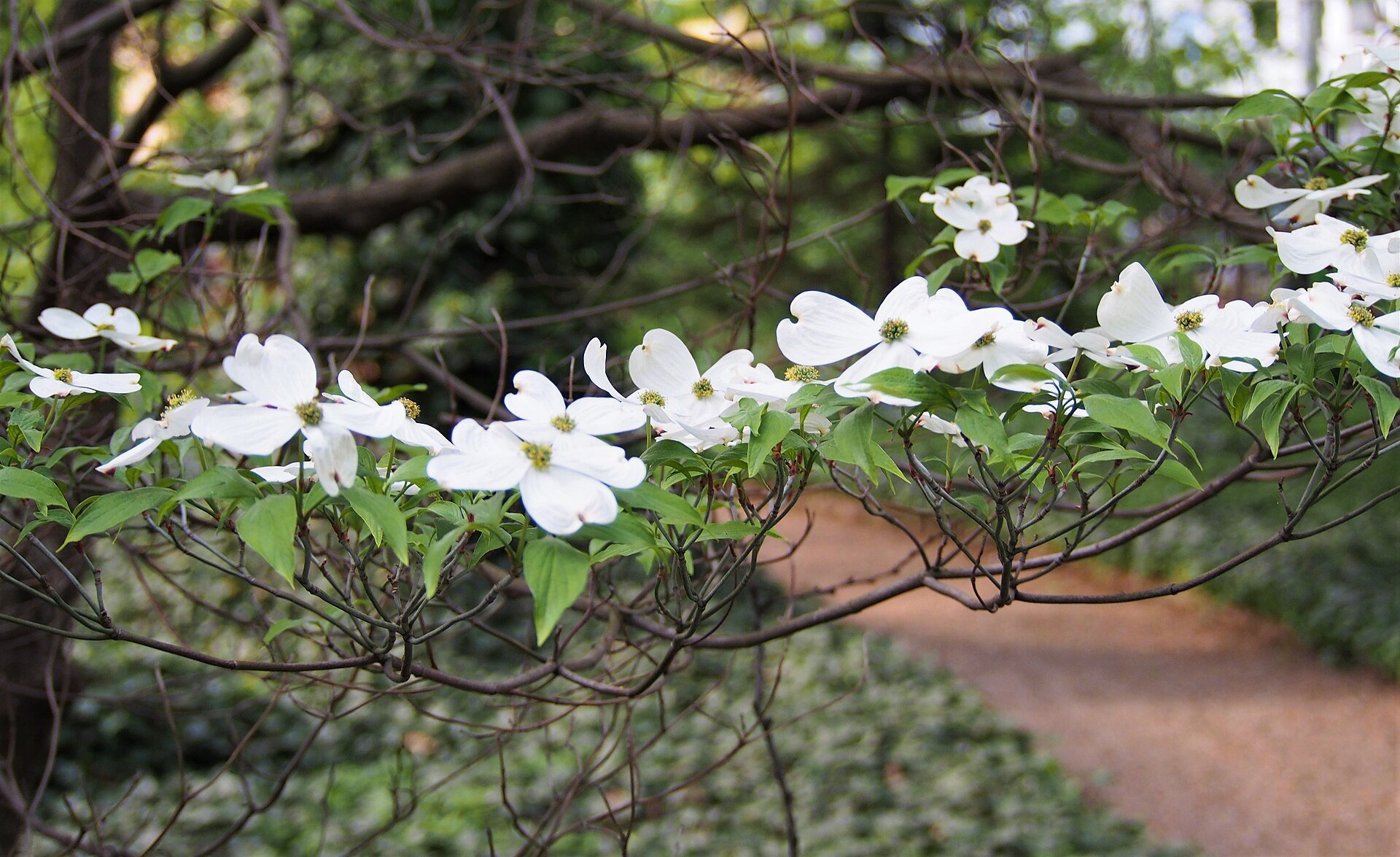
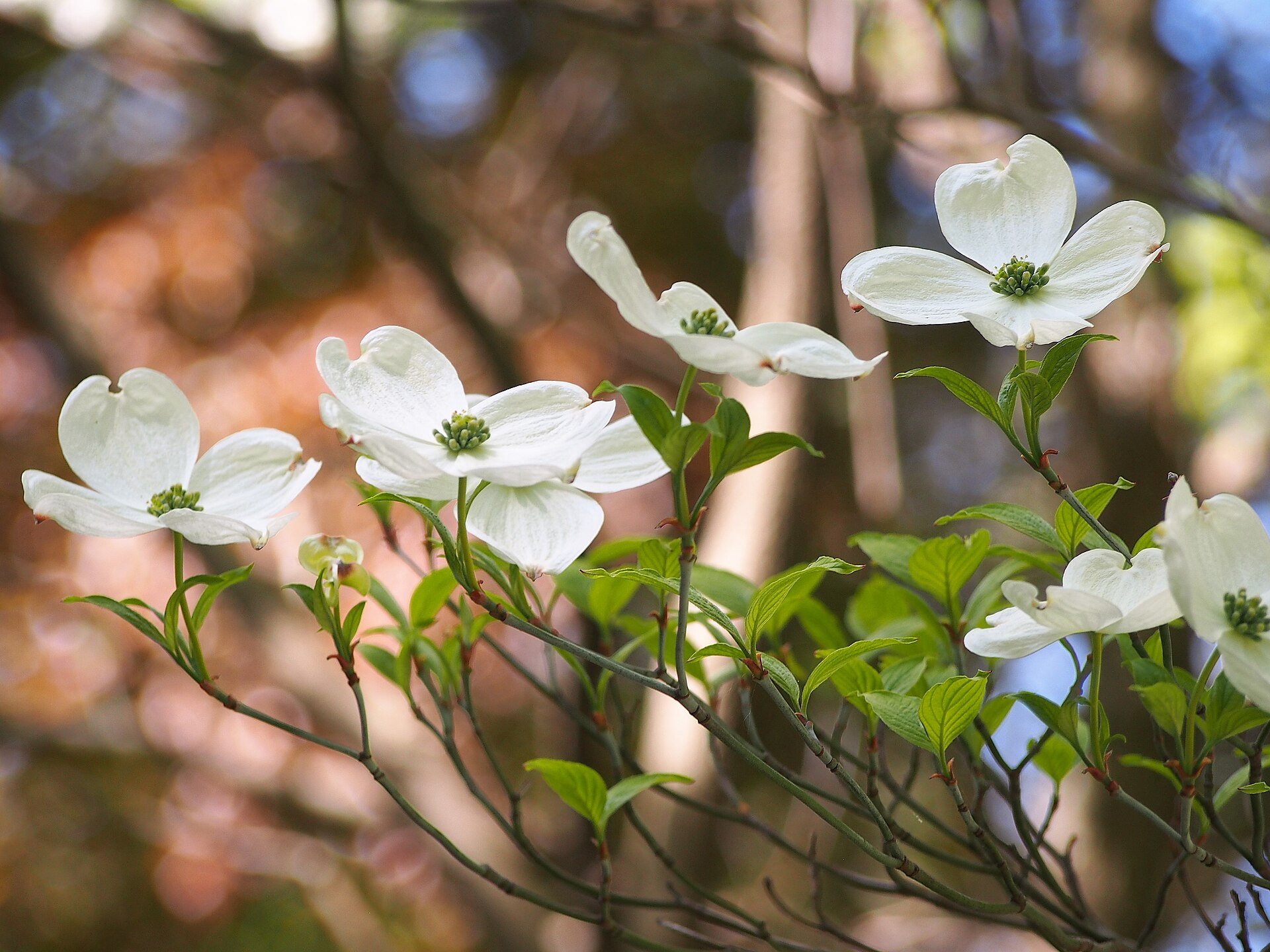
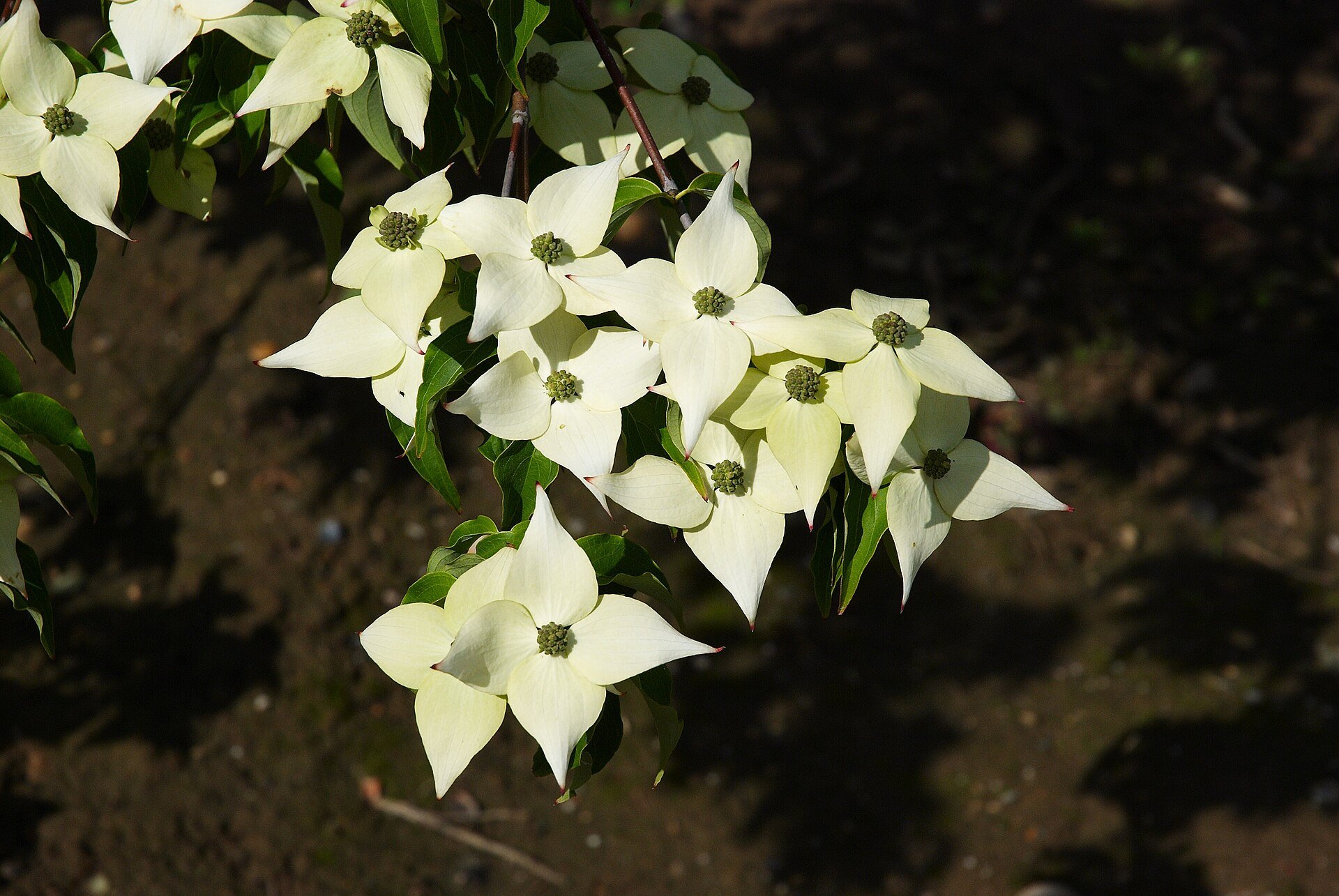
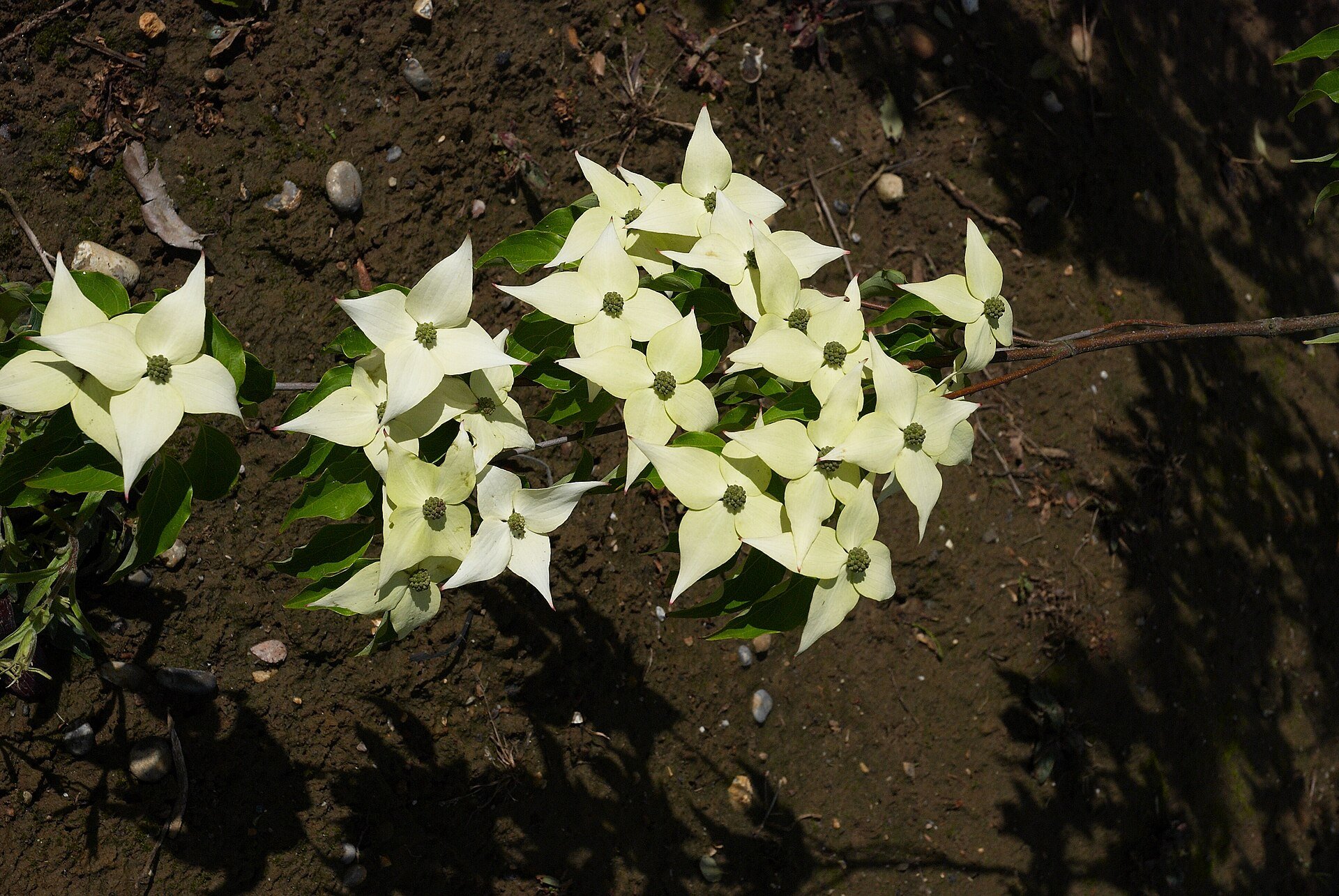
Kousa dogwood is a slow growing, spreading to vase shaped tree 20 to 30 feet tall and 15 to 30 feet wide. Showy white to slightly yellowish white bracts 2 to 3 inches long open in late spring after the leaves emerge, followed by round raspberry like pink to red fruit in summer and fall and purple to red autumn foliage. Smooth light brown bark develops exfoliating patches of tan and brown for winter interest. It wants moist, fertile, well drained acidic loam, tolerates afternoon sun better than flowering dogwood and resists anthracnose and powdery mildew. Songbirds eat the fruit and nest in it.
- Full Sun
- Grows to 30 ft tall and 30 ft wide
- Blooms in spring
- Hardy in USDA zones 5-8
- Deciduous foliage
Plant description
Kousa dogwood is a slow growing, spreading to vase shaped tree 20 to 30 feet tall and 15 to 30 feet wide. Showy white to slightly yellowish white bracts 2 to 3 inches long open in late spring after the leaves emerge, followed by round raspberry like pink to red fruit in summer and fall and purple to red autumn foliage. Smooth light brown bark develops exfoliating patches of tan and brown for winter interest. It wants moist, fertile, well drained acidic loam, tolerates afternoon sun better than flowering dogwood and resists anthracnose and powdery mildew. Songbirds eat the fruit and nest in it.
- Flowers
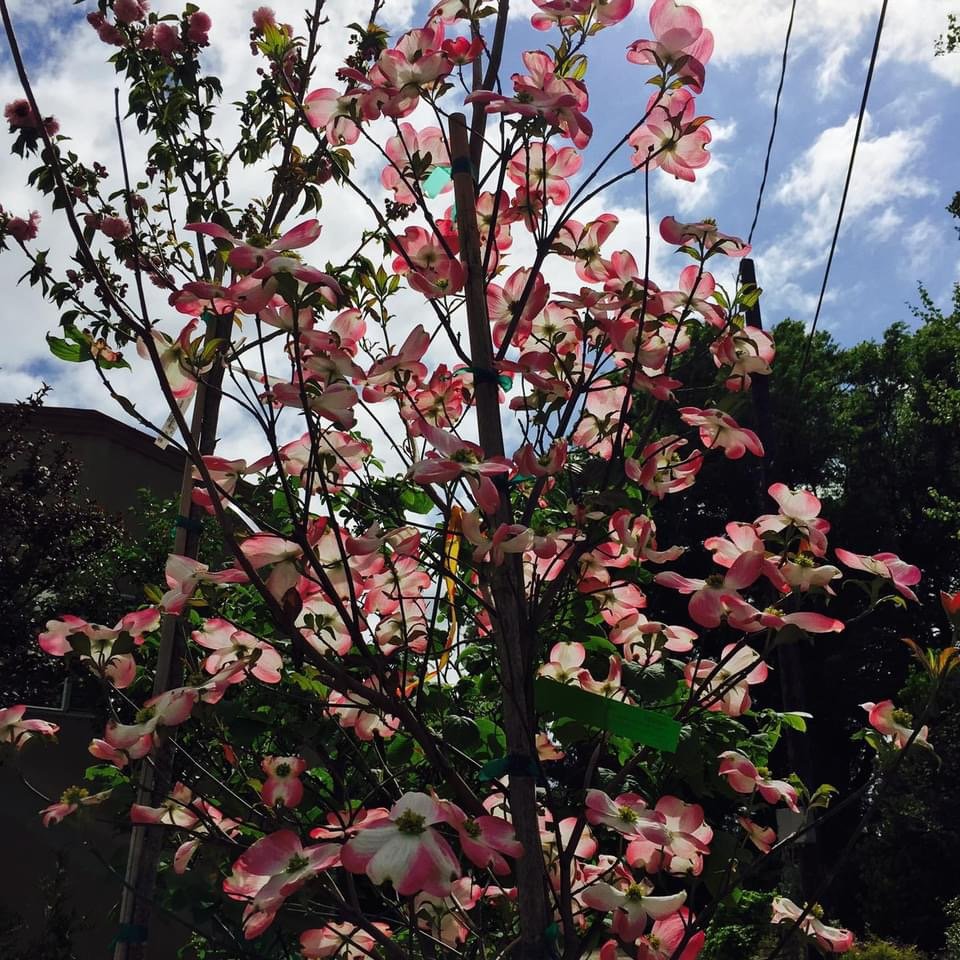
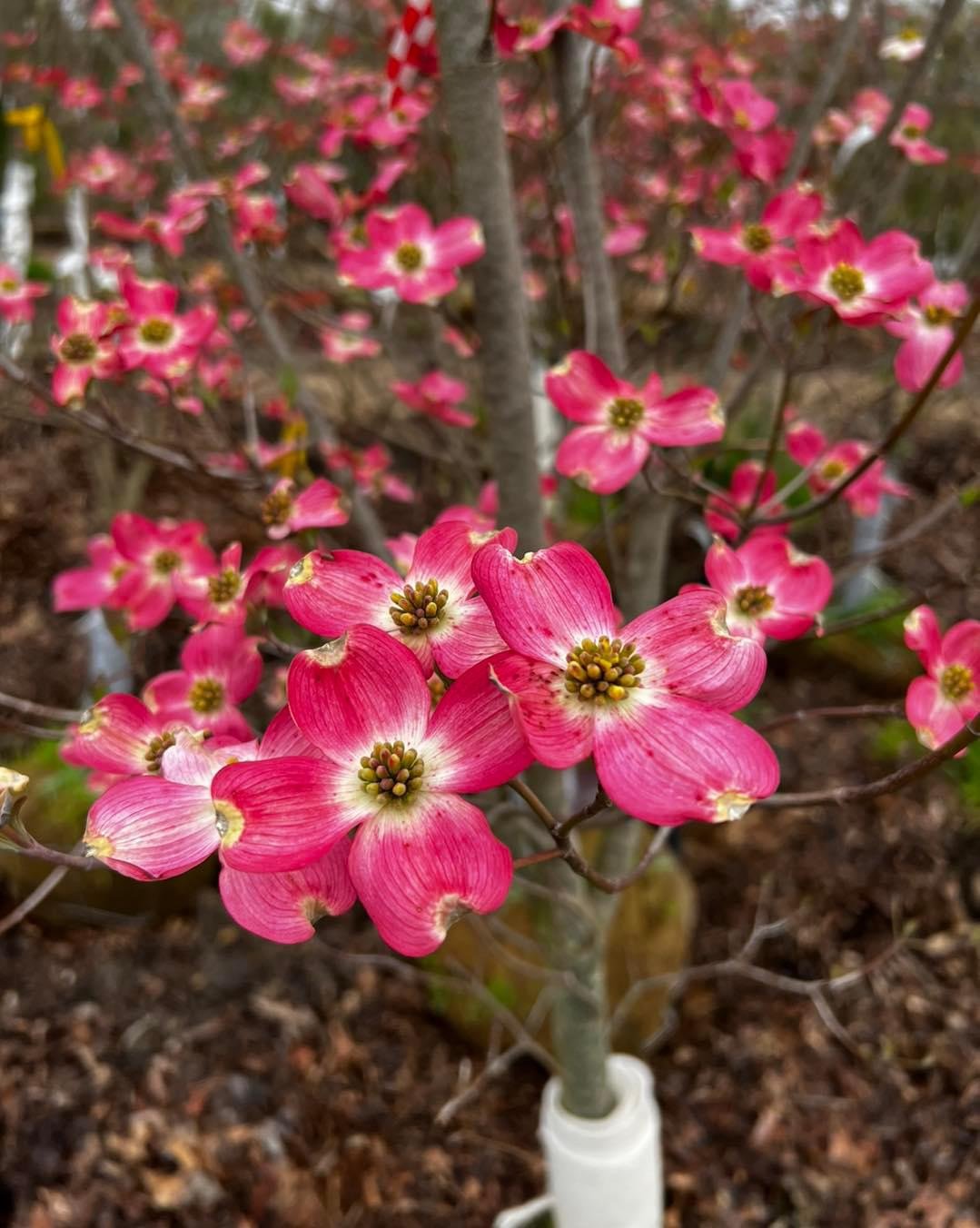
- Showy white to slightly yellowish white bracts 2 to 3 inches long surround the inconspicuous true flowers, opening in late spring after the leaves emerge; some selections age to pinkish.
- Foliage
- Opposite, simple, oval leaves 1 to 3 inches long, shiny and dark green with tufts of golden brown hairs in the vein axils, turning purple to reddish in fall.
- Fruit
- A round raspberry like drupe, light red to pink outside with fleshy yellowish orange flesh, technically edible but usually left for the birds.
- Bark & stems
- Smooth and light brown on young trees, developing exfoliating patches of tan and brown with age.
- Light
- Afternoon Sun
- Native range
- China to temperate eastern Asia