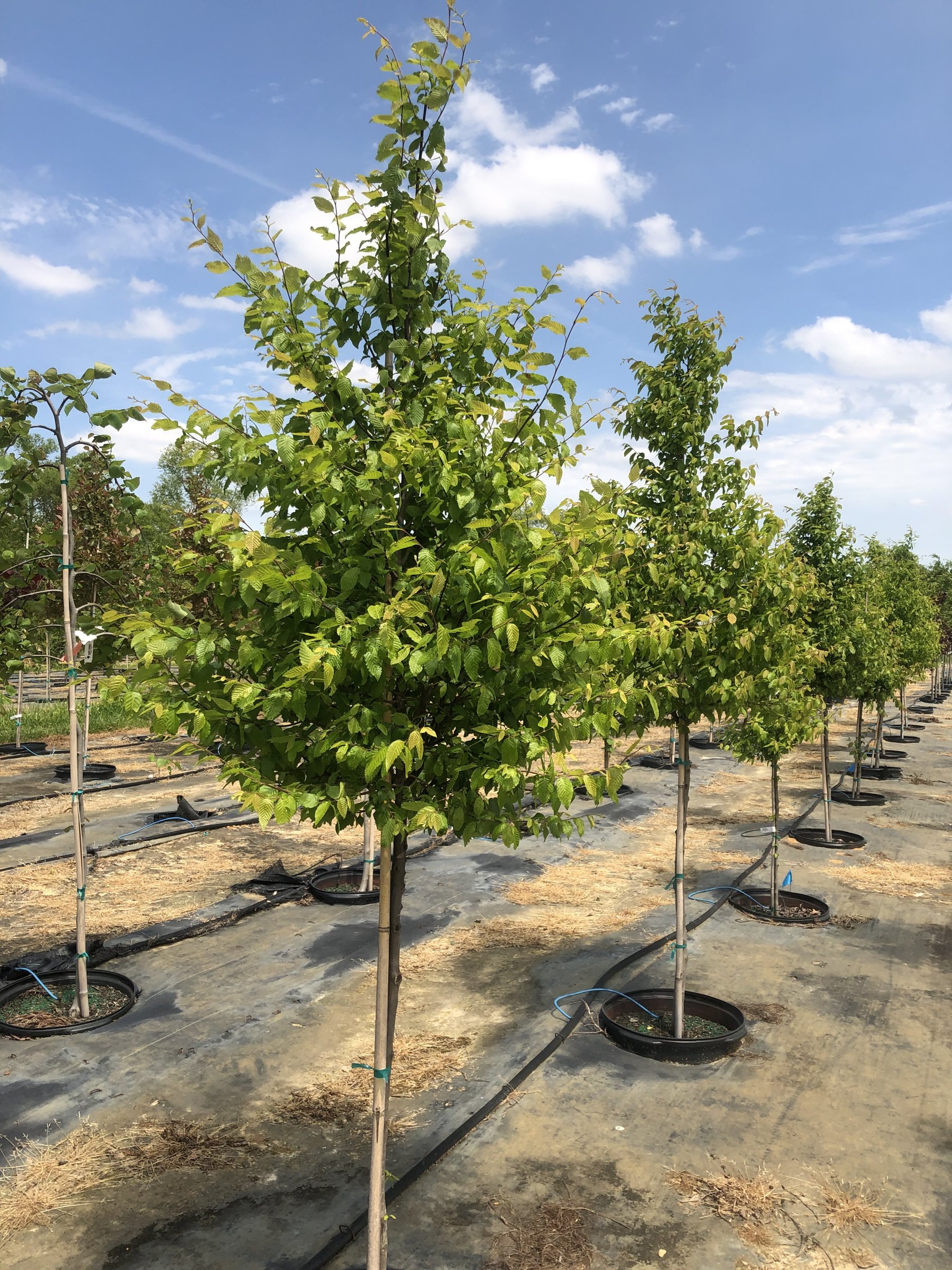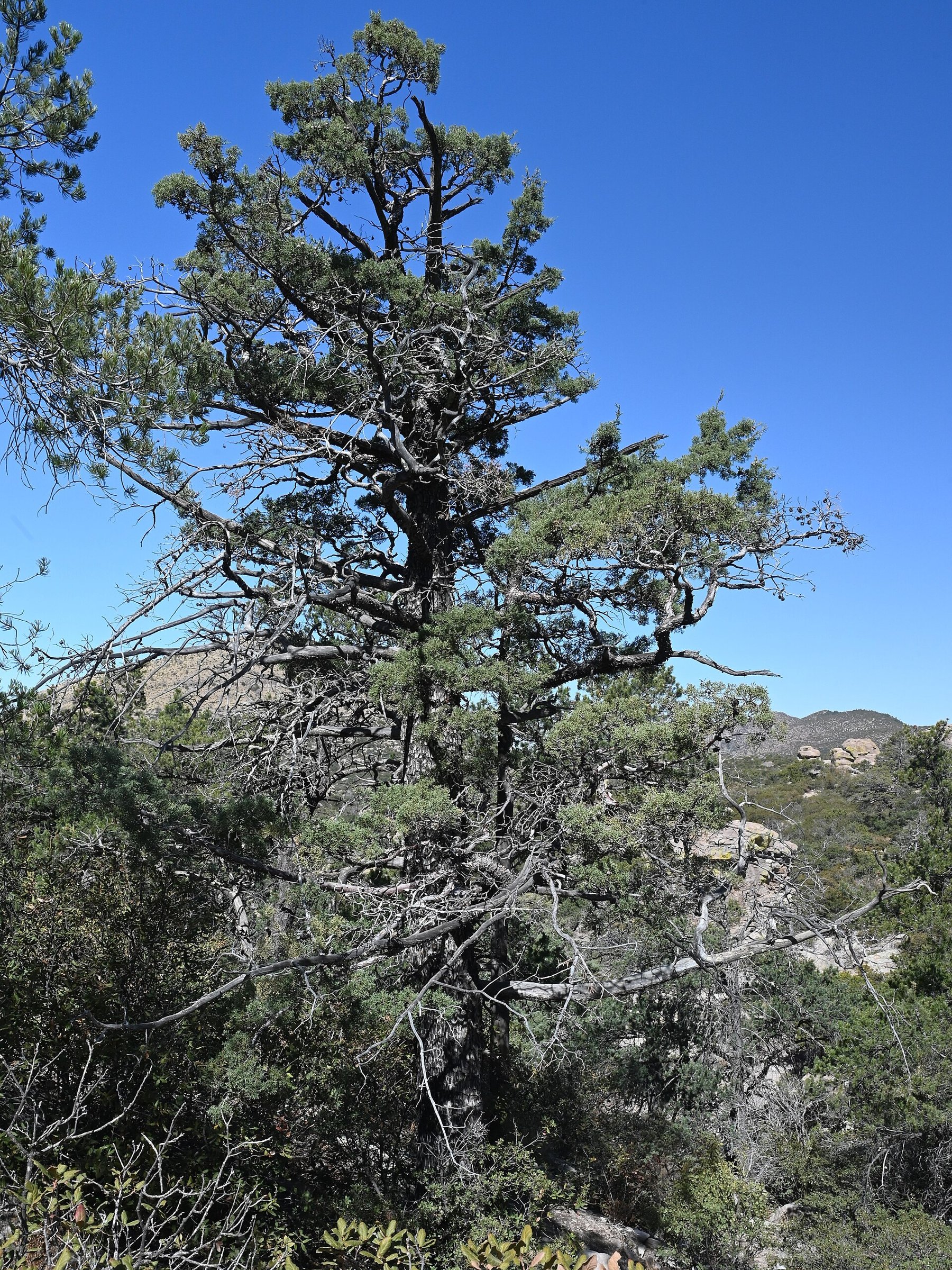


Plant: Loblolly Pine Tree
Pine Tree · Pinus taeda
Was $180.00
Size: 15 gal
Light
Bloom
Mature size
More about this plant
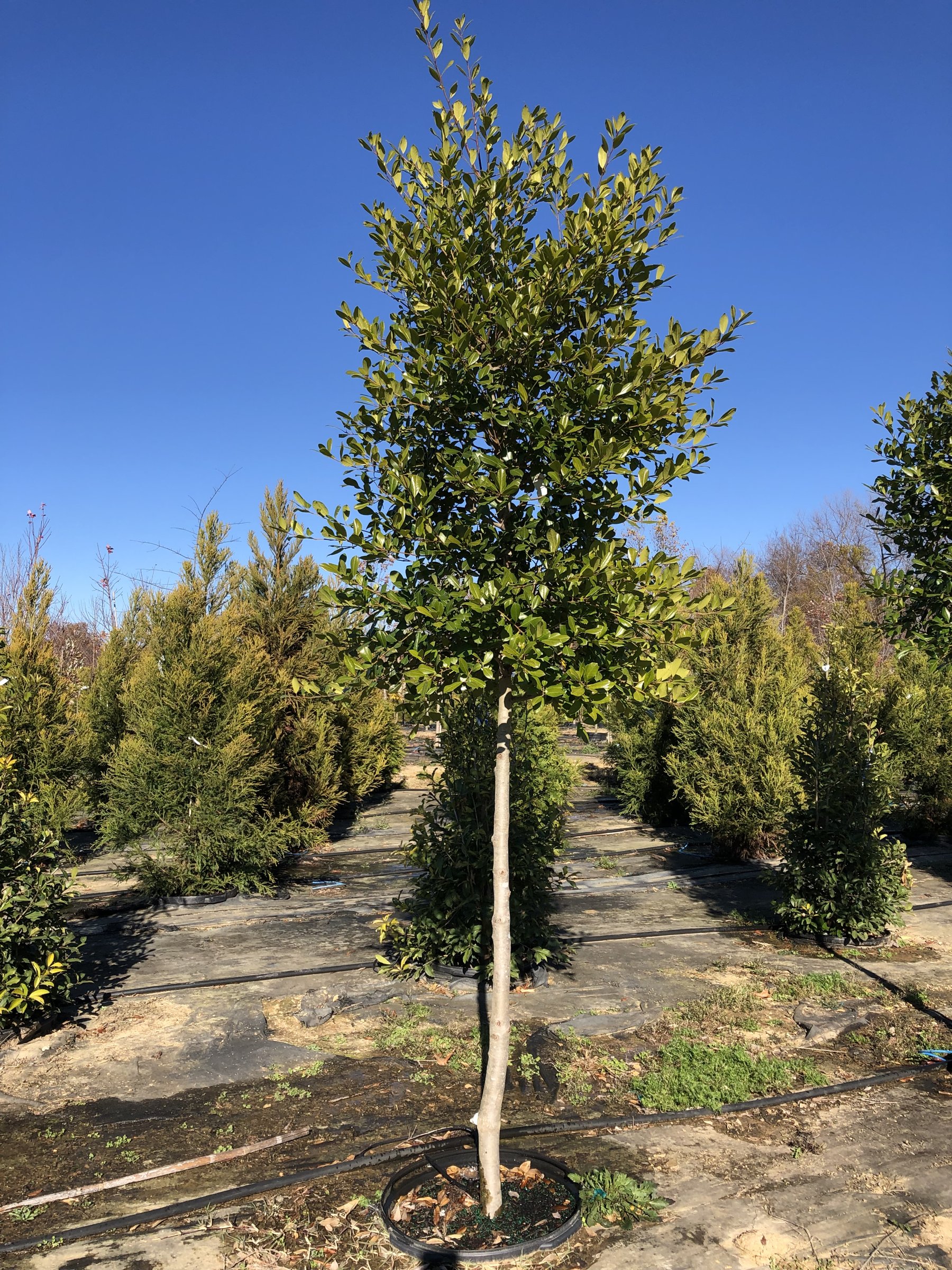
A tall, fast growing native evergreen conifer reaching 60 to 90 feet with a horizontal to pyramidal crown and stiff, finely toothed needles 6 to 10 inches long carried three per bundle. It takes full sun and grows on clay, loam or sand across a wide moisture range, from moist to occasionally dry or occasionally wet sites. Spiny brown cones 3 to 6 inches long hold seeds eaten by squirrels and birds, and the tree serves as a larval host for the Imperial Moth and Eastern Pine Elfin while providing winter cover. It is deer resistant and low maintenance, best used in meadows, naturalized areas and woodland plantings or as a mass screen. Note that it carries a high flammability rating.
- Full Sun
- Grows to 90 ft tall and 40 ft wide
- Blooms in spring
- Hardy in USDA zones 6a-9b
- Evergreen foliage
- Native plant
Plant description
A tall, fast growing native evergreen conifer reaching 60 to 90 feet with a horizontal to pyramidal crown and stiff, finely toothed needles 6 to 10 inches long carried three per bundle. It takes full sun and grows on clay, loam or sand across a wide moisture range, from moist to occasionally dry or occasionally wet sites. Spiny brown cones 3 to 6 inches long hold seeds eaten by squirrels and birds, and the tree serves as a larval host for the Imperial Moth and Eastern Pine Elfin while providing winter cover. It is deer resistant and low maintenance, best used in meadows, naturalized areas and woodland plantings or as a mass screen. Note that it carries a high flammability rating.
- Foliage
- Evergreen needles borne three per fascicle, 6 to 10 inches long, stiff, slender and finely toothed, dark yellow-green, dropping in their third year.
- Fruit
- Stalkless ovoid to cylindrical cones 3 to 6 inches long with sharply spined scales, ripening brown in fall and releasing seeds over time.
- Bark & stems
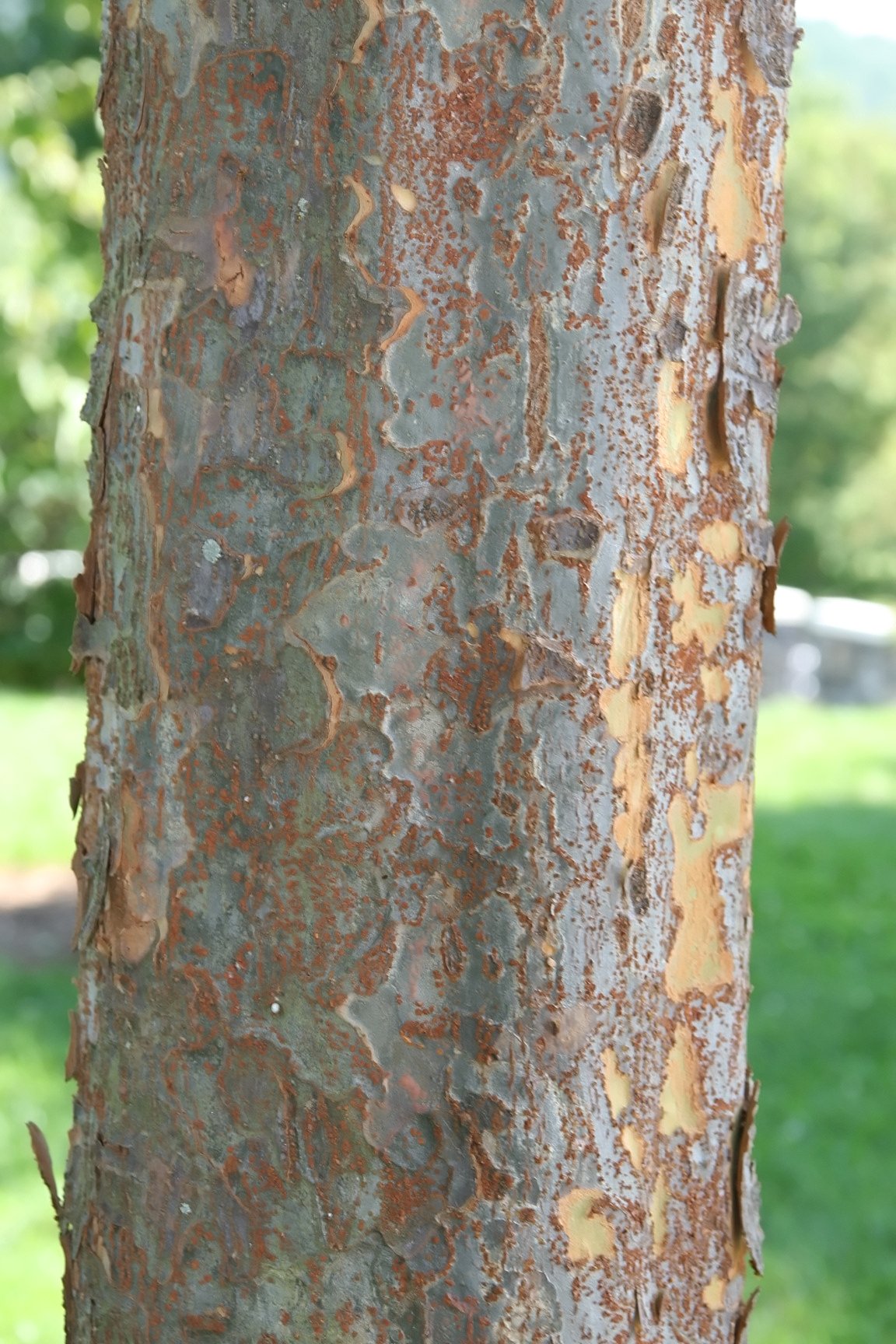
- Mature bark forms red-brown furrowed, rounded scaly plates; the trunk is erect and straight with upper branches curving upward while lower branches drop.
- Native range
- Southeastern United States