Plant: Burning Bush - DWARF
Burning Bush · Euonymus alatus 'Compactus'
Size: 3 gal
Light
Bloom
Mature size
More about this plant
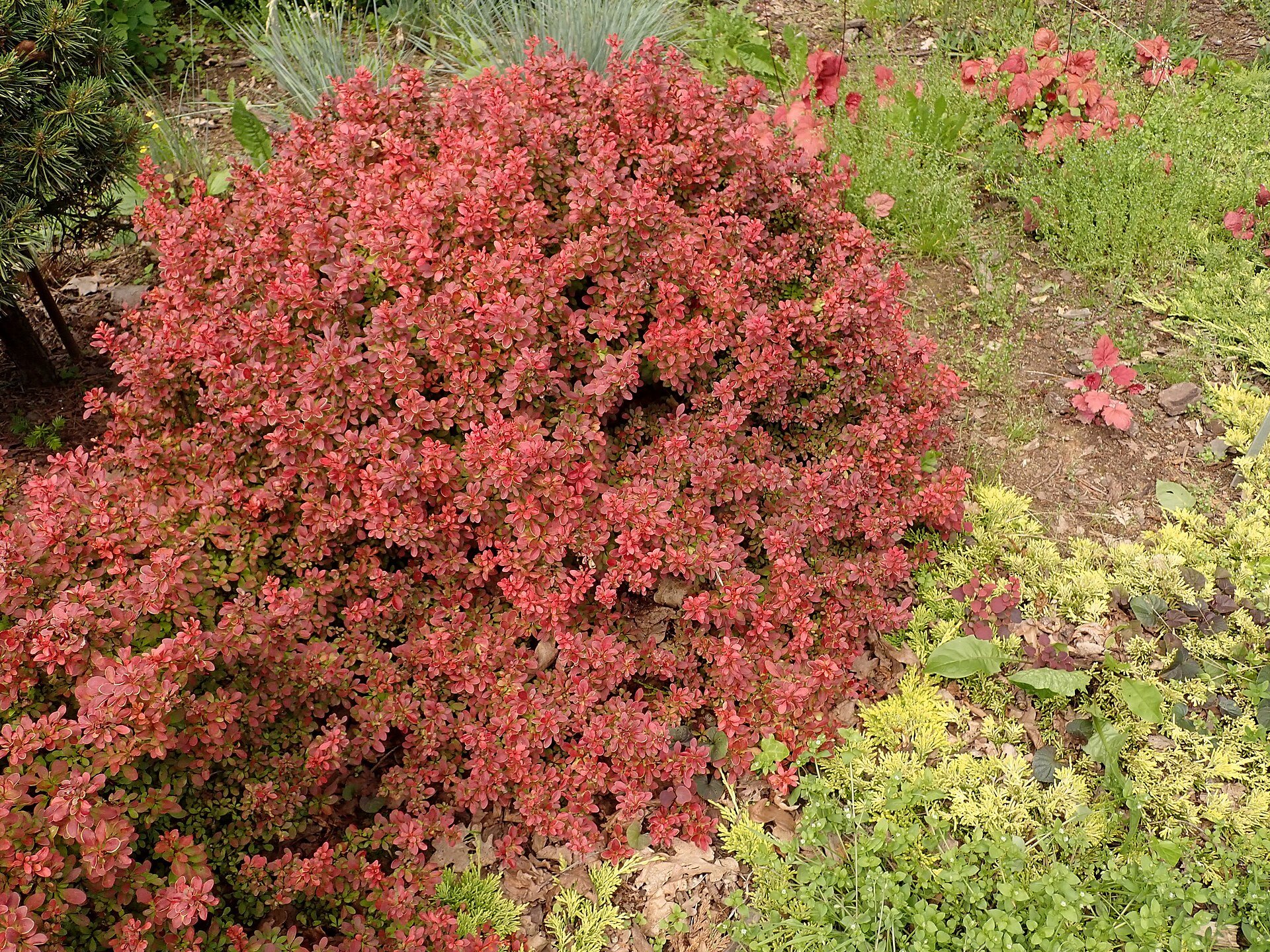
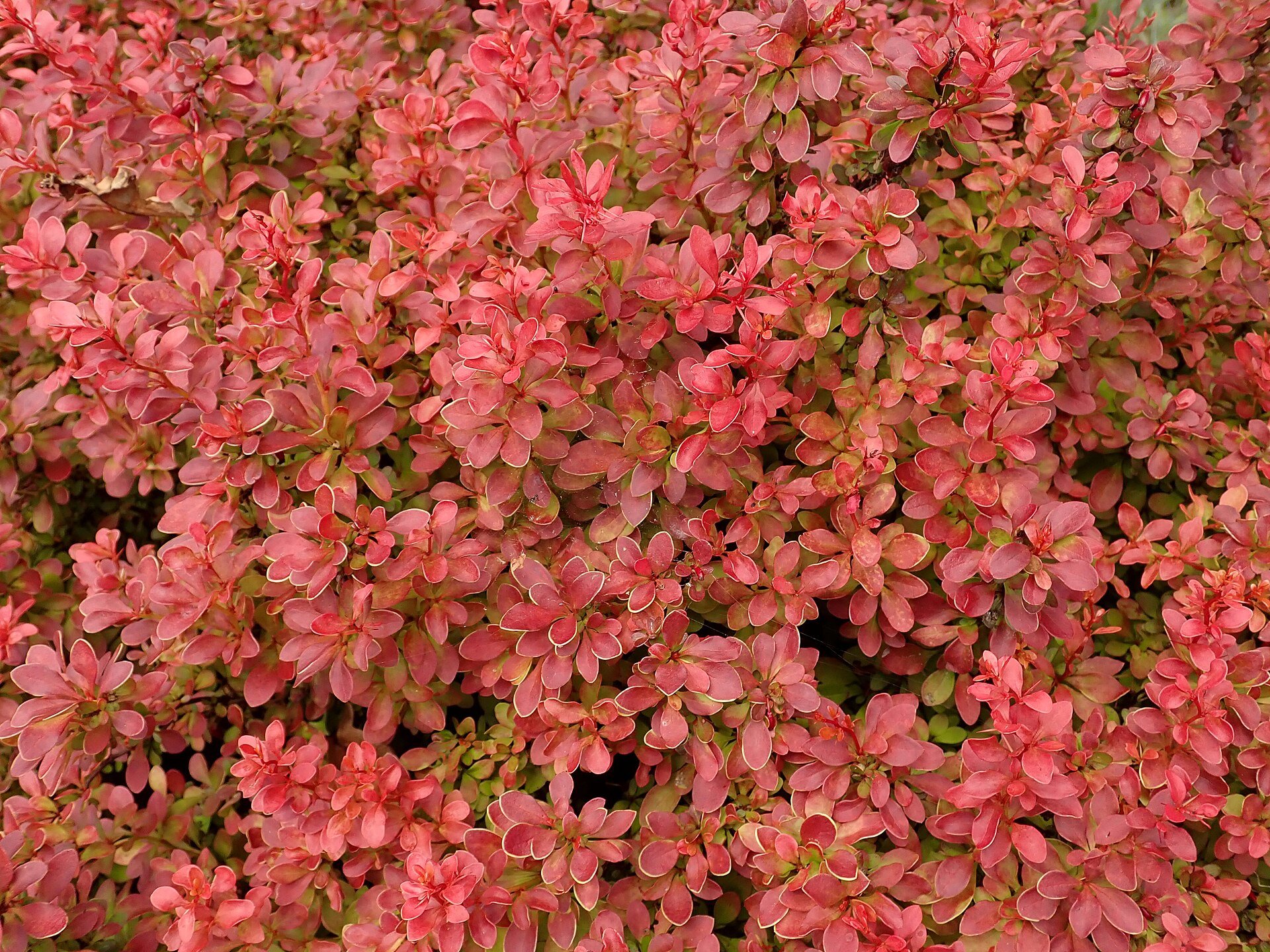
A dwarf form of burning bush reaching about 8 to 11 feet rather than the 20 feet of the species, forming a dense rounded multi stemmed shrub with corky winged stems. Green summer foliage turns bright red in fall, with the display strongest in full sun since less sun gives less dramatic color. It grows in average well drained soil in full sun to partial shade, tolerates clay, sand, drought, compaction and black walnut, but struggles on wet sites. Small greenish maroon spring flowers give way to orange red fall fruit that birds eat. Use it as an accent, in a border or as a foundation planting, keeping in mind that the parent species has become invasive in eastern and midwestern states.
- Full Sun
- Grows to 11 ft tall and 14 ft wide
- Blooms in spring
- Hardy in USDA zones 4-8
- Deciduous foliage
Plant description
A dwarf form of burning bush reaching about 8 to 11 feet rather than the 20 feet of the species, forming a dense rounded multi stemmed shrub with corky winged stems. Green summer foliage turns bright red in fall, with the display strongest in full sun since less sun gives less dramatic color. It grows in average well drained soil in full sun to partial shade, tolerates clay, sand, drought, compaction and black walnut, but struggles on wet sites. Small greenish maroon spring flowers give way to orange red fall fruit that birds eat. Use it as an accent, in a border or as a foundation planting, keeping in mind that the parent species has become invasive in eastern and midwestern states.
- Flowers
- Inconspicuous four petaled greenish maroon flowers under one third inch across appear in spring in small cymes.
- Foliage
- Simple opposite deciduous leaves 1 to 3 inches long, elliptical to obovate with crenulate to serrate margins, green in summer and turning bright red in fall.
- Fruit
- Roughly one third inch capsules split open in fall to reveal tiny seeds wrapped in a fleshy orange red aril.
- Bark & stems
- Brown stems carry conspicuous corky ridges or wings that are most noticeable in winter; older bark is dark brown to dark gray and furrowed.