Plant: Biloxi - Crape Myrtle
Crape Myrtle · Lagerstroemia indica 'Biloxi'
Size: 15 gal
Light
Bloom
Mature size
More about this plant
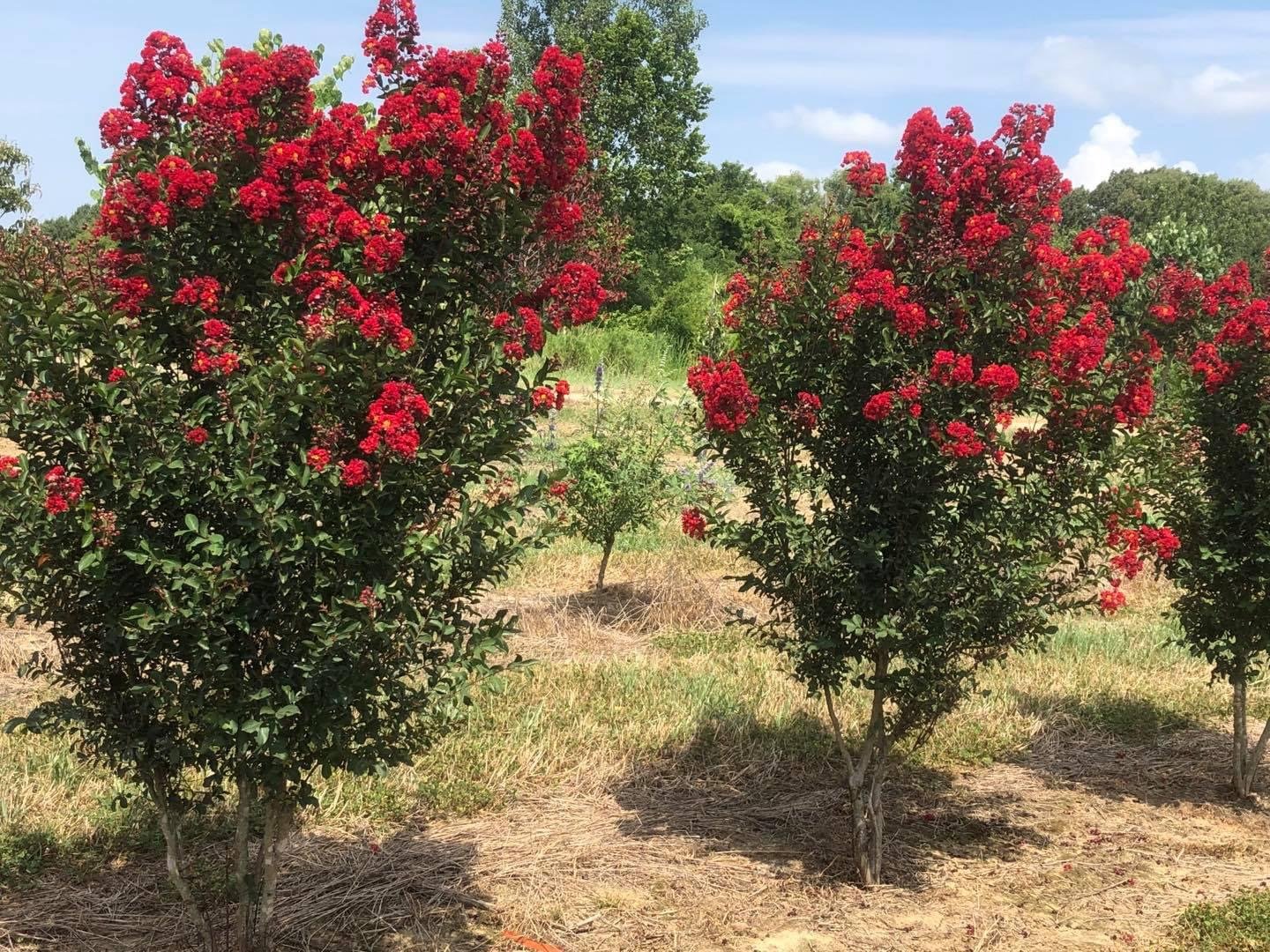
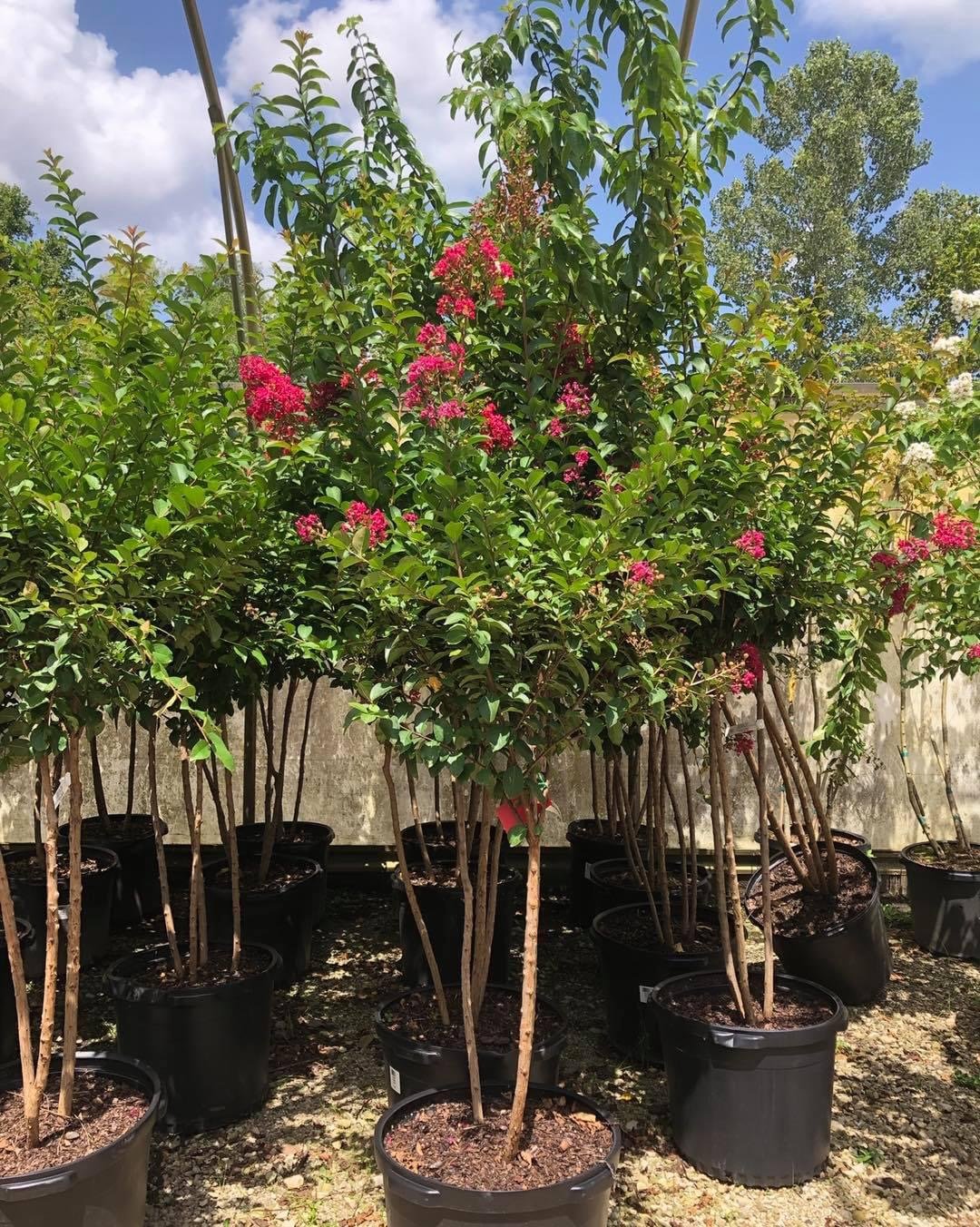
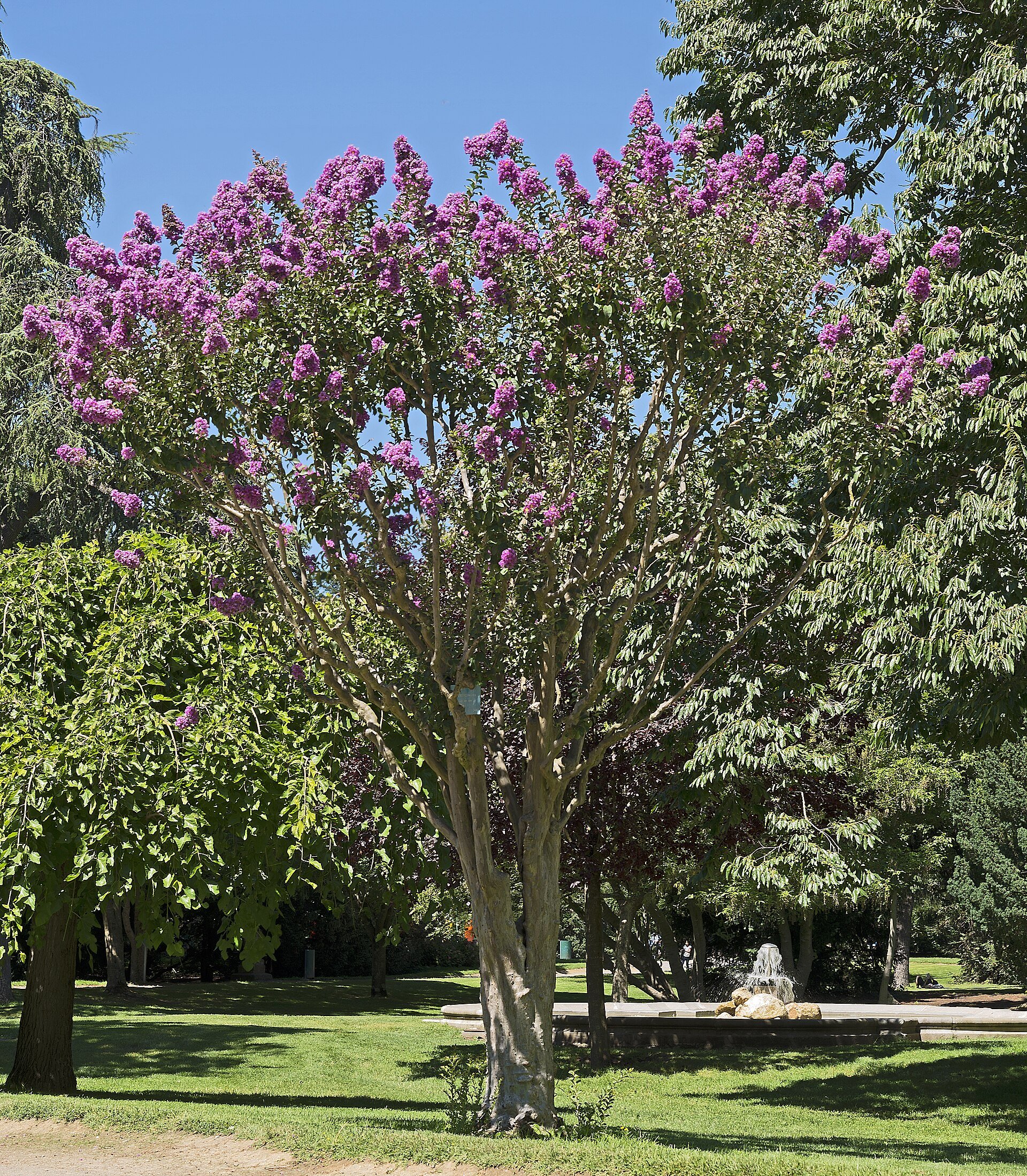
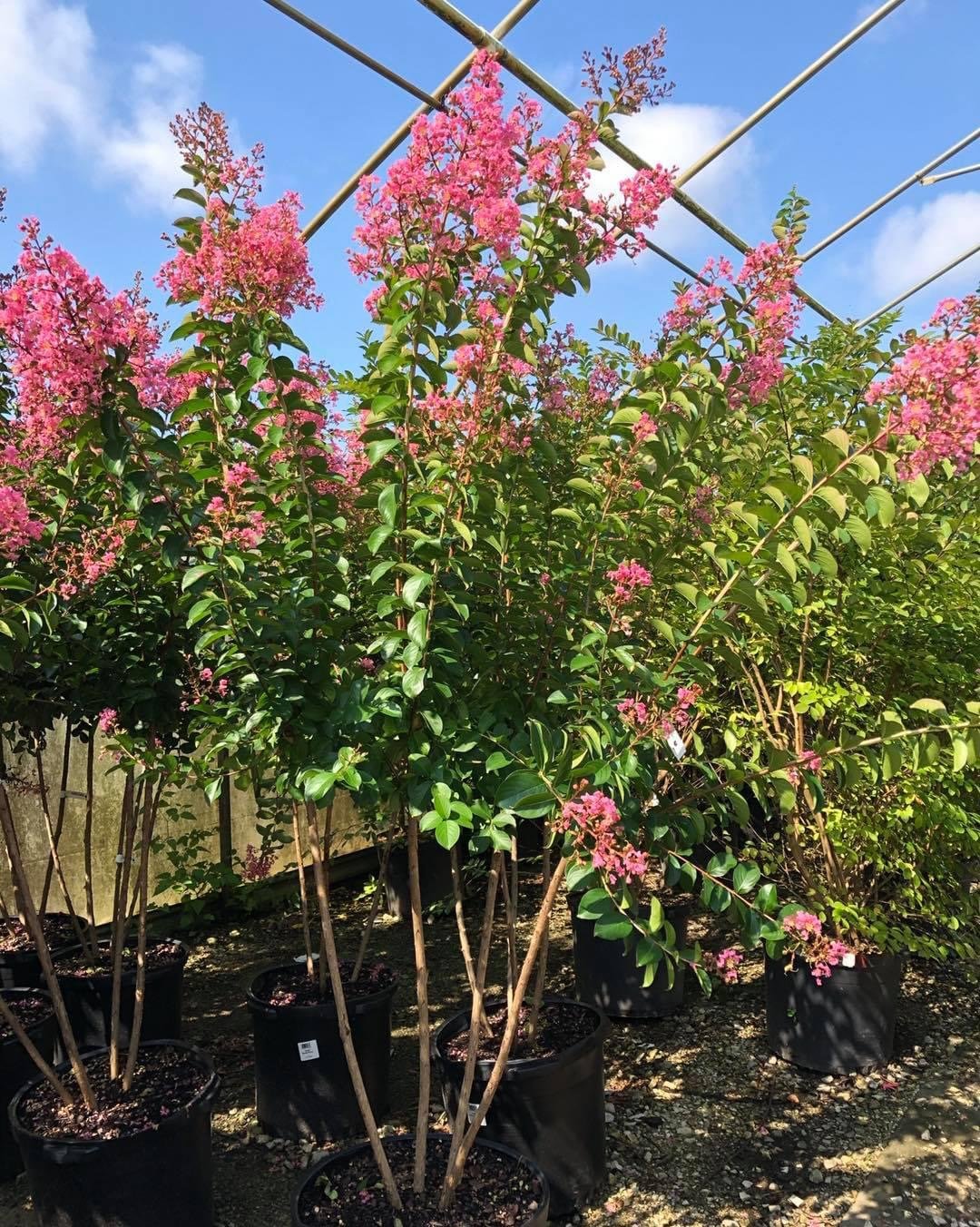
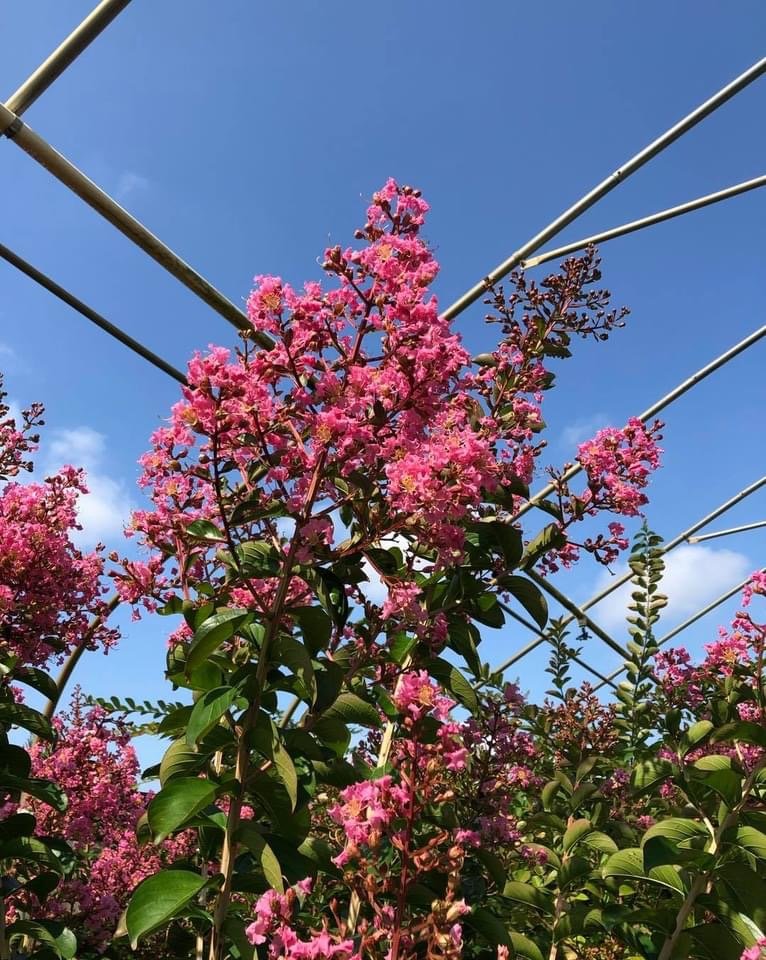
Biloxi is a hybrid crape myrtle introduced in 1977, an upright, multi stemmed, open and spreading deciduous small tree reaching 15 to 25 feet tall and wide. Showy globose panicles 6 to 12 inches long carry pale pink crinkled, crepe paper like blooms from midsummer into early fall, and the green opposite leaves turn gold, orange and red in autumn. Beige brown bark is smooth, mottled and peeling. Grow in full sun in loam or sandy, well drained soil; it is slow growing, low maintenance, resistant to powdery mildew and verticillium wilt, and tolerates drought, compaction, pollution and urban conditions.
- Full Sun
- Grows to 25 ft tall and 25 ft wide
- Blooms in summer, fall
- Hardy in USDA zones 7-9
- Deciduous foliage
Plant description
Biloxi is a hybrid crape myrtle introduced in 1977, an upright, multi stemmed, open and spreading deciduous small tree reaching 15 to 25 feet tall and wide. Showy globose panicles 6 to 12 inches long carry pale pink crinkled, crepe paper like blooms from midsummer into early fall, and the green opposite leaves turn gold, orange and red in autumn. Beige brown bark is smooth, mottled and peeling. Grow in full sun in loam or sandy, well drained soil; it is slow growing, low maintenance, resistant to powdery mildew and verticillium wilt, and tolerates drought, compaction, pollution and urban conditions.
- Flowers
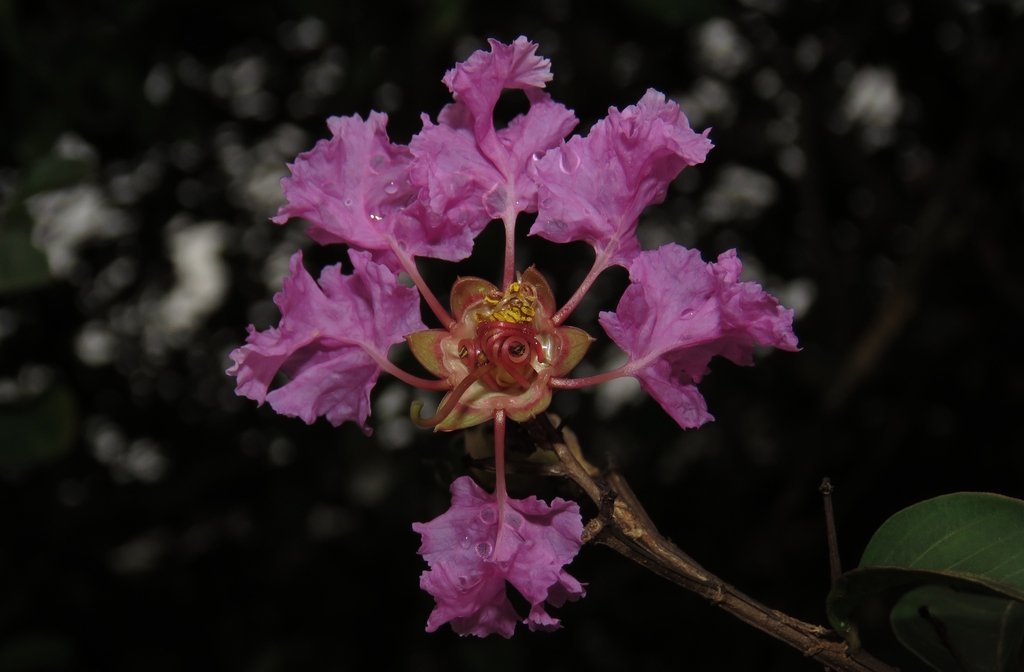
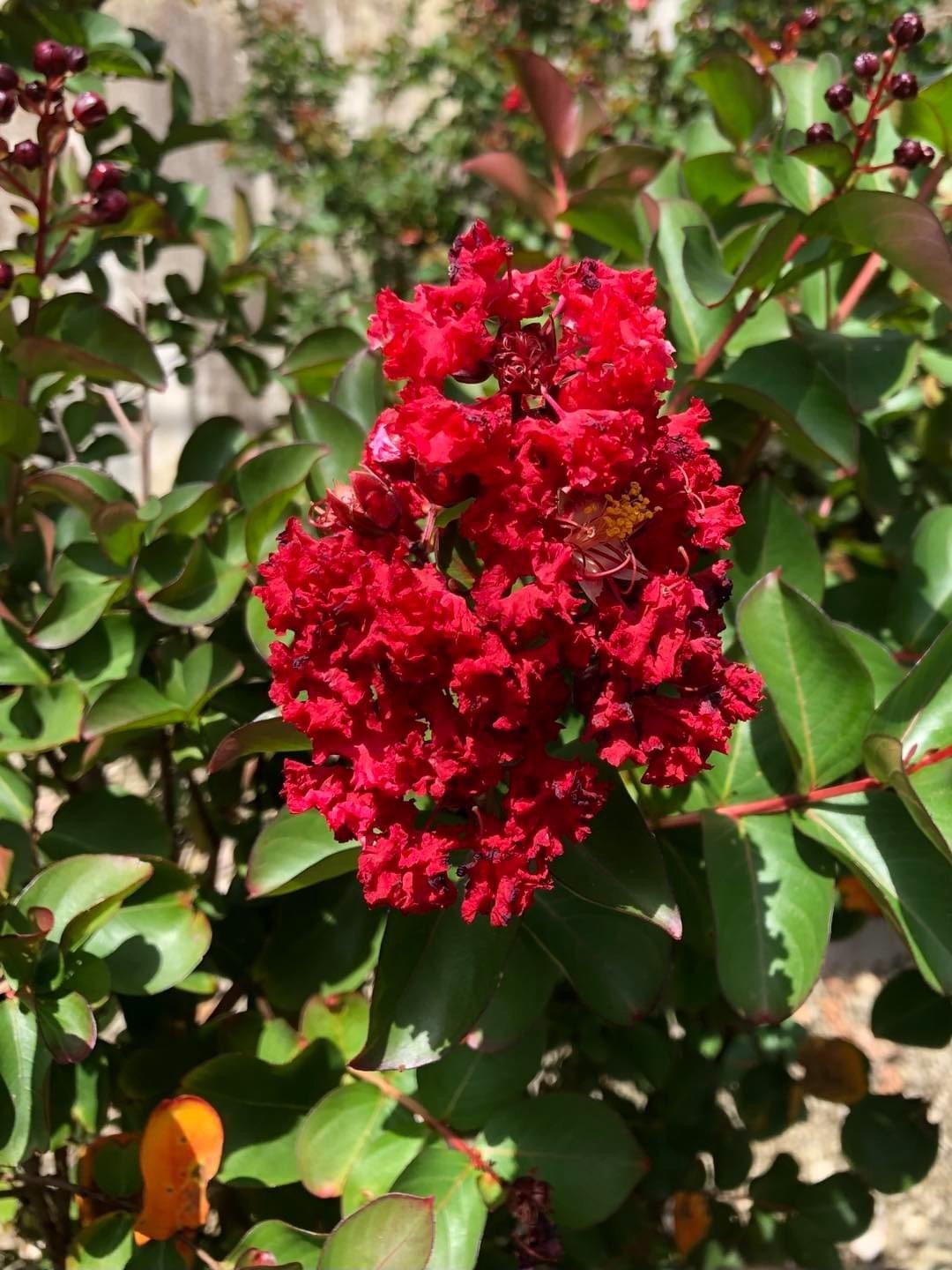
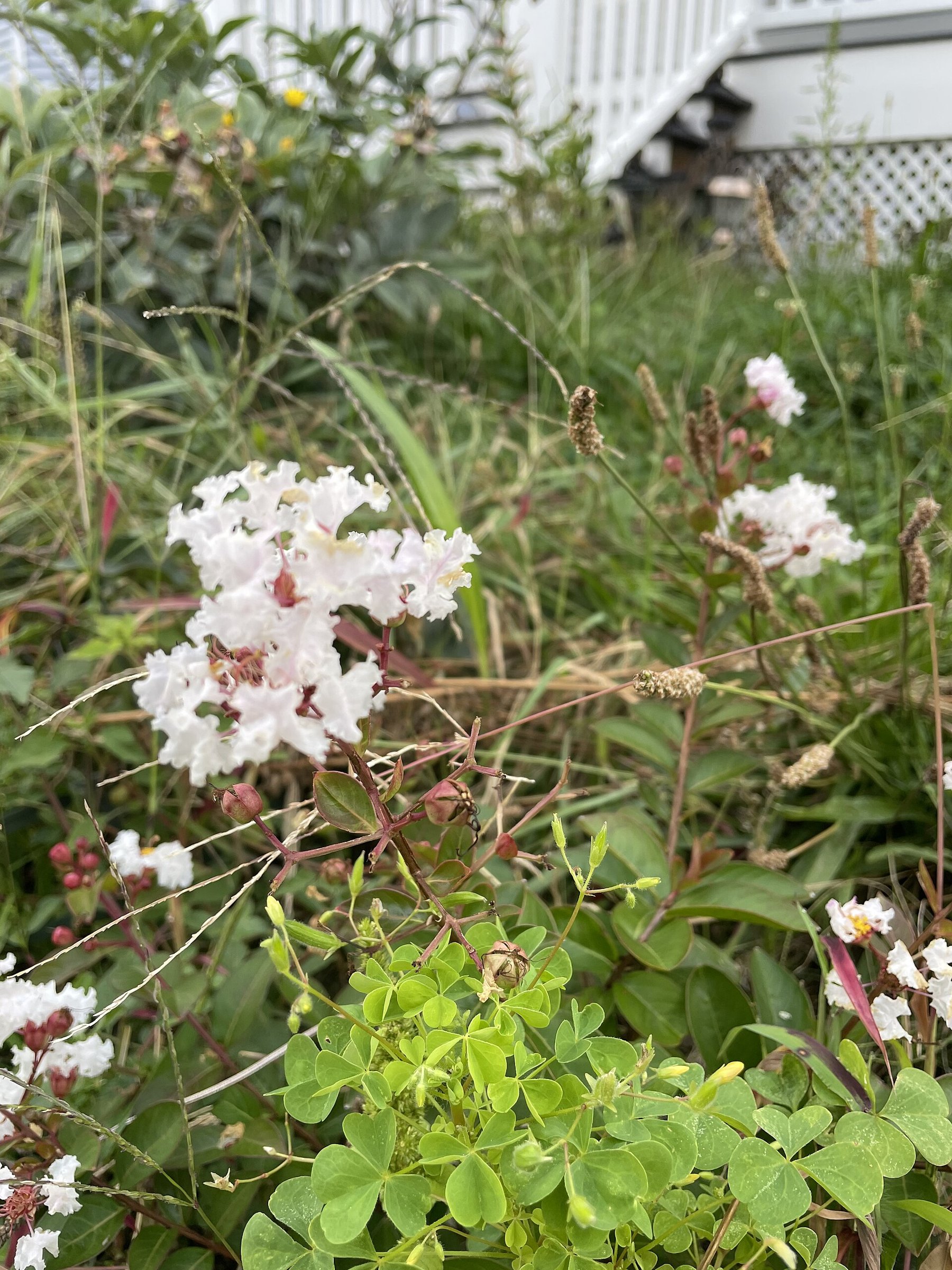
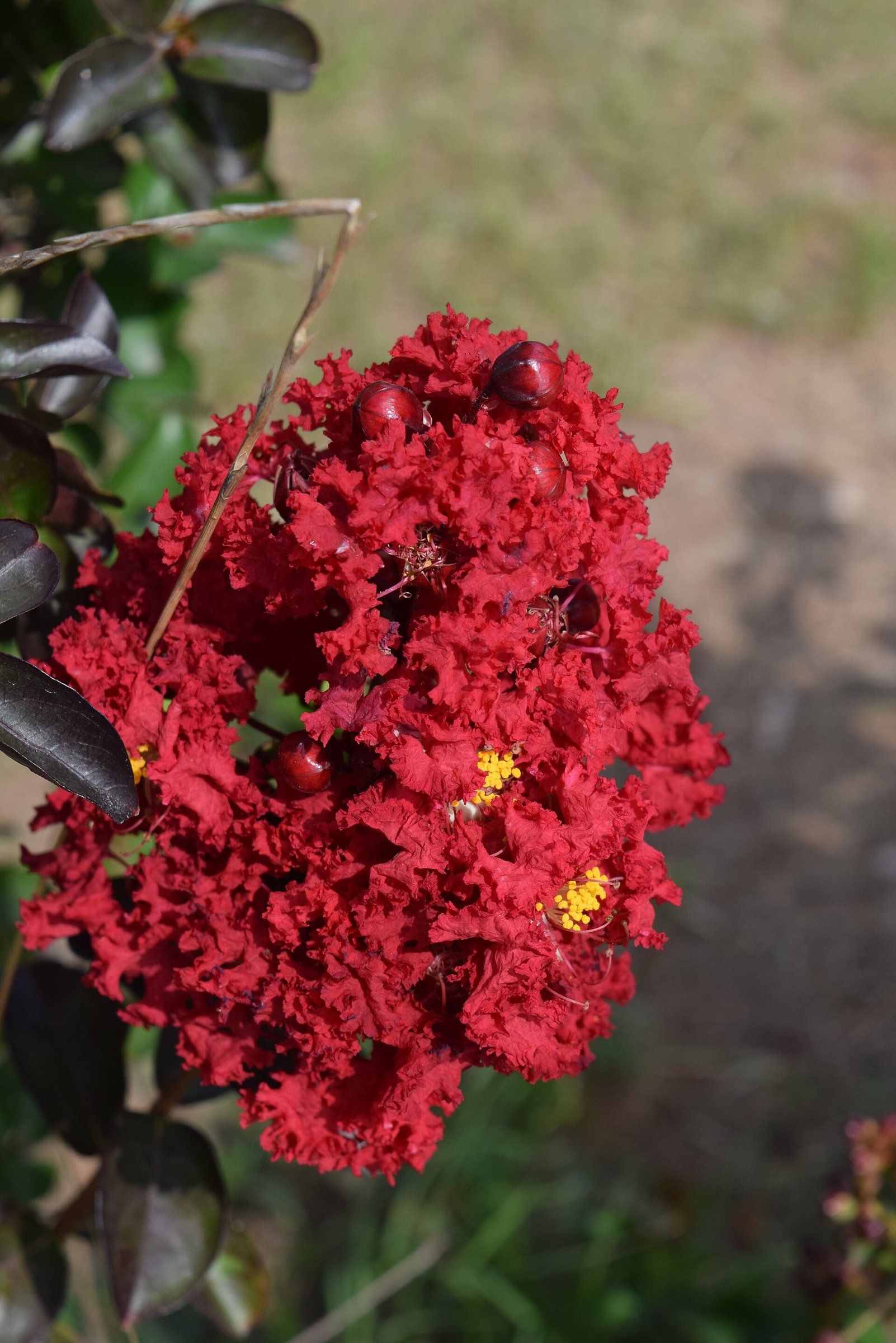
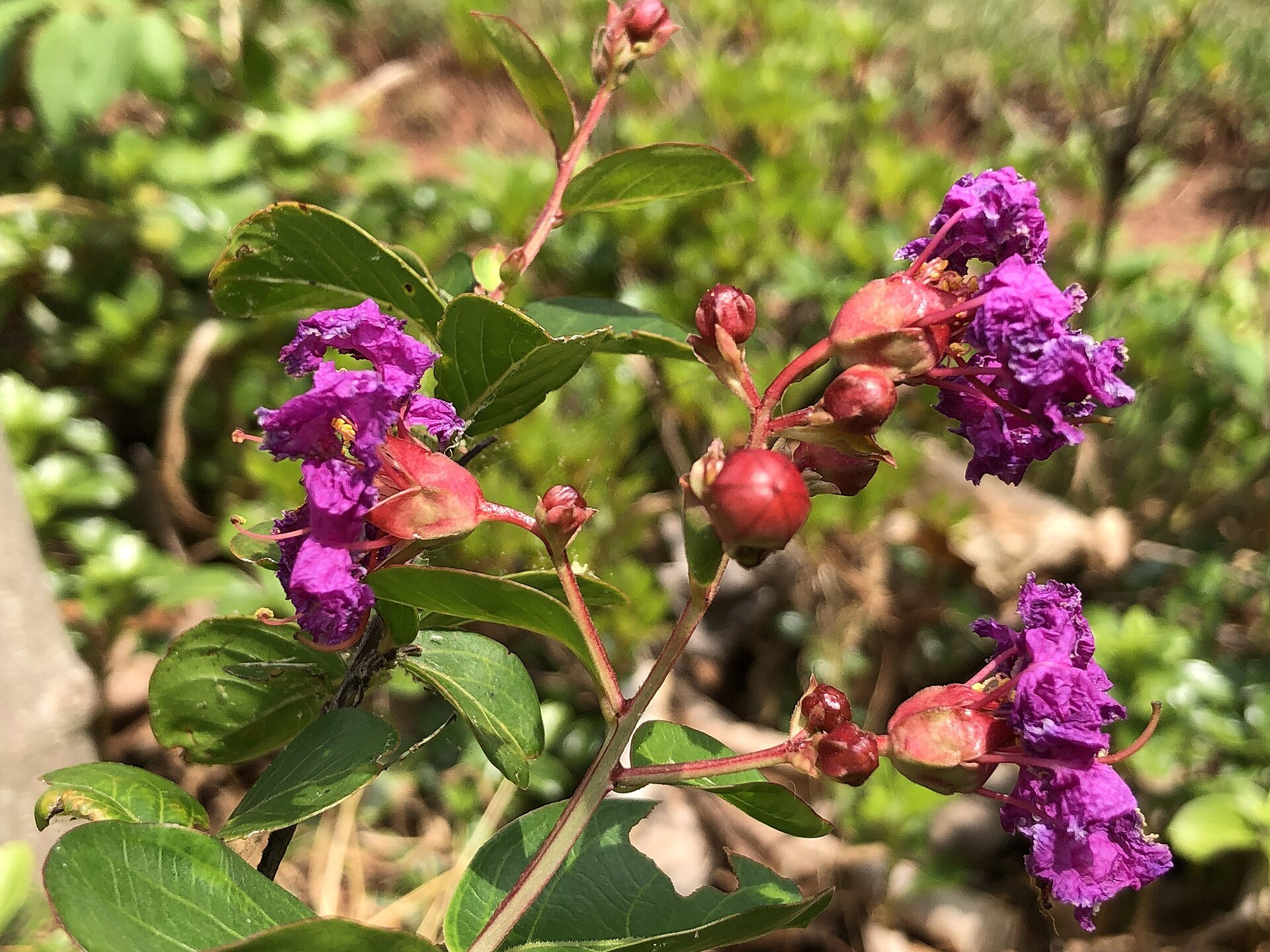
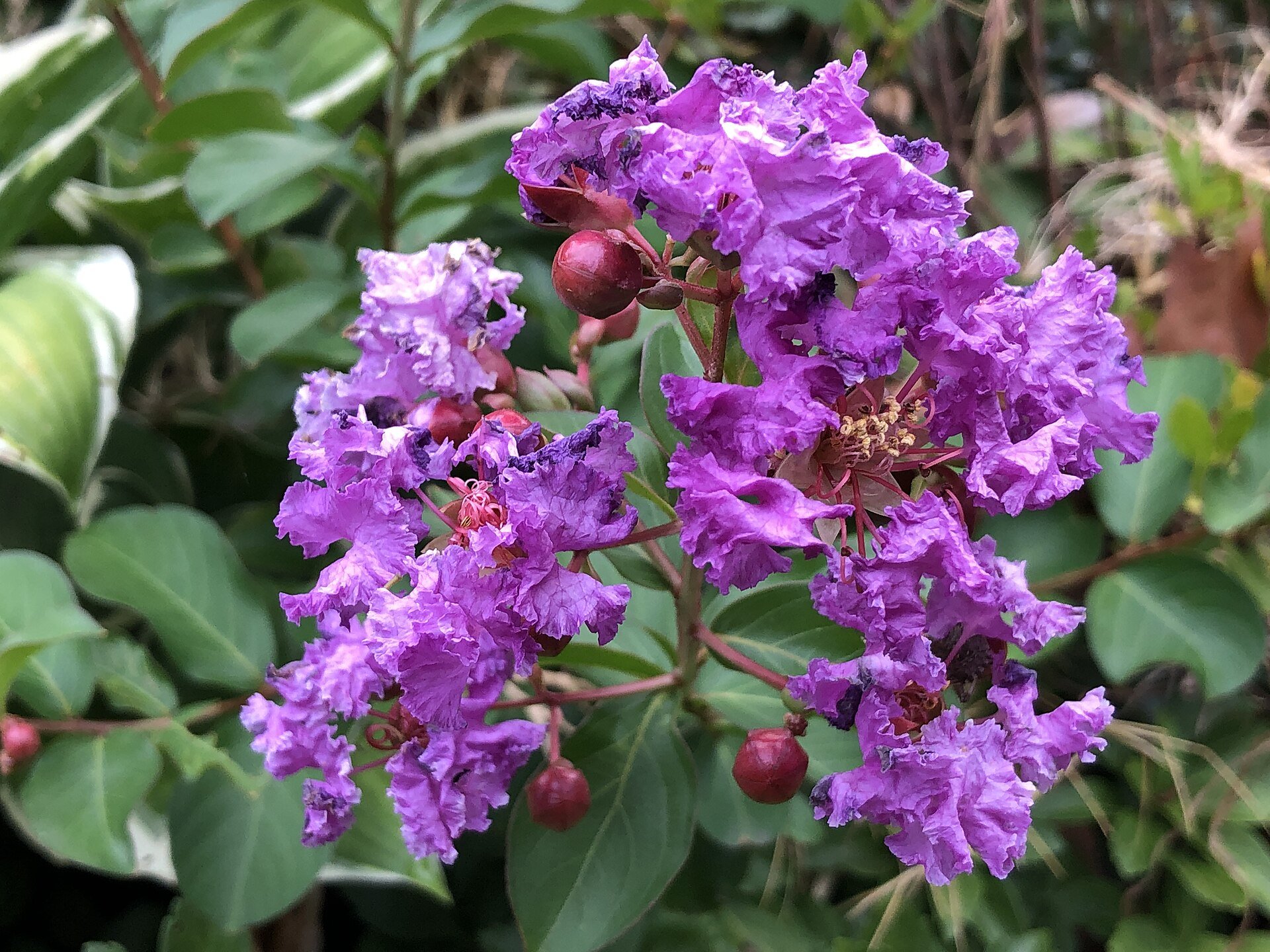
- Showy globose panicles 6 to 12 inches long of pale pink blooms; each flower appears crinkled, resembling crepe paper.
- Foliage
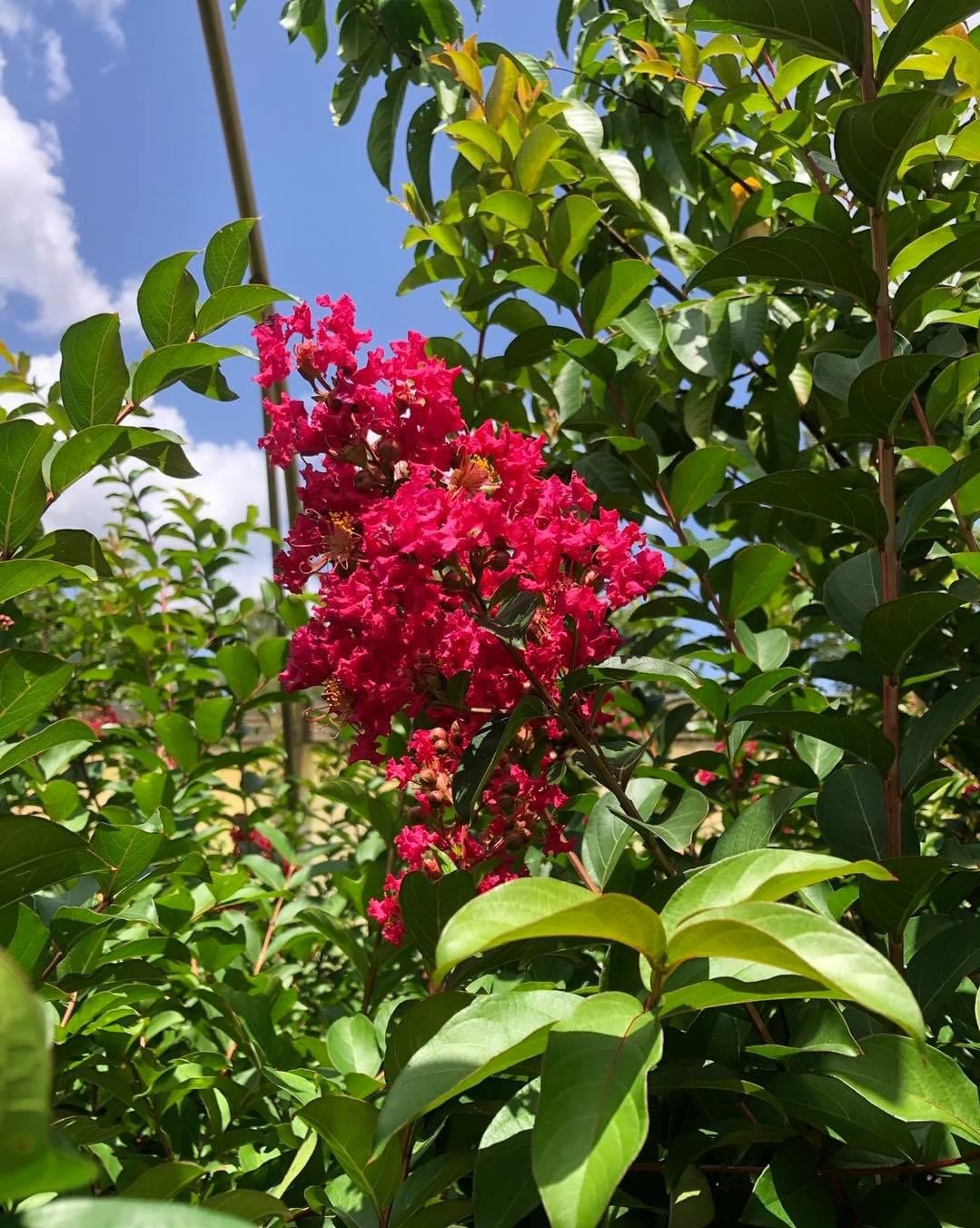
- Simple leaves emerge green with red tinges and become dark green by summer, smooth and leathery with entire margins, oblong to elliptic to obovate, 1 to 3 inches long, on very short petioles.
- Fruit
- Six valved dehiscent capsules, brown and about half an inch wide, persisting through winter; the disc shaped seeds are 3/8 inch across and winged.
- Bark & stems
- Beige brown bark is smooth, mottled and peeling.
- Native range
- Central Himalaya to S. China and Indo-China, Philippines, Japan