

Plant: Muskogee - Crape Myrtle
Crape Myrtle · Lagerstroemia indica 'Muskogee'
Size: 15 gal
Light
Bloom
Mature size
More about this plant
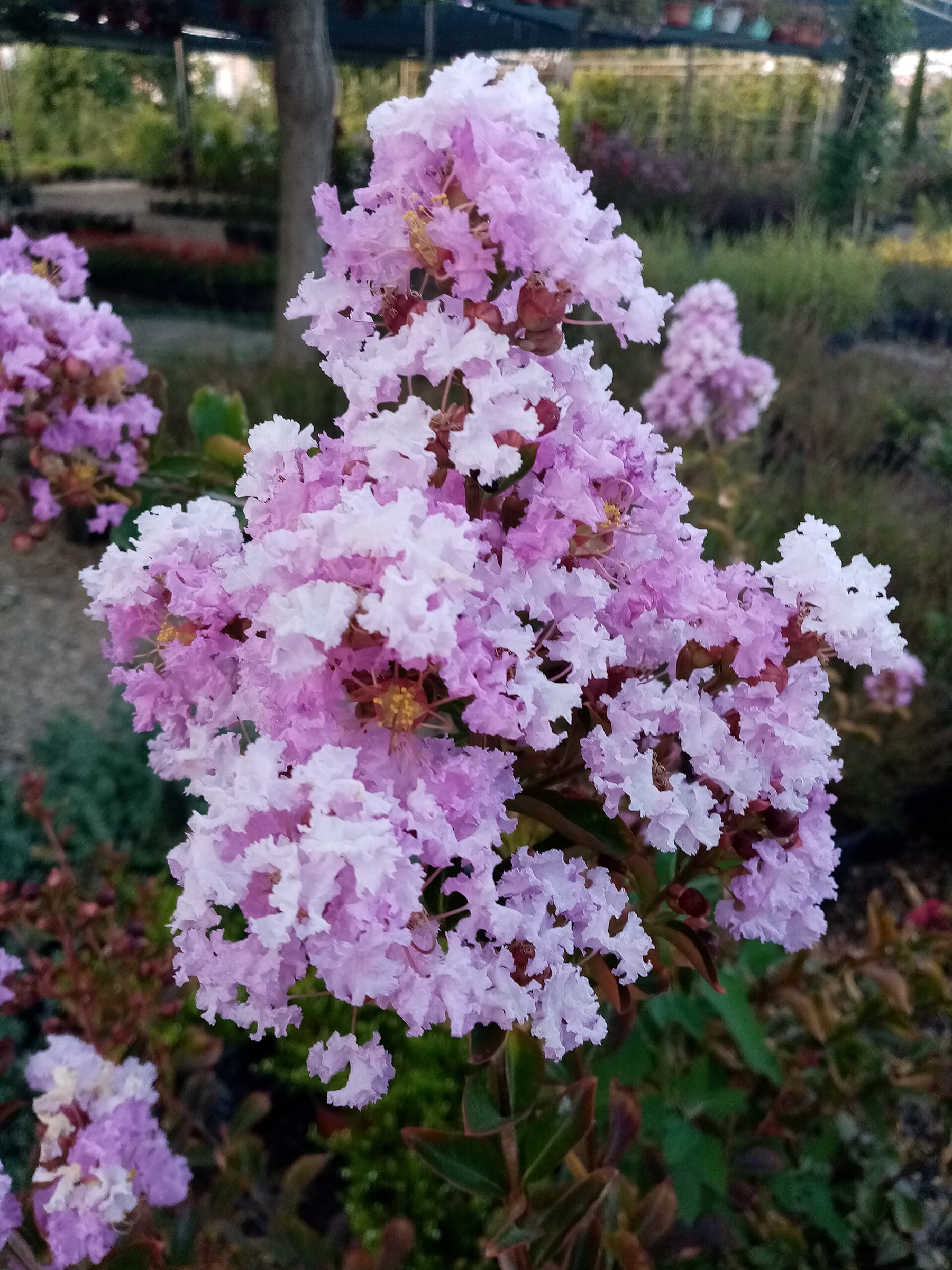
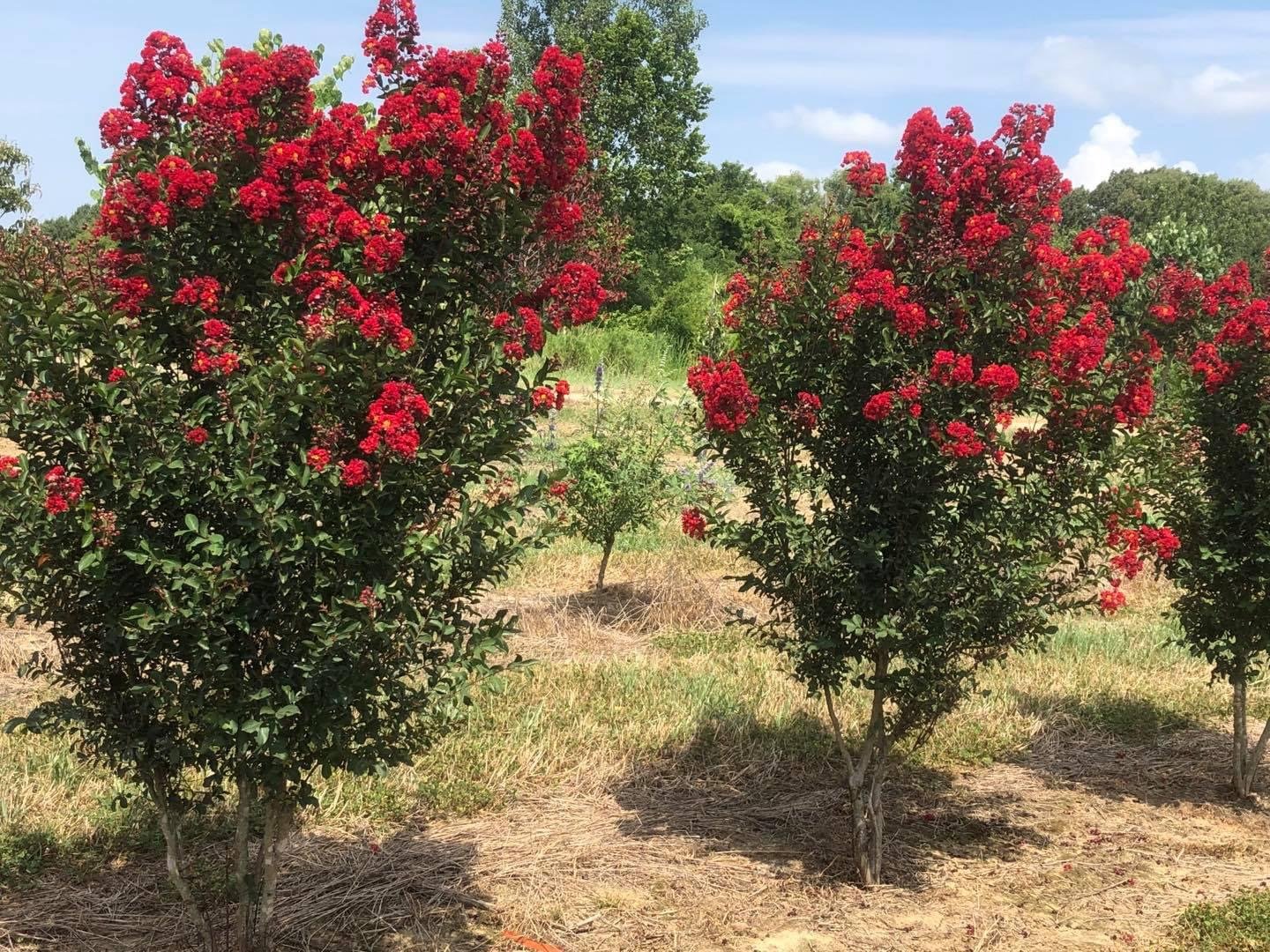
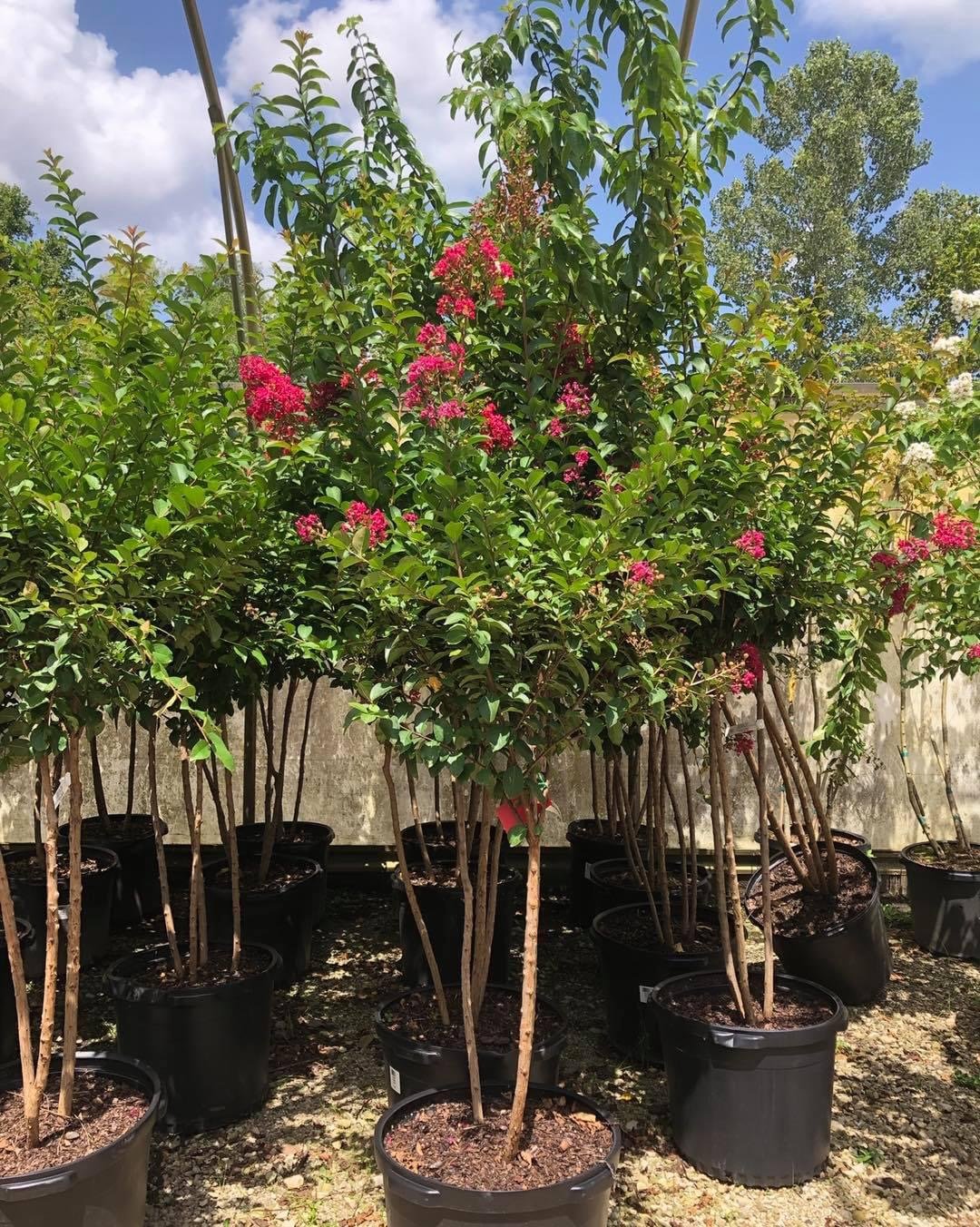
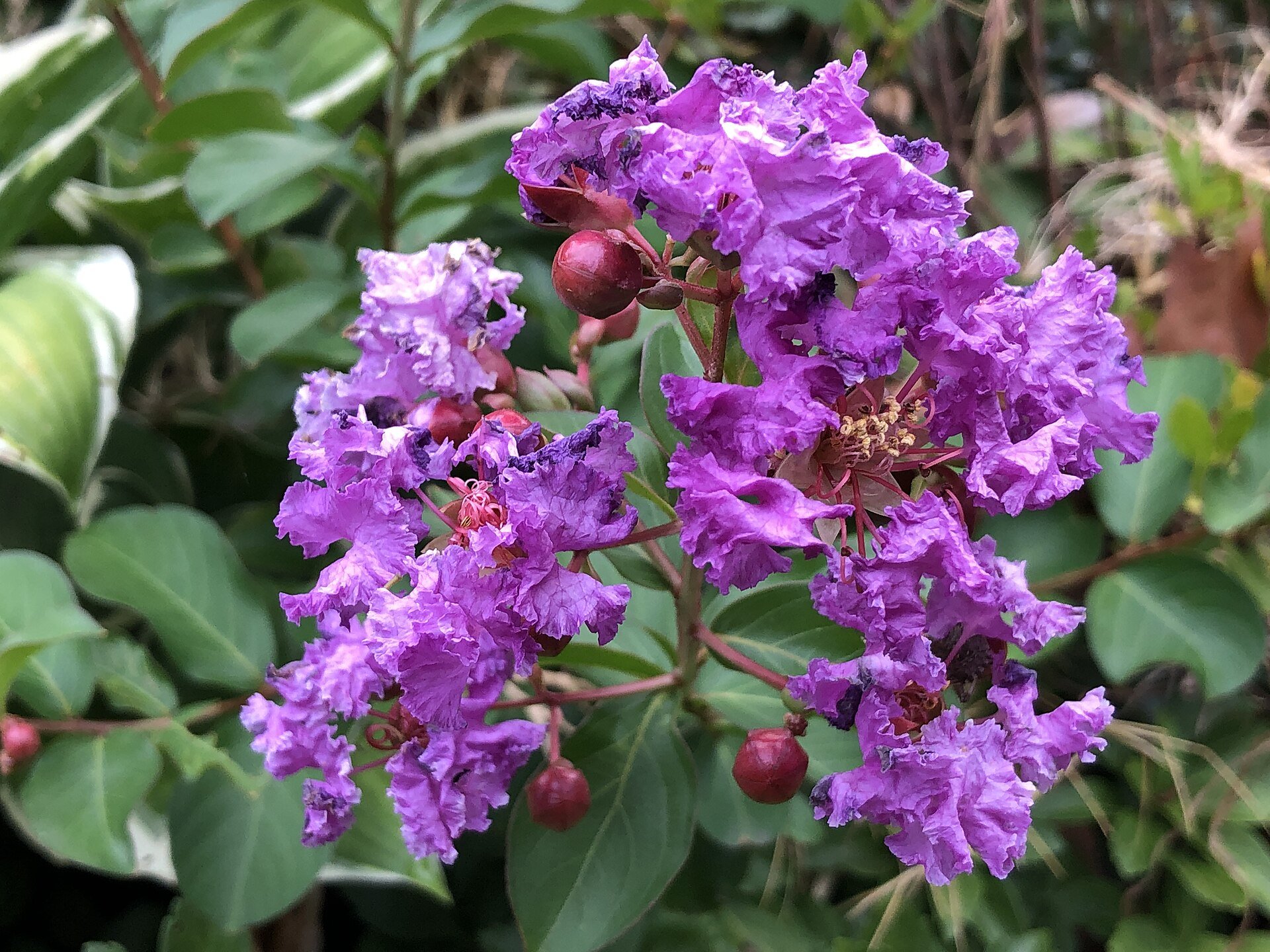
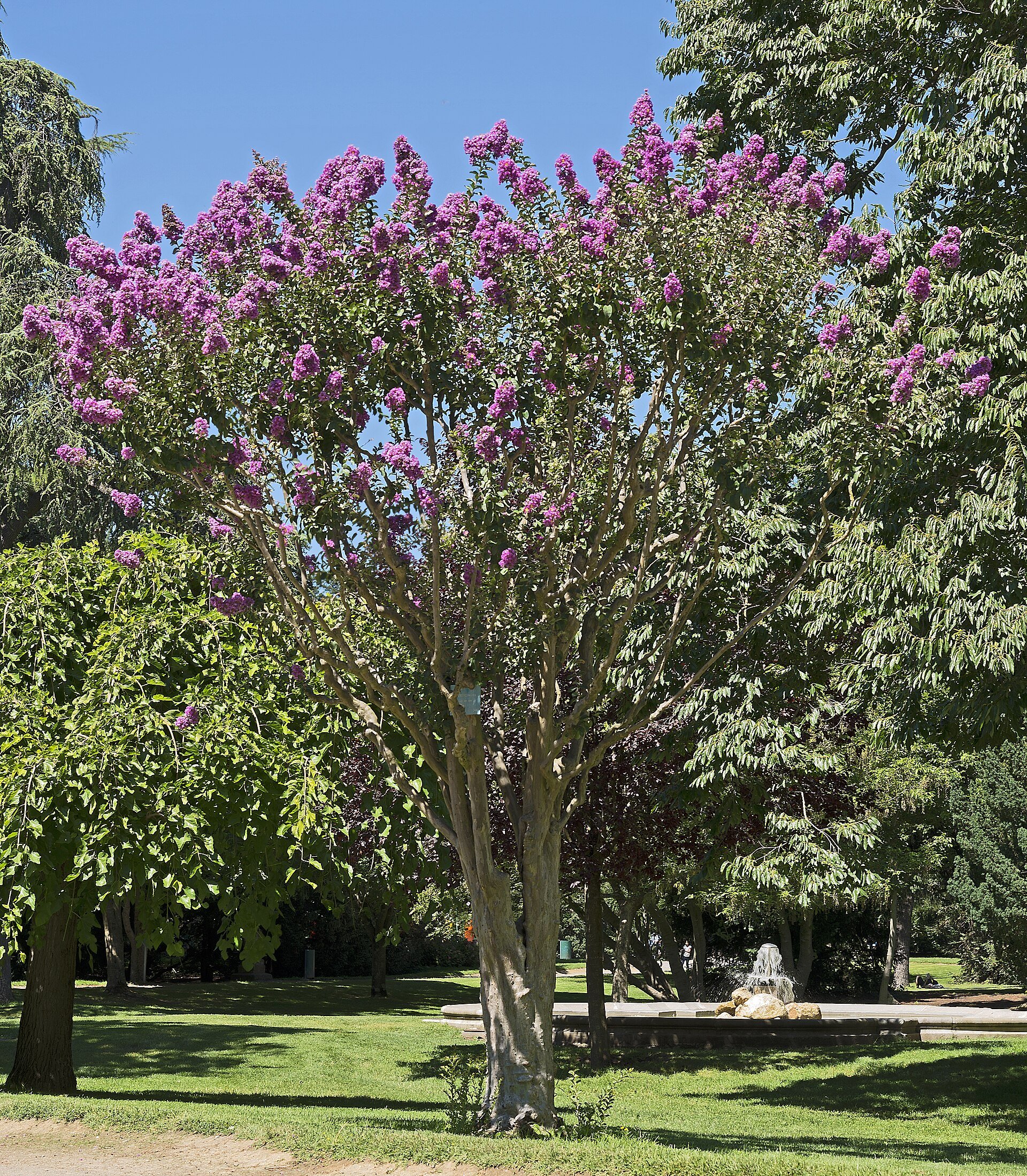
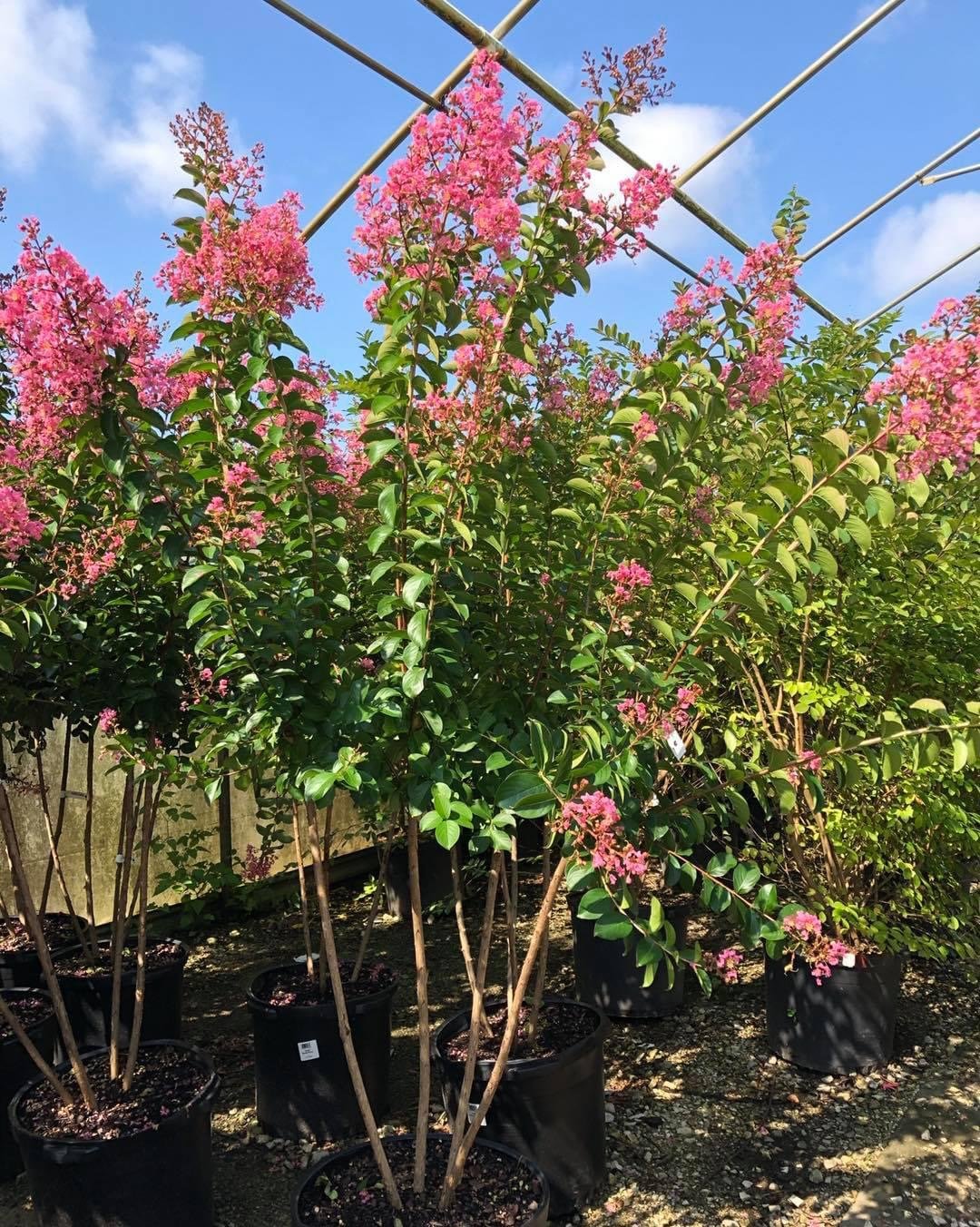
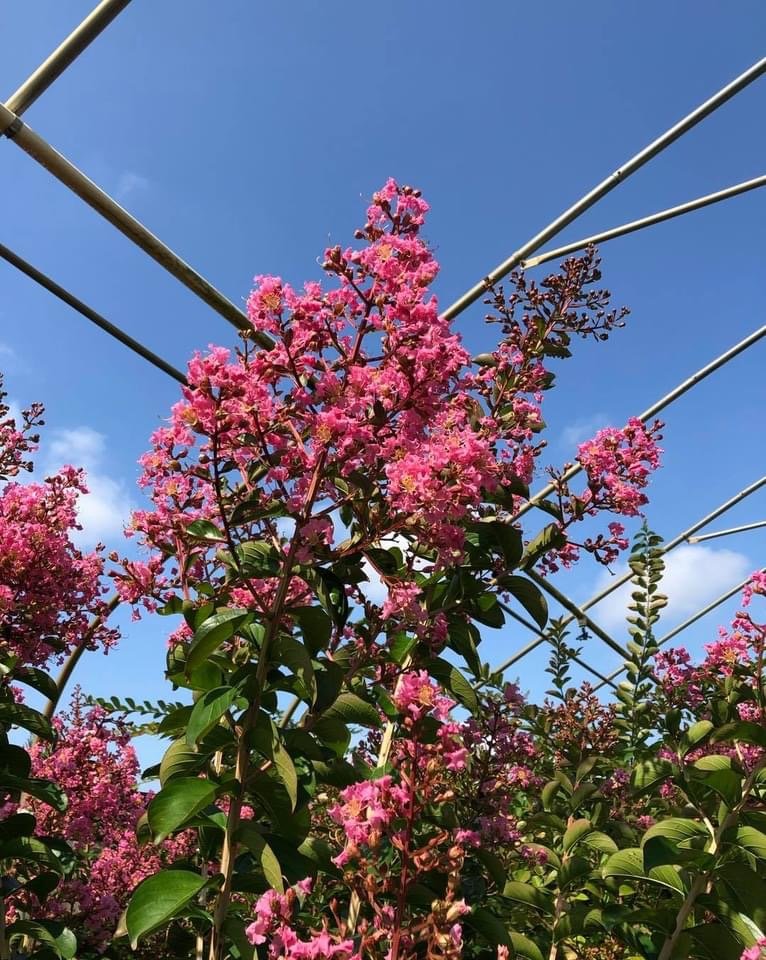
Muskogee is a hybrid crape myrtle listed by Clemson with light lavender flowers, a mature height near 35 feet and a light gray brown trunk, making it one of the tall selections. Crepe paper like flowers open in terminal panicles from July into September above glossy dark green leaves that turn yellow, orange or red in fall, and the thin bark peels and exfoliates for winter interest. Give it full sun and moist, well drained soil; it accepts clay, sand and a wide pH range and resists deer, drought and air pollution once established.
- Full Sun
- Grows to 35 ft tall and 20 ft wide
- Blooms in summer, fall
- Hardy in USDA zones 6-9
- Deciduous foliage
Plant description
Muskogee is a hybrid crape myrtle listed by Clemson with light lavender flowers, a mature height near 35 feet and a light gray brown trunk, making it one of the tall selections. Crepe paper like flowers open in terminal panicles from July into September above glossy dark green leaves that turn yellow, orange or red in fall, and the thin bark peels and exfoliates for winter interest. Give it full sun and moist, well drained soil; it accepts clay, sand and a wide pH range and resists deer, drought and air pollution once established.
- Flowers
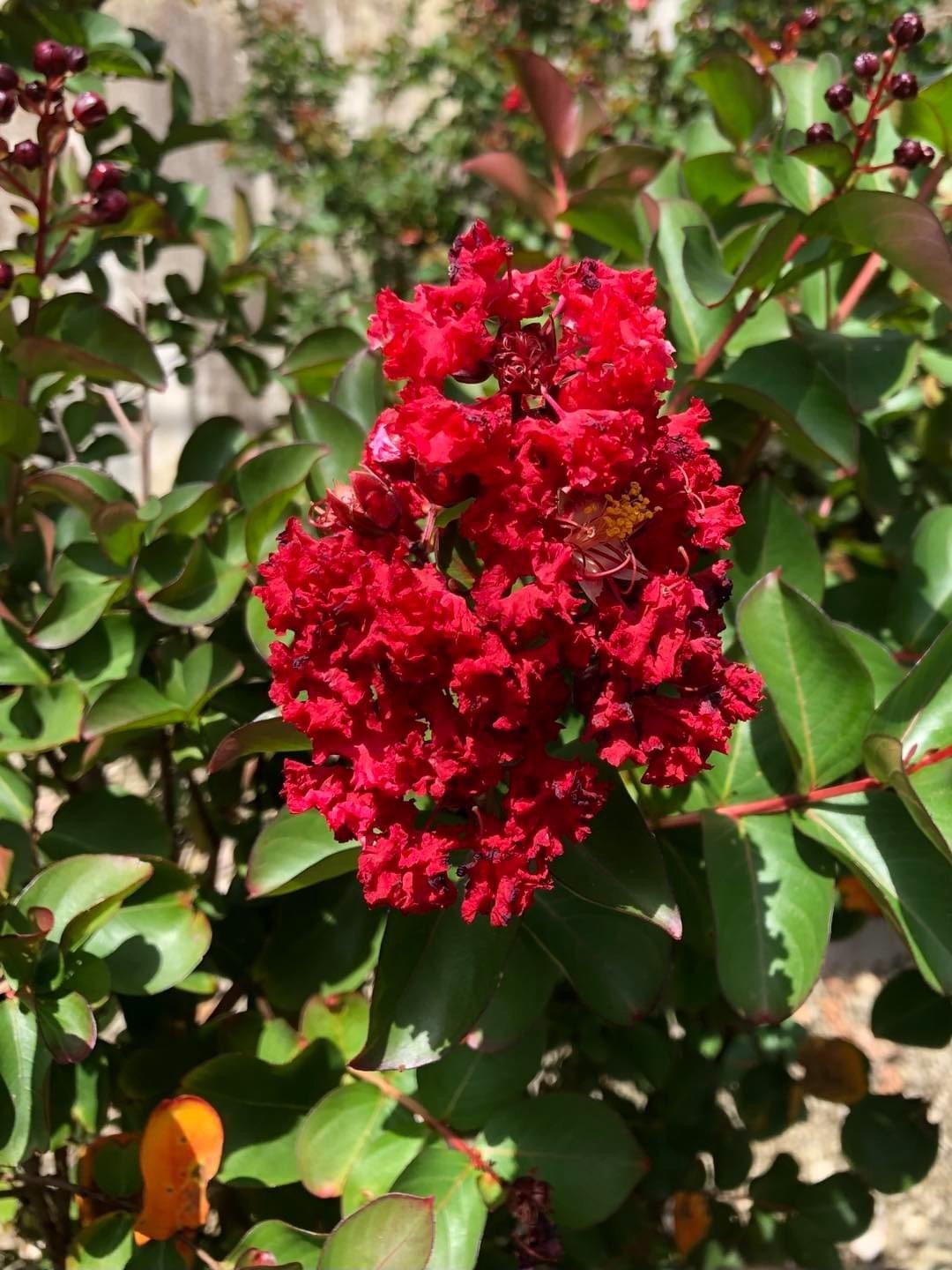
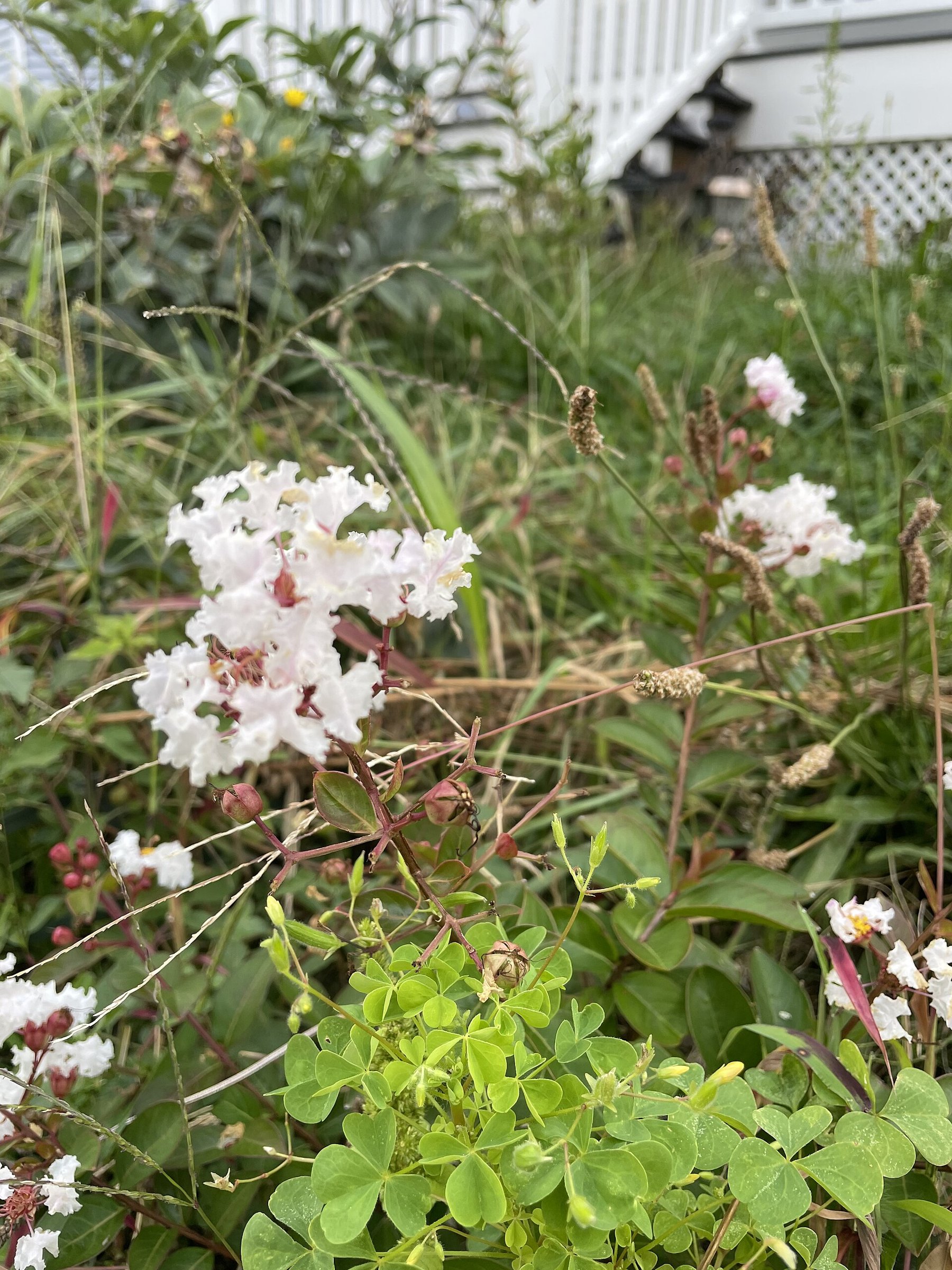
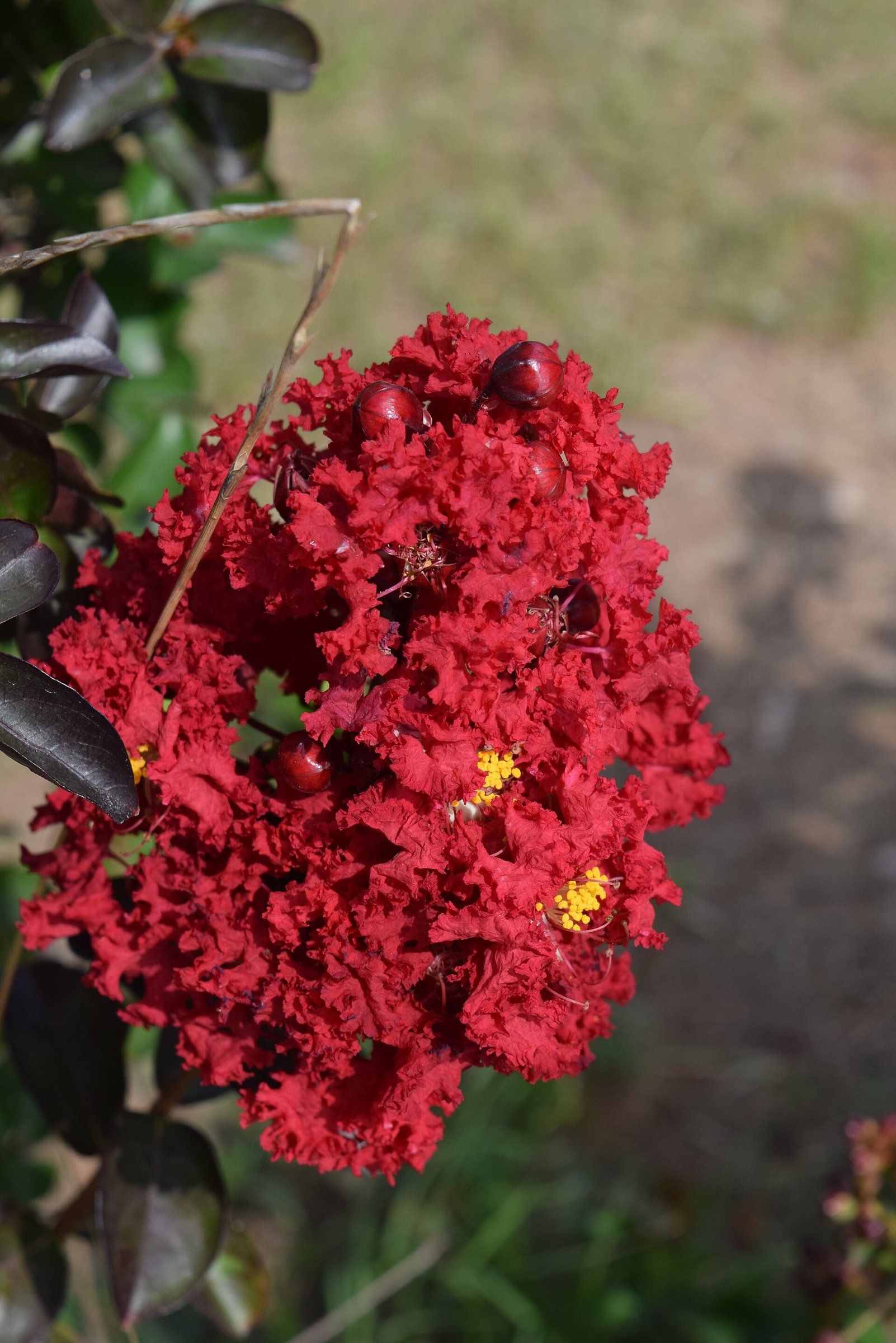
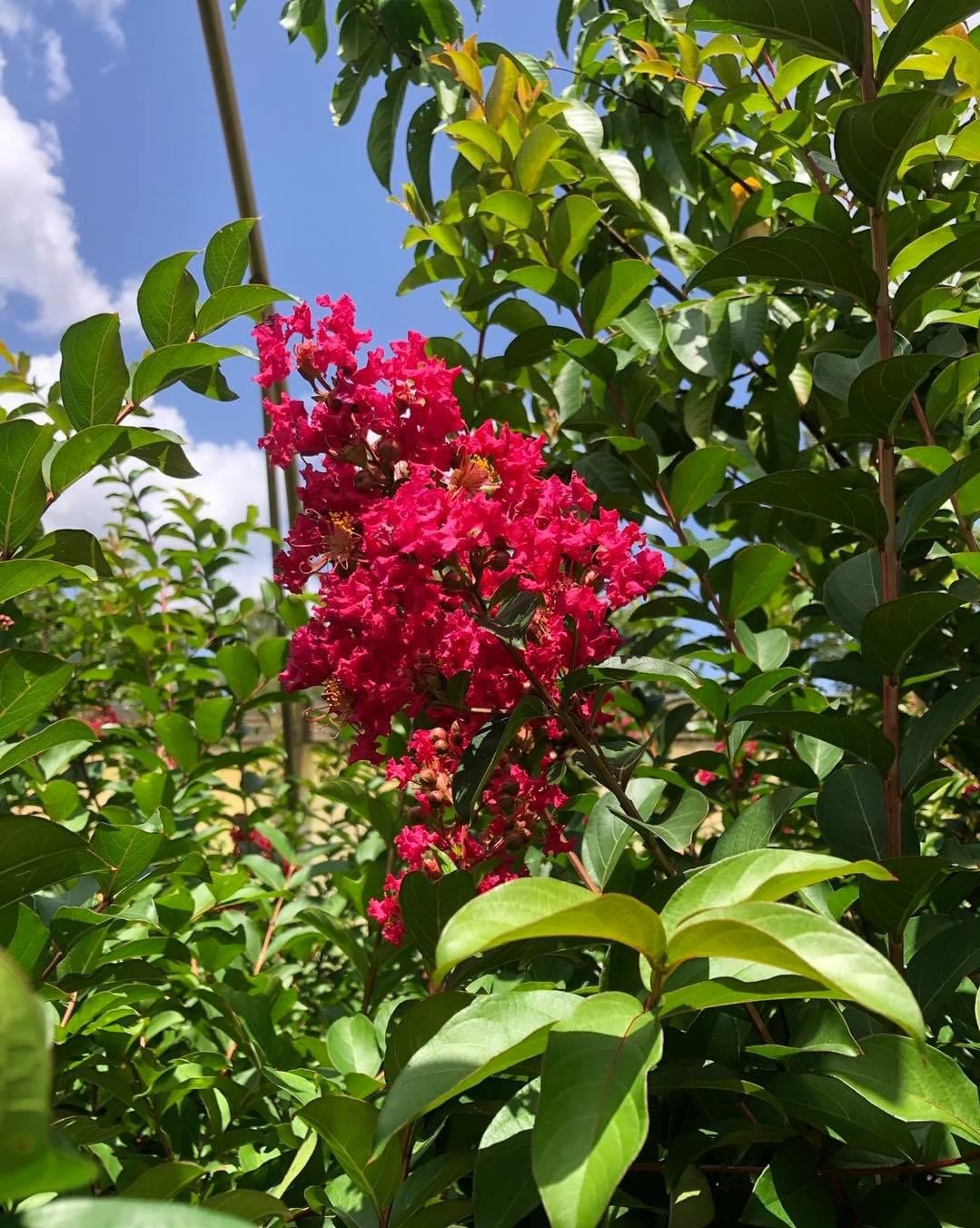
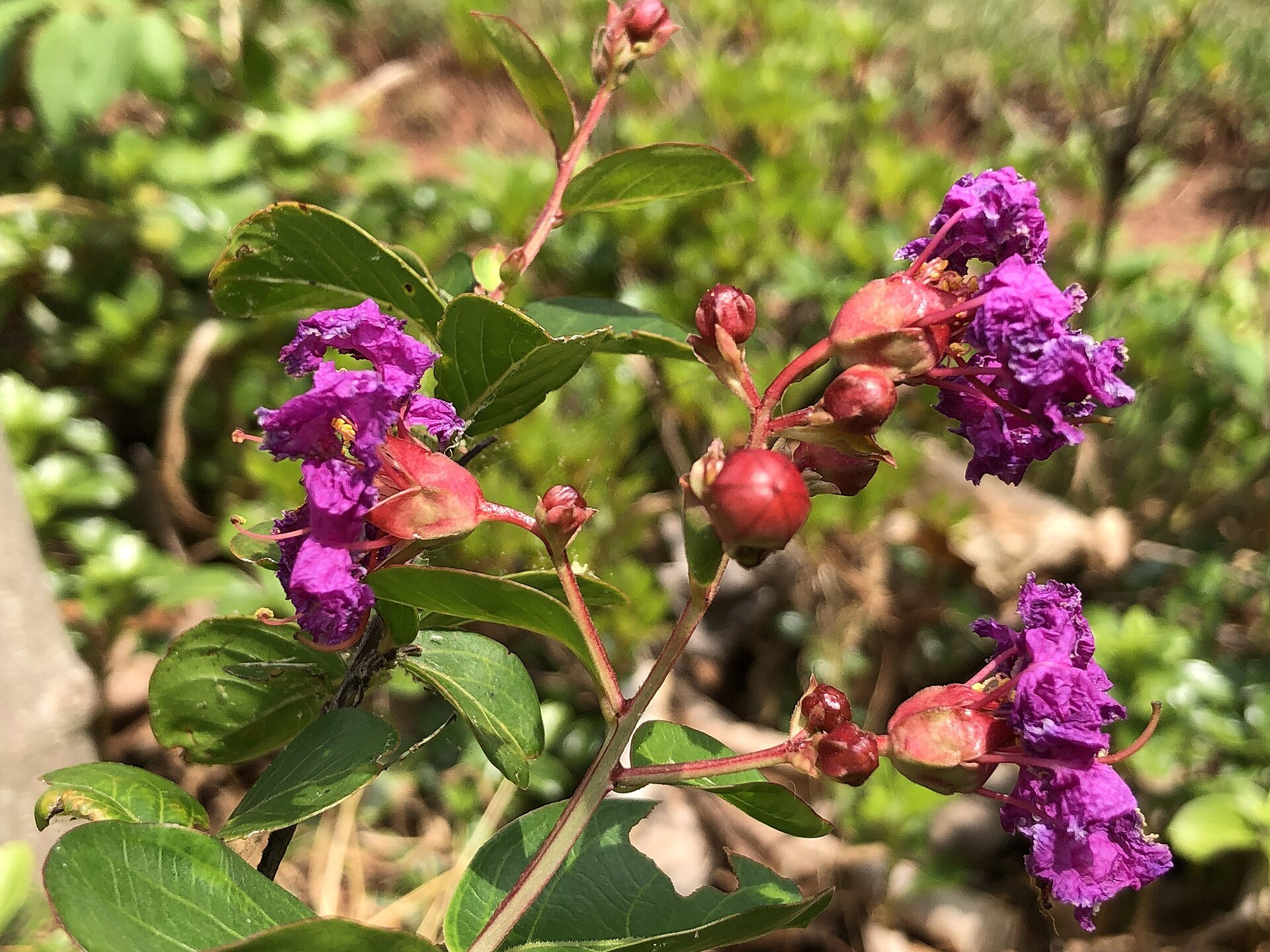
- Numerous irregular flowers about 1 to 1.5 inches wide with six clawed, crinkled petals that look like crepe paper, carried in terminal panicles 6 to 18 inches long from July into September.
- Foliage
- Simple leaves emerge green with red tinges and become dark green by summer, smooth and leathery with entire margins, oblong to elliptic to obovate, 1 to 3 inches long, on very short petioles.
- Fruit
- Six valved dehiscent capsules, brown and about half an inch wide, persisting through winter; the disc shaped seeds are 3/8 inch across and winged.
- Bark & stems
- Thin, smooth, pale brown to gray bark that peels and exfoliates; stems are green to brown, slender and often squarish with prominent wings.
- Native range
- Central Himalaya to S. China and Indo-China, Philippines, Japan