

Plant: Allee - Lacebark Elm Tree
Elm Tree · Ulmus parvifolia 'Allee'
Size: 15 gal
Light
Bloom
Mature size
More about this plant
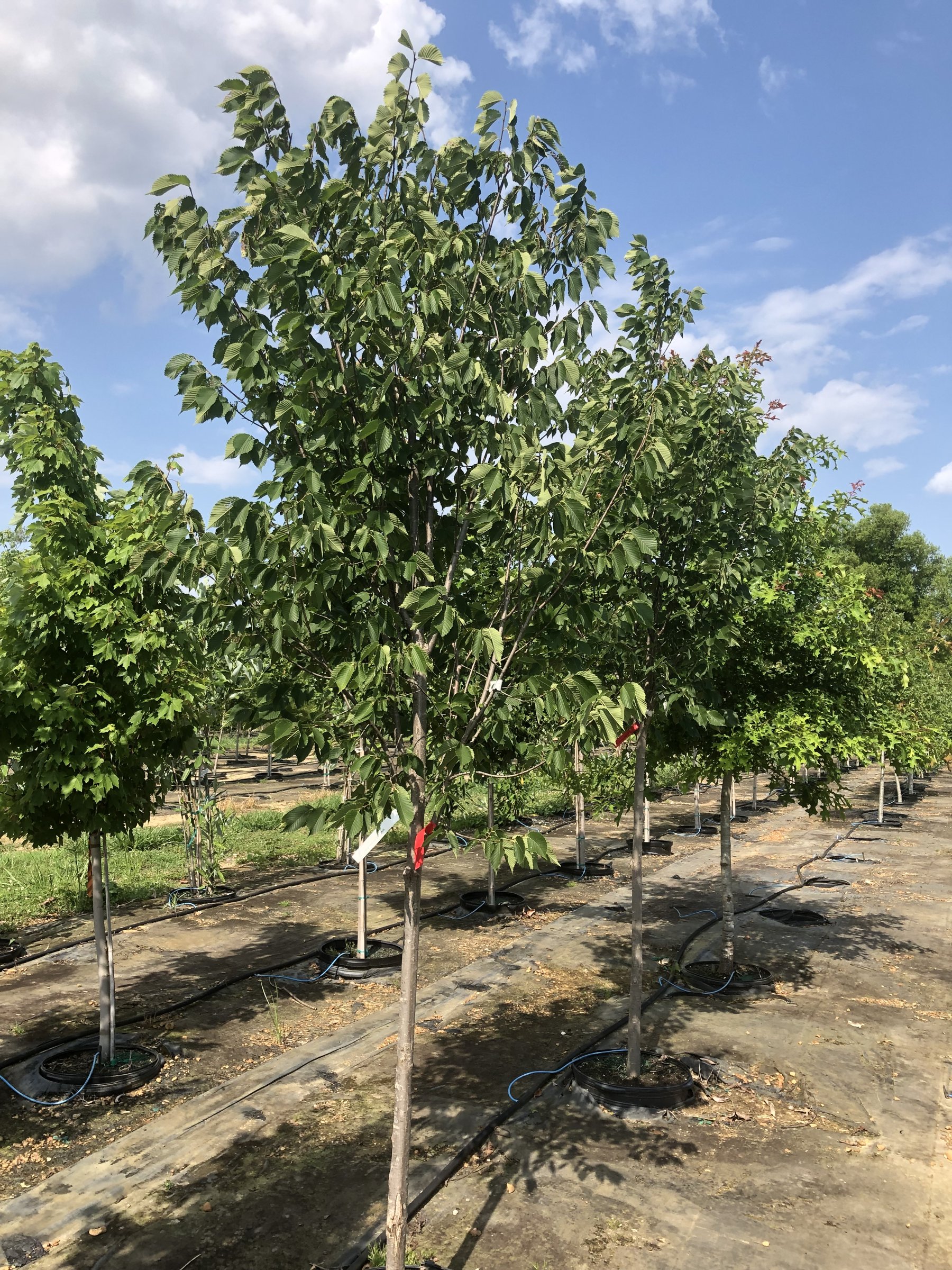
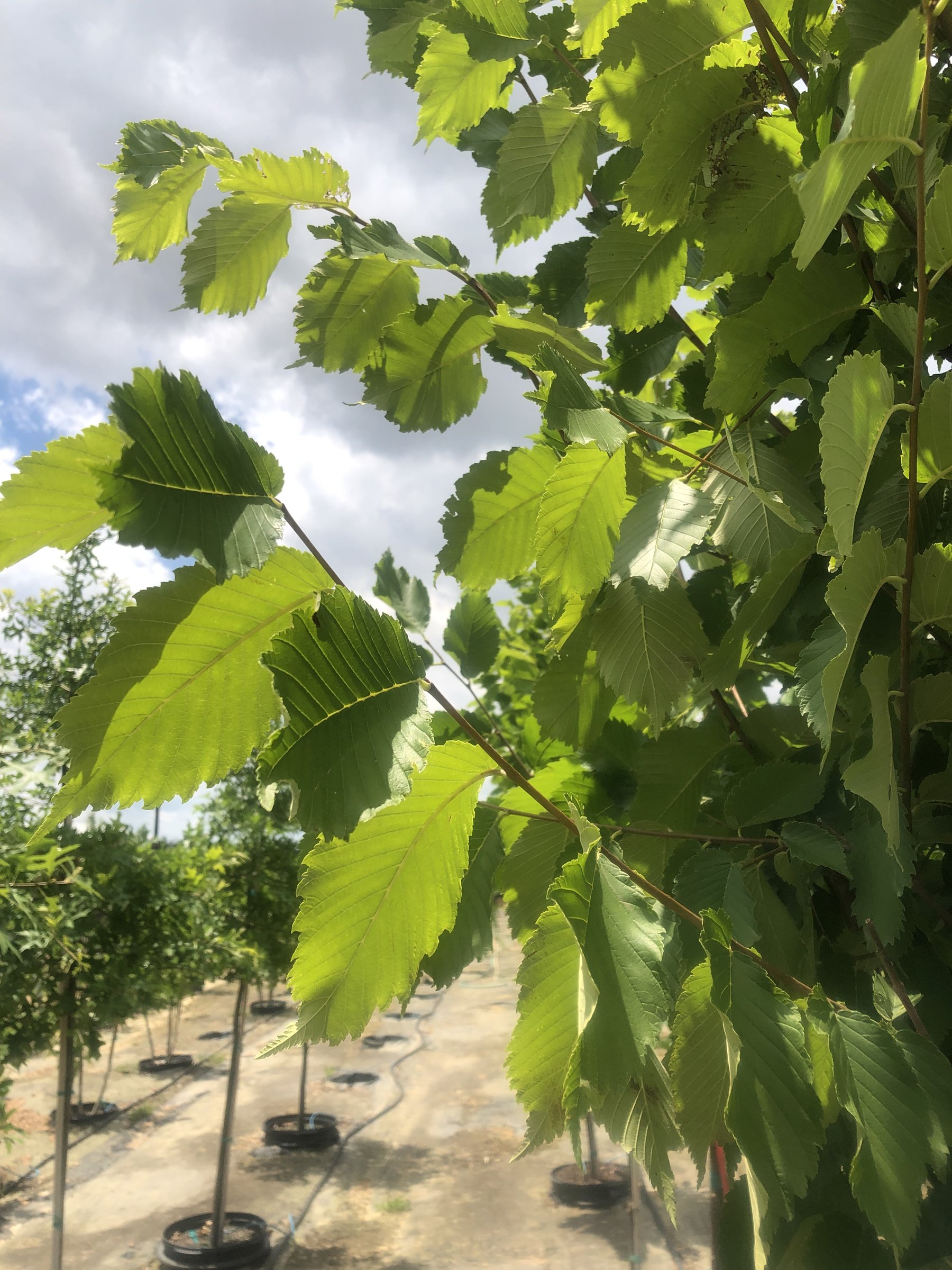
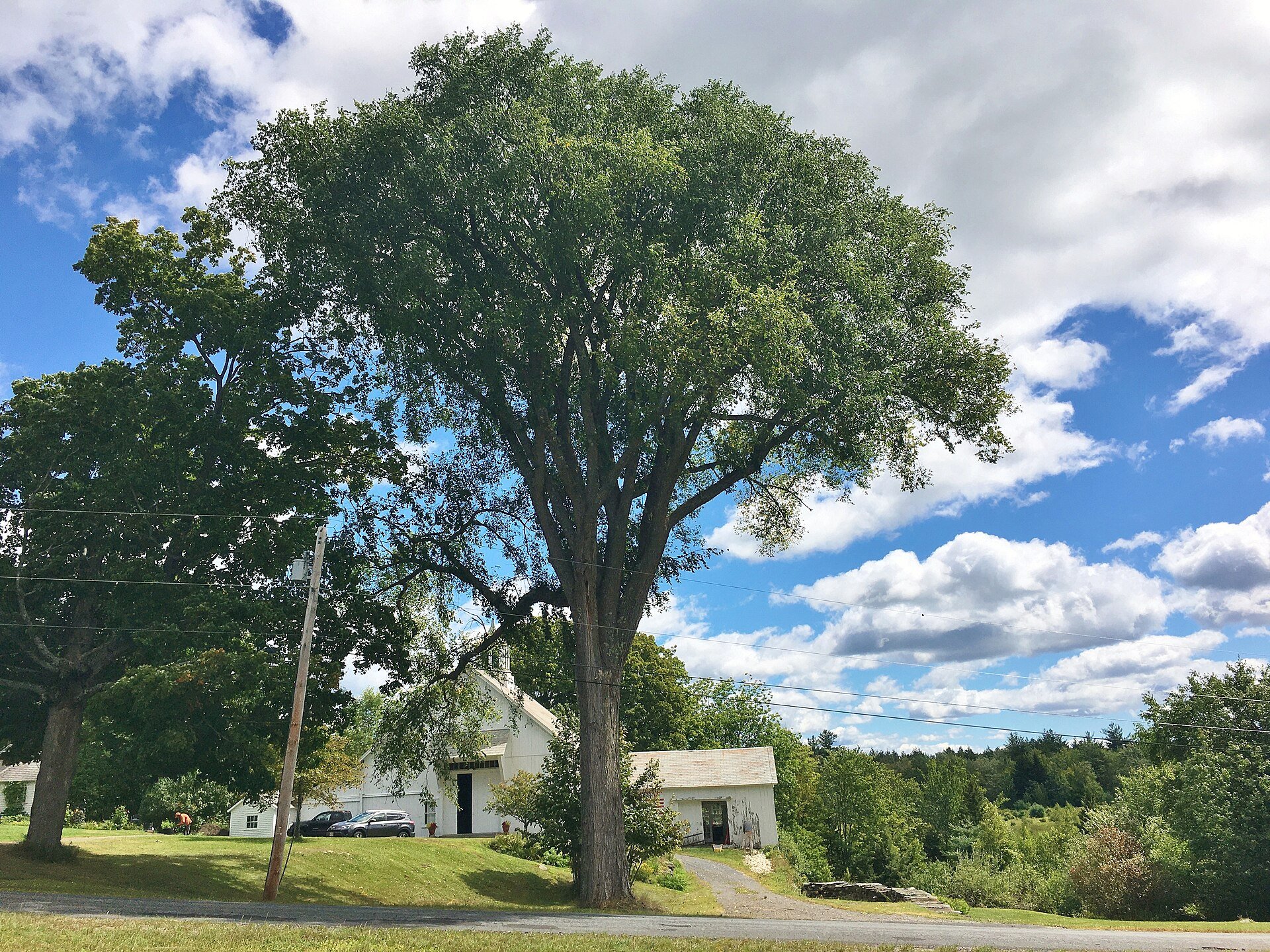
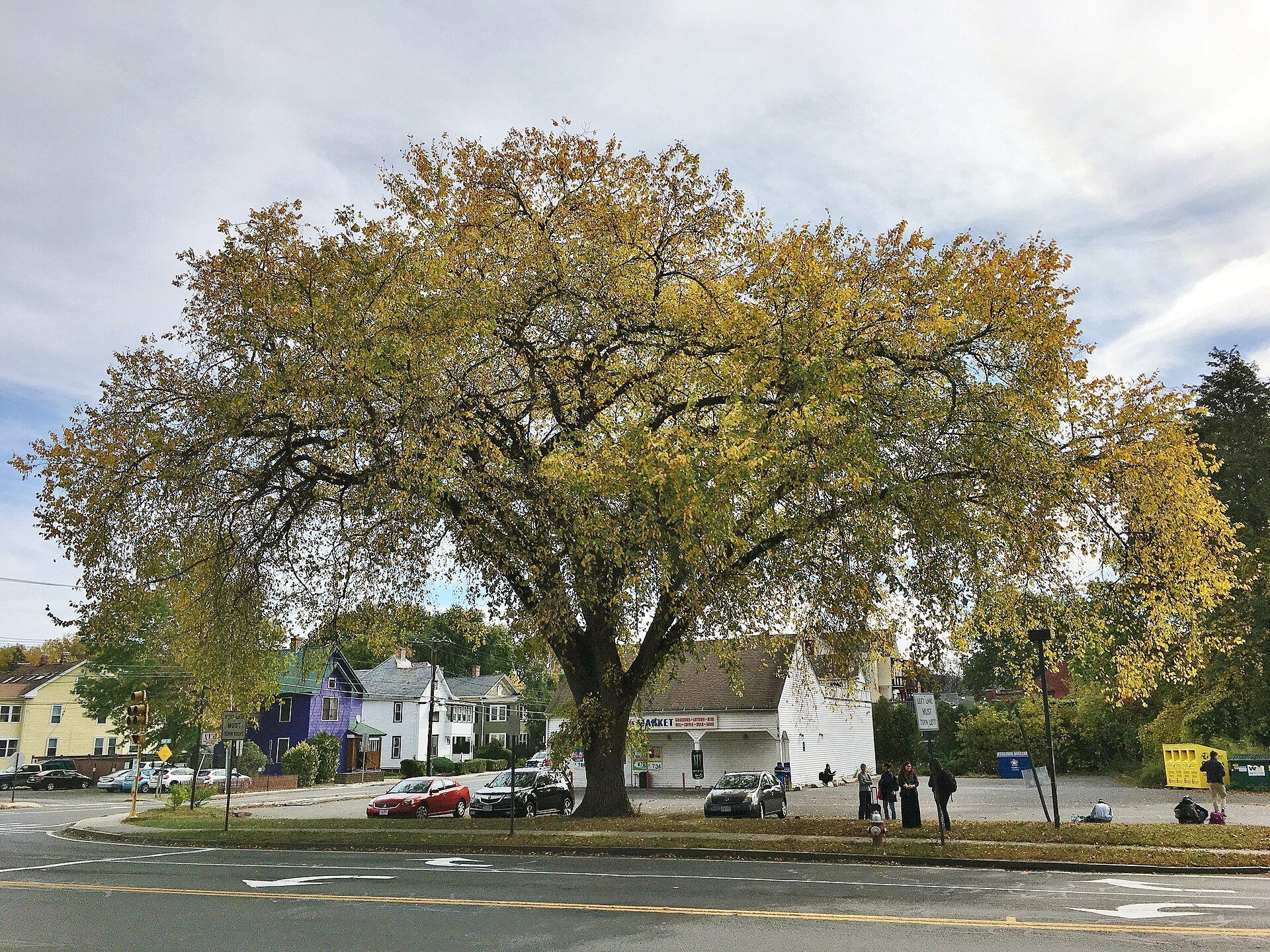
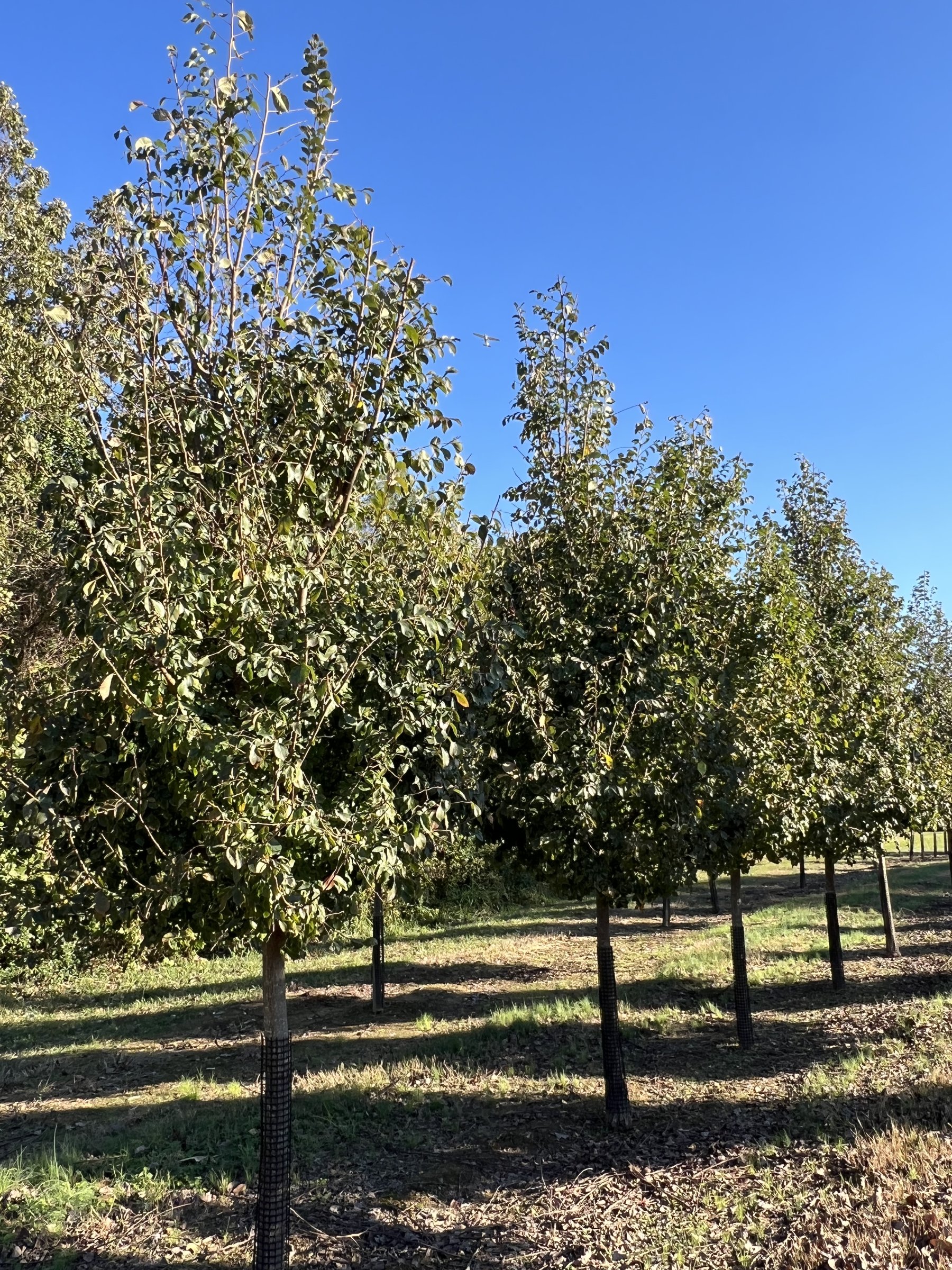
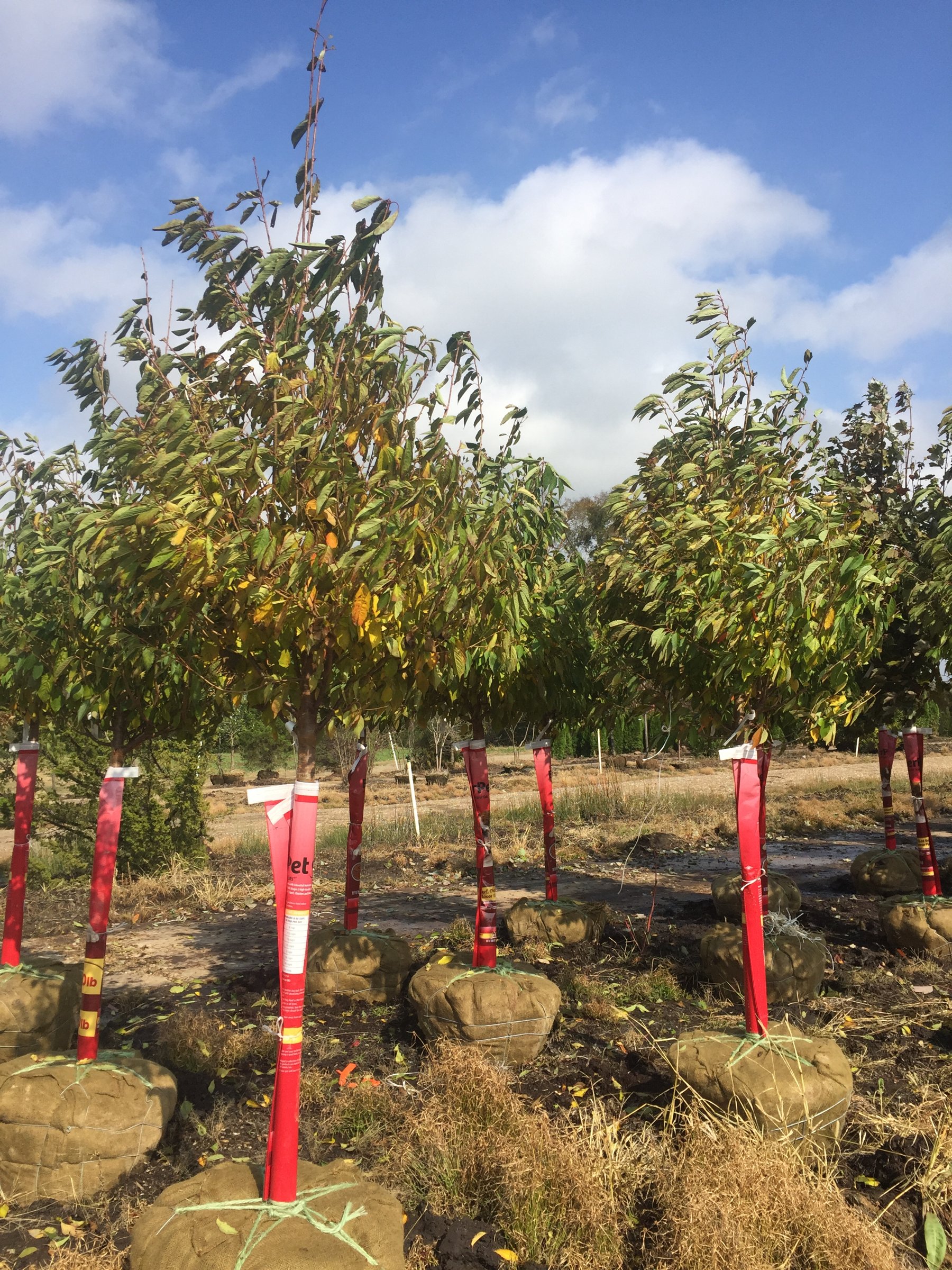
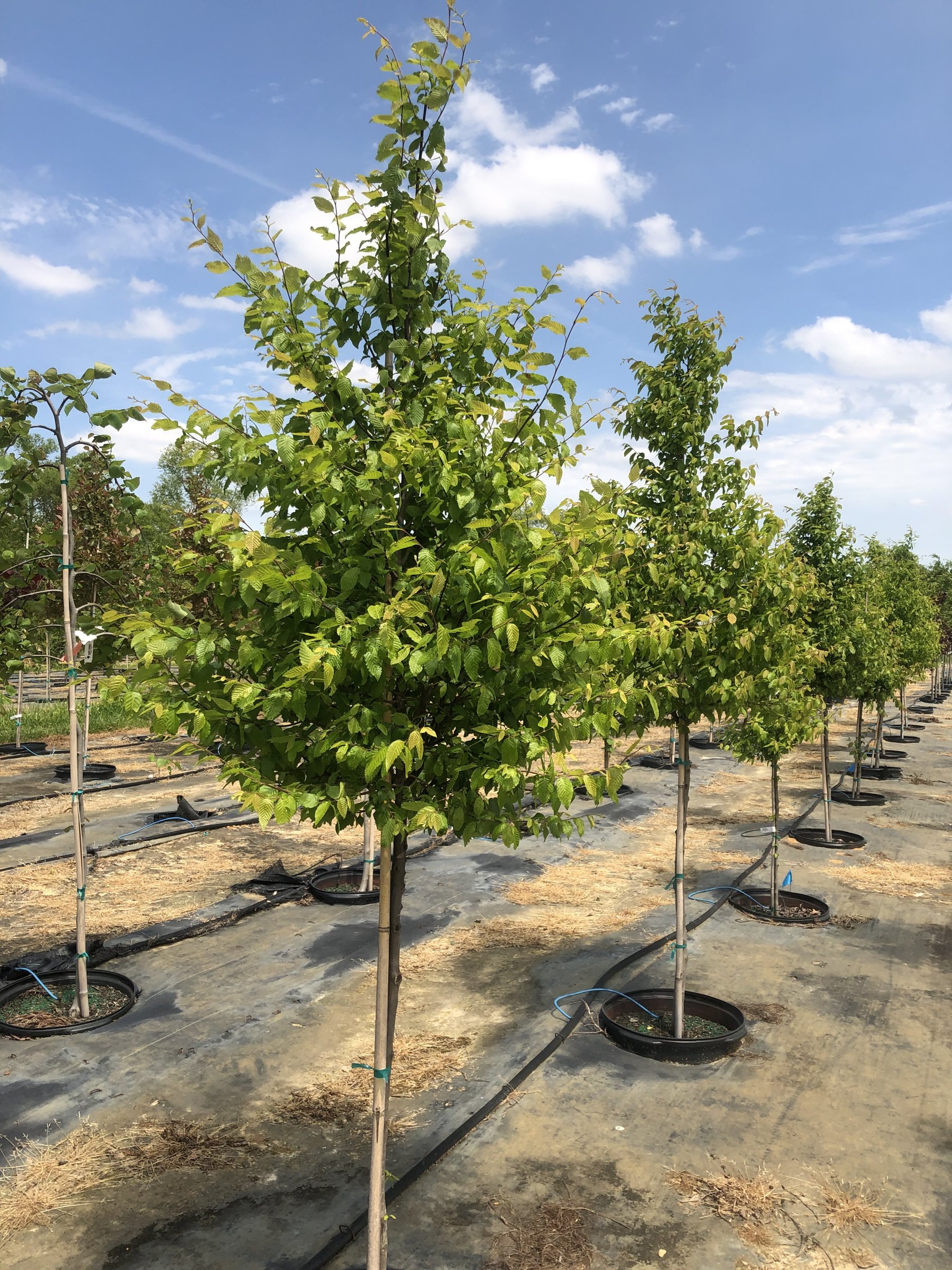
<p>A fast establishing deciduous shade tree with fine textured, glossy dark green leaves 1 to 2.5 inches long that turn yellow, purple or reddish in fall. Its outstanding feature is bark that exfoliates in irregular mottled patterns, exposing lighter brown, tan, gray, olive and cinnamon beneath, so it carries interest through winter. Flowers are insignificant and reddish green, followed by small papery winged samaras in fall and winter. It grows in full sun or partial shade in clay, loam or sand at any pH and tolerates drought, salt, wet soil and urban conditions, making it a durable lawn, street and specimen tree.</p>
- Full Sun
- Grows to 70 ft tall and 60 ft wide
- Blooms in spring, summer, fall
- Hardy in USDA zones 5b-10a
- Deciduous foliage
- Native plant
Plant description
<p>A fast establishing deciduous shade tree with fine textured, glossy dark green leaves 1 to 2.5 inches long that turn yellow, purple or reddish in fall. Its outstanding feature is bark that exfoliates in irregular mottled patterns, exposing lighter brown, tan, gray, olive and cinnamon beneath, so it carries interest through winter. Flowers are insignificant and reddish green, followed by small papery winged samaras in fall and winter. It grows in full sun or partial shade in clay, loam or sand at any pH and tolerates drought, salt, wet soil and urban conditions, making it a durable lawn, street and specimen tree.</p>
- Flowers
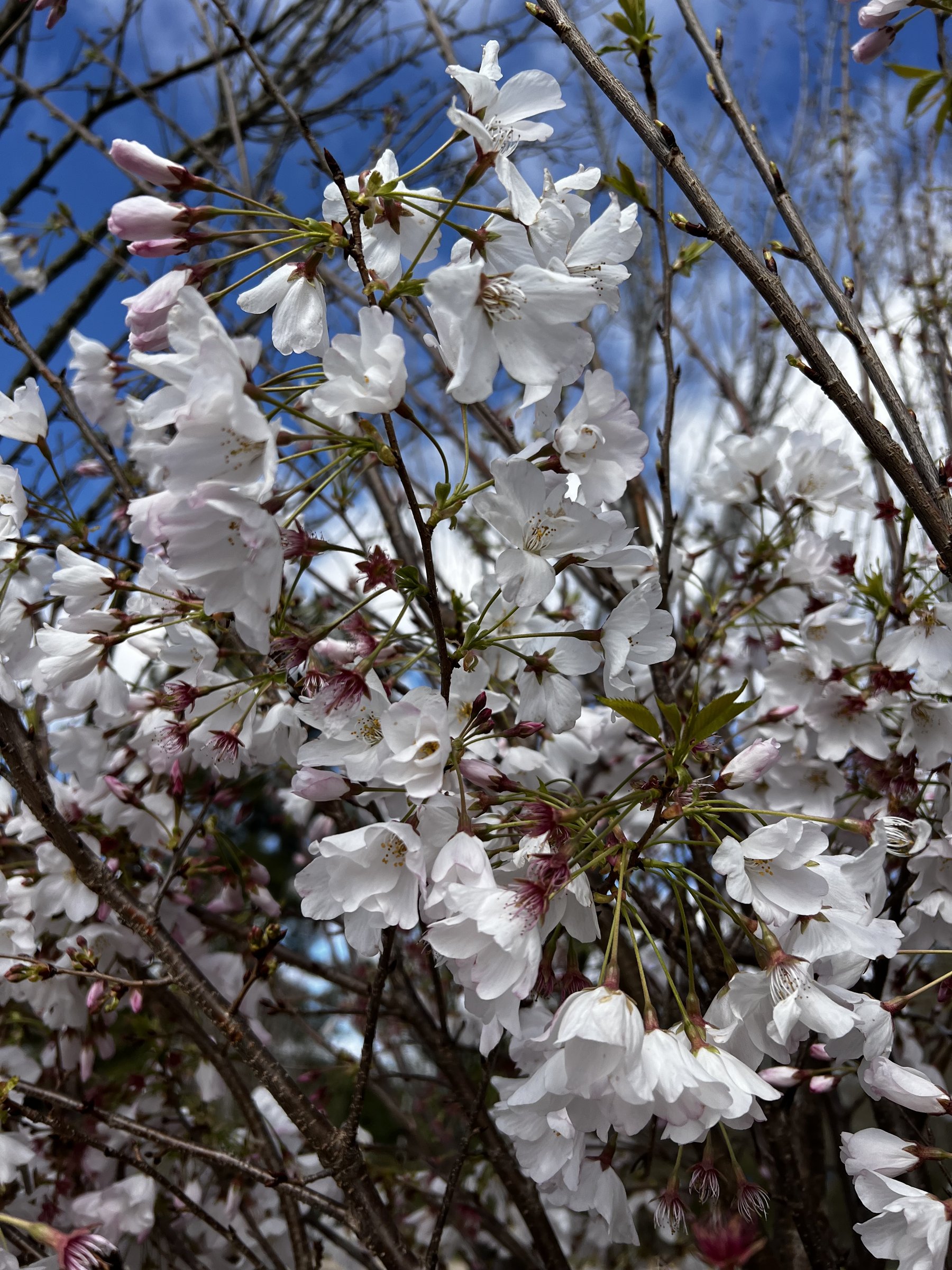
- Flowers are insignificant and reddish green, appearing in late spring, summer or fall.
- Foliage
- Leaves are dark green, simple, alternate, elliptic to obovate, 1 to 2.5 inches long and 0.5 to 1.5 inches wide, glossy and smooth, turning yellow, purple or reddish in fall.
- Fruit
- A light brown, oblong, flattened, papery winged samara about 0.5 inches long.
- Bark & stems
- Bark exfoliates in irregular patterns and is mottled, exposing lighter bark below in shades of brown, tan, gray, olive and cinnamon.
- Native range
- Northern to Central China, Japan, and Korea