Plant: Princeton - American Elm
Elm Tree · Ulmus americana 'Princeton'
Size: 30 gal
Light
Bloom
Mature size
More about this plant
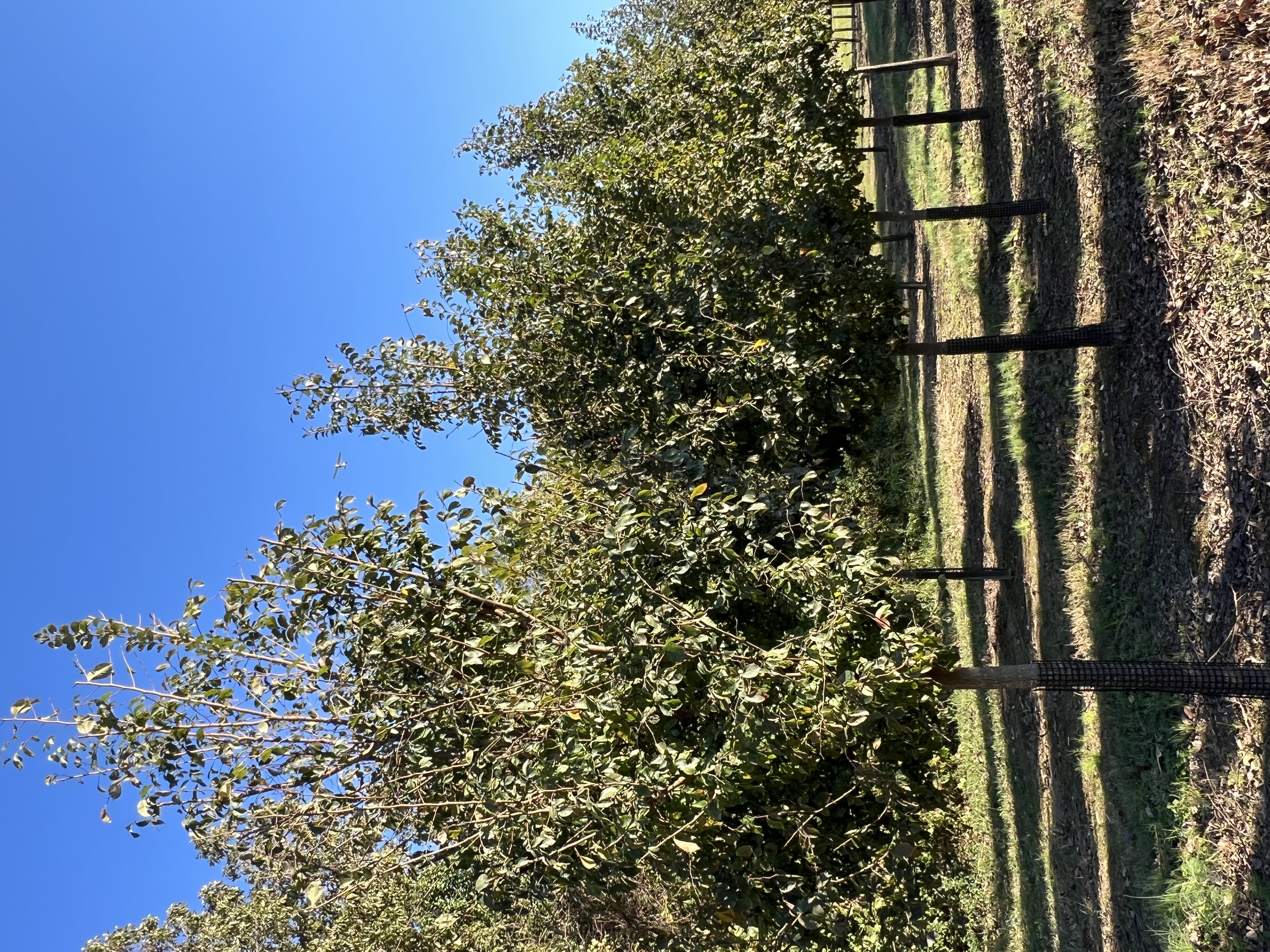
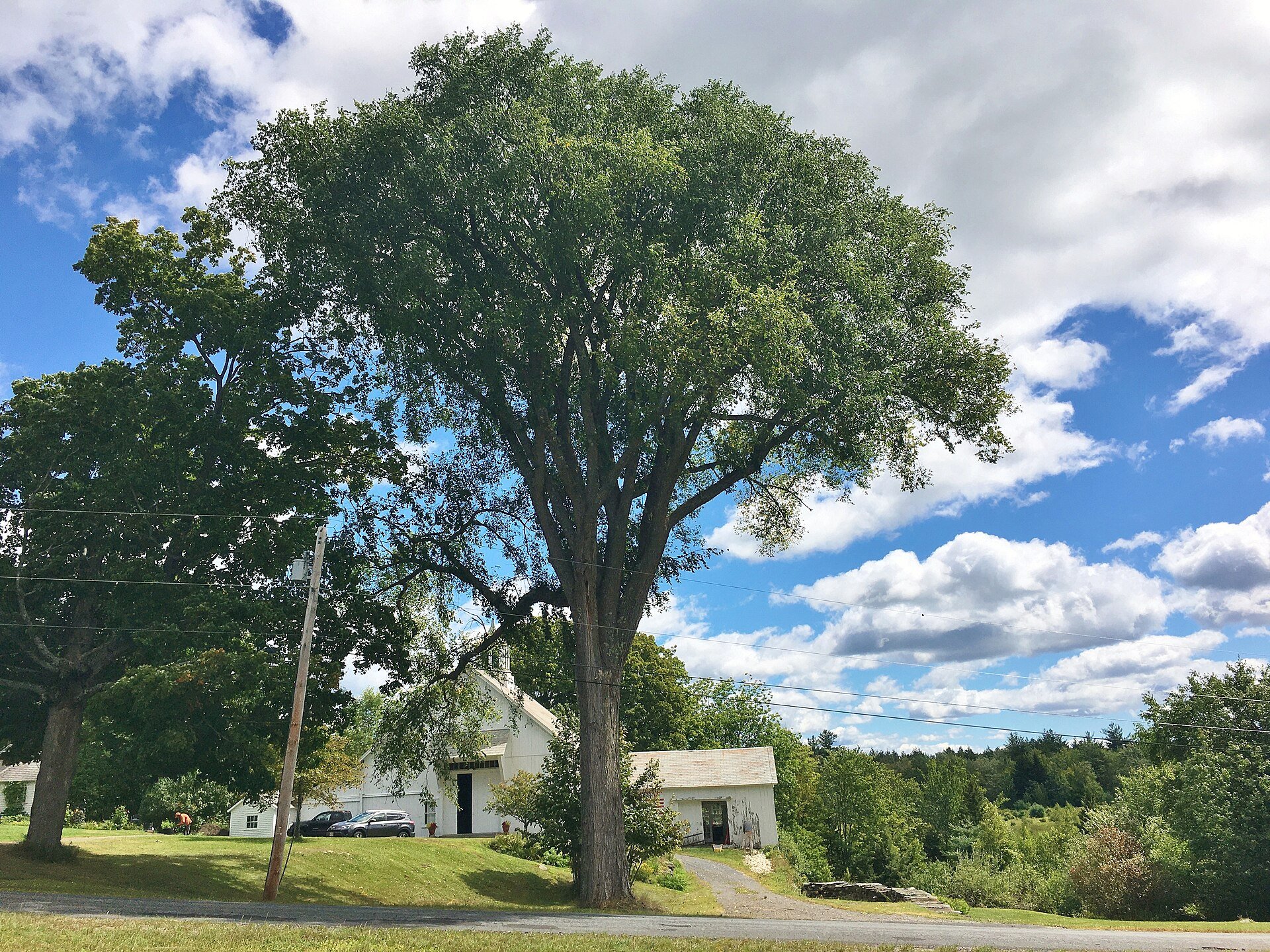
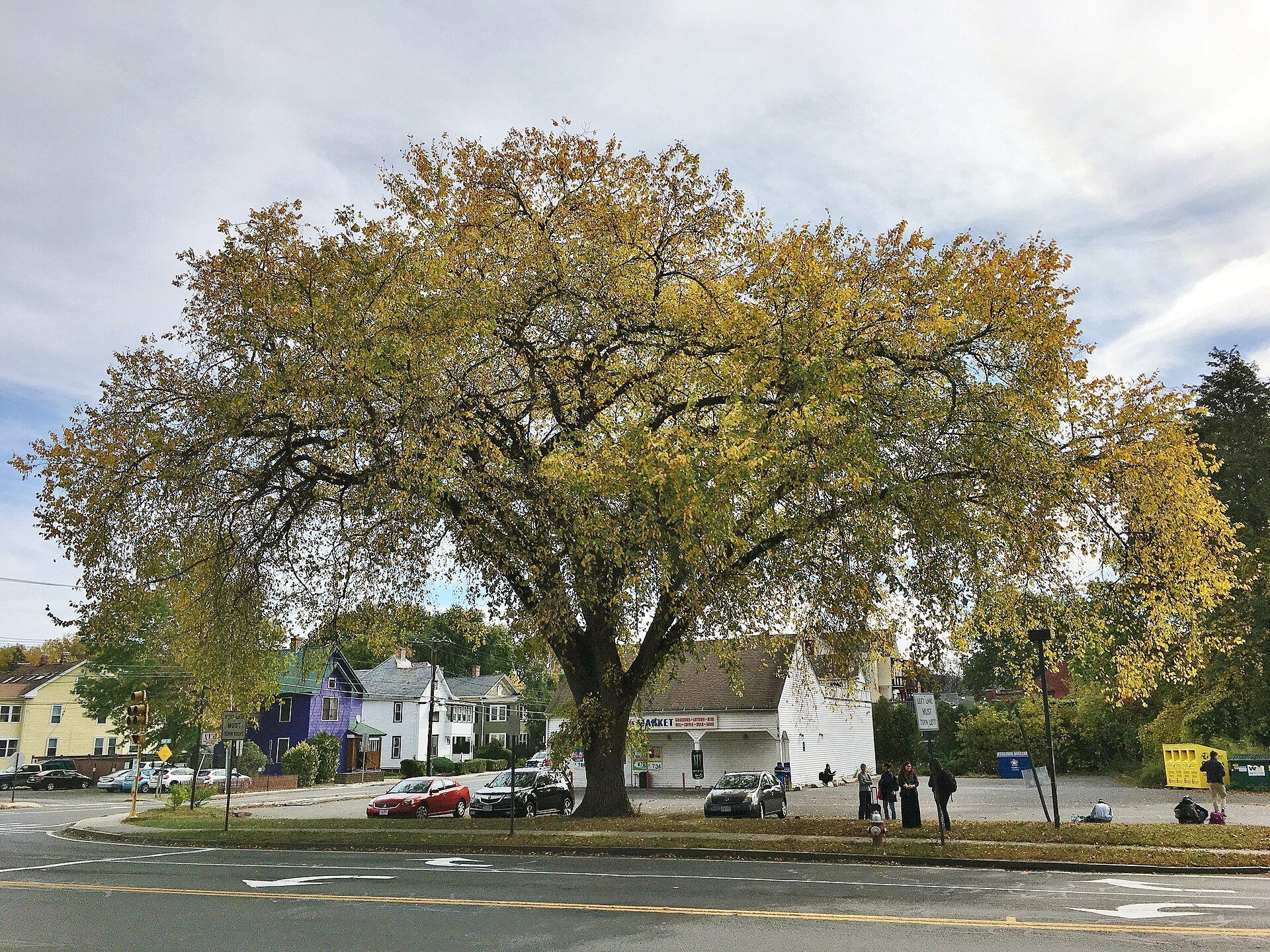
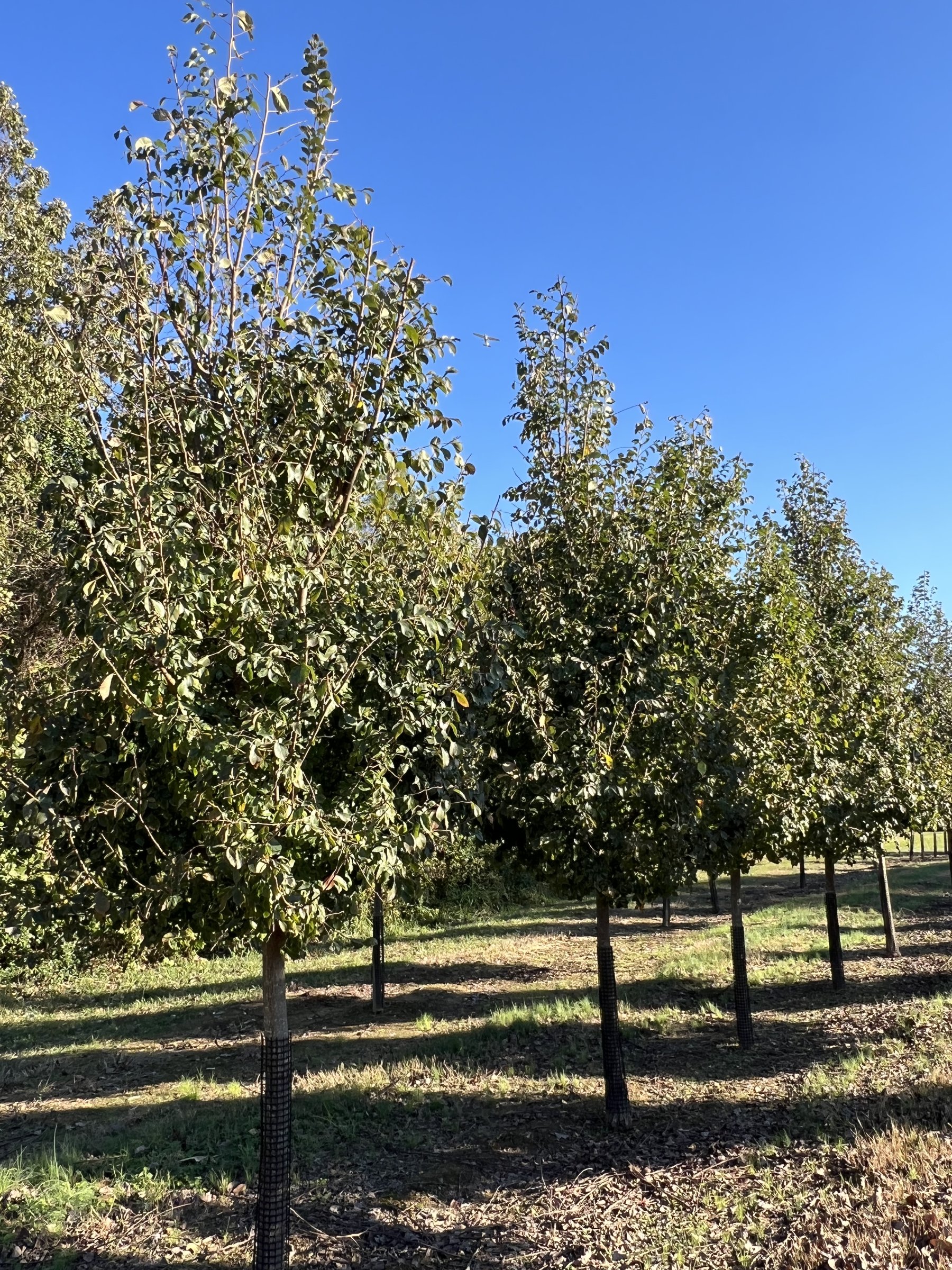
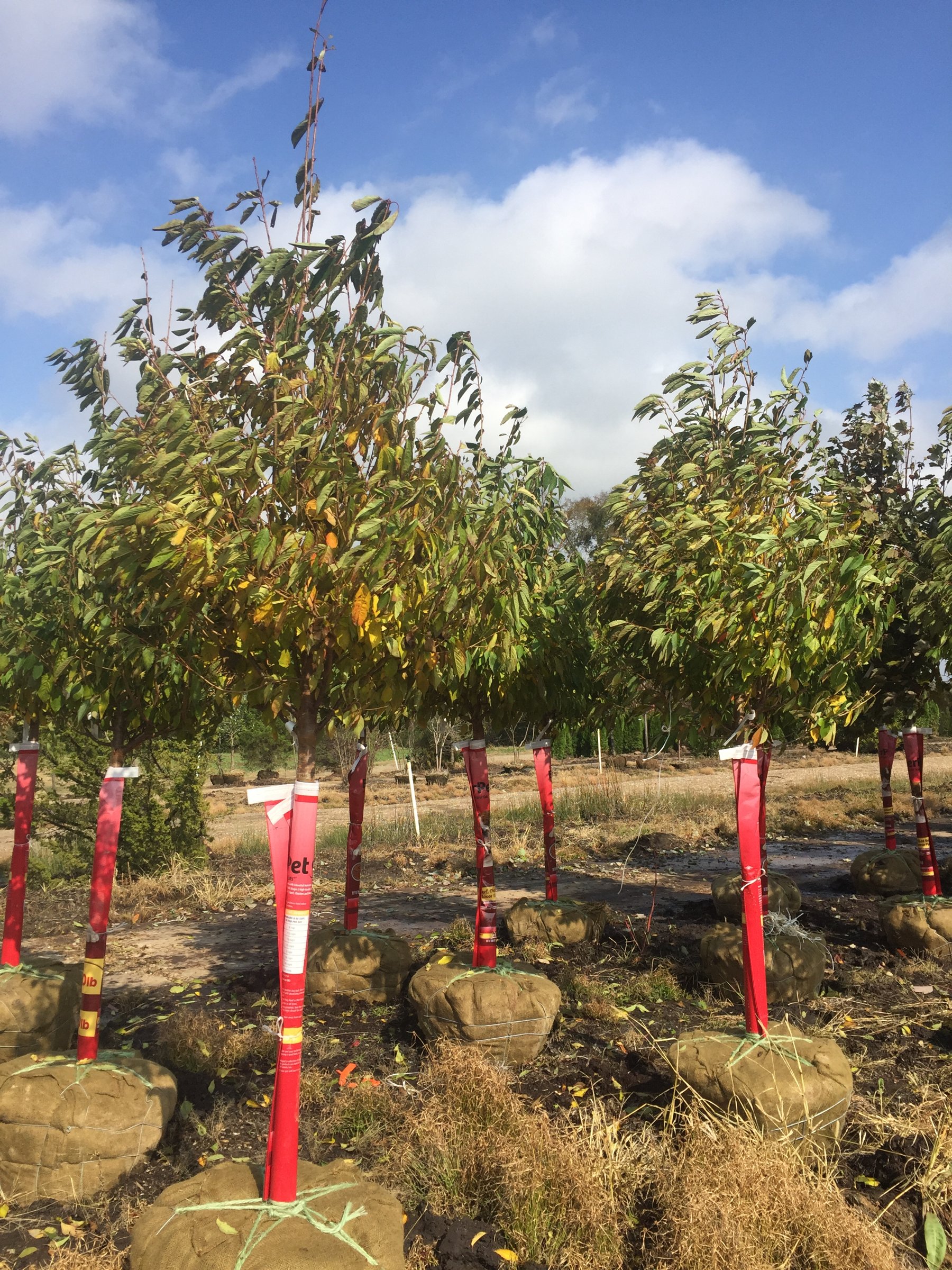
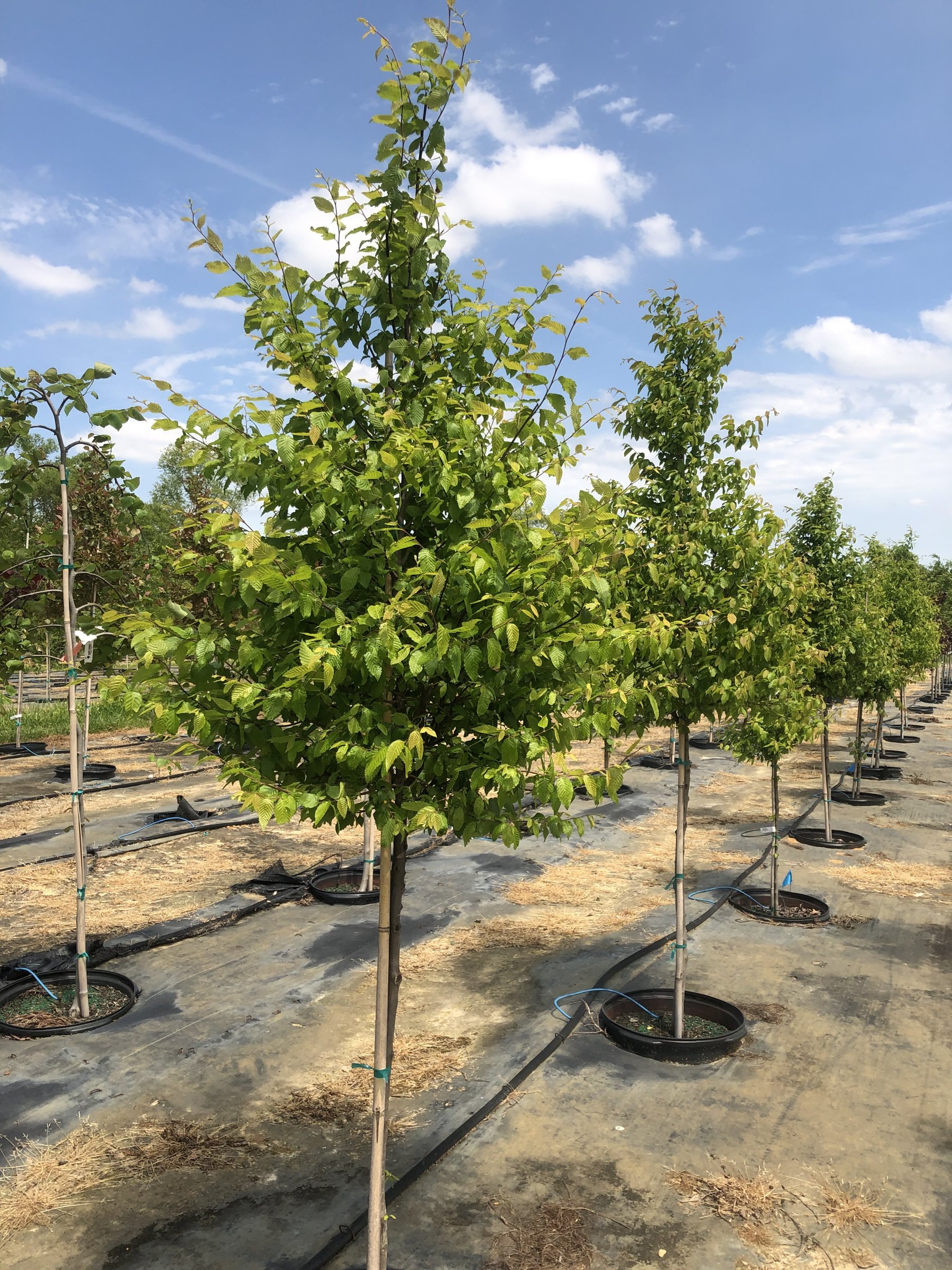
A fast growing native elm with an arching, vase shaped crown and rough textured, ovate elliptic dark green leaves 4 to 6 inches long with doubly toothed margins that turn gold in fall. Small greenish red flowers appear in drooping clusters in February and March, followed by papery winged samaras in spring. The dark gray bark is divided into flat braided ridges. It grows in full sun to partial shade in clay, loam, sand or organic soils near neutral pH, tolerates drought, heat, compaction, fire and urban conditions, and serves as a shade or street tree in lawns, naturalized areas and woodland settings.
- Full Sun
- Grows to 70 ft tall and 60 ft wide
- Blooms in winter
- Hardy in USDA zones 3a-9b
- Deciduous foliage
- Native plant
Plant description
A fast growing native elm with an arching, vase shaped crown and rough textured, ovate elliptic dark green leaves 4 to 6 inches long with doubly toothed margins that turn gold in fall. Small greenish red flowers appear in drooping clusters in February and March, followed by papery winged samaras in spring. The dark gray bark is divided into flat braided ridges. It grows in full sun to partial shade in clay, loam, sand or organic soils near neutral pH, tolerates drought, heat, compaction, fire and urban conditions, and serves as a shade or street tree in lawns, naturalized areas and woodland settings.
- Flowers
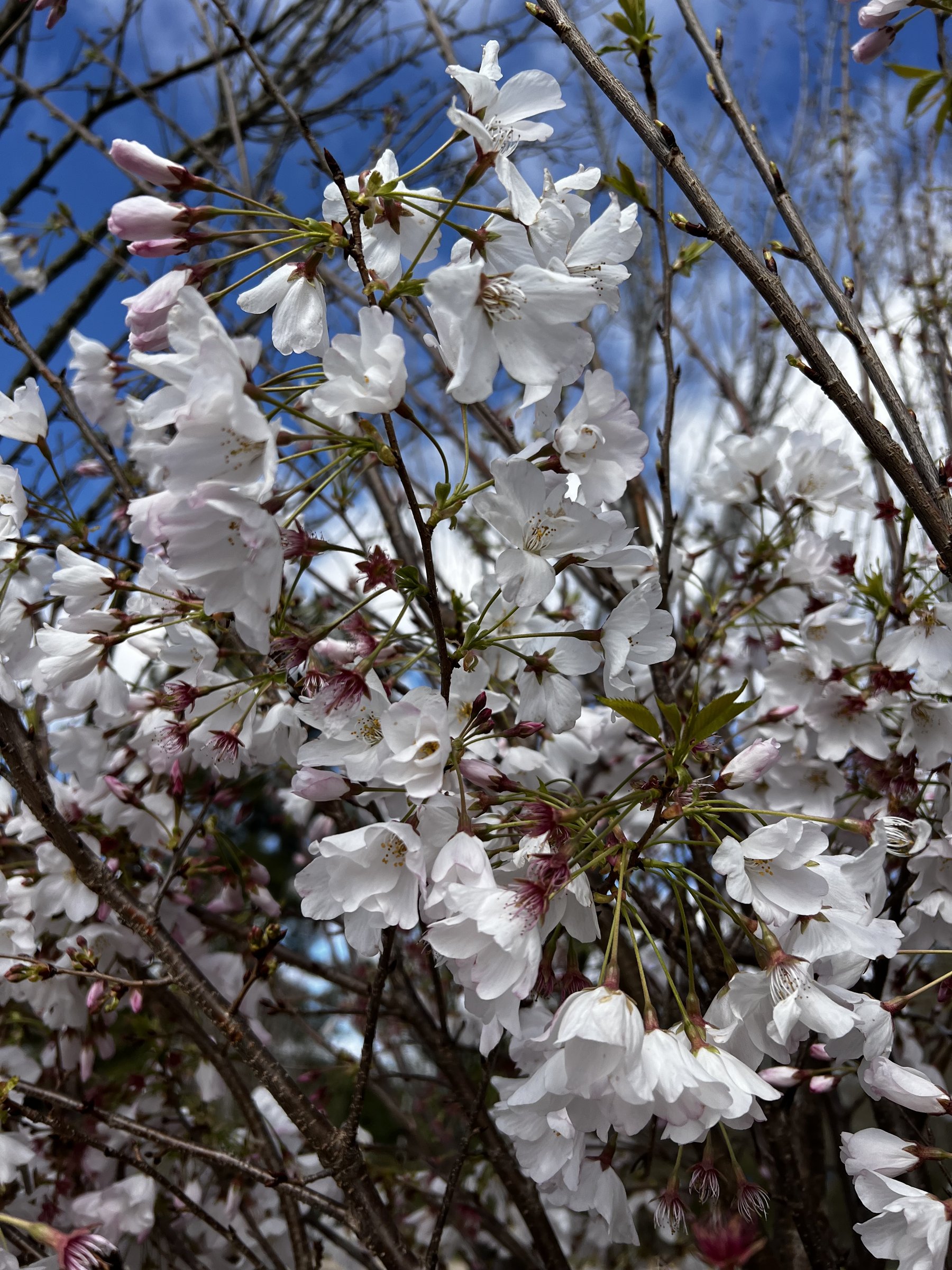
- Insignificant small greenish red flowers appear in drooping clusters of 3 to 4 in late winter, February to March.
- Foliage
- Rough textured, ovate elliptic dark green leaves 4 to 6 inches long with doubly toothed margins and asymmetrical bases, turning gold to yellow in fall.
- Fruit
- Single seeded wafer like samaras, each tiny seed surrounded by a flattened oval rounded papery wing, maturing in spring.
- Bark & stems
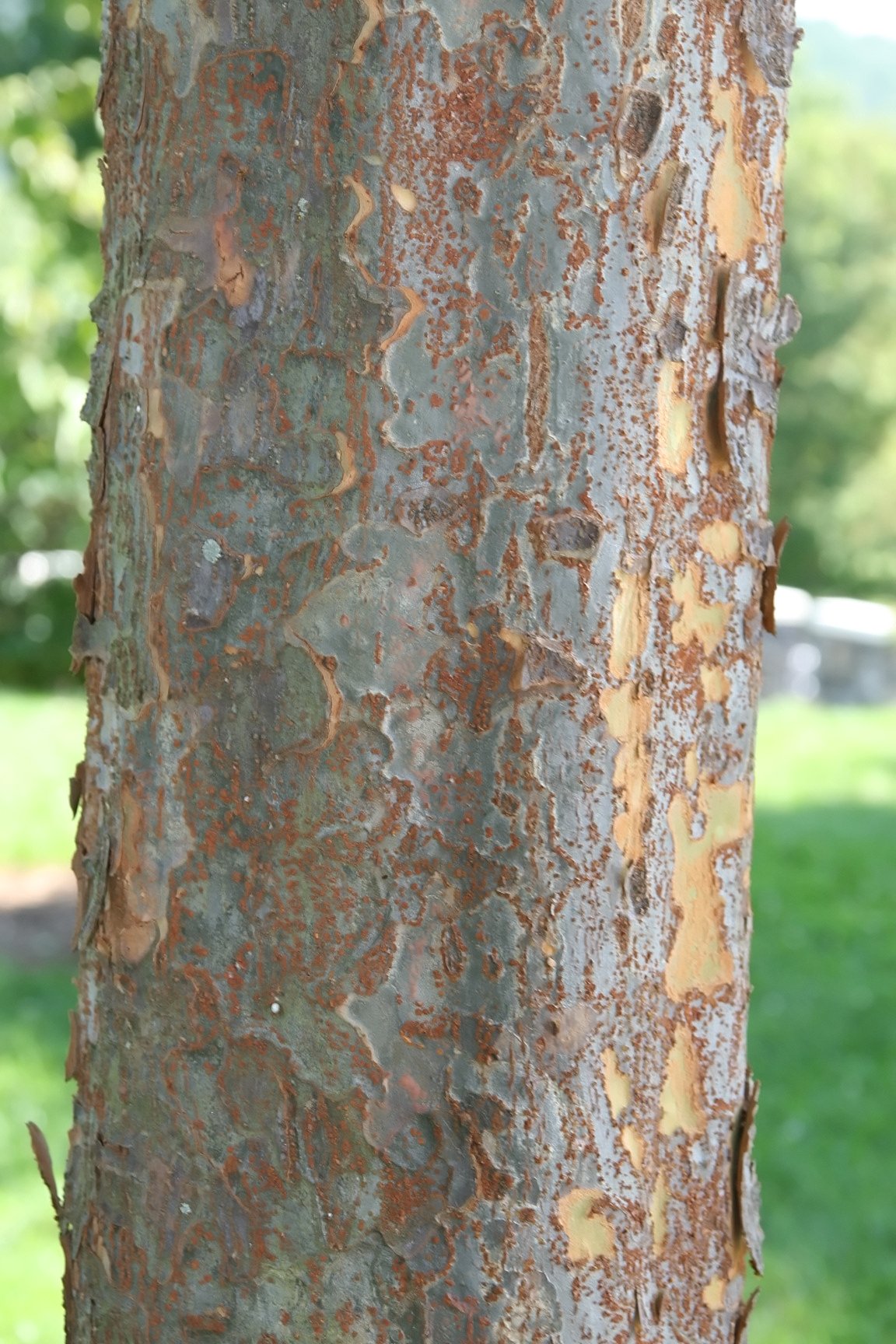
- Dark gray bark divided into flat braided ridges, generally firm but tending to come off in flakes on old trees.
- Native range
- Eastern North America