Plant: Wildfire - Blackgum Tree
Black Gum Tree · Nyssa sylvatica 'Wildfire'
Size: 15 gal
Light
Bloom
Mature size
More about this plant
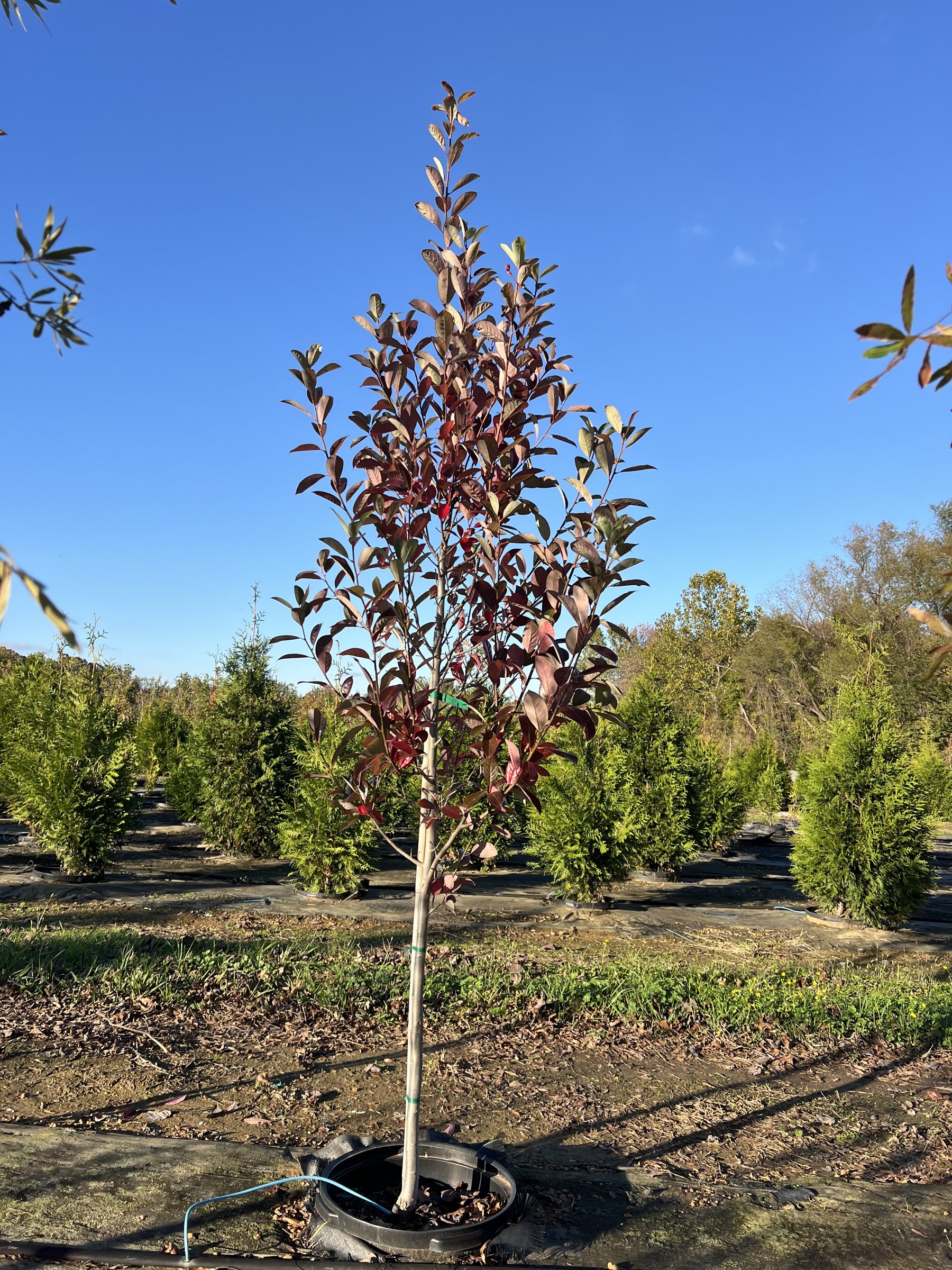
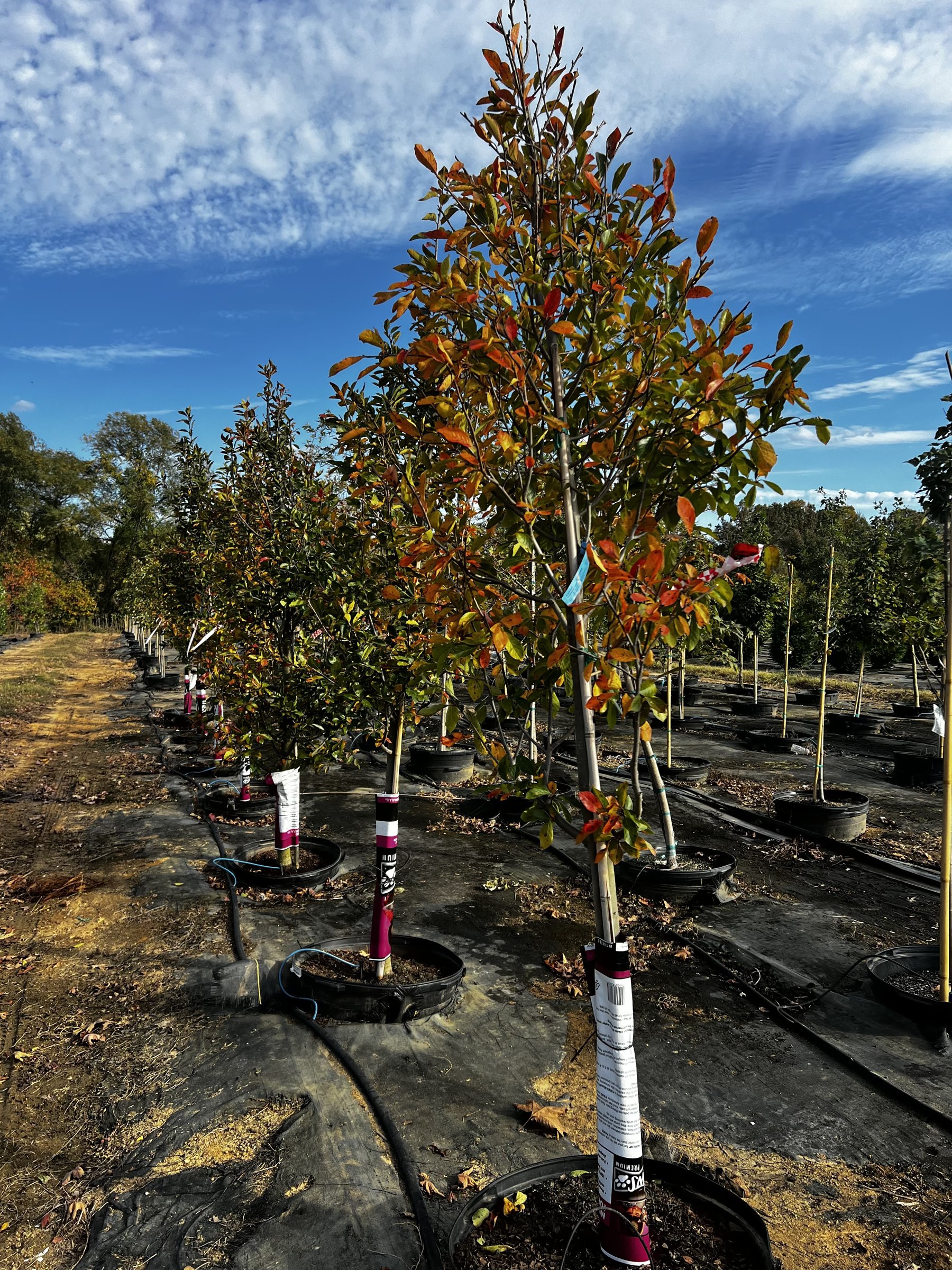
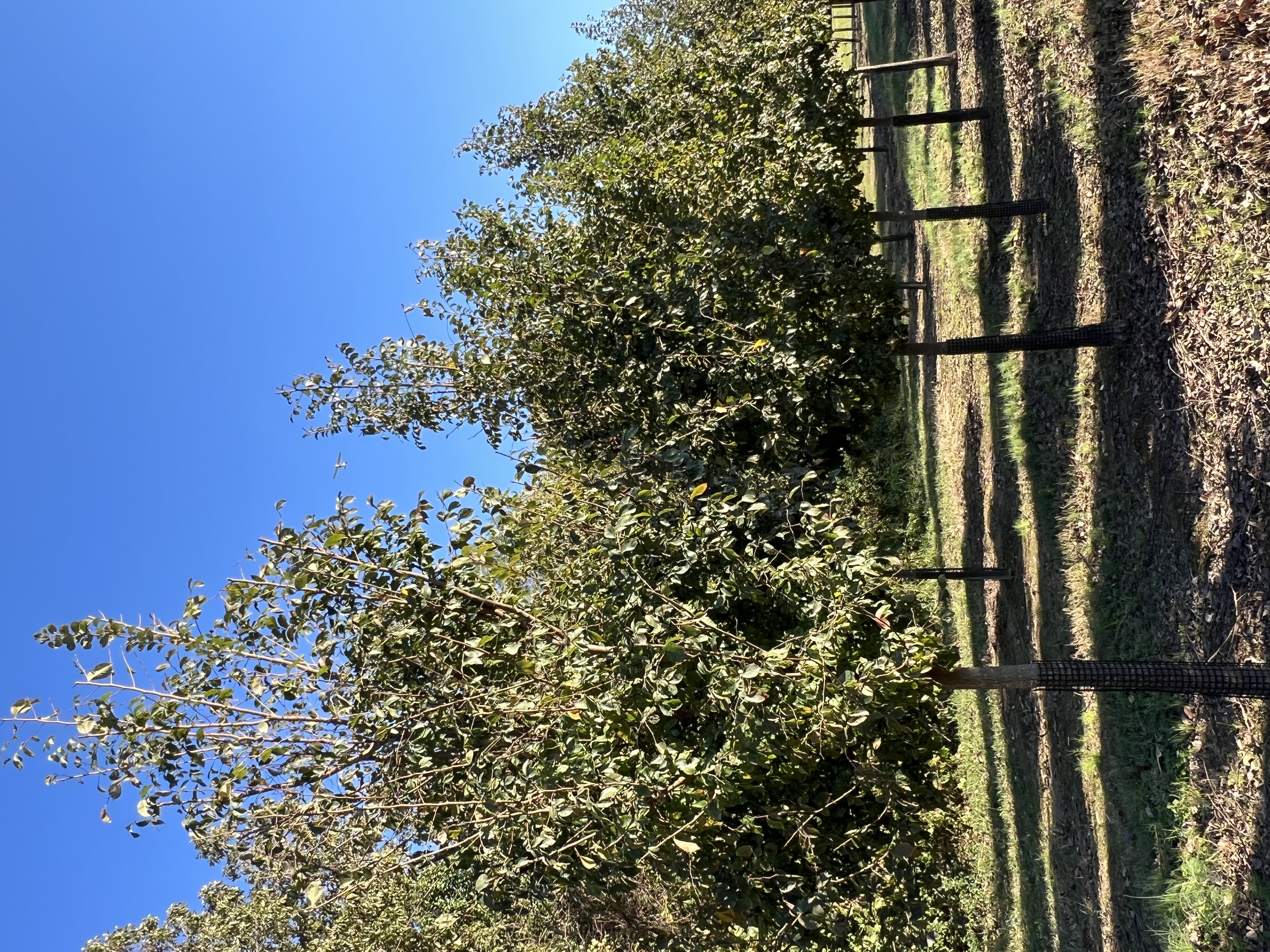
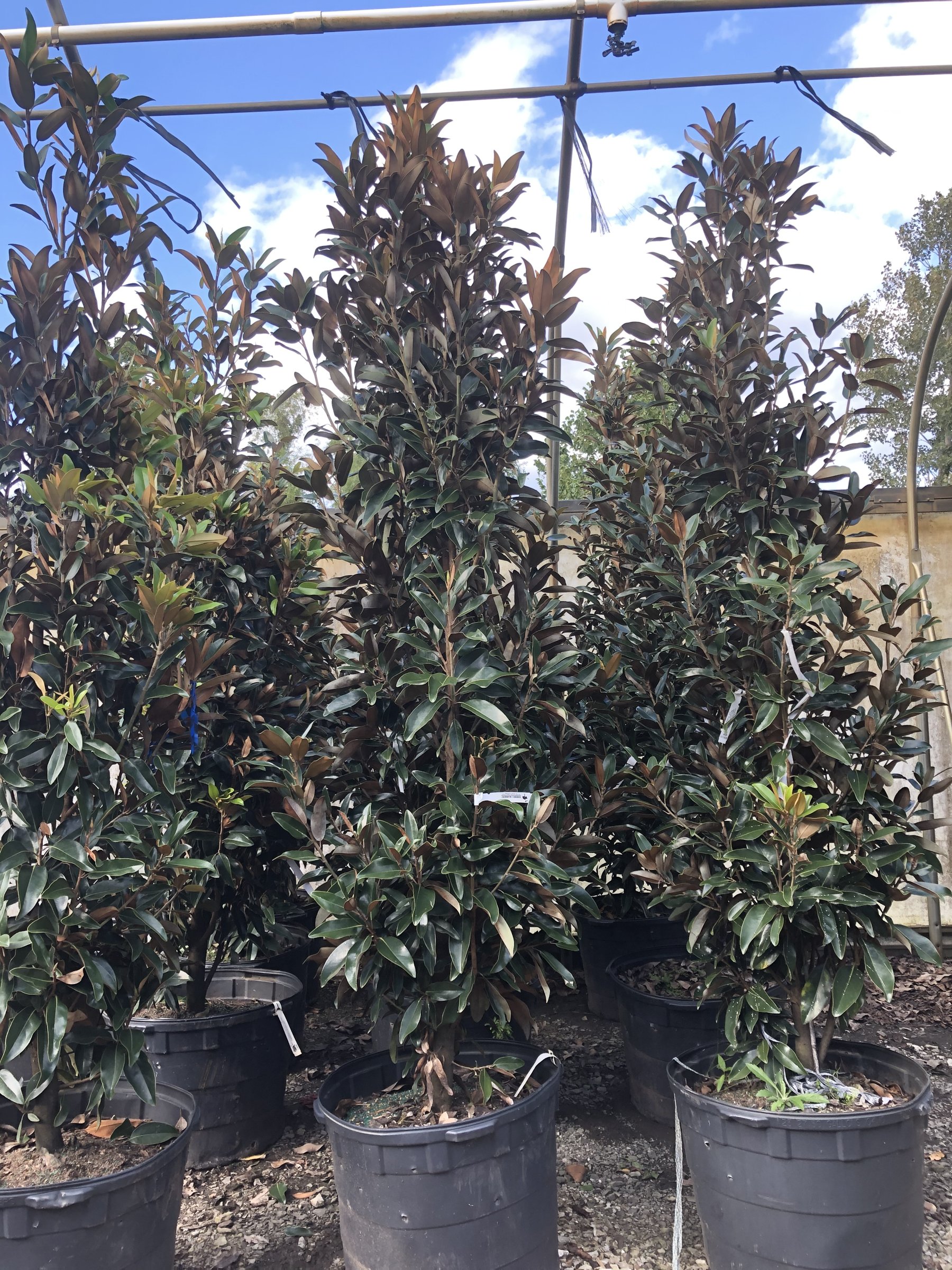
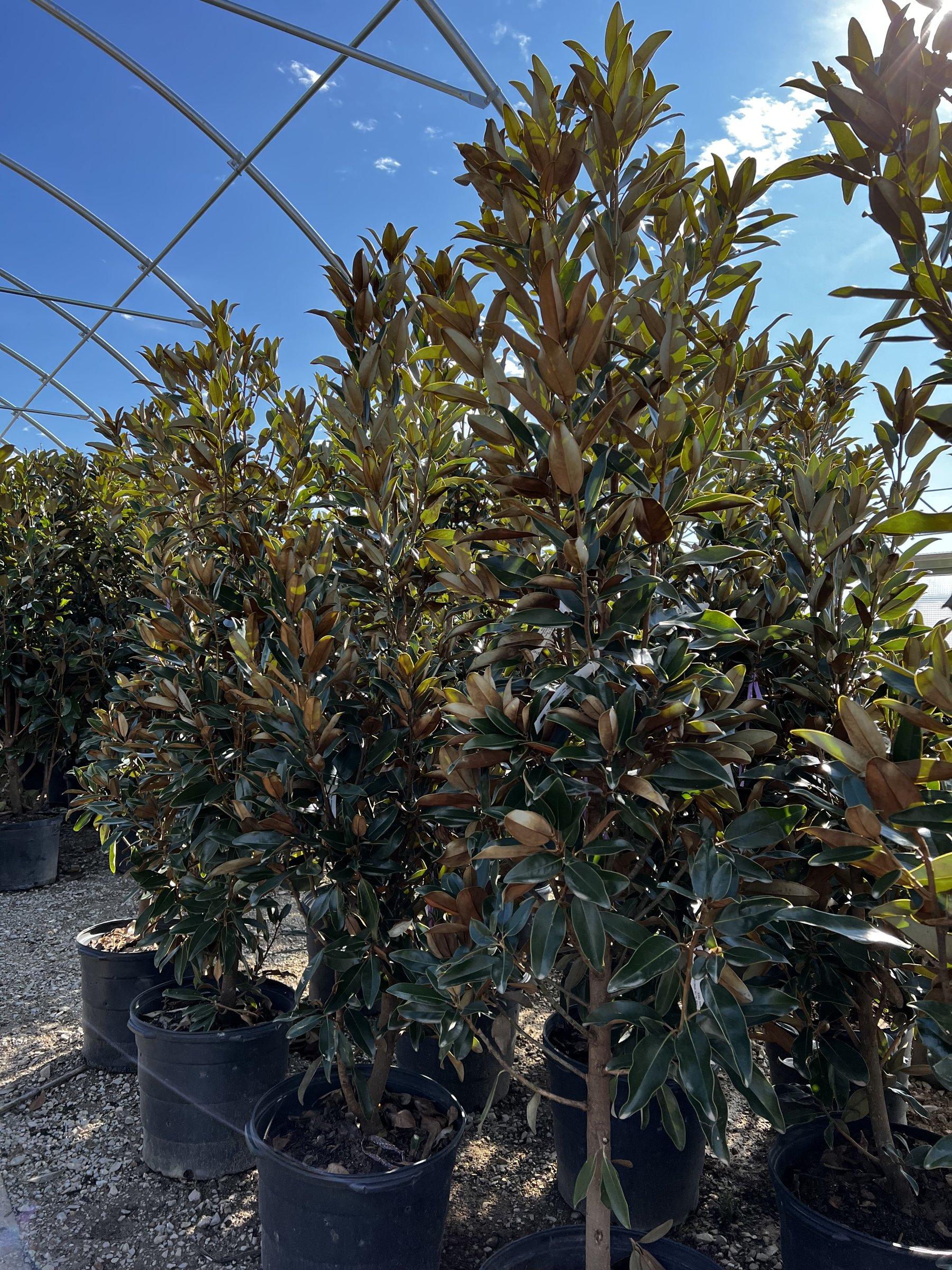
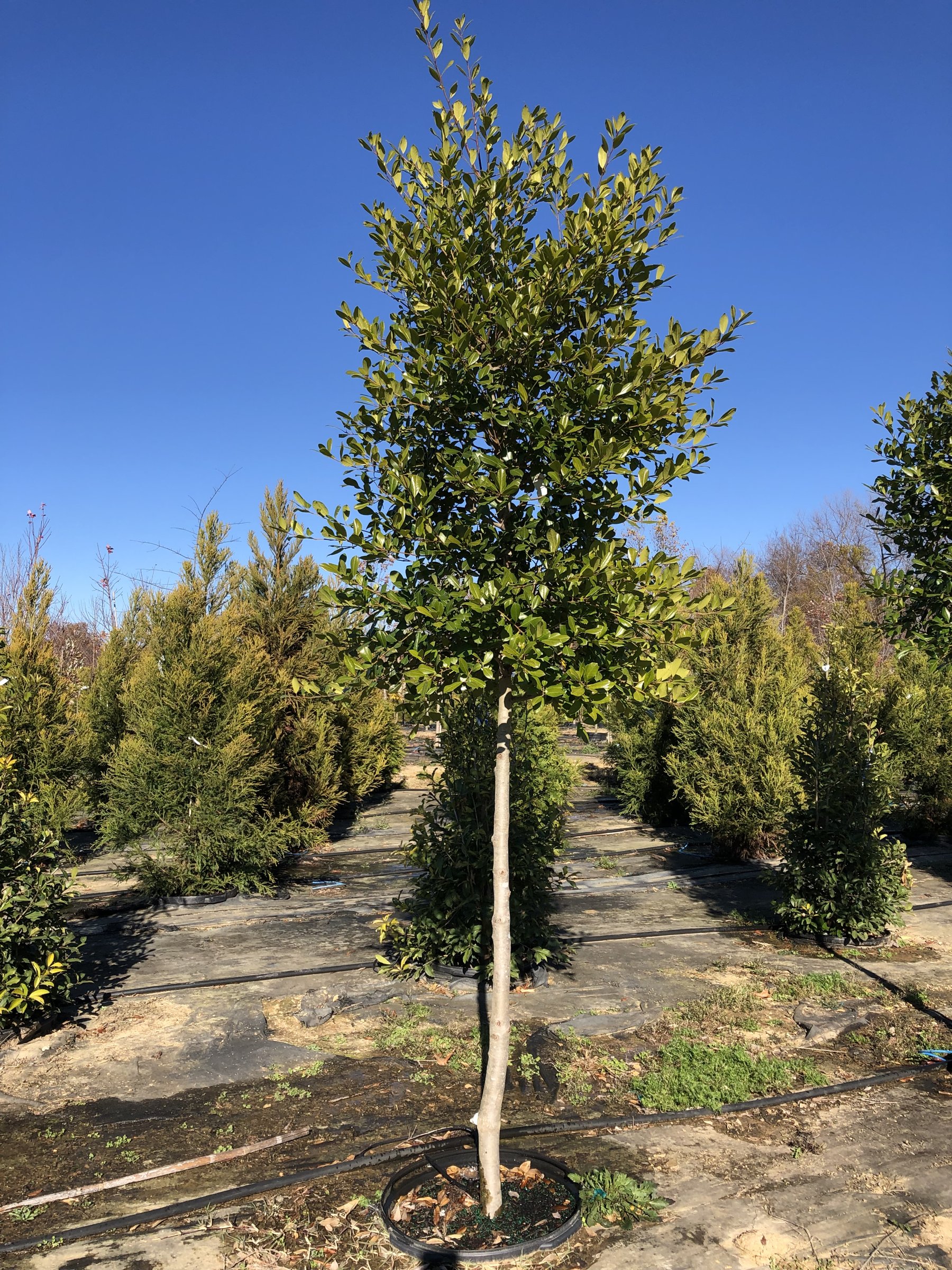
A blackgum selection 30 to 50 feet tall grown for its bronze red new shoots, which contrast with the glossy dark green leathery mature foliage before the whole tree turns intense red with orange, yellow and purple tones in fall. Insignificant greenish white flowers in May and June are a prized nectar source for honey bees, and half inch bluish black drupes on female trees feed thrushes and other songbirds, wild turkeys, foxes and raccoons from August through October. It grows in full sun in acid to neutral clay, loam or sand, tolerates moist and occasionally flooded ground as well as drier sites, and makes a shade tree, specimen or street tree.
- Full Sun
- Grows to 50 ft tall and 35 ft wide
- Blooms in spring
- Hardy in USDA zones 4a-9b
- Deciduous foliage
- Native plant
Plant description
A blackgum selection 30 to 50 feet tall grown for its bronze red new shoots, which contrast with the glossy dark green leathery mature foliage before the whole tree turns intense red with orange, yellow and purple tones in fall. Insignificant greenish white flowers in May and June are a prized nectar source for honey bees, and half inch bluish black drupes on female trees feed thrushes and other songbirds, wild turkeys, foxes and raccoons from August through October. It grows in full sun in acid to neutral clay, loam or sand, tolerates moist and occasionally flooded ground as well as drier sites, and makes a shade tree, specimen or street tree.
- Flowers
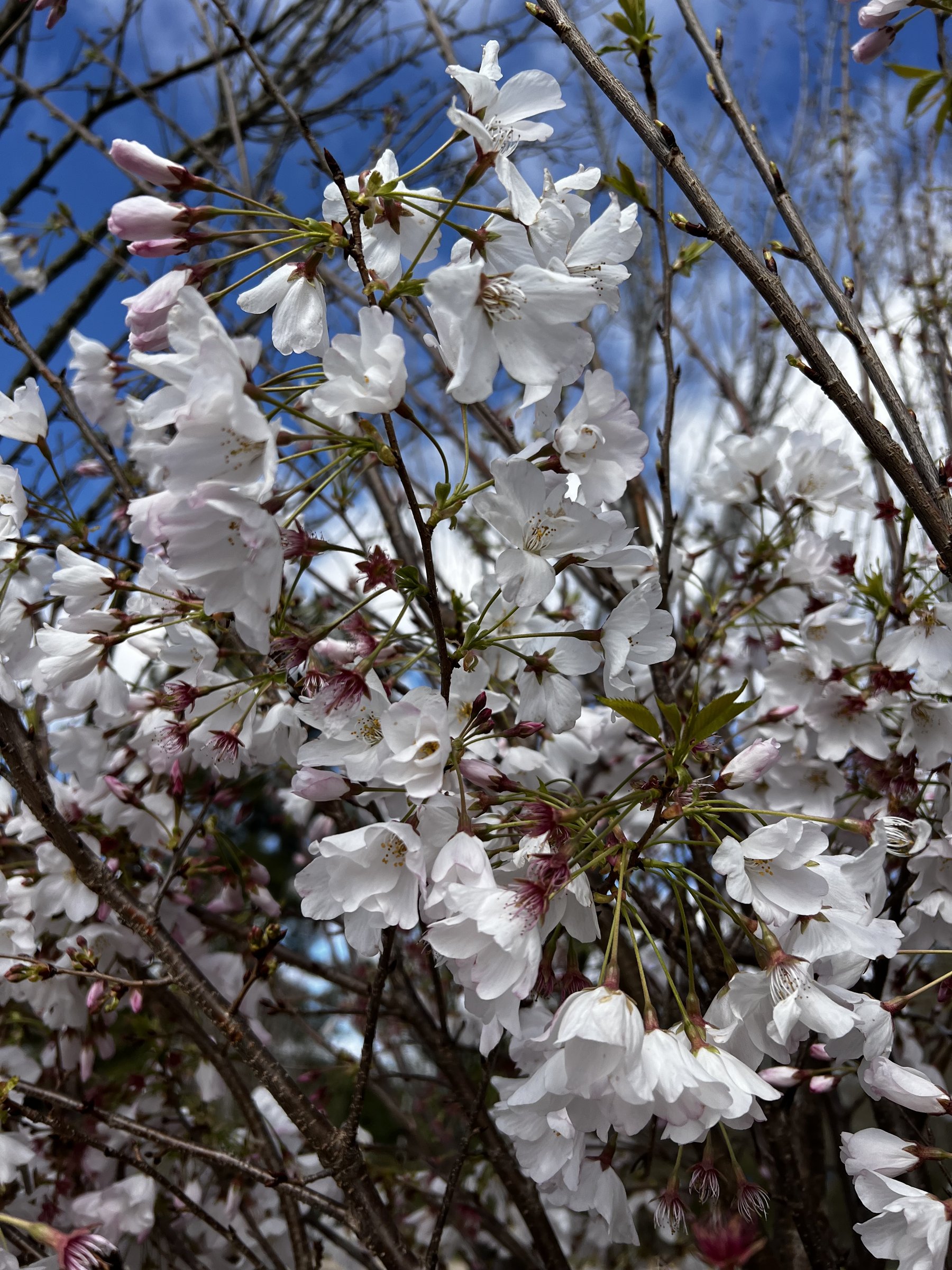
- Small greenish white flowers in umbels in May and June, insignificant but a prized nectar source for honey bees.
- Foliage
- New shoots emerge bronze red, maturing to glossy dark green leathery leaves 3 to 6 inches long that turn intense red with orange, yellow and purple tones in fall.
- Fruit
- Half inch drupes on female trees ripening to bluish black, round to oval, with a thin sharply acid pulp that can be used in preserves.
- Bark & stems
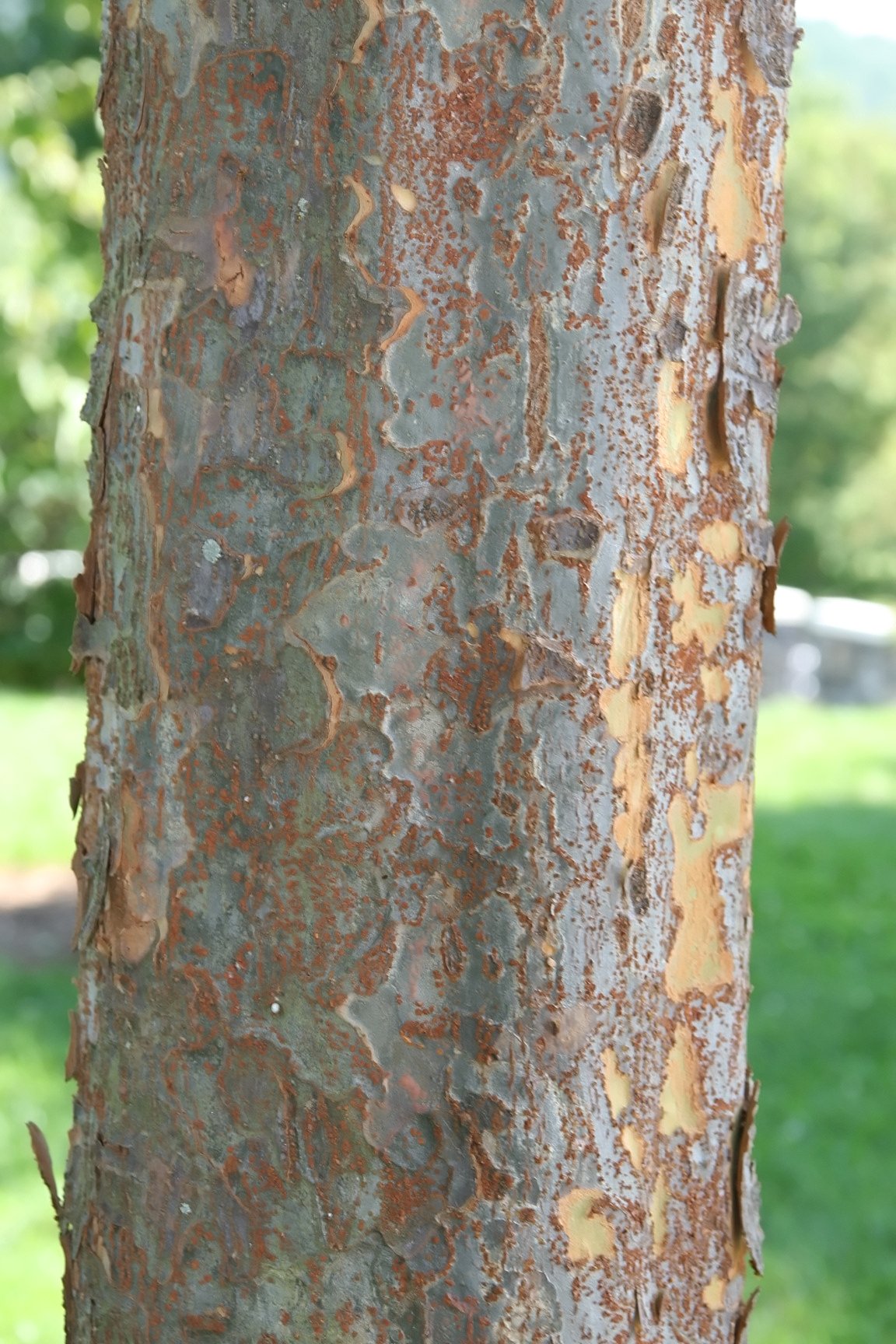
- Gray brown to nearly black bark, deeply furrowed into rectangular ridges, with slender limbs held at roughly 90 degree angles.
- Native range
- Southern Ontario to the Central and Eastern United States, and Mexico