

Plant: Weeping Blue Atlas Cedar Tree
Cedar · Cedrus atlantica 'Glauca Pendula'
Size: 15 gal
Light
Mature size
More about this plant
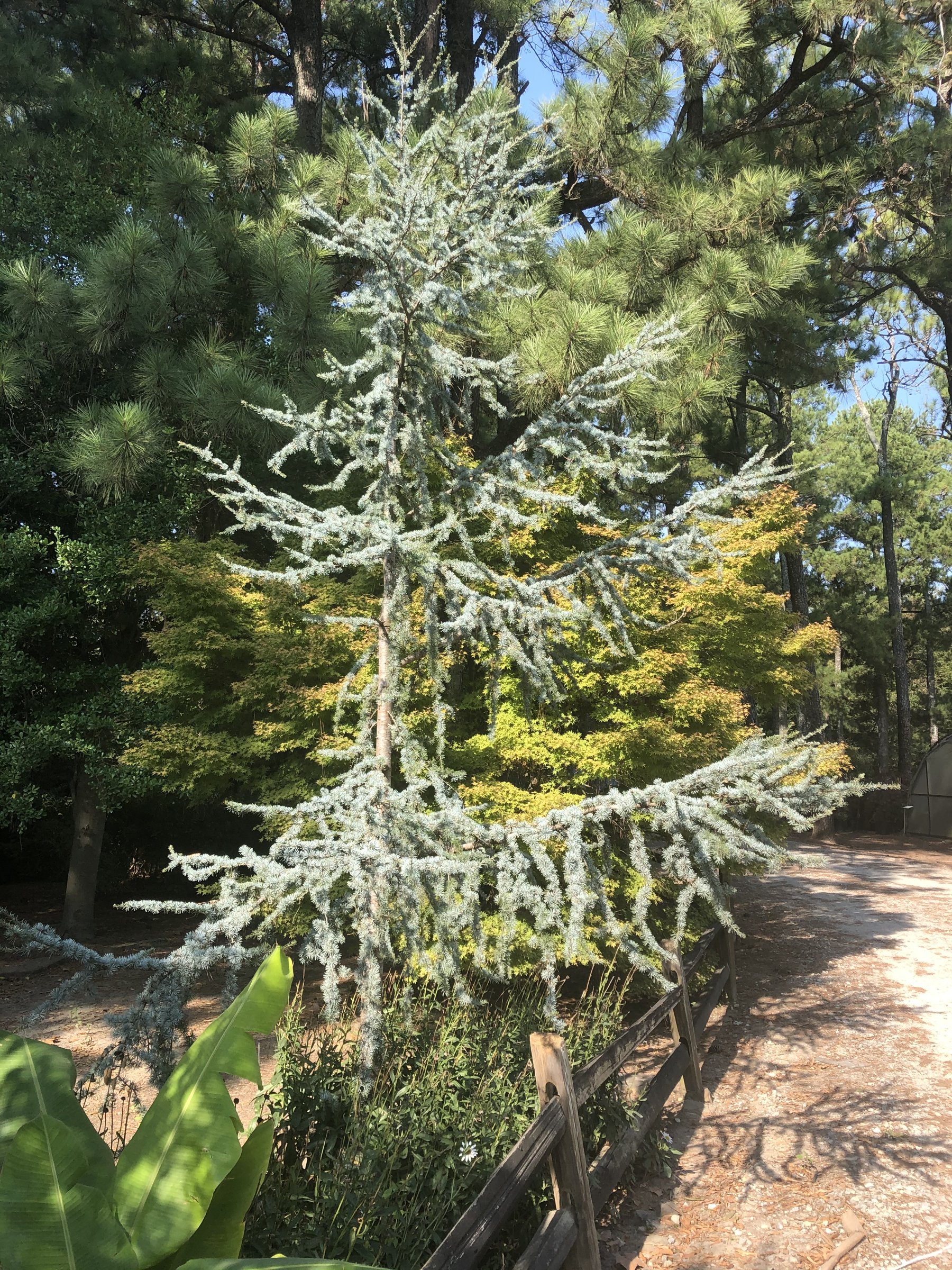
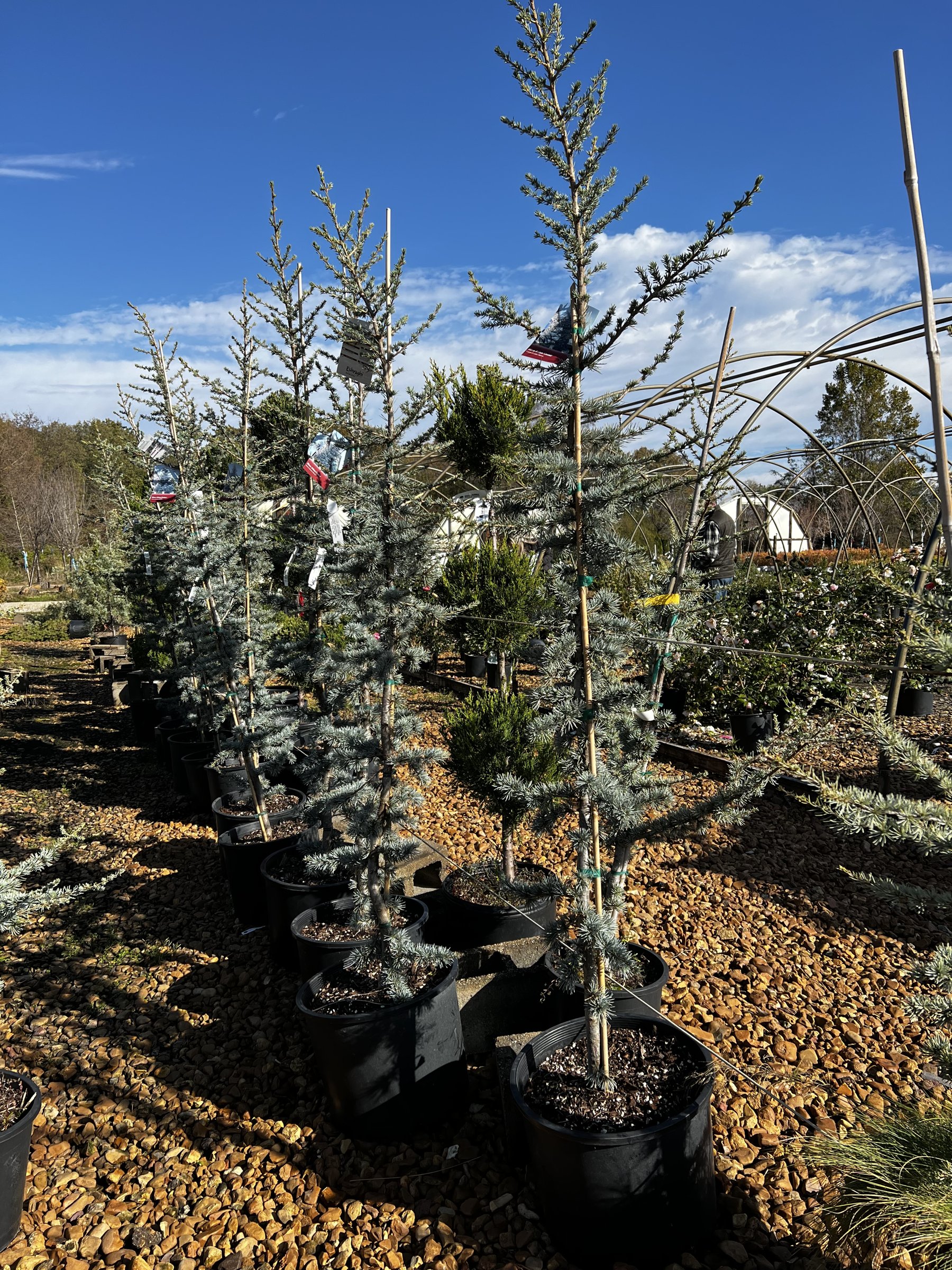
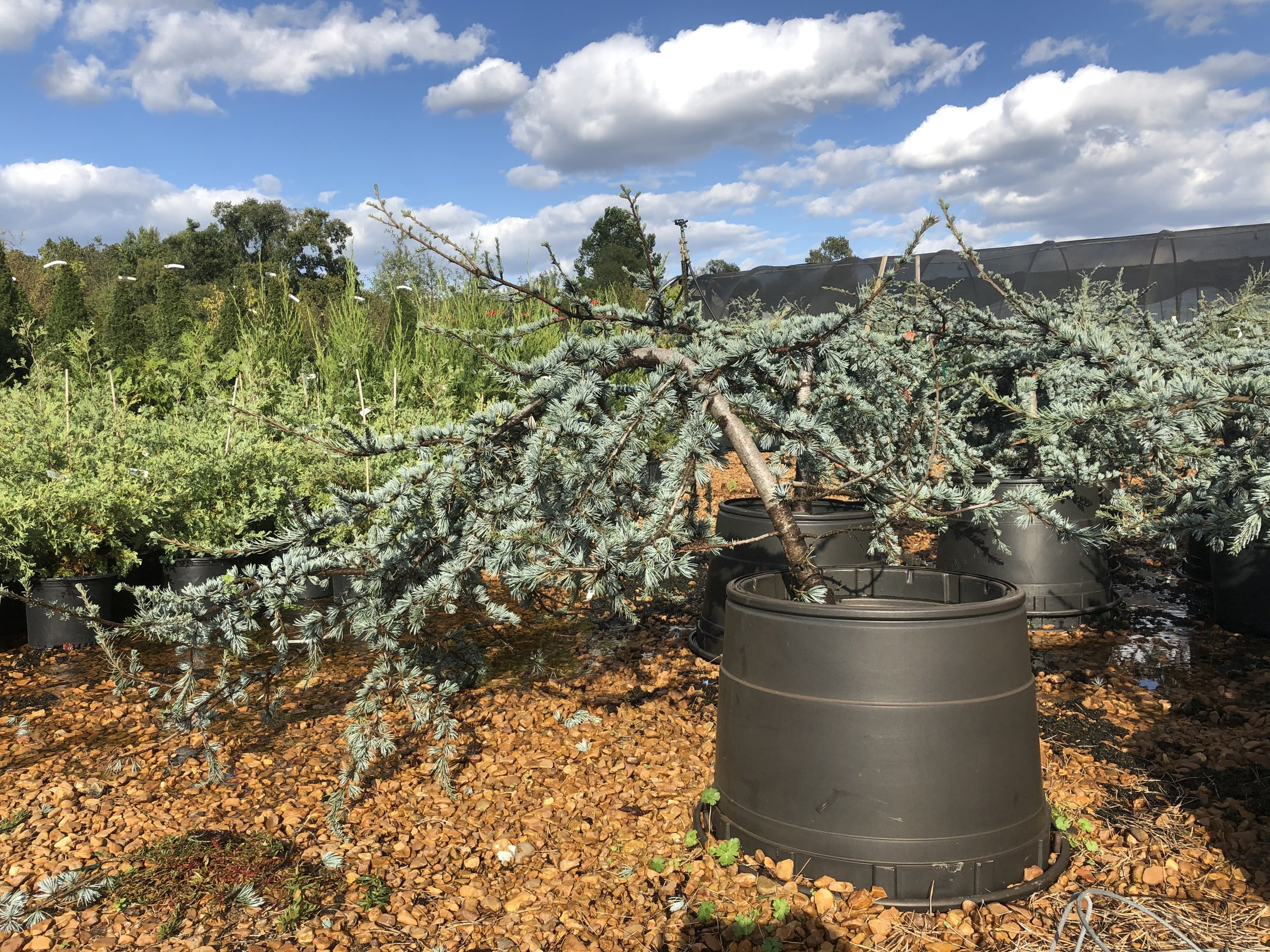
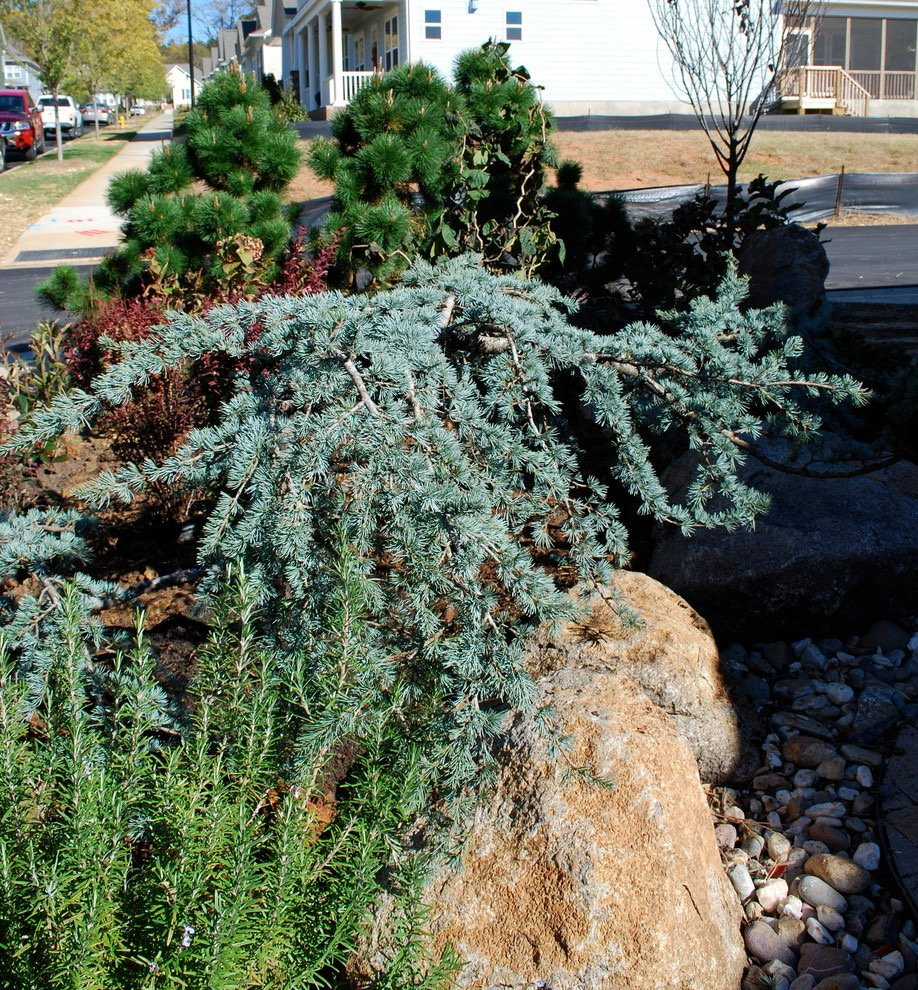
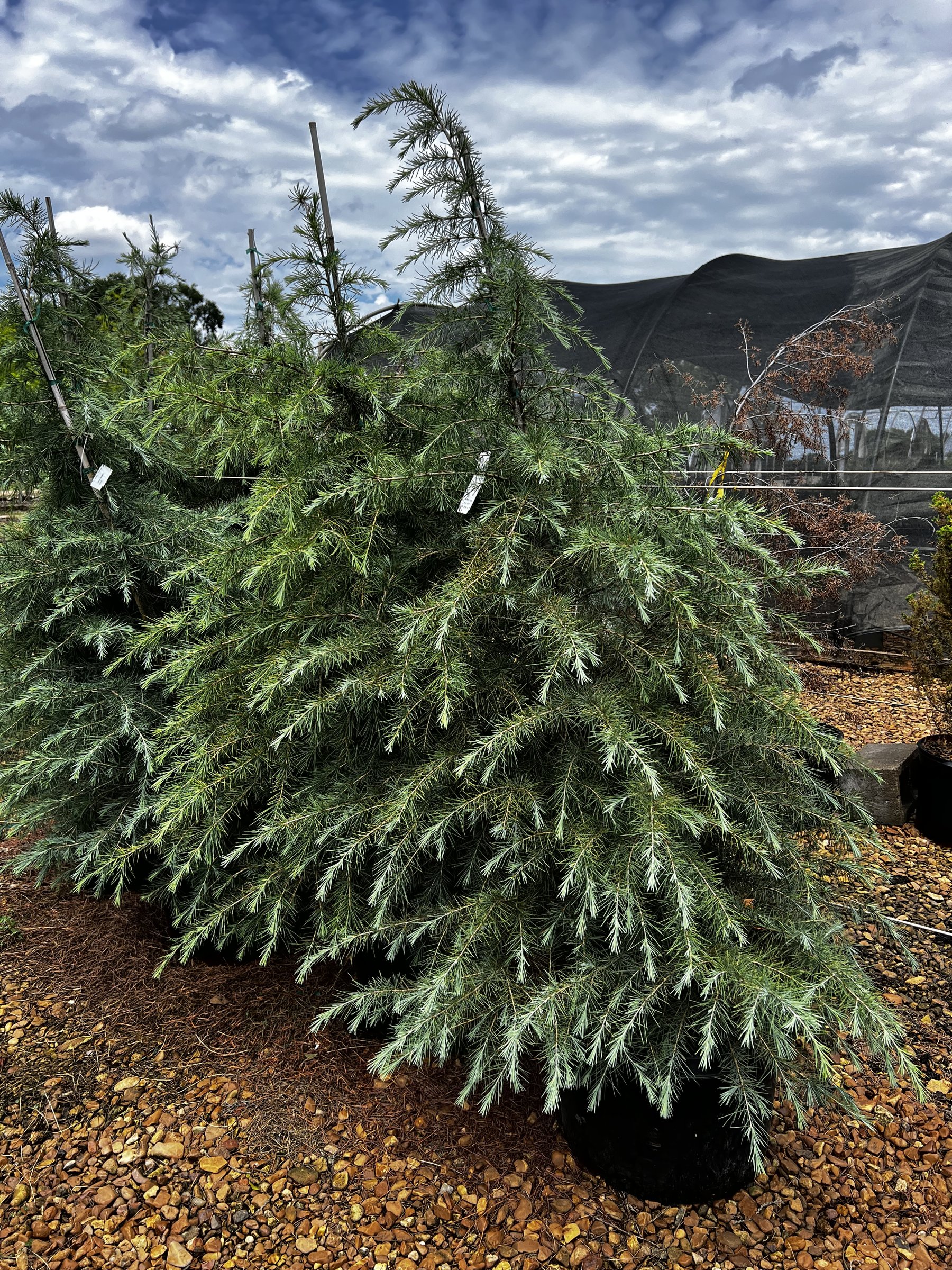
Weeping blue Atlas cedar is a columnar, weeping needled evergreen whose powdery steel blue green needles, about an inch long and curved near the tip, are borne in whorled tufted clusters. It grows rapidly to roughly 3 to 12 feet tall and wide and bears oval cones 3 to 6 inches long. Give it full sun and loamy, acid soil with good drainage; it tolerates drought, heat and humidity and has no serious insect or disease issues, though tip blight, root rot, black scale and snow or wind damage are possible. The weeping form is its predominant feature and it is easily trained as an espalier or held to a chosen height by training the central leader. It carries a high flammability rating.
- Full Sun
- Grows to 12 ft tall and 12 ft wide
- Hardy in USDA zones 6-8
- Evergreen foliage
- Native plant
Plant description
Weeping blue Atlas cedar is a columnar, weeping needled evergreen whose powdery steel blue green needles, about an inch long and curved near the tip, are borne in whorled tufted clusters. It grows rapidly to roughly 3 to 12 feet tall and wide and bears oval cones 3 to 6 inches long. Give it full sun and loamy, acid soil with good drainage; it tolerates drought, heat and humidity and has no serious insect or disease issues, though tip blight, root rot, black scale and snow or wind damage are possible. The weeping form is its predominant feature and it is easily trained as an espalier or held to a chosen height by training the central leader. It carries a high flammability rating.
- Foliage
- The powdery, steel blue green, 1 inch needles are borne in whorls or tufted clusters, and the needles are curved near the tip.
- Fruit
- The fruits are a 3 to 6 inch oval cone.
- Pruning
- The weeping form is the predominant feature of this tree. It is easily trained as an espalier, and its height and form can be controlled by training the central leader. With adequate elbow room it will not need pruning; if the lower branches are pruned it may take on an odd shape and lose its character.
- Native range
- Northern Africa