

Plant: Tulip Poplar Tree
Tulip Poplar Tree · Liriodendron tulipifera
Size: 15 gal
Light
Bloom
Mature size
More about this plant
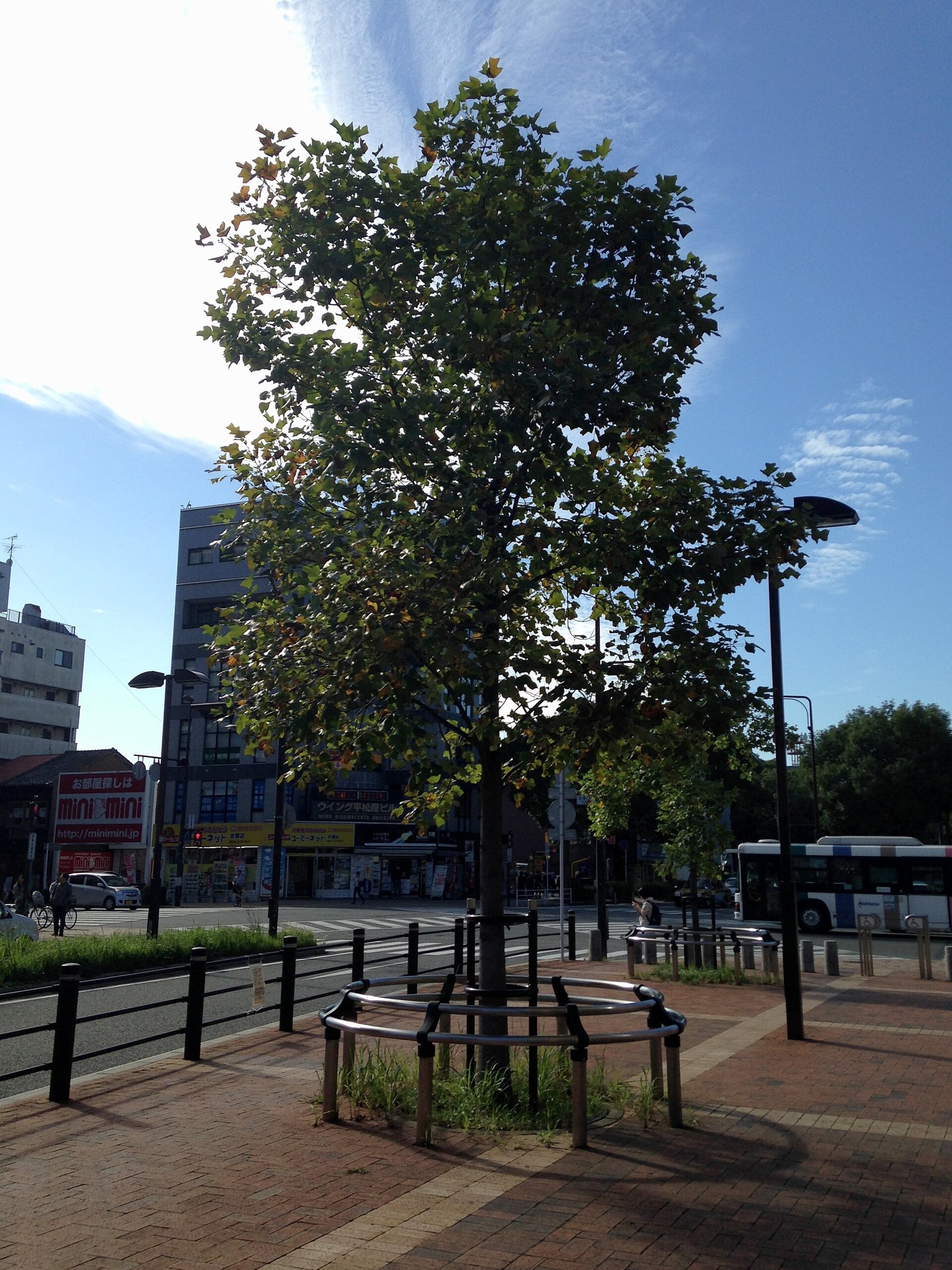
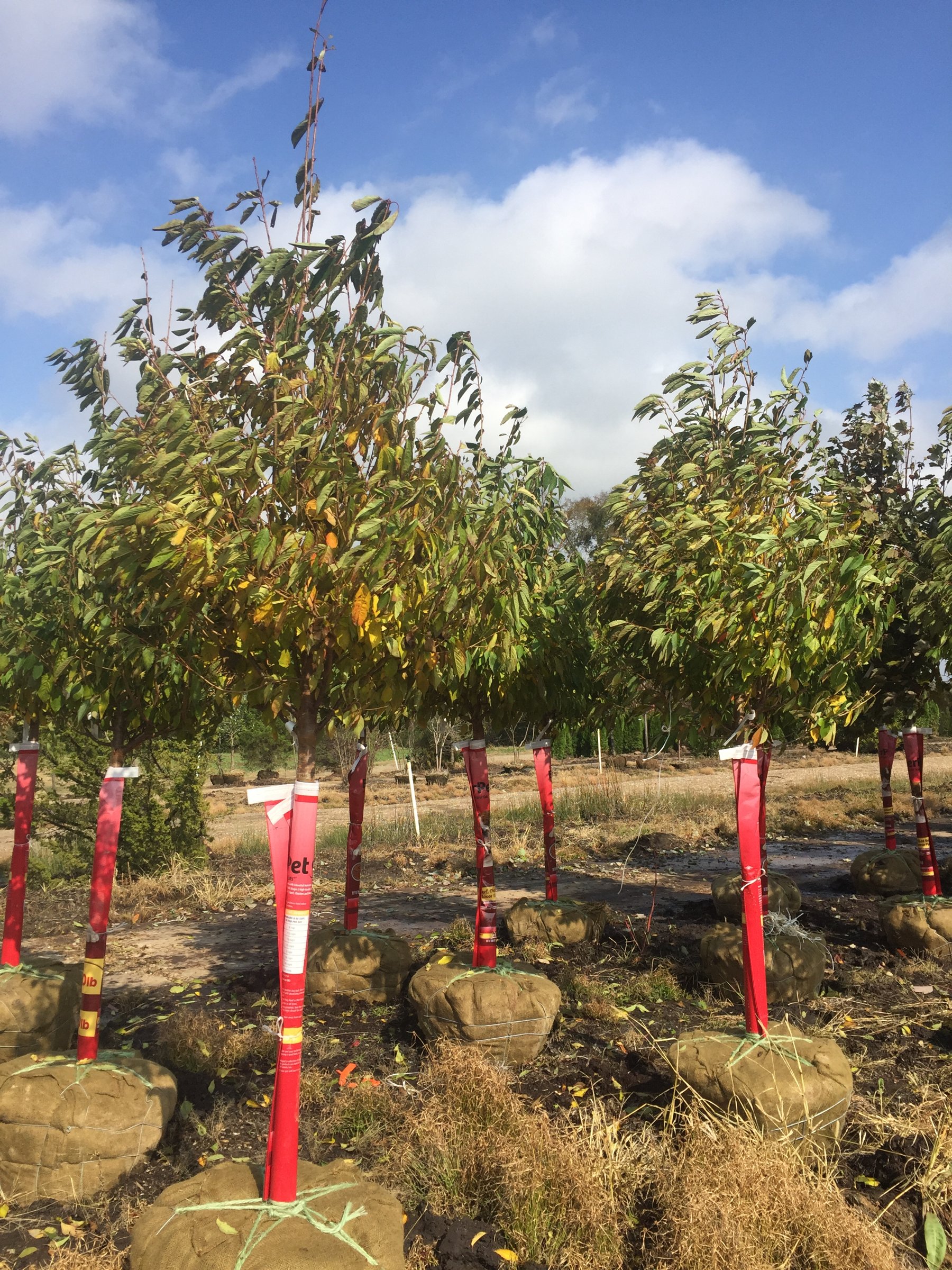
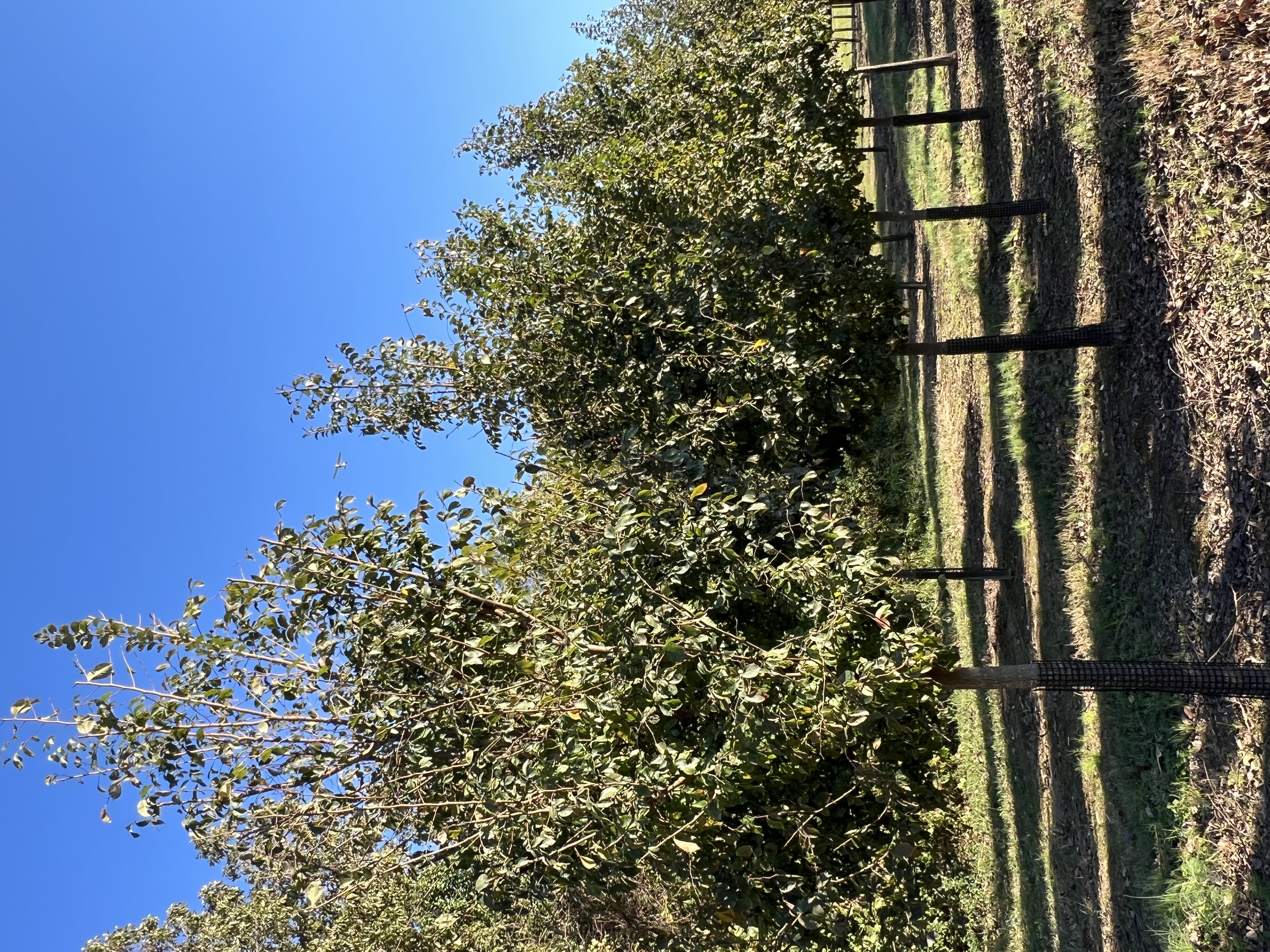
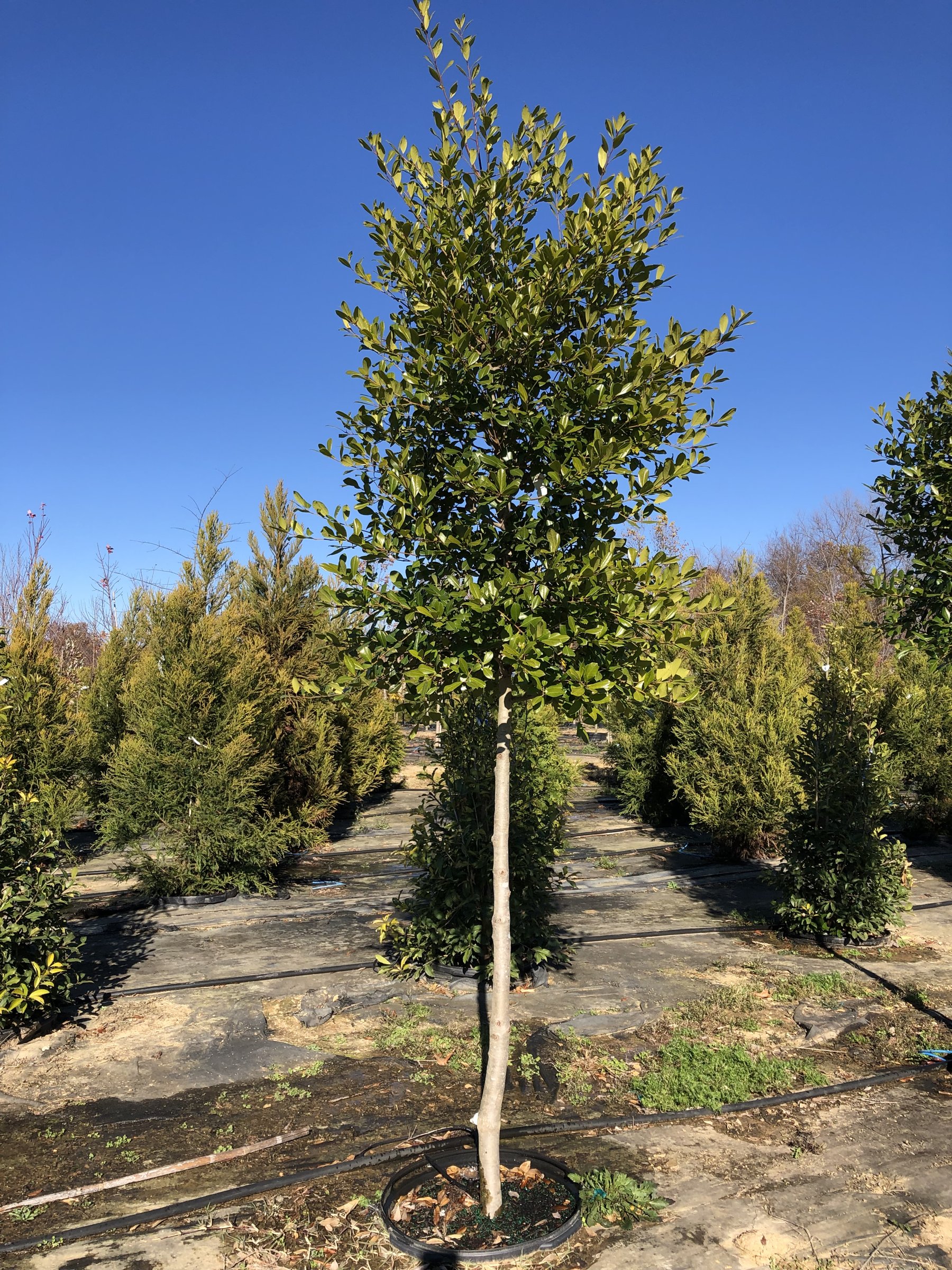
Tulip poplar is a fast growing native forest tree reaching 80 to 120 feet tall and 30 to 60 feet wide, pyramidal when young and rounded with age. Cup shaped, upright, fragrant yellow flowers with six petals and reddish orange bands at the base open in May and June, high in the crown. The four lobed leaves with their broad truncated tips turn golden yellow in fall, and aggregates of brown samaras break apart through the winter. It wants full sun and an acid, moist, well drained loam. It is a larval host for eastern tiger swallowtail, spicebush swallowtail and viceroy butterflies. NCSU notes weak wood prone to wind and ice damage, messy fruit and shallow roots, and does not recommend it for small residential lots or as a street tree.
- Full Sun
- Grows to 120 ft tall and 60 ft wide
- Blooms in spring, summer
- Hardy in USDA zones 4-9
- Deciduous foliage
- Native plant
Plant description
Tulip poplar is a fast growing native forest tree reaching 80 to 120 feet tall and 30 to 60 feet wide, pyramidal when young and rounded with age. Cup shaped, upright, fragrant yellow flowers with six petals and reddish orange bands at the base open in May and June, high in the crown. The four lobed leaves with their broad truncated tips turn golden yellow in fall, and aggregates of brown samaras break apart through the winter. It wants full sun and an acid, moist, well drained loam. It is a larval host for eastern tiger swallowtail, spicebush swallowtail and viceroy butterflies. NCSU notes weak wood prone to wind and ice damage, messy fruit and shallow roots, and does not recommend it for small residential lots or as a street tree.
- Flowers
- Cup shaped, upright, fragrant yellow flowers in May and June with six green to yellow petals in two rows and reddish orange bands near the base.
- Foliage
- Alternate, simple, pinnately veined leaves 5 to 6 inches long with four main lobes and a broad truncated apical lobe.
- Fruit
- An aggregate of samaras 2 to 3 inches long that turns brown and separates through the winter.
- Bark & stems
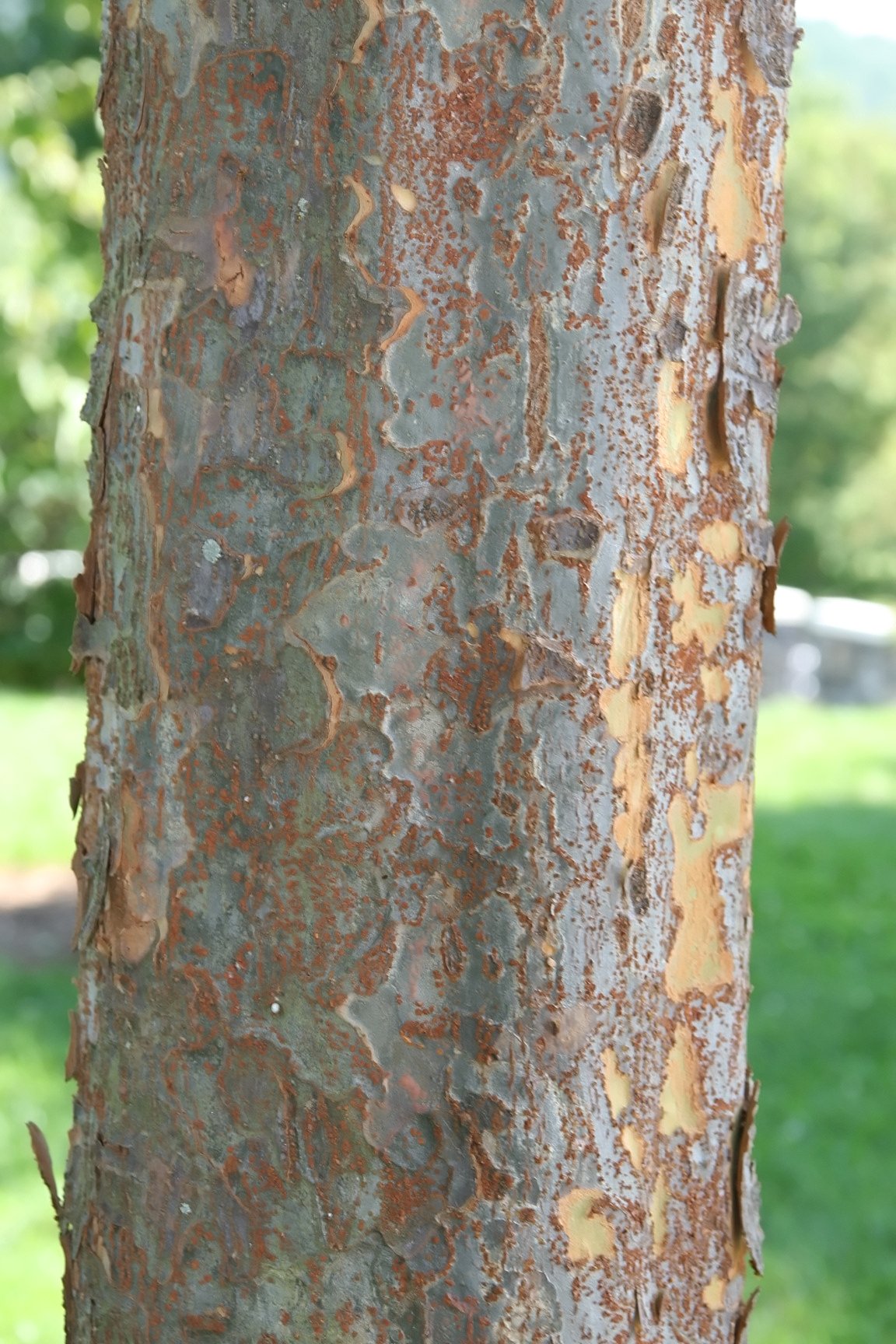
- Light gray green when young and grayish brown at maturity, with diamond shaped ridges and white furrows; broken stems have a sweet spicy scent.
- Native range
- Southern Ontario through the north central and eastern United States