Plant: River Birch Tree
River Birch Tree · Betula nigra
Size: 15 gal
Light
Bloom
Mature size
More about this plant
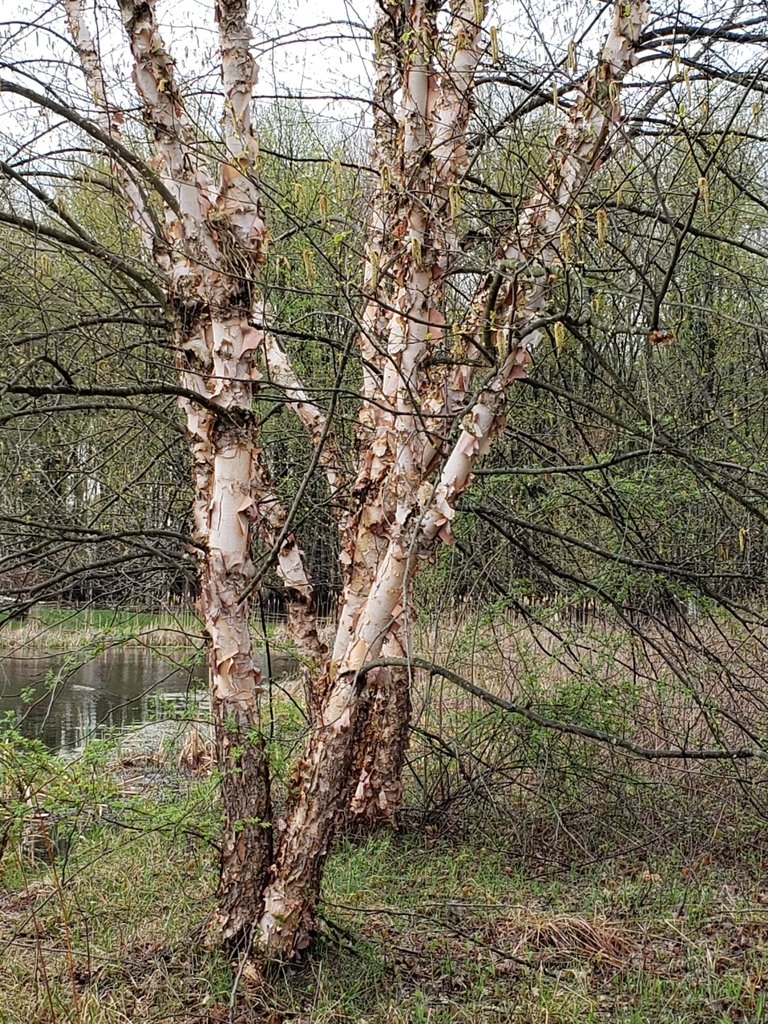
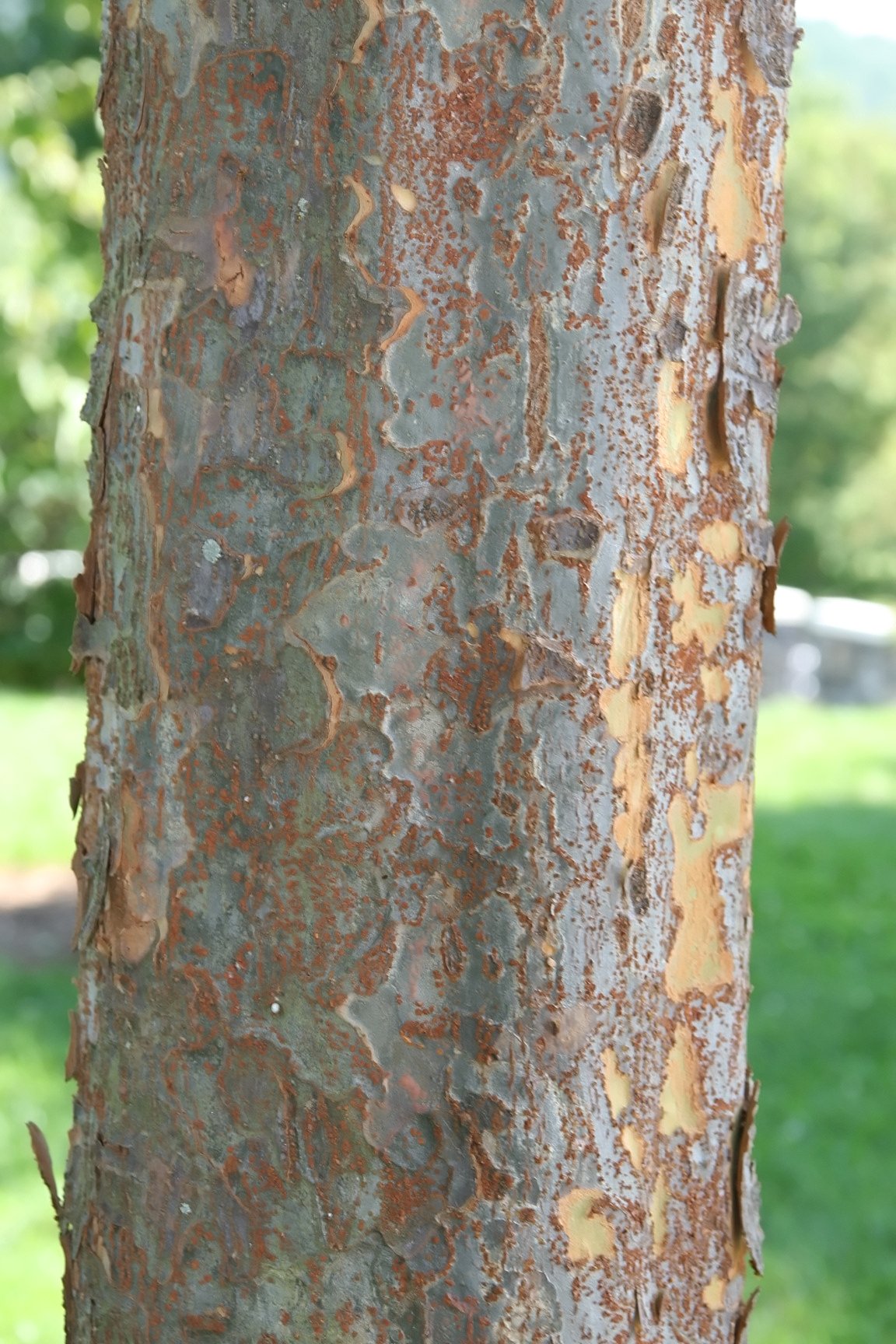
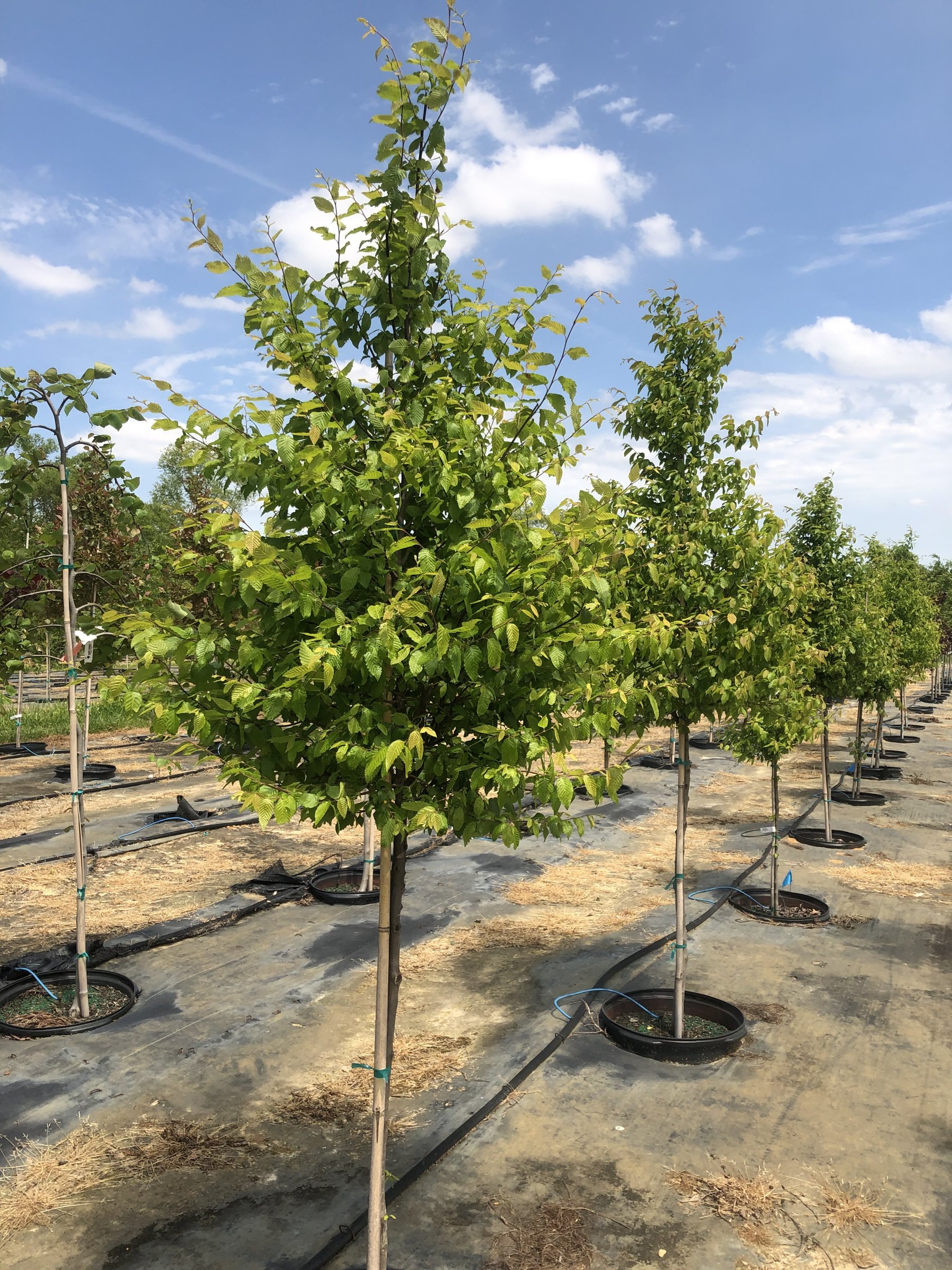
River birch is a native deciduous tree of riverbanks and floodplains, the most heat tolerant birch and the one that performs in the low elevation South. It grows rapidly into an open, often multi trunked pyramidal form with cinnamon brown exfoliating bark that peels in papery layers year round, and doubly serrate leaves that turn a modest yellow in fall. Catkins appear in early spring. It takes clay, compaction, pollution, drought and wet ground, and is used in lawns, naturalized areas and rain gardens as a shade tree, screen or specimen. Songbirds, small mammals, butterflies and moths use it.
- Full Sun
- Grows to 70 ft tall and 60 ft wide
- Blooms in spring
- Hardy in USDA zones 4-9
- Deciduous foliage
- Native plant
Plant description
River birch is a native deciduous tree of riverbanks and floodplains, the most heat tolerant birch and the one that performs in the low elevation South. It grows rapidly into an open, often multi trunked pyramidal form with cinnamon brown exfoliating bark that peels in papery layers year round, and doubly serrate leaves that turn a modest yellow in fall. Catkins appear in early spring. It takes clay, compaction, pollution, drought and wet ground, and is used in lawns, naturalized areas and rain gardens as a shade tree, screen or specimen. Songbirds, small mammals, butterflies and moths use it.
- Flowers
- Light green slim cylindrical catkins 2 to 3 inches long that bloom in early spring.
- Foliage
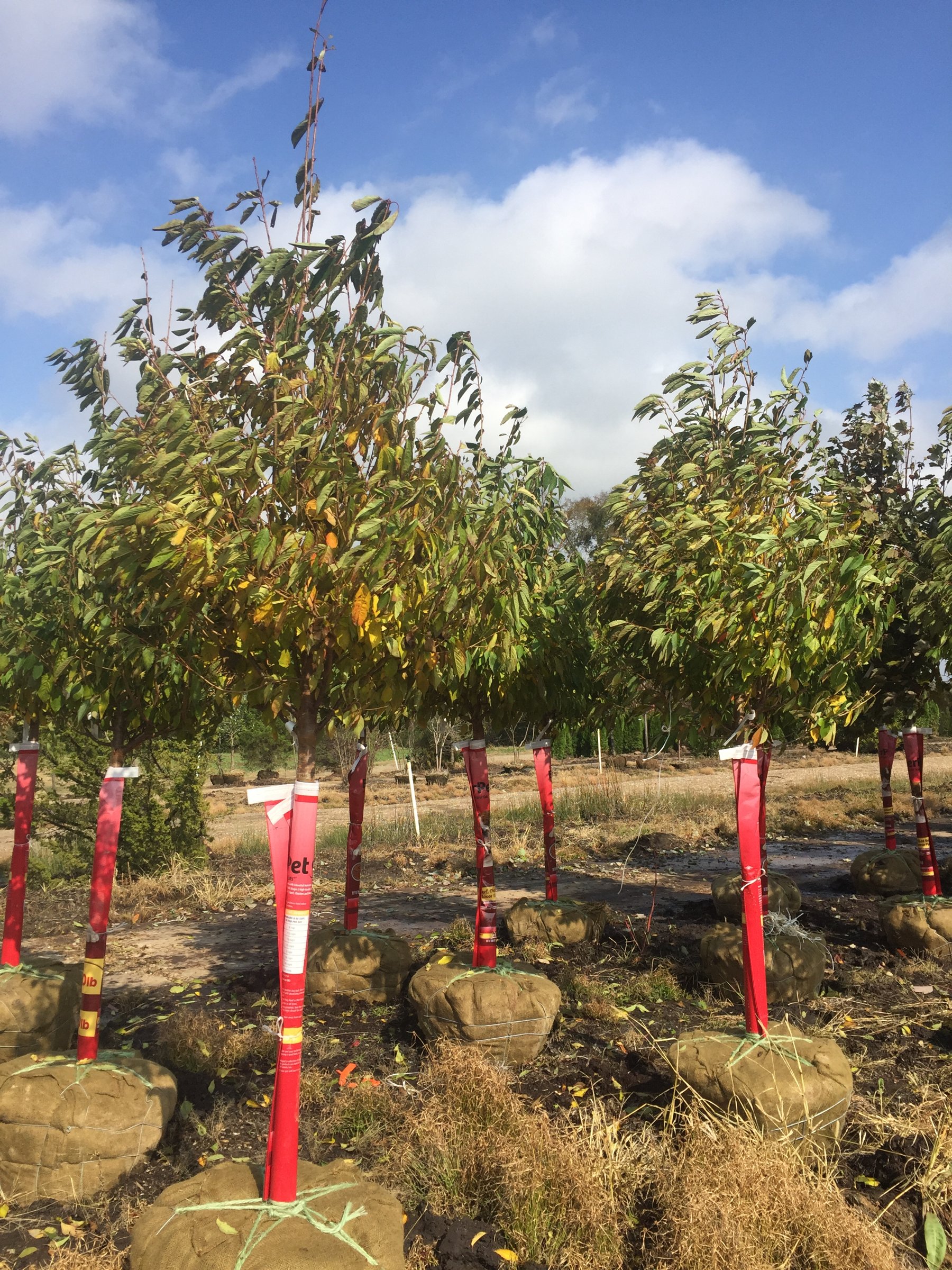
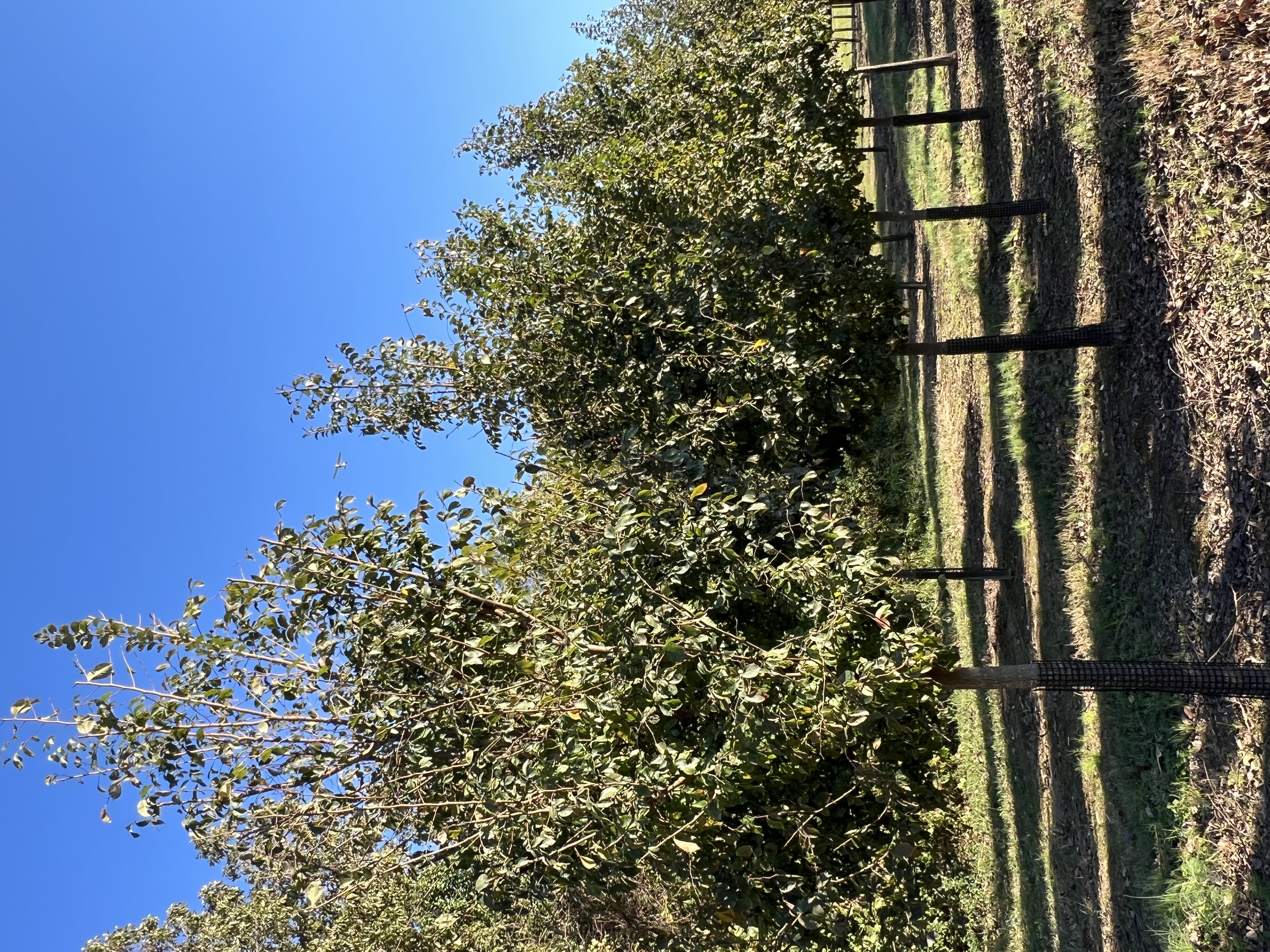
- Simple alternate leaves, deltoid to ovate or rhomboidal, doubly serrate, rough to the touch, 2 to 3.5 inches long with 7 to 9 veins beneath and modest yellow fall colour.
- Fruit
- A 1 to 1.5 inch cone like fruit holding tiny nutlets, about 400,000 seeds per pound, shed in spring.
- Bark & stems
- Smooth and salmon to rust coloured on young trees, developing papery scales and peeling year round in tough paper like layers, dividing into flat scaly ridges with age.
- Native range
- Central and Eastern U.S.A.