Plant: Limelight Prime® Panicle Hydrangea
Hydrangea · Hydrangea paniculata 'SMNHPPH'
Size: 3 gal
Light
Bloom
Mature size
More about this plant
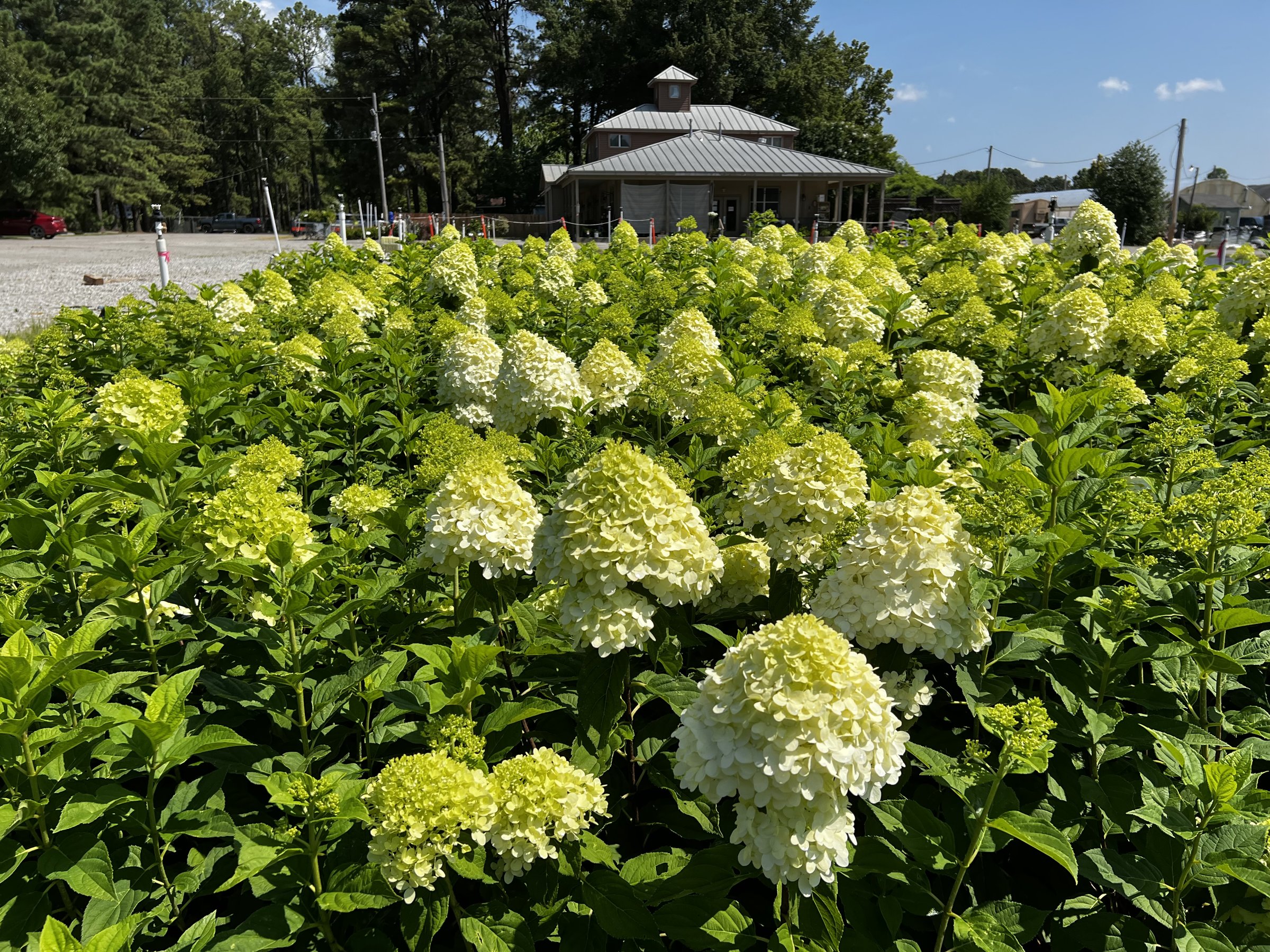
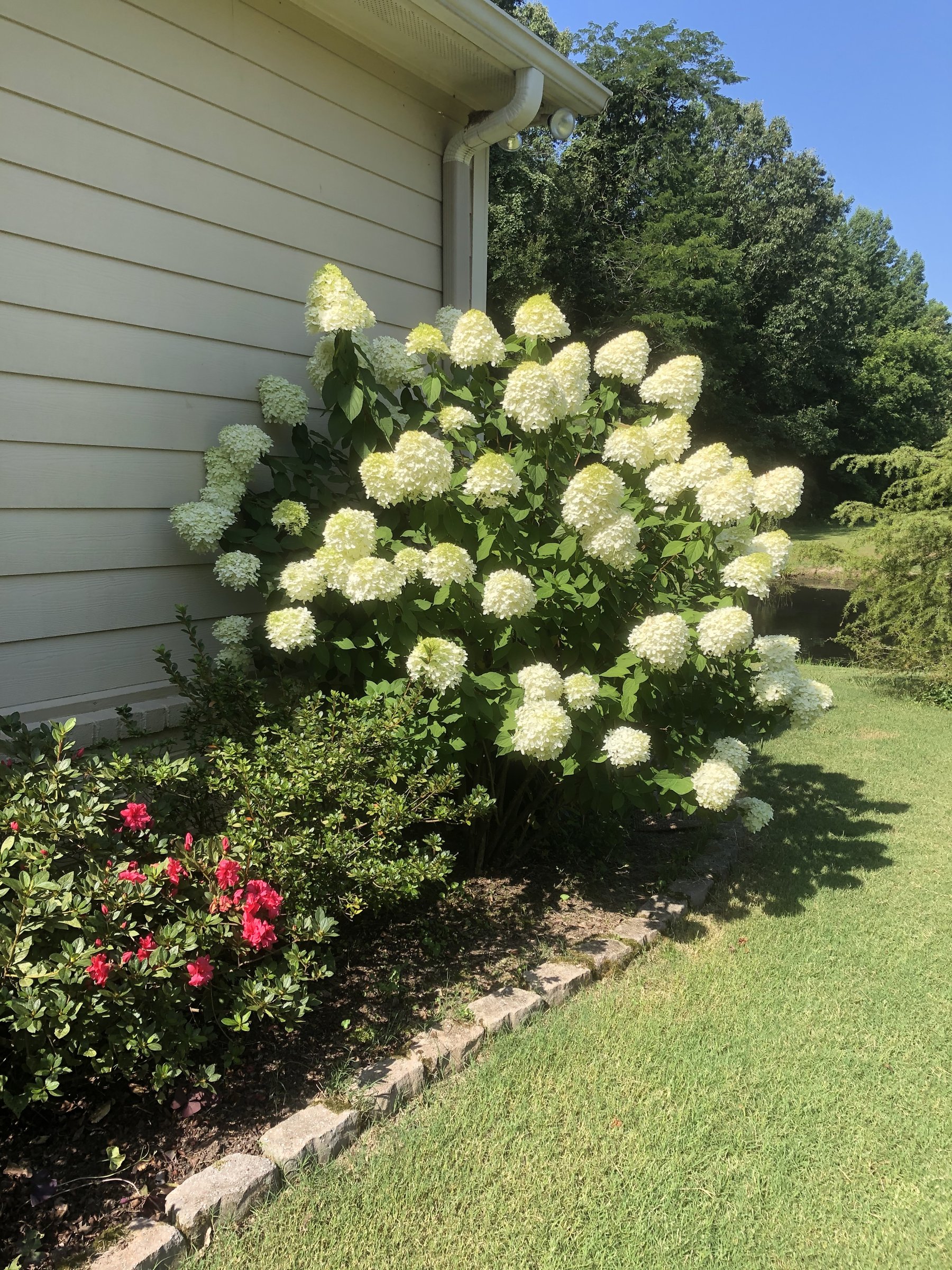
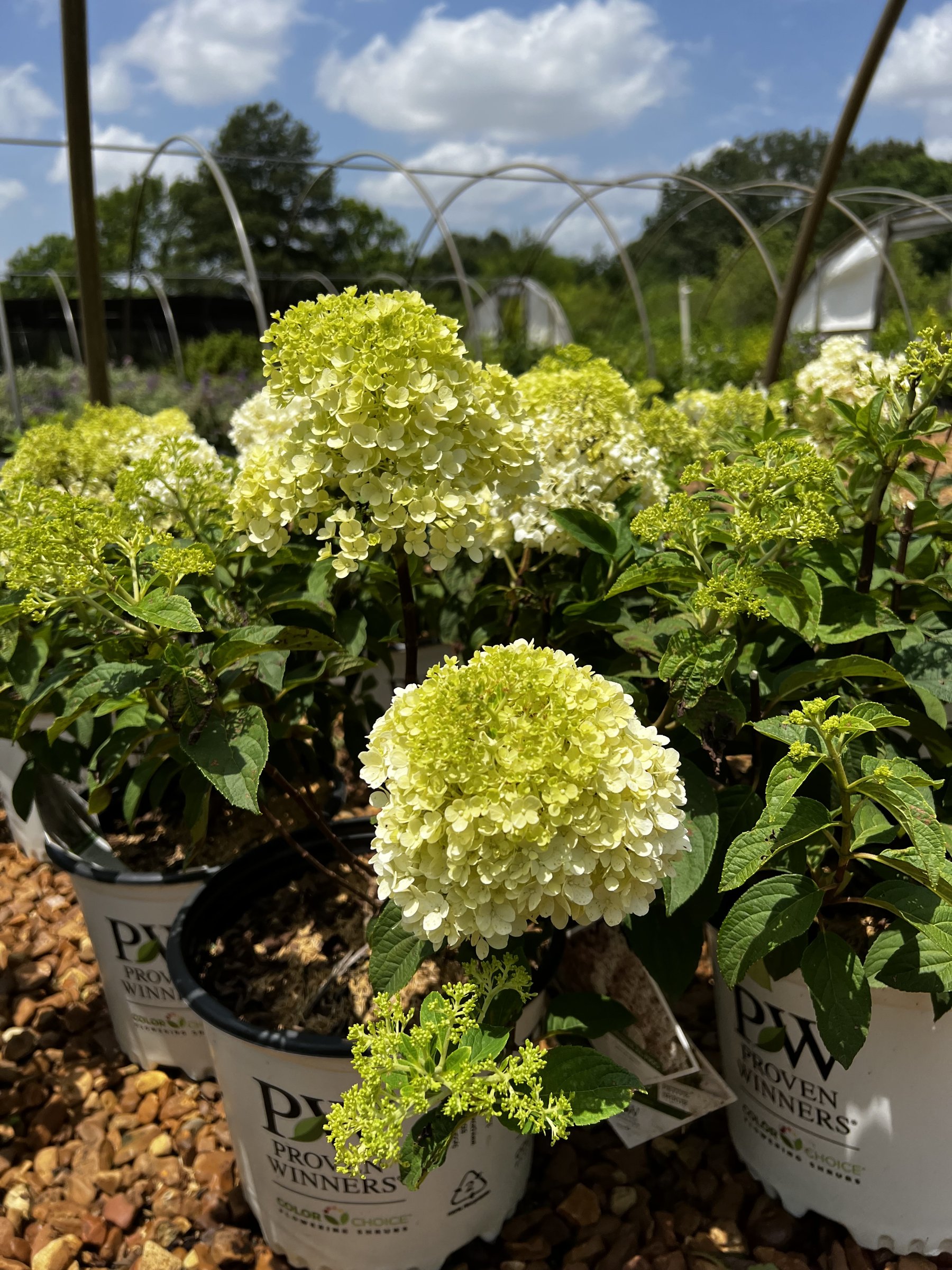
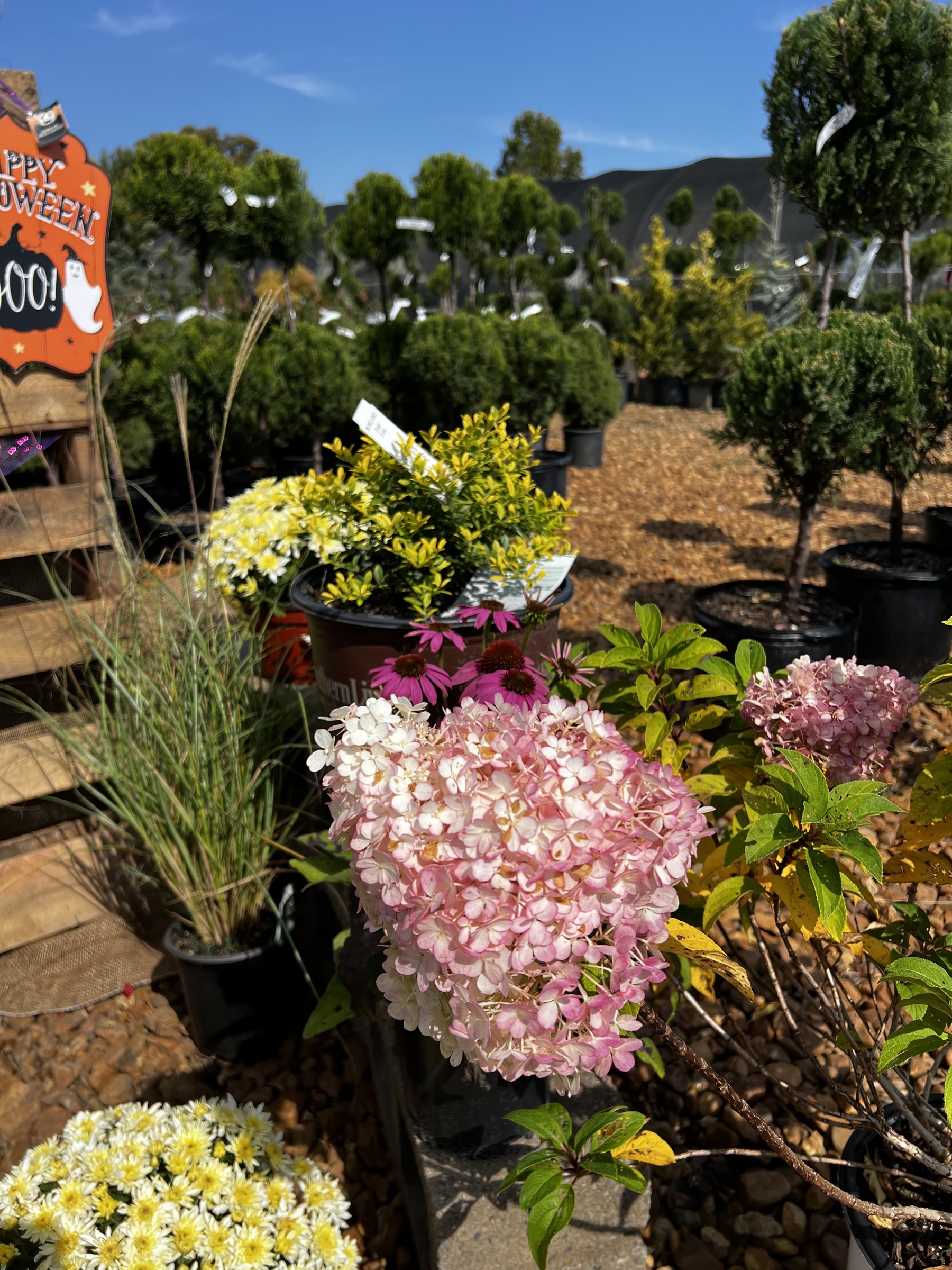
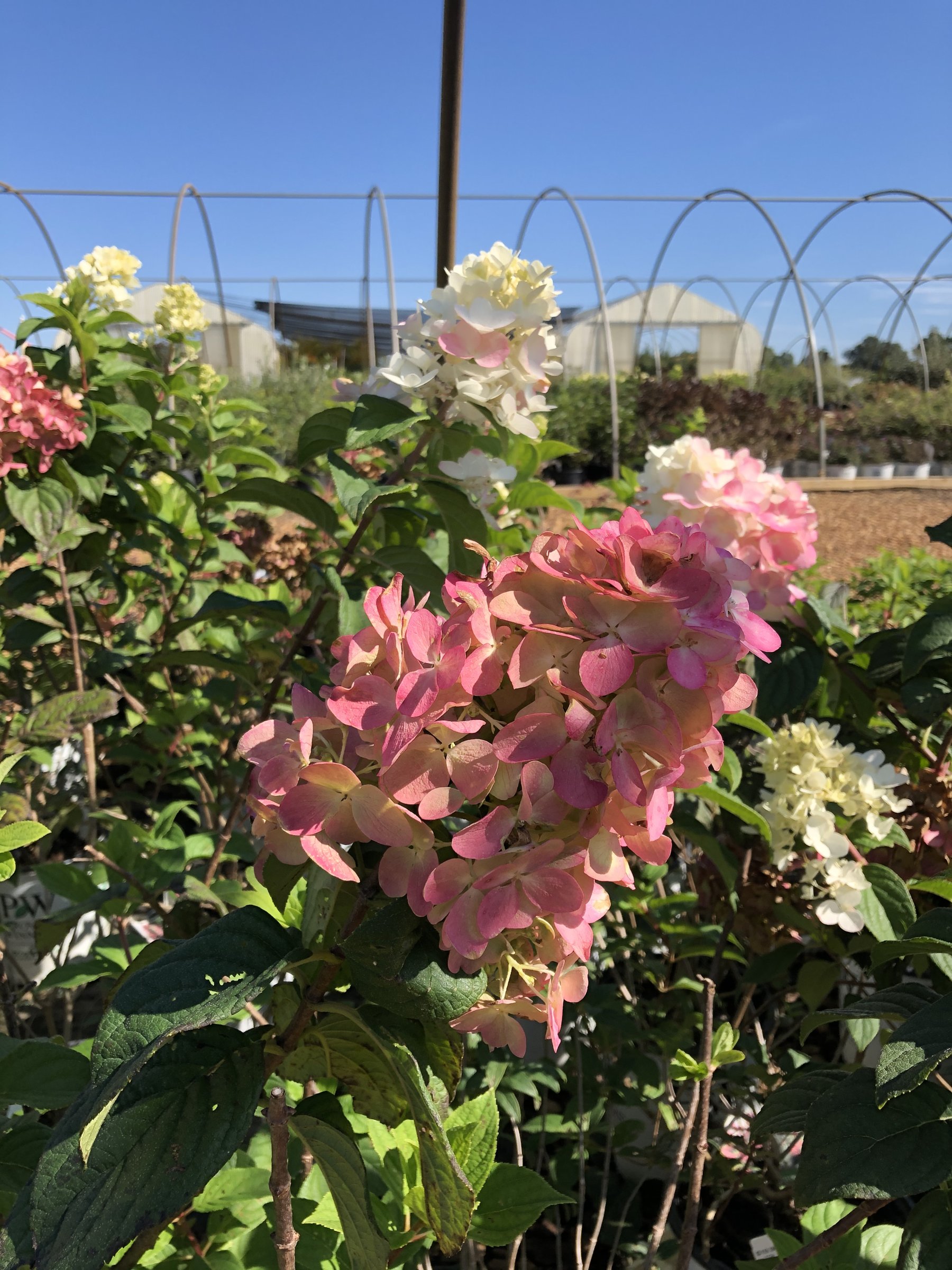
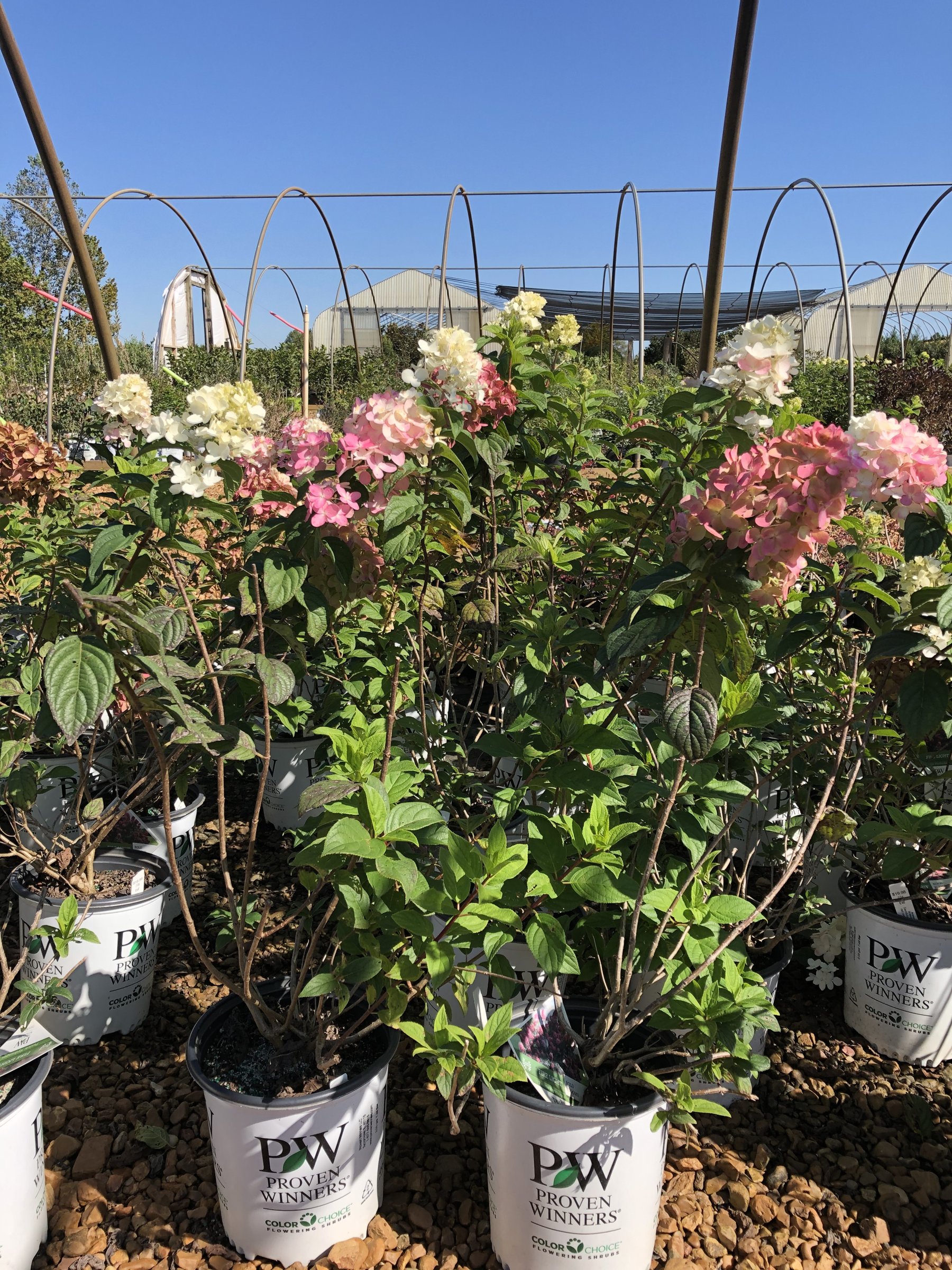
An improved Limelight that blooms much earlier, in bolder and brighter colour, on stronger stems and at a more manageable 4 to 6 feet tall and 4 to 5 feet wide. The blooms open green and turn bright pink and red shades in fall, carrying from early summer through fall. Proven Winners recommends part sun to sun with six or more hours for the best flowering, well drained soil of any pH from acid to alkaline, and average water, and says to cut the main branches back by one third in late winter or early spring. It suits borders, hedges, containers, specimens and fresh or dried cut flowers.
- Full Sun
- Grows to 6 ft tall and 5 ft wide
- Blooms in summer, fall
- Hardy in USDA zones 3-9
- Deciduous foliage
Plant description
An improved Limelight that blooms much earlier, in bolder and brighter colour, on stronger stems and at a more manageable 4 to 6 feet tall and 4 to 5 feet wide. The blooms open green and turn bright pink and red shades in fall, carrying from early summer through fall. Proven Winners recommends part sun to sun with six or more hours for the best flowering, well drained soil of any pH from acid to alkaline, and average water, and says to cut the main branches back by one third in late winter or early spring. It suits borders, hedges, containers, specimens and fresh or dried cut flowers.
- Flowers
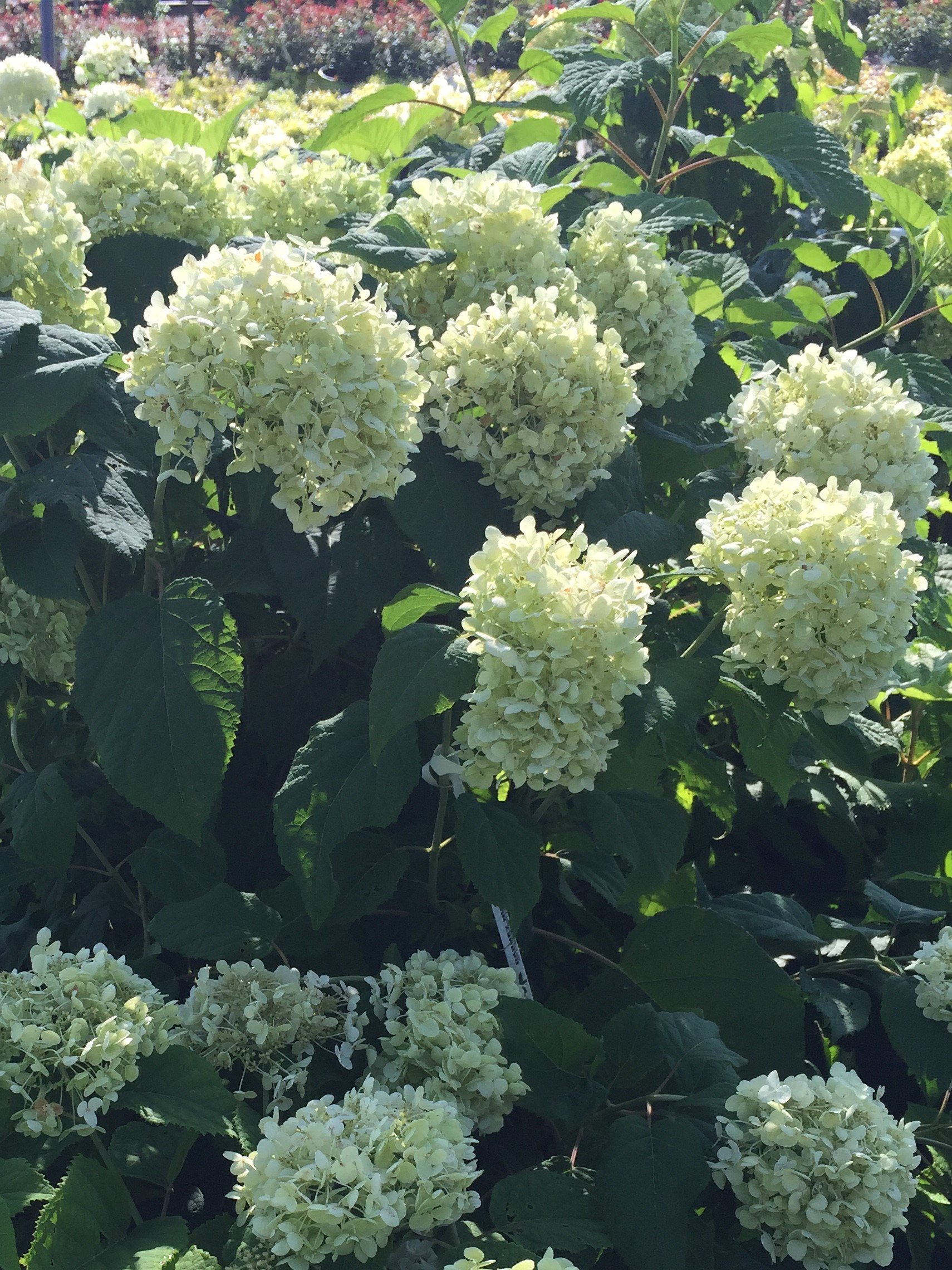
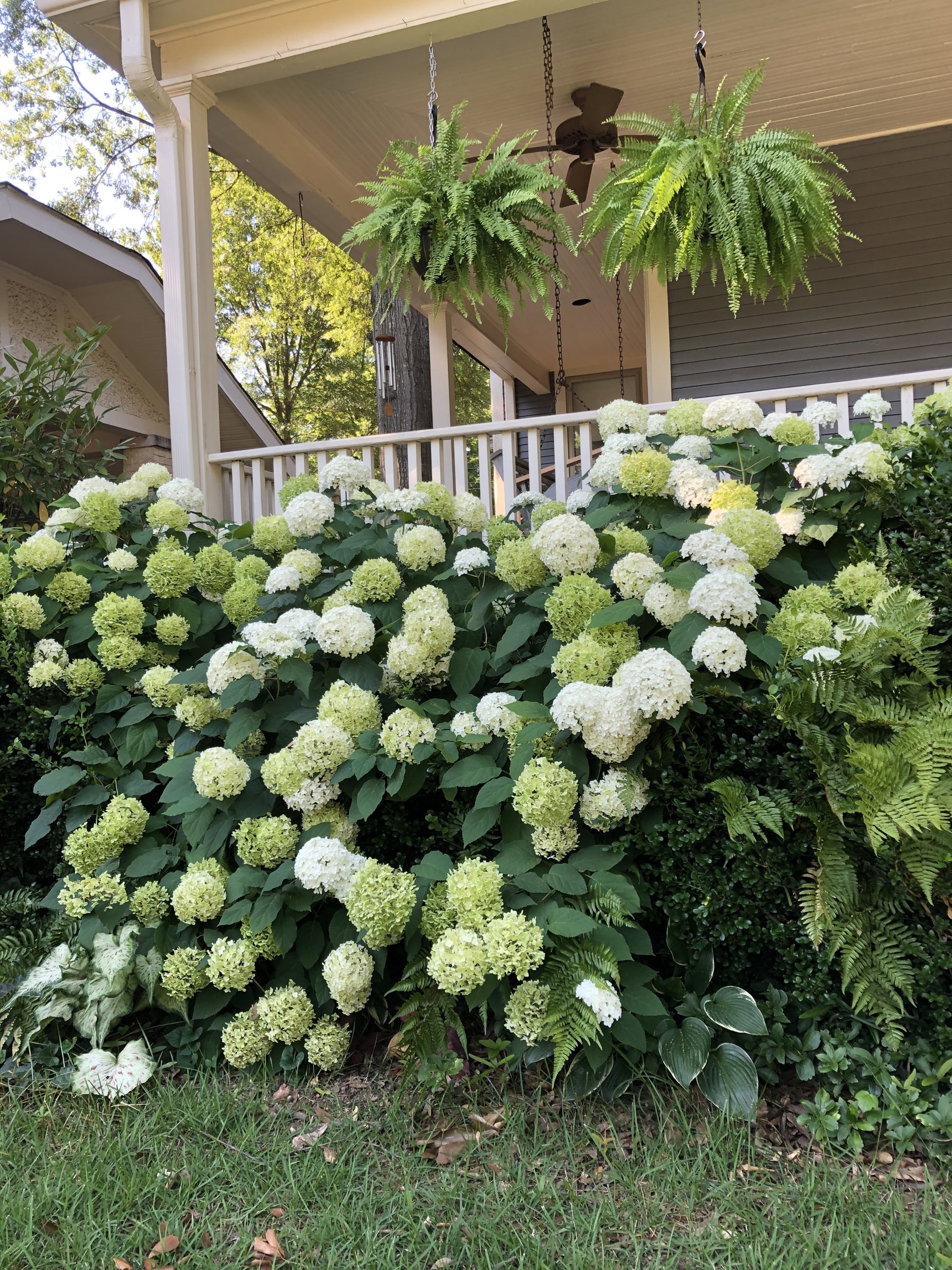
- Blooms open green and turn bright pink and red shades in fall, appearing from early summer through fall on strong stems.
- Foliage
- Opposite, simple, oval to ovate leaves, sometimes whorled toward the tip, 3 to 6 inches long and 1.5 to 3 inches wide, dark green above and light green beneath, fading to yellow in fall.
- Fruit
- A brownish pink dehiscent oval capsule that does not attract wildlife, appearing in summer and fall.
- Bark & stems
- Grayish brown bark that shreds when mature and is irregularly furrowed; stems tend to droop under the weight of the flowers.
- Pruning
- Prune by cutting the main branches back by one third in late winter or early spring. Deadheading is unnecessary; fertilize in early spring if desired.
- Native range
- Eastern and southern China, Japan, Sakhalin, Taiwan and Kuril Island