Plant: Invincibelle Wee White® Smooth Hydrangea
Hydrangea · Hydrangea arborescens 'NCHA5'
Size: 2 gal
Light
Bloom
Mature size
More about this plant
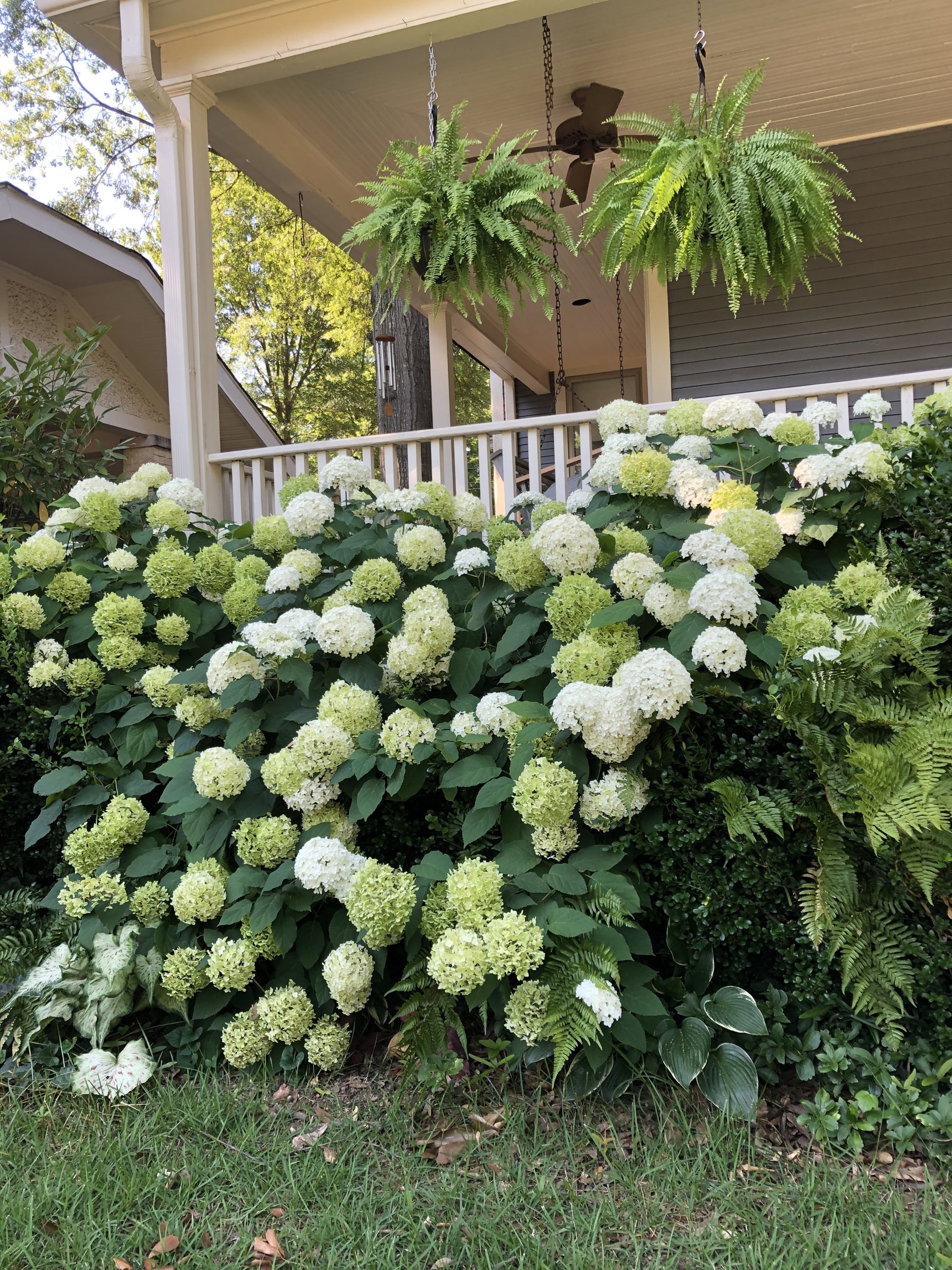
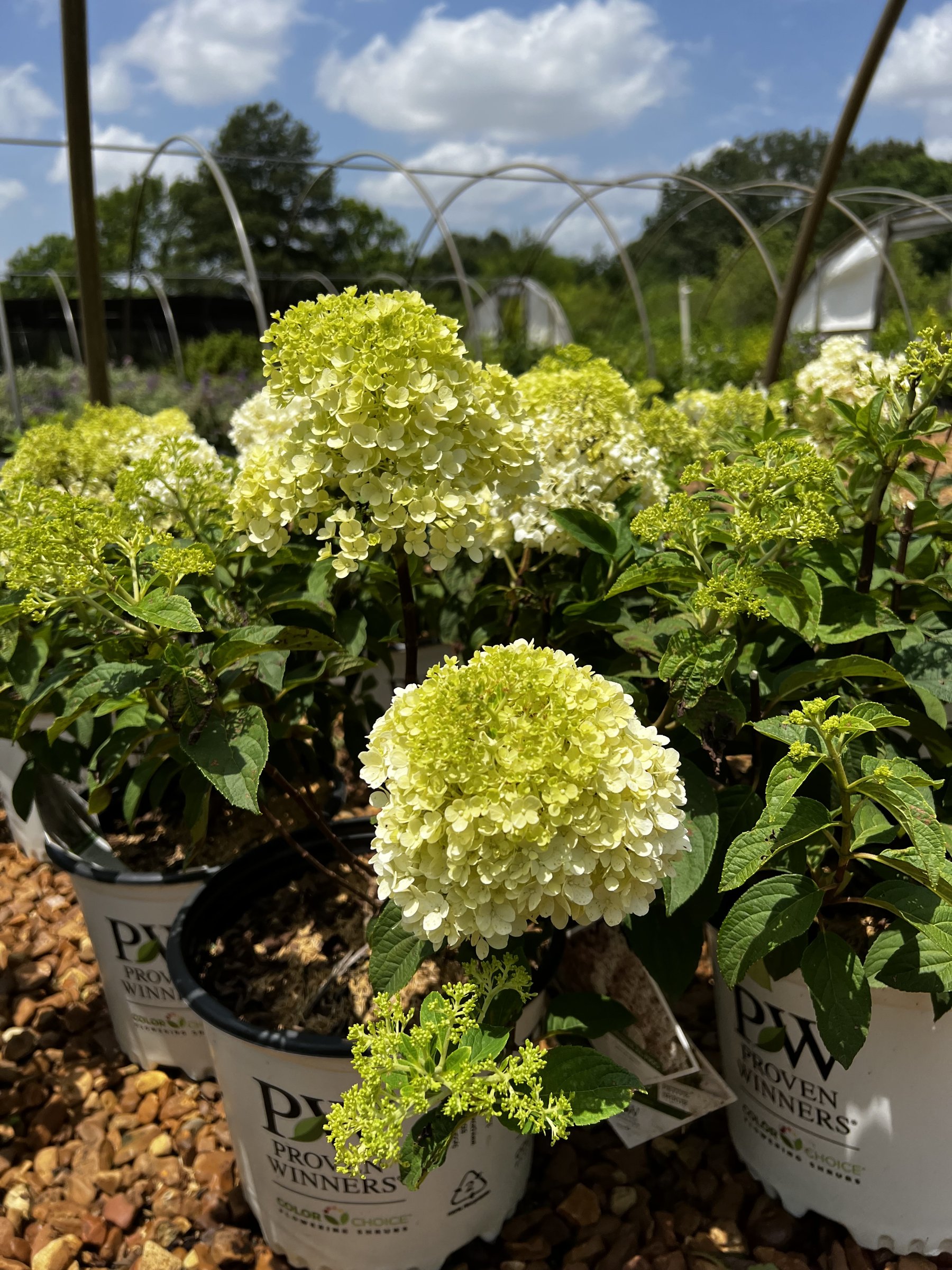
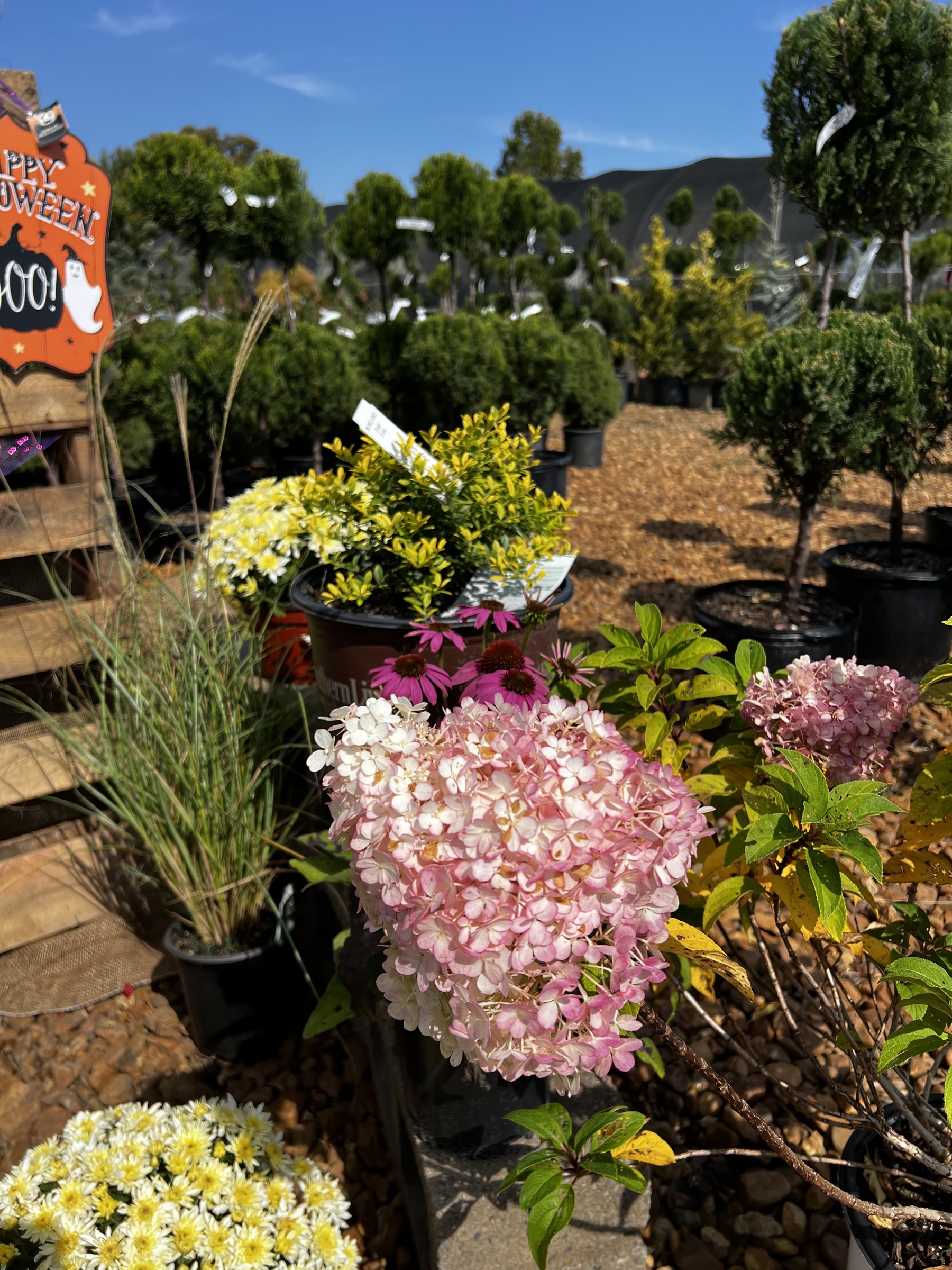
Described by Proven Winners as the only dwarf Annabelle type hydrangea in the world, this compact smooth hydrangea reaches only 1 to 2.5 feet tall and wide. Flowers emerge nearly white with a blush pink cast and turn creamy white, blooming continuously from early summer through frost on supportive stems that stay upright even after storms. It takes part sun to sun with six or more hours for the best flowering, wants consistent moisture under a 2 to 3 inch mulch layer, and is cut back by one third each spring. It suits edging, borders, containers, foundation plantings and mass plantings.
- Full Sun
- Grows to 2.5 ft tall and 2.5 ft wide
- Blooms in summer, fall
- Hardy in USDA zones 3-8
- Deciduous foliage
Plant description
Described by Proven Winners as the only dwarf Annabelle type hydrangea in the world, this compact smooth hydrangea reaches only 1 to 2.5 feet tall and wide. Flowers emerge nearly white with a blush pink cast and turn creamy white, blooming continuously from early summer through frost on supportive stems that stay upright even after storms. It takes part sun to sun with six or more hours for the best flowering, wants consistent moisture under a 2 to 3 inch mulch layer, and is cut back by one third each spring. It suits edging, borders, containers, foundation plantings and mass plantings.
- Flowers
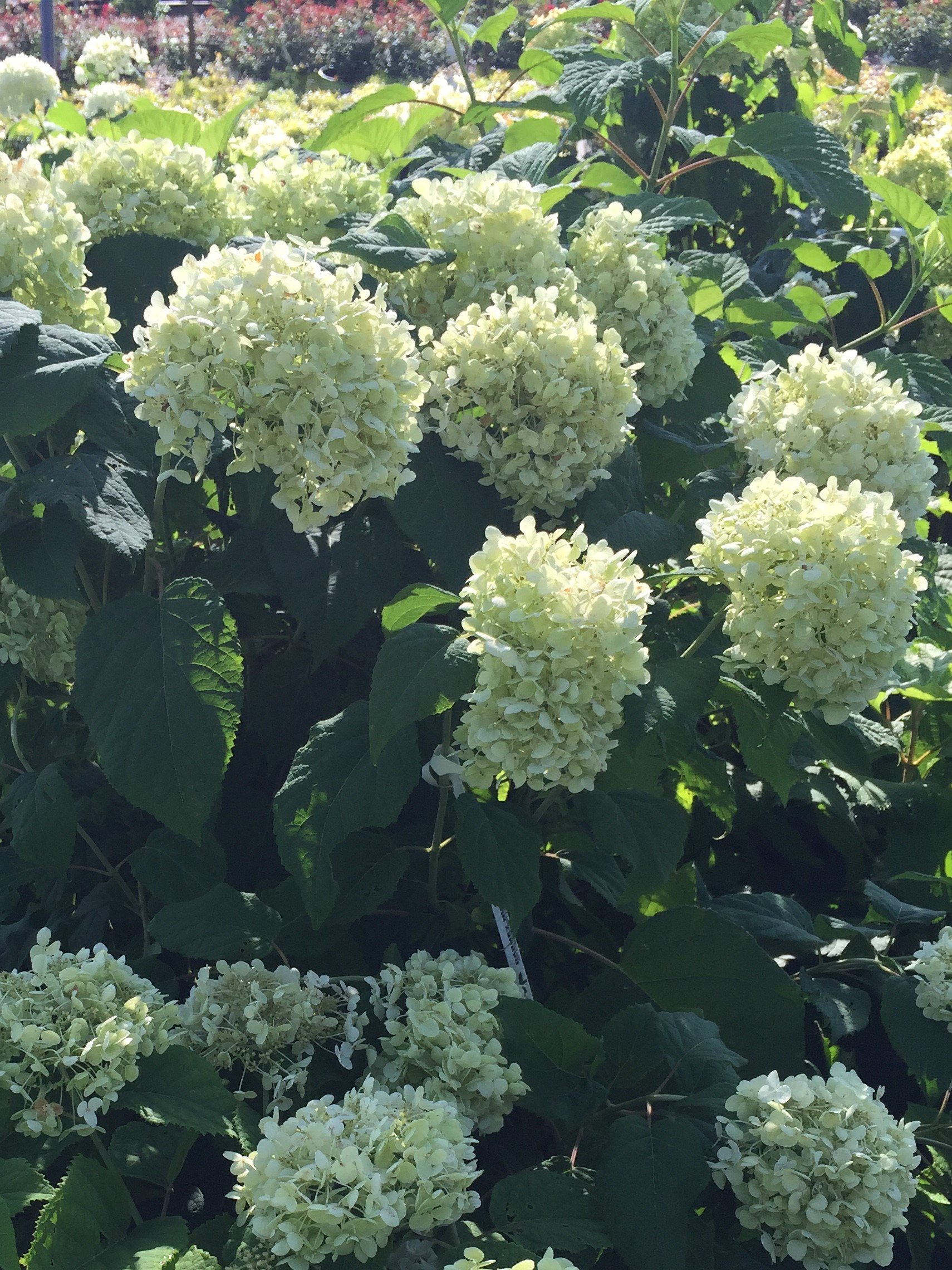
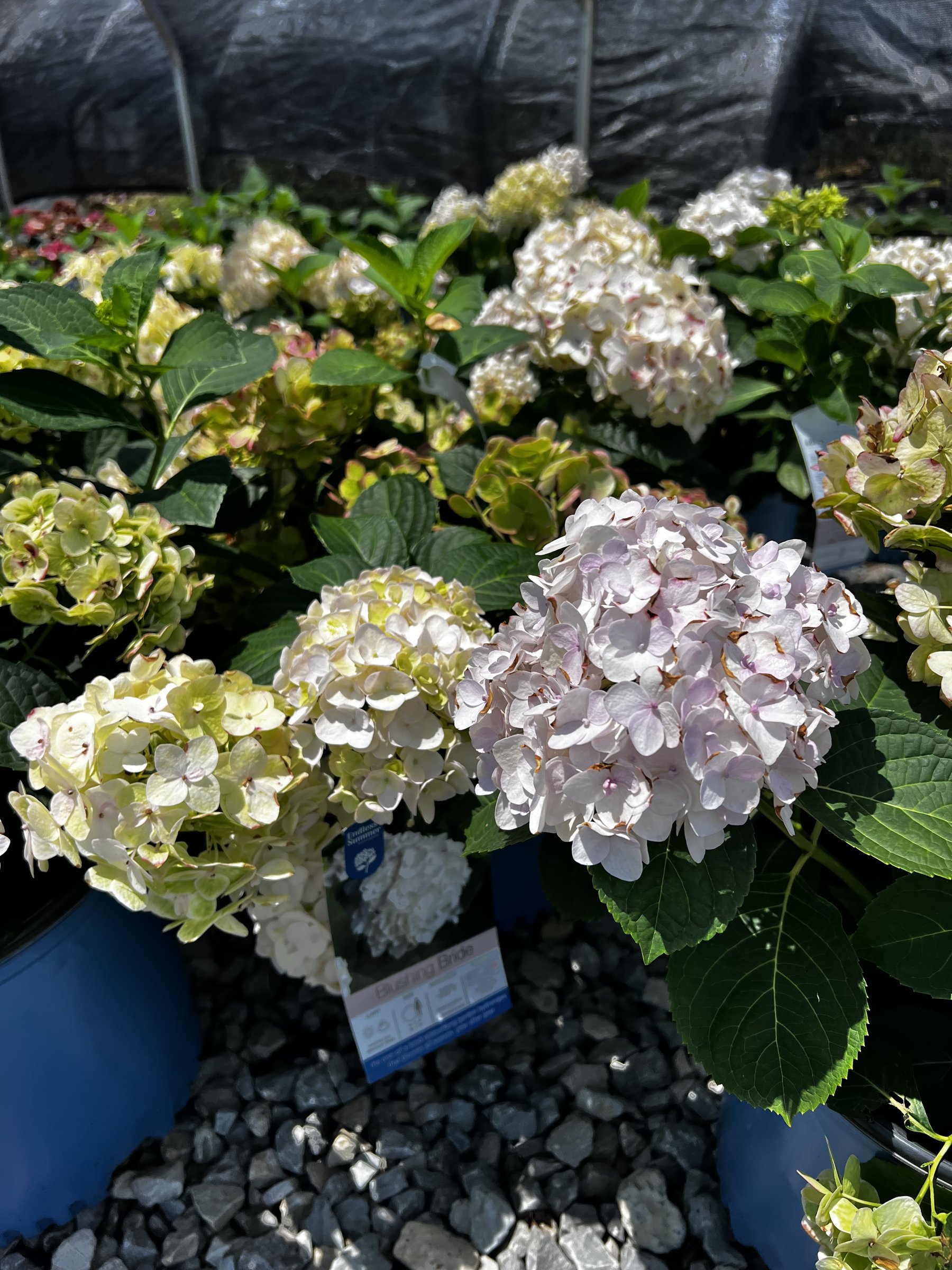
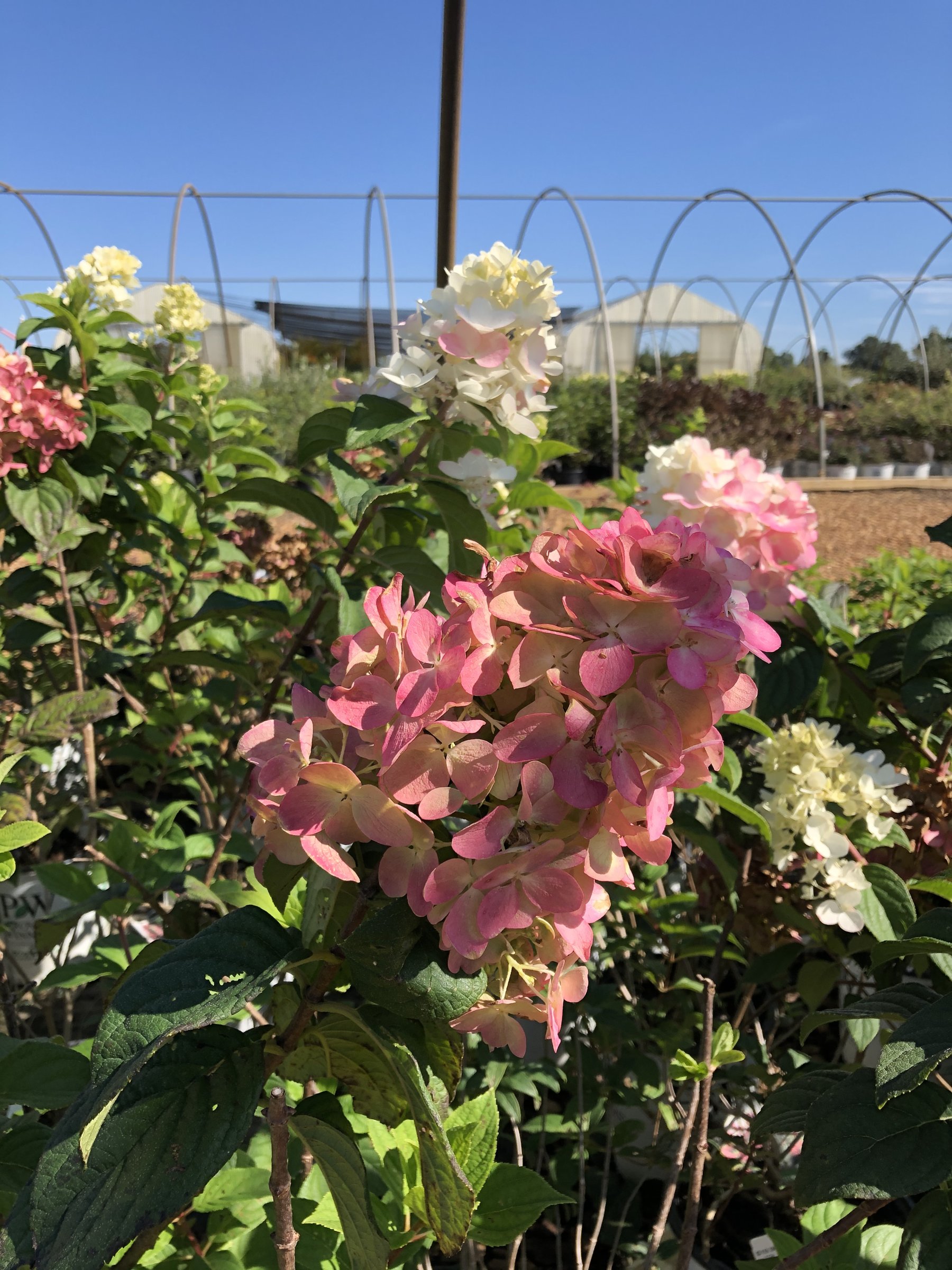
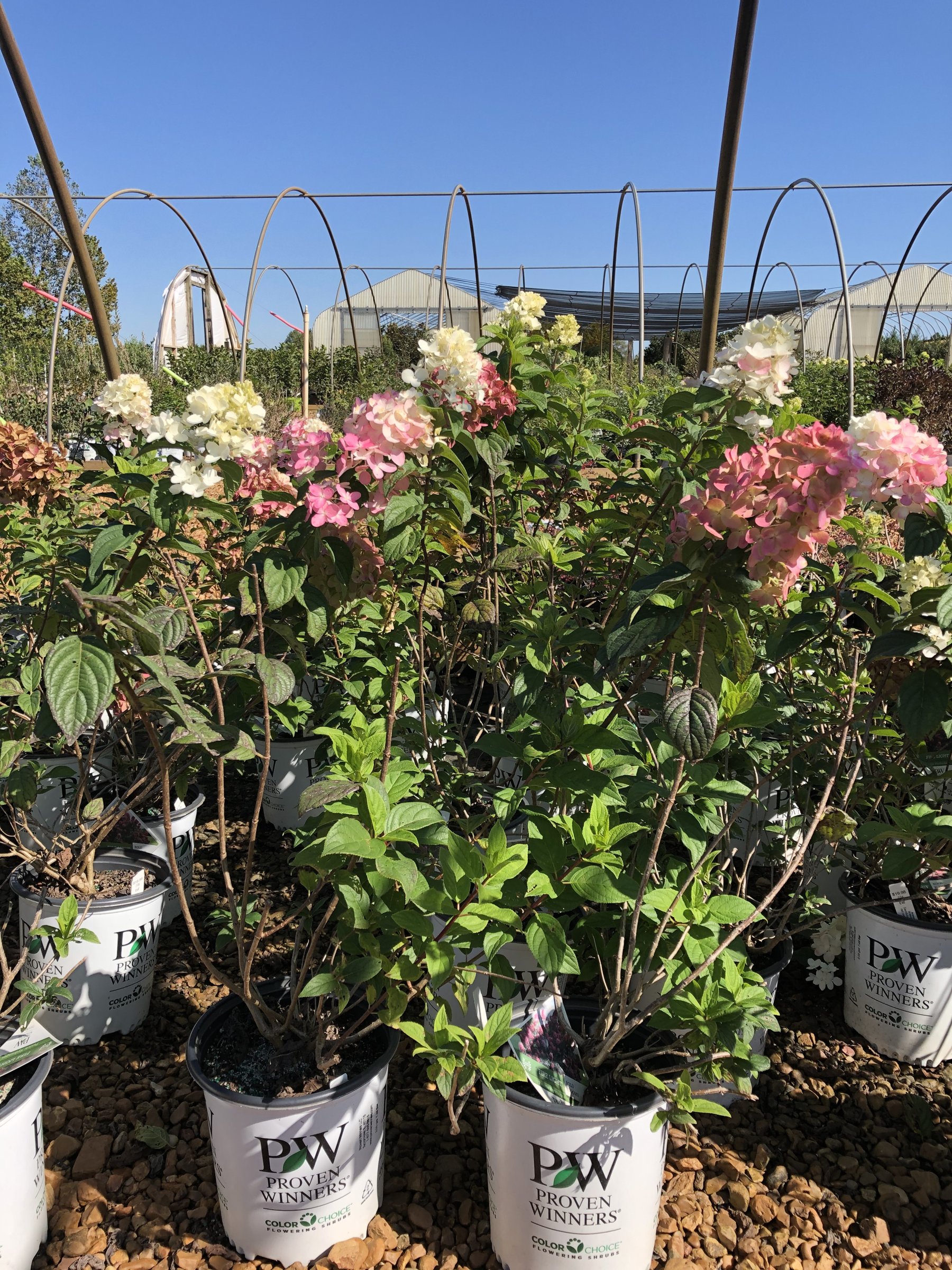
- Flowers emerge nearly white with a blush pink cast and transition to creamy white, borne continuously from early summer through frost on stems that stay upright even after storms.
- Foliage
- Opposite, simple, broad egg shaped to rounded, sharply toothed dark green leaves 2 to 6 inches long.
- Fruit
- Dehiscent ribbed brown capsules which ripen in July to September.
- Bark & stems
- Brown and finely shredded, peeling off in thin layers of differing colors.
- Pruning
- Blooms on new wood. Prune back one third of its height each spring as new growth appears; deadheading is unnecessary.
- Native range
- Eastern U.S.