Plant: Ginger Wine® Ninebark
Ninebark · Physocarpus opulifolius 'SMNPOBLR'
Size: 2 gal
Light
Bloom
Mature size
More about this plant
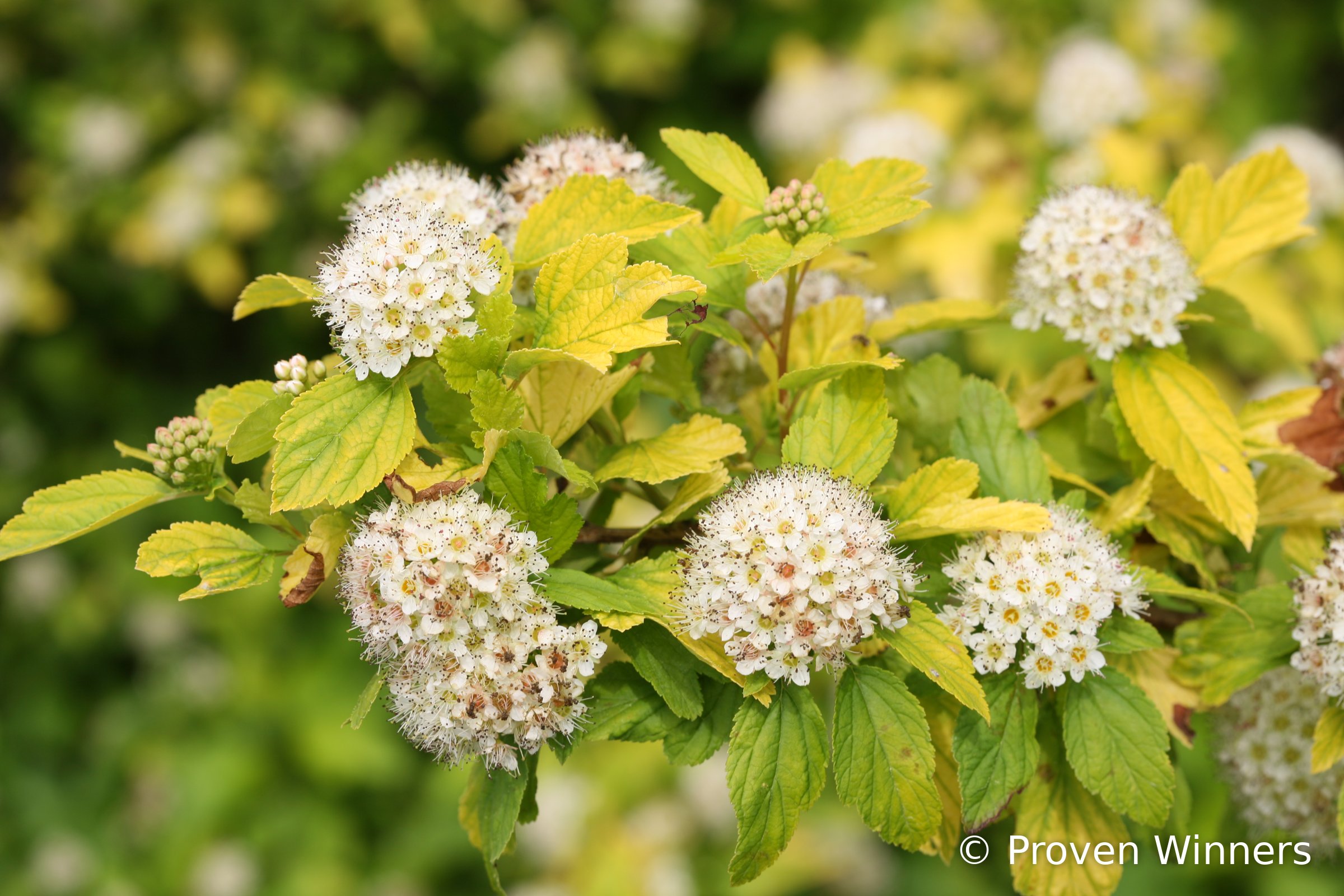
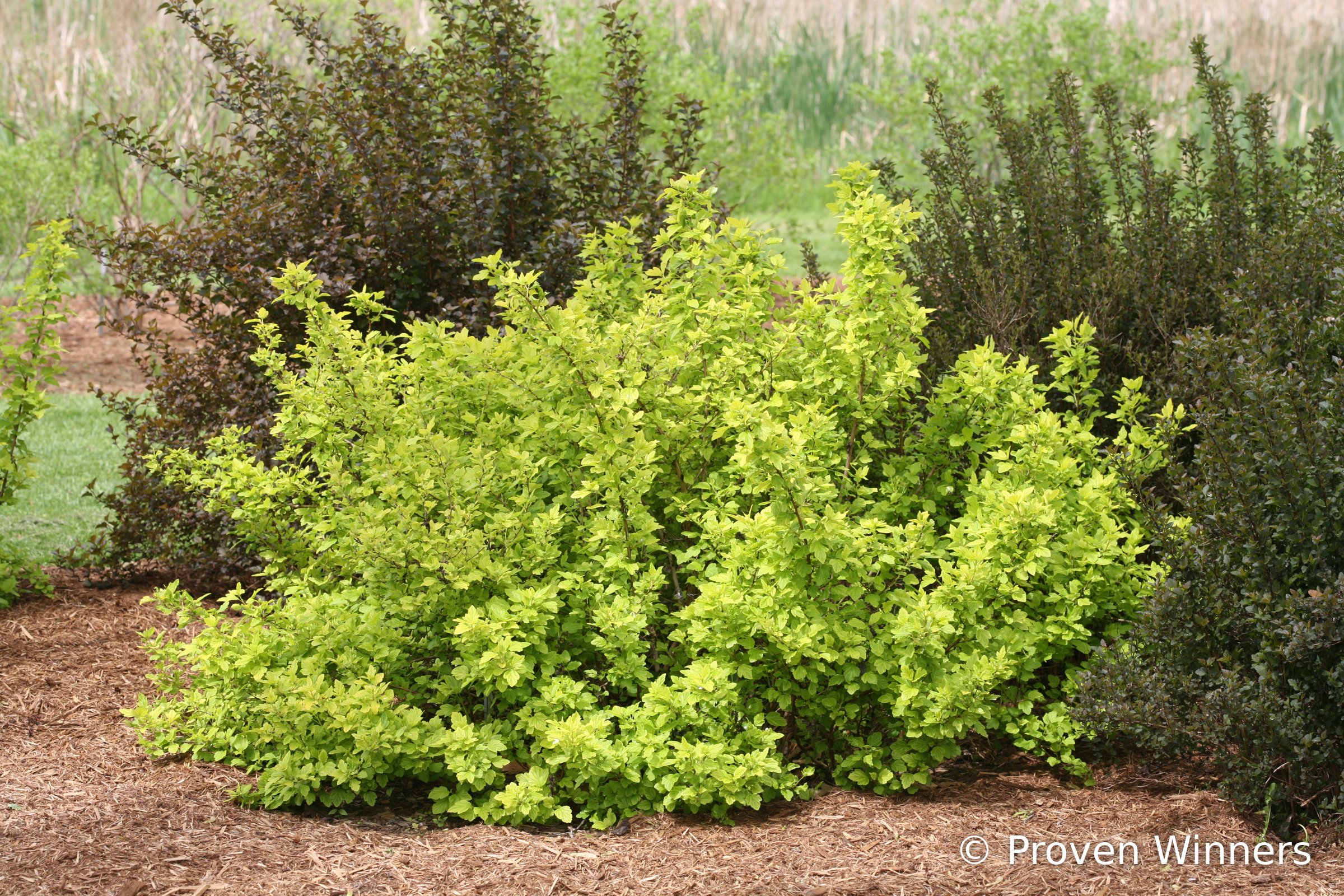
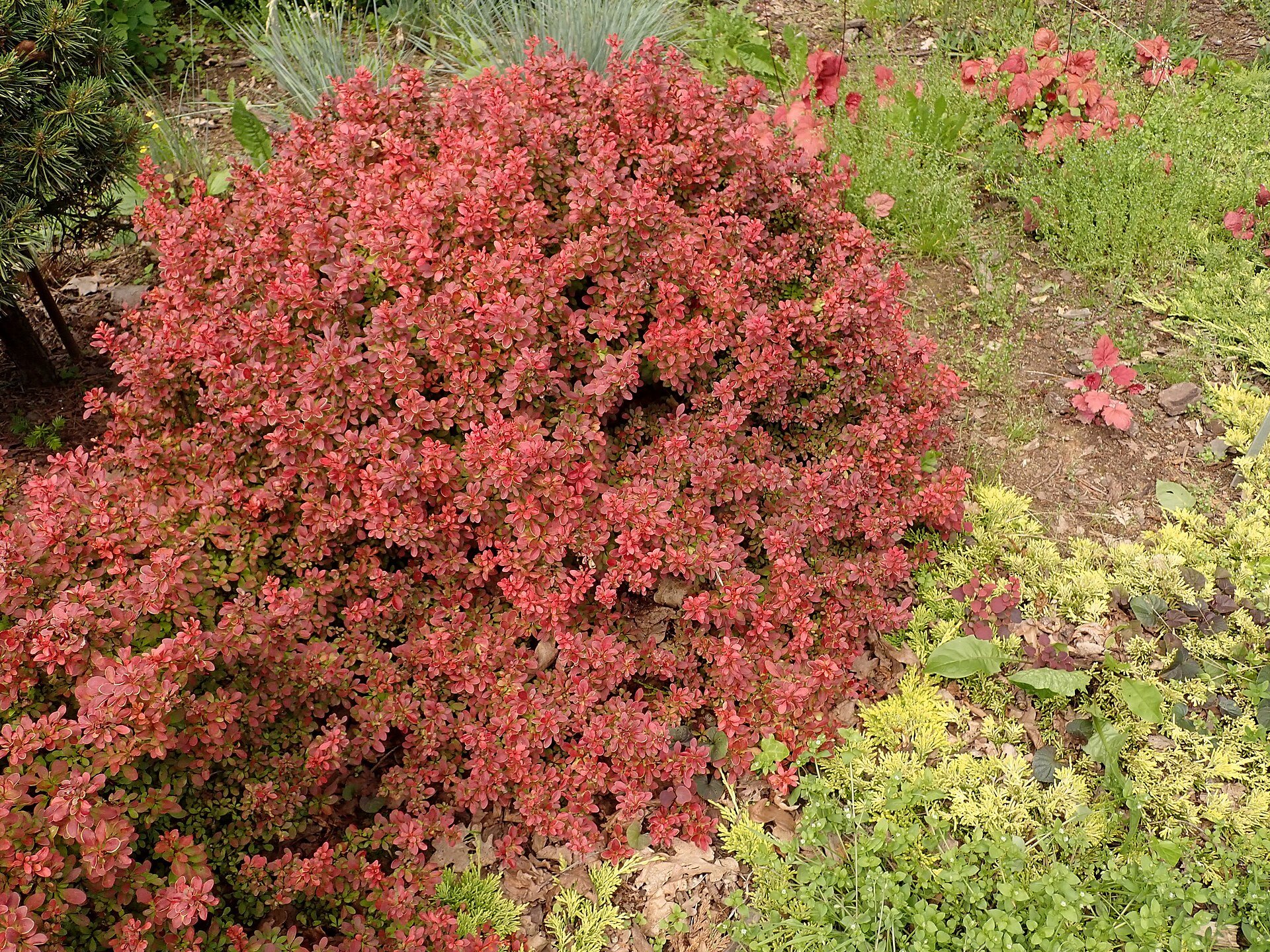
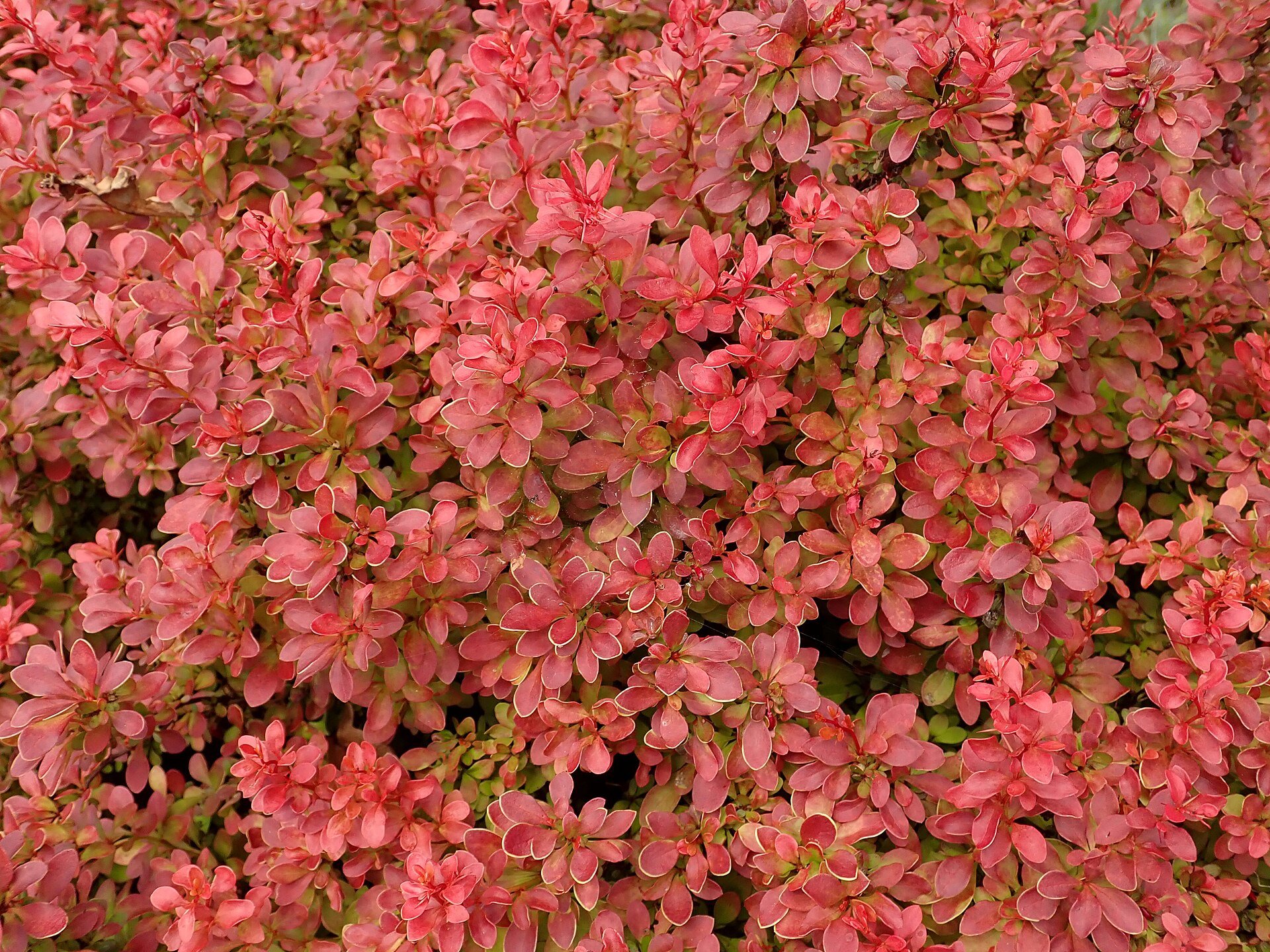
Ginger Wine ninebark is a deciduous shrub 5 to 6 feet tall and wide with a naturally graceful arching habit. Foliage emerges bright orange in spring and matures to a rich burgundy purple red, and clusters of white and pink flowers open in late spring to early summer, ageing into red seed heads. The dark brown bark peels in strips to show reddish inner layers for winter interest. It wants full sun and is drought tolerant and disease resistant, growing in clay, loam or sand across acid to alkaline pH. Best left unpruned, it works as a border shrub, an informal screen, a mass planting, a container thriller or a specimen, and it draws bees, butterflies and songbirds.
- Full Sun
- Grows to 6 ft tall and 6 ft wide
- Blooms in spring, summer
- Hardy in USDA zones 3-7
- Deciduous foliage
- Native plant
Plant description
Ginger Wine ninebark is a deciduous shrub 5 to 6 feet tall and wide with a naturally graceful arching habit. Foliage emerges bright orange in spring and matures to a rich burgundy purple red, and clusters of white and pink flowers open in late spring to early summer, ageing into red seed heads. The dark brown bark peels in strips to show reddish inner layers for winter interest. It wants full sun and is drought tolerant and disease resistant, growing in clay, loam or sand across acid to alkaline pH. Best left unpruned, it works as a border shrub, an informal screen, a mass planting, a container thriller or a specimen, and it draws bees, butterflies and songbirds.
- Flowers
- Small white and pink five petaled flowers appear in dense, one to two inch spirea like clusters in late spring to early summer, ageing into red seed heads.
- Bark & stems
- Dark brown bark peels in strips to reveal several layers of reddish to light brown inner bark, giving winter interest.
- Pruning
- With its naturally graceful arching habit, ninebarks are best left unpruned, and no deadheading is required.
- Native range
- Central and eastern North America