Plant: Overcup Oak Tree
Overcup Oak Tree · Quercus lyrata
Was $150.00
Size: 15 gal
Light
Bloom
Mature size
More about this plant
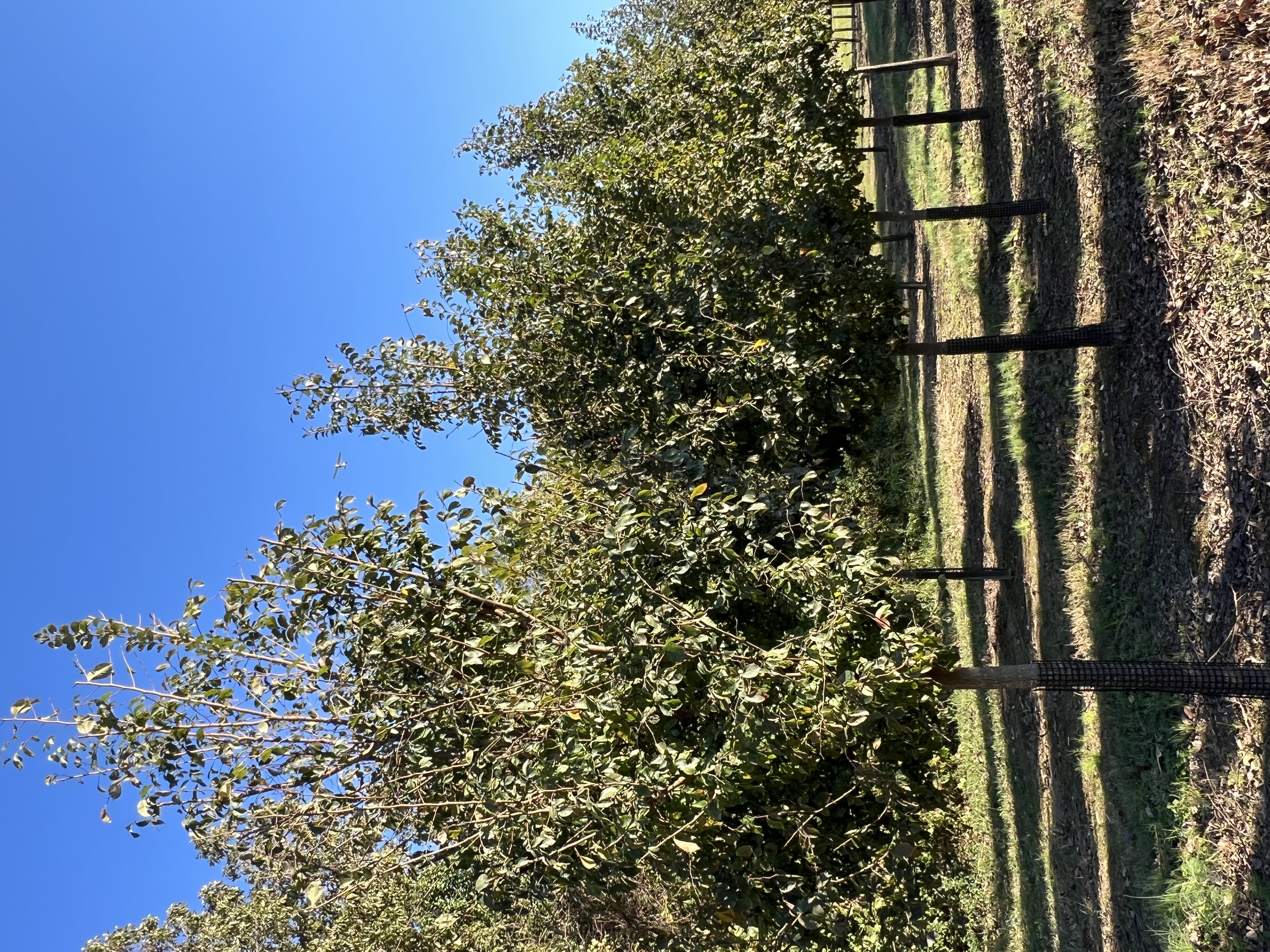
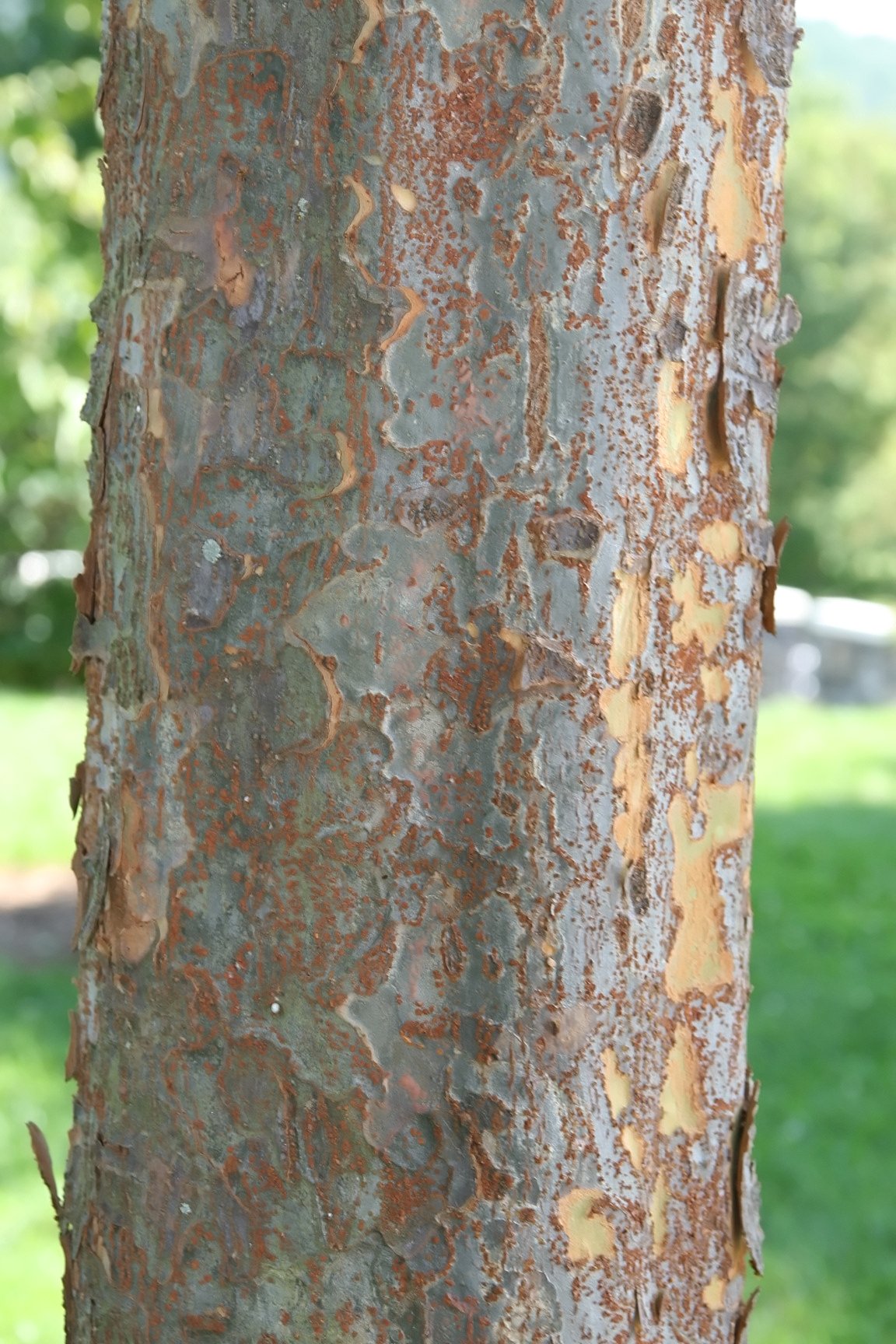
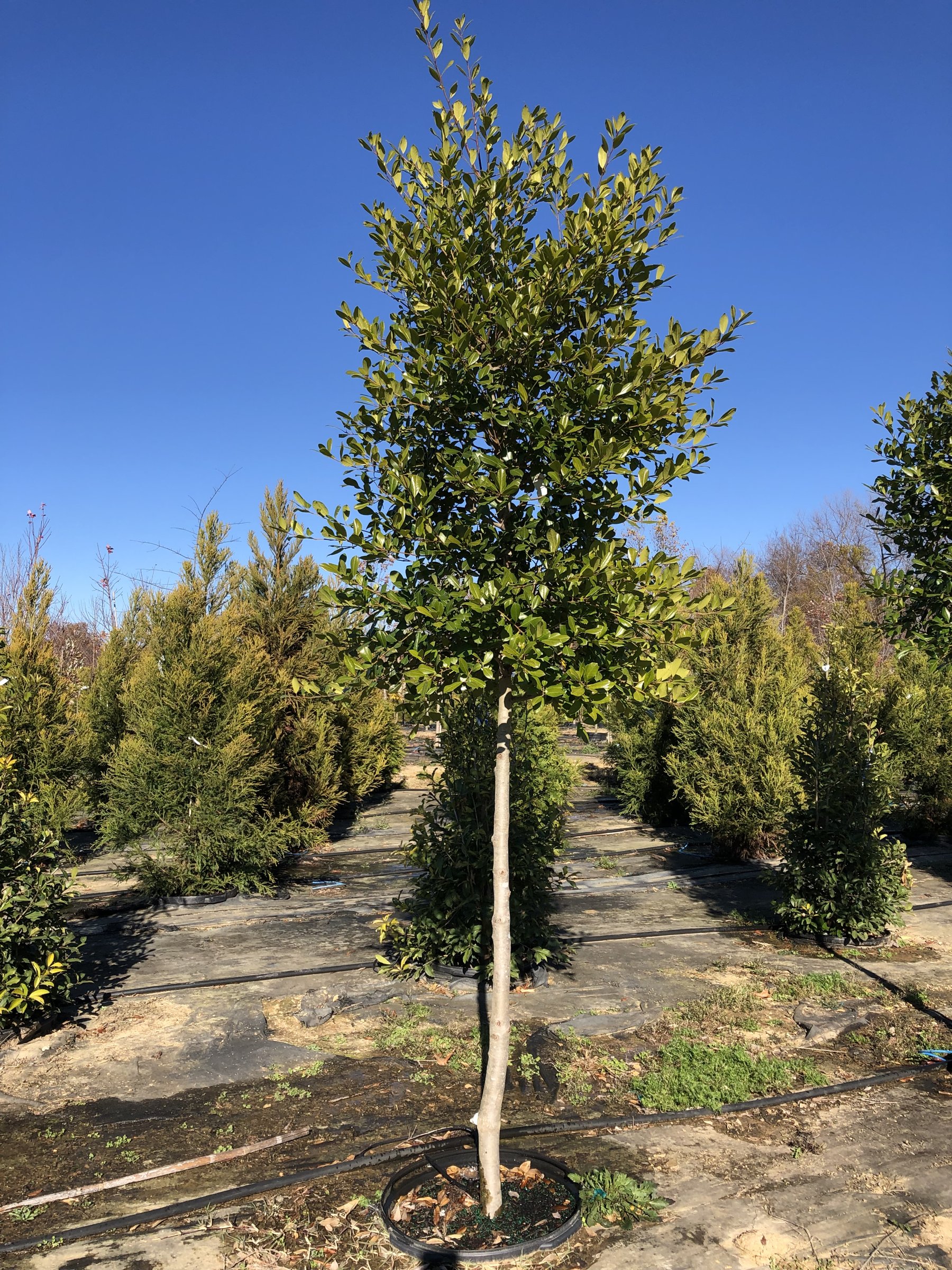
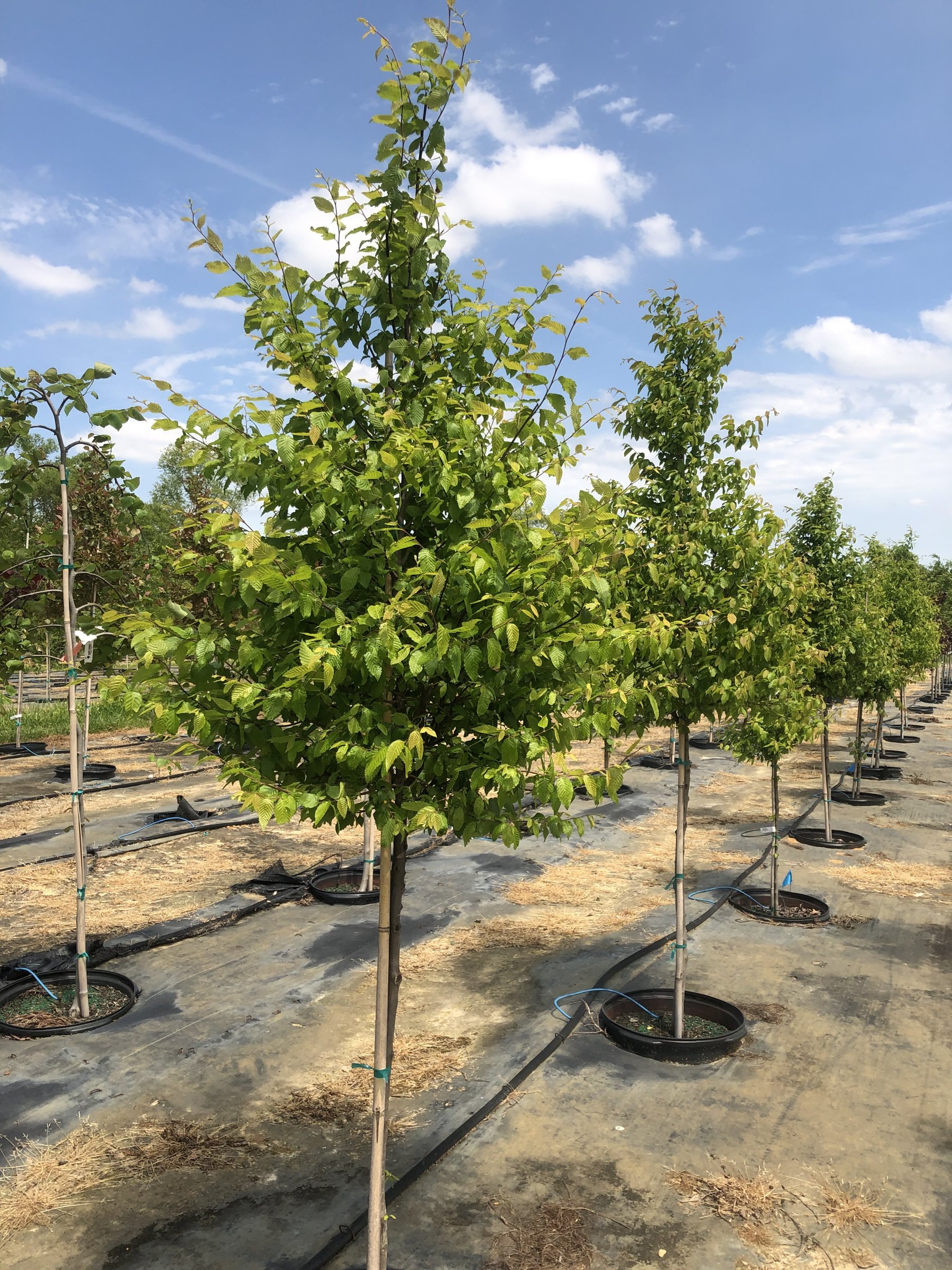
Overcup oak is a slow growing deciduous oak native to central and southeastern North America, reaching 35 to 60 feet tall and wide with a broad rounded crown. Glossy dark green leaves 6 to 8 inches long with deeply rounded lobes turn brown, copper or red in fall, and grey bark with deep furrows and scaly ridges gives winter structure. Its distinctive acorn cup encloses nearly the whole nut, letting it float during flooding. The tree thrives in low lying ground and near waterways yet tolerates improved drainage, resists deer and erosion, and carries high wildlife value as a larval host for several butterflies and moths. Acorns and leaves cause stomach upset if eaten.
- Full Sun
- Grows to 60 ft tall and 60 ft wide
- Blooms in spring
- Hardy in USDA zones 5-9
- Deciduous foliage
- Native plant
Plant description
Overcup oak is a slow growing deciduous oak native to central and southeastern North America, reaching 35 to 60 feet tall and wide with a broad rounded crown. Glossy dark green leaves 6 to 8 inches long with deeply rounded lobes turn brown, copper or red in fall, and grey bark with deep furrows and scaly ridges gives winter structure. Its distinctive acorn cup encloses nearly the whole nut, letting it float during flooding. The tree thrives in low lying ground and near waterways yet tolerates improved drainage, resists deer and erosion, and carries high wildlife value as a larval host for several butterflies and moths. Acorns and leaves cause stomach upset if eaten.
- Foliage
- Simple alternate leaves 6 to 8 inches long with 5 to 9 deeply rounded lobes, dark green, glossy and leathery, turning brown, copper or red in fall.
- Fruit
- Oval to oblong acorns half an inch to an inch long whose cup, covered in grey pubescent scales, encloses two thirds to almost all of the nut and lets it float during floods.
- Native range
- Eastern North America, southeastern states west to Texas and Oklahoma and north to Illinois