

Plant: Chinese Sweetbox
Sweetbox · Sarcococca confusa
Size: 3 gal
Light
Bloom
Mature size
More about this plant
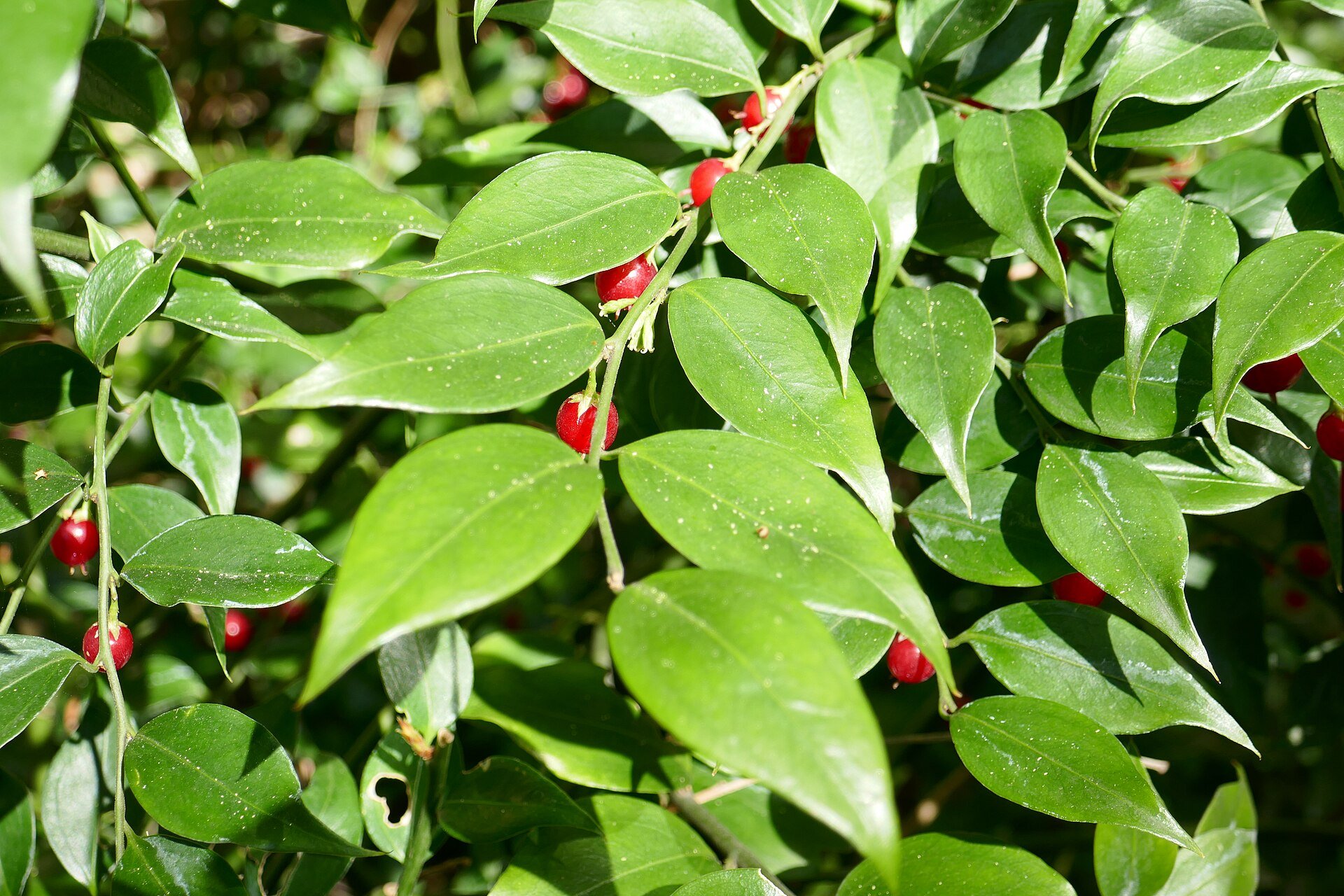
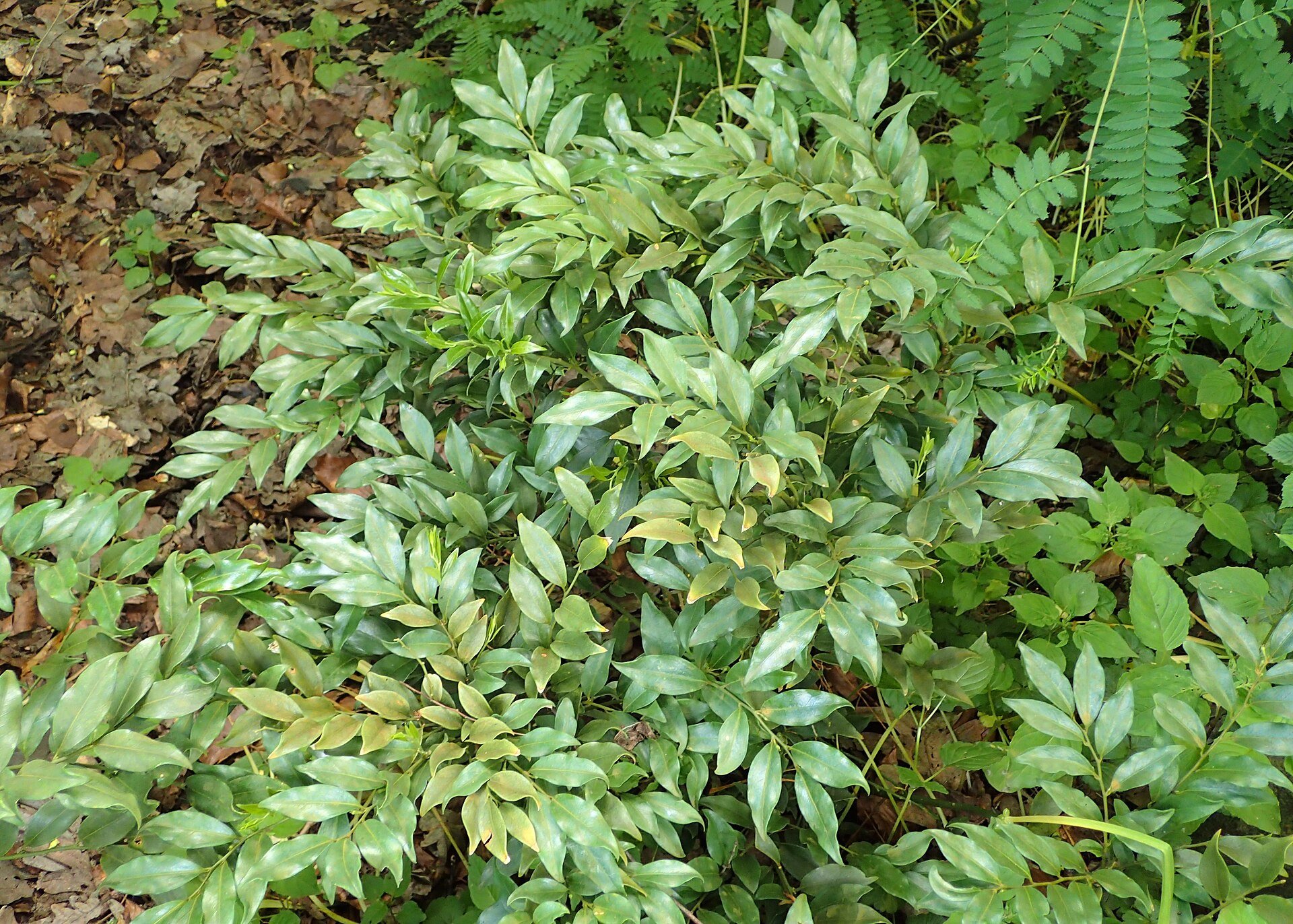
Sweet box is a densely branched broadleaf evergreen shrub 3 to 5 feet tall and wide, loose when young and rounded with age, carrying glossy leathery dark green leaves with wavy margins. In late January and February tiny creamy white petalless flowers open in inconspicuous clusters and scent the whole area with vanilla. Shiny red berries follow and turn black, often persisting through winter. It is a shade plant, taking deep to partial shade in clay, loam or sandy soil of any pH with good drainage, and it is deer and rabbit resistant, pollution tolerant and drought tolerant once established in shade. NCSU reports no serious insect or disease problems.
- Full Shade
- Grows to 5 ft tall and 5 ft wide
- Blooms in winter
- Hardy in USDA zones 6-9
- Evergreen foliage
Plant description
Sweet box is a densely branched broadleaf evergreen shrub 3 to 5 feet tall and wide, loose when young and rounded with age, carrying glossy leathery dark green leaves with wavy margins. In late January and February tiny creamy white petalless flowers open in inconspicuous clusters and scent the whole area with vanilla. Shiny red berries follow and turn black, often persisting through winter. It is a shade plant, taking deep to partial shade in clay, loam or sandy soil of any pH with good drainage, and it is deer and rabbit resistant, pollution tolerant and drought tolerant once established in shade. NCSU reports no serious insect or disease problems.
- Flowers
- Tiny creamy white petalless flowers open in inconspicuous clusters in late January and February and carry a strong vanilla scent; male blooms have four sepals with creamy anthers and female blooms four to six sepals.
- Fruit
- Shiny red oval berries about a quarter inch long transition to black and may persist through winter; they ripen a year after flowering.
- Light
- Deep Shade, Dappled/Filtered Light
- Native range
- China; never observed in the wild and possibly a hybrid of two Chinese species