

Plant: Chinese Pistache Tree
Chinese Pistache Tree · Pistacia chinensis
Was $150.00
Size: 15 gal
Light
Bloom
Mature size
More about this plant
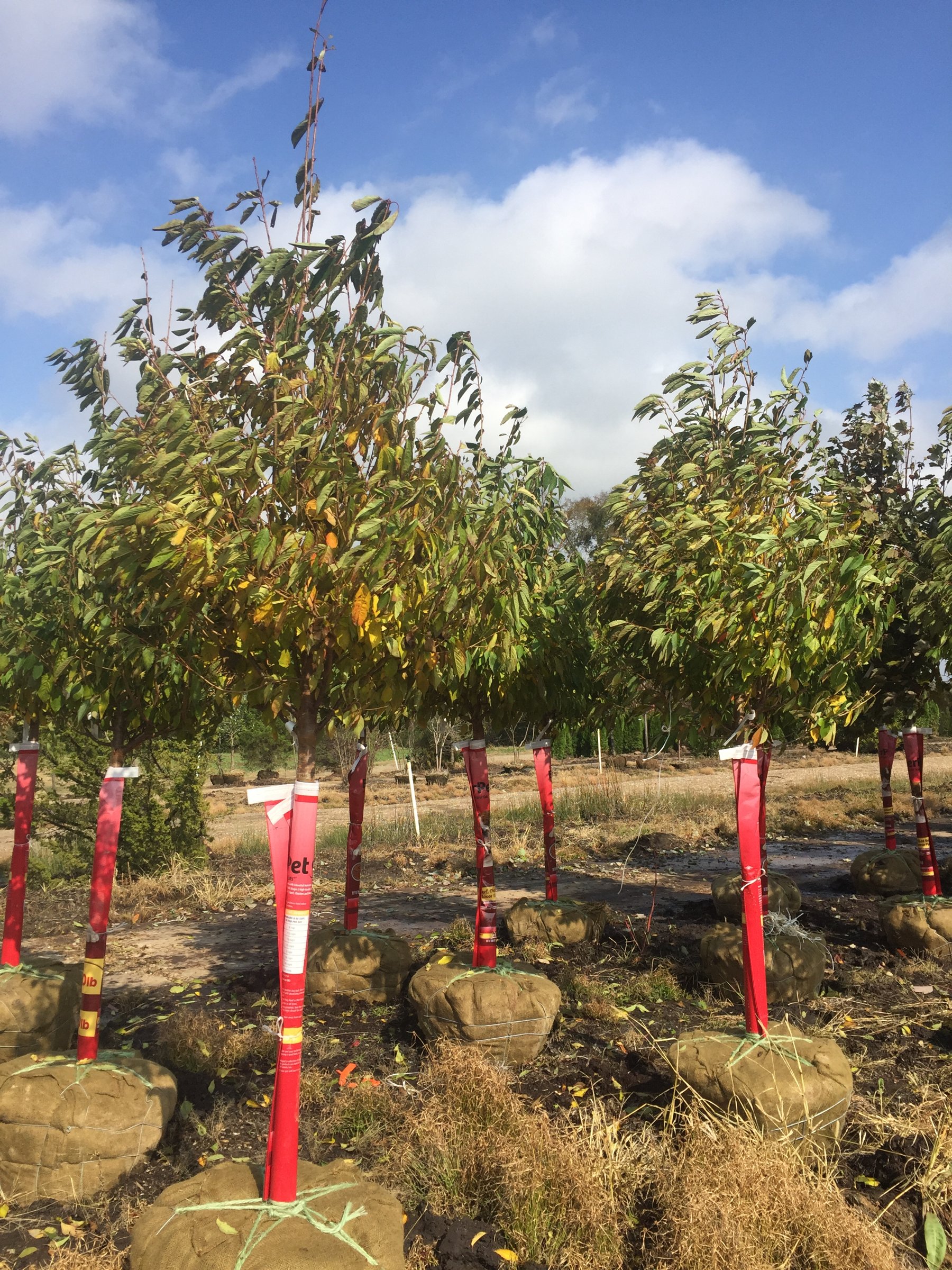
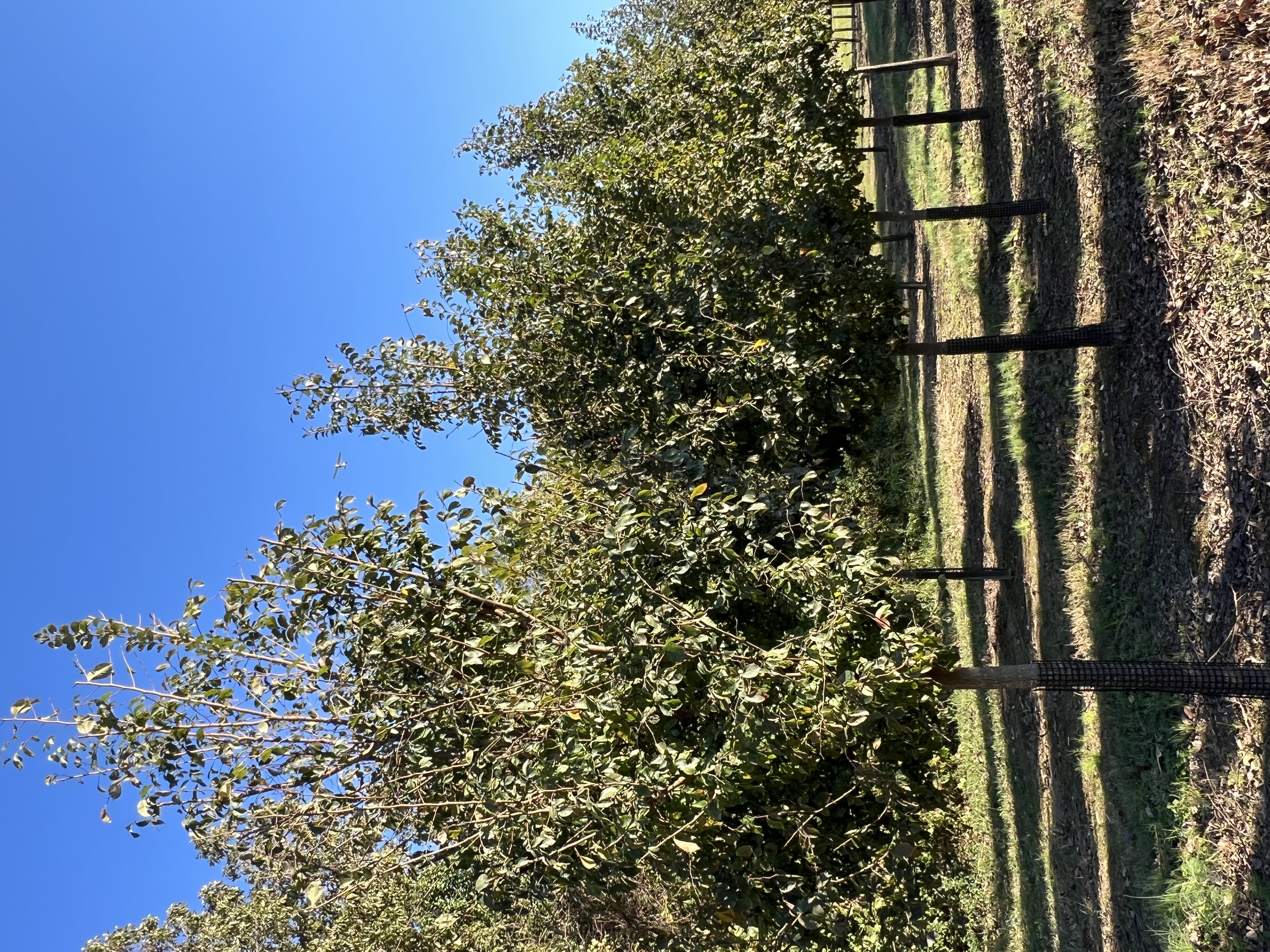
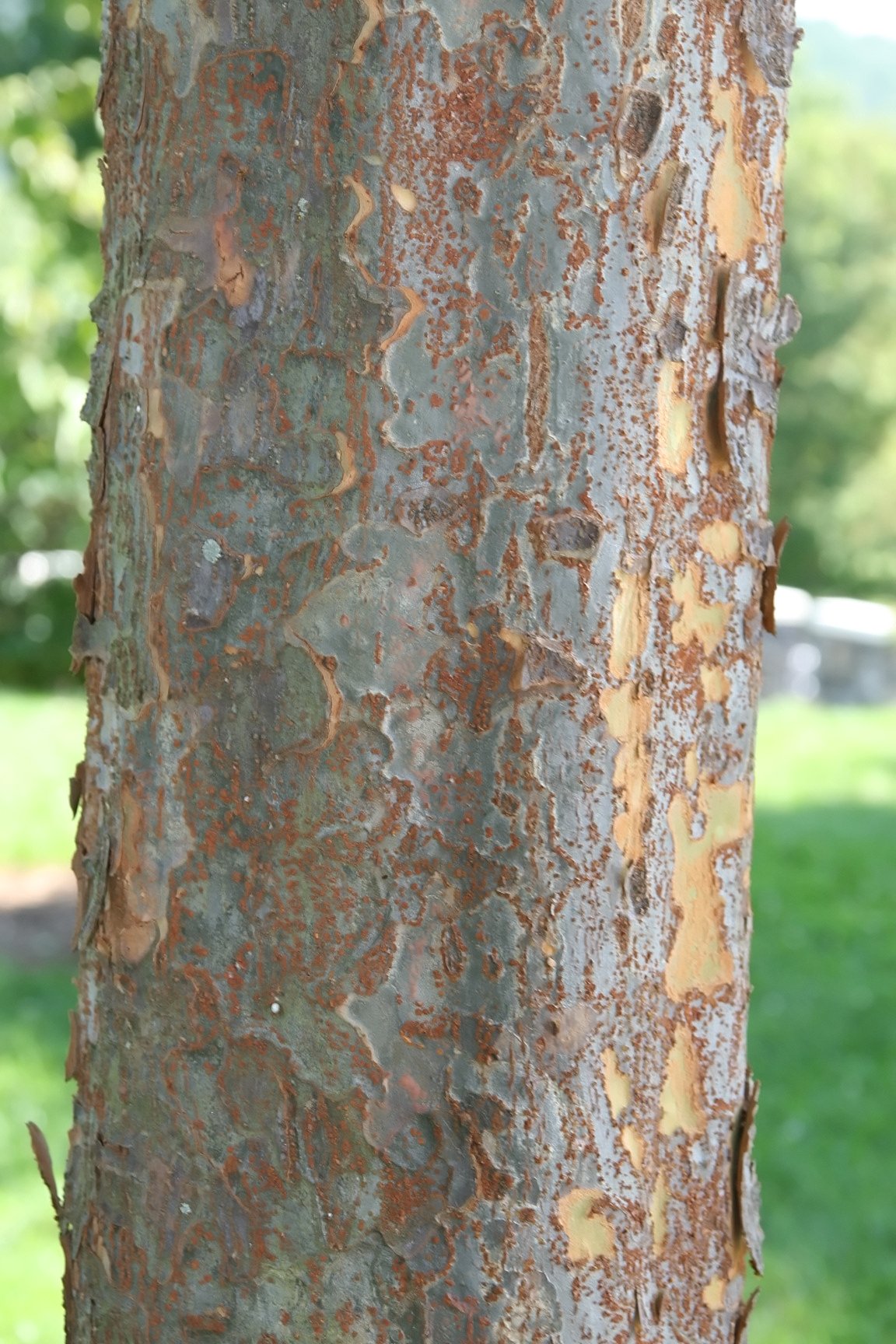
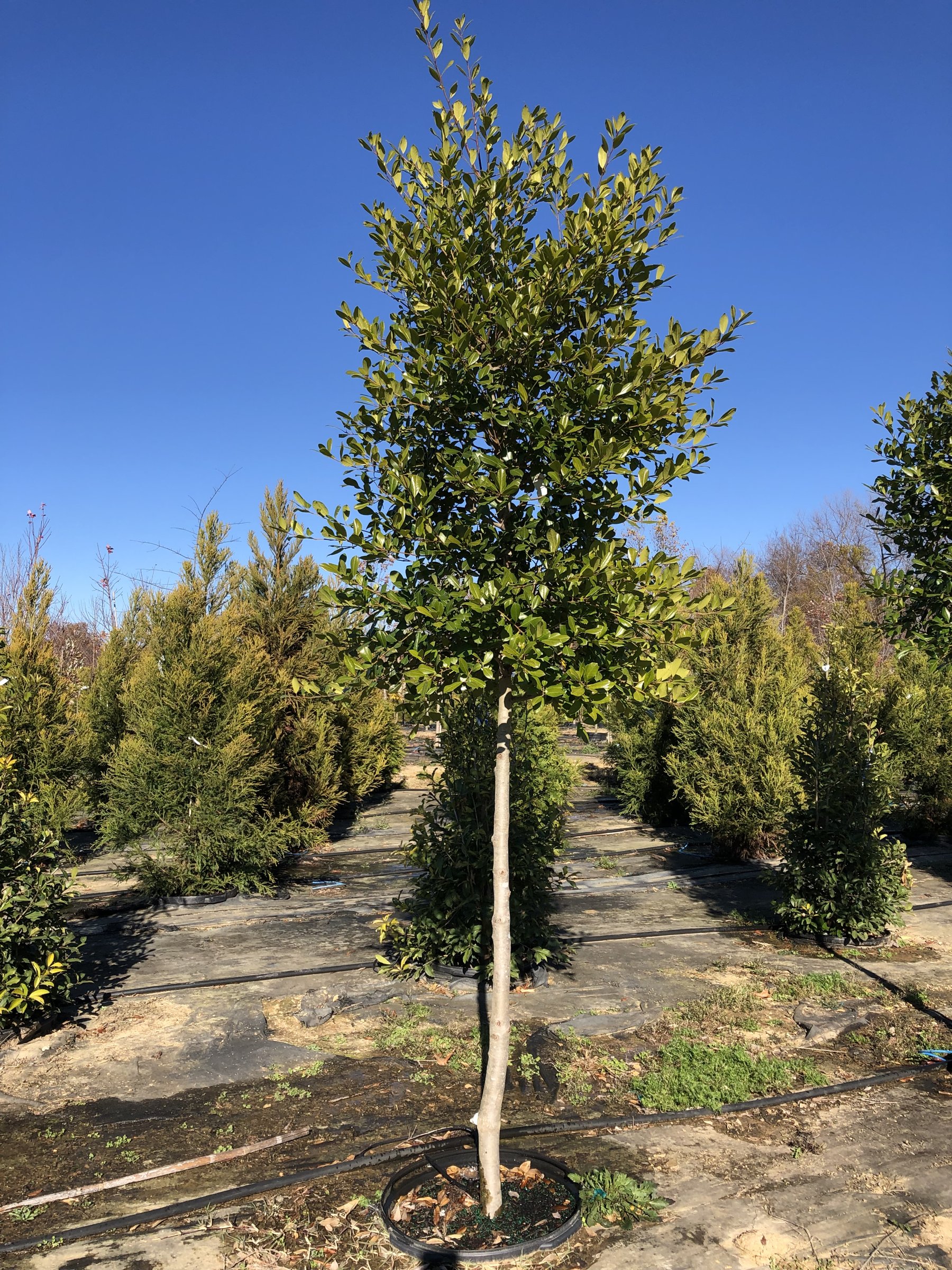
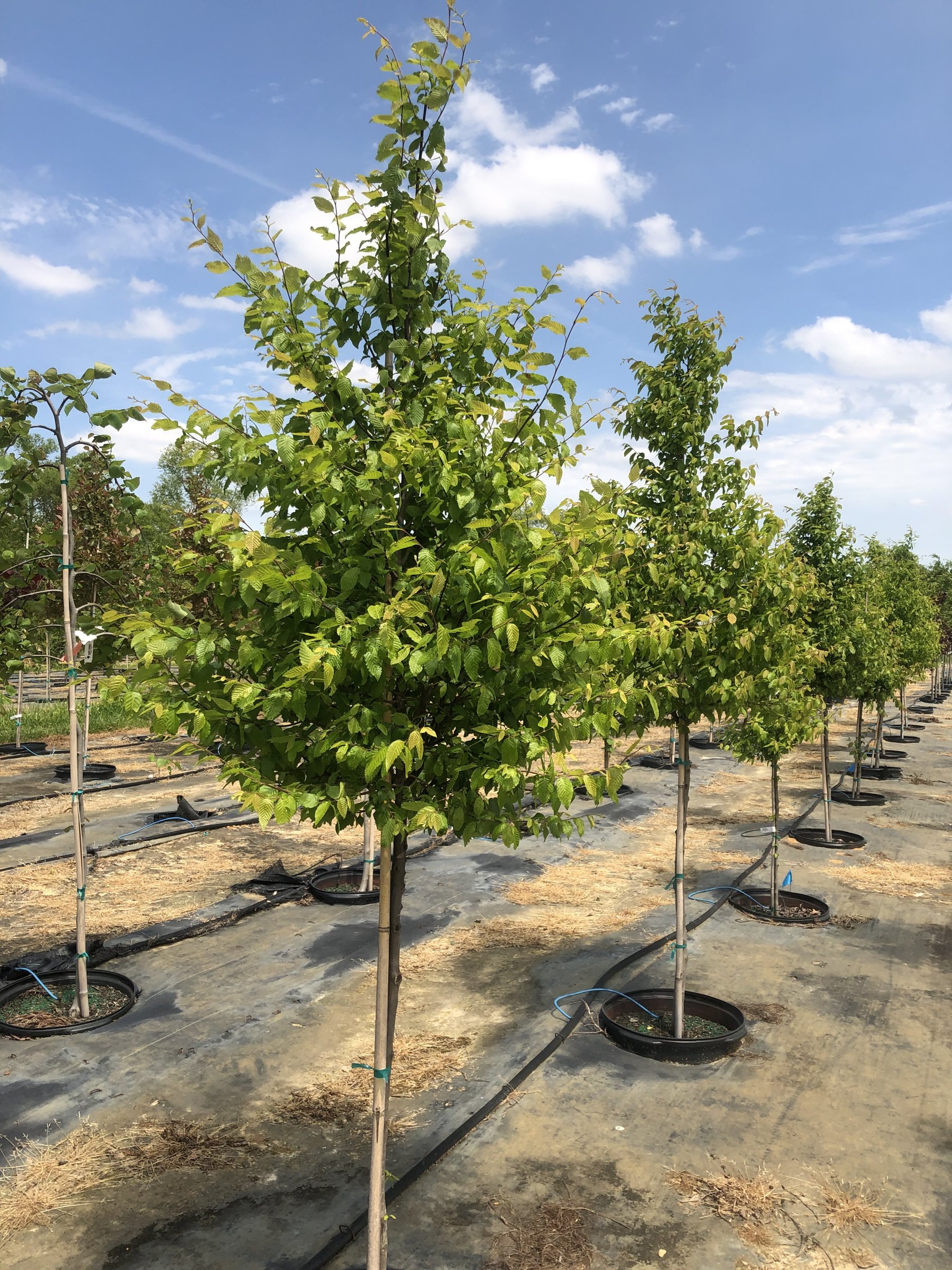
A tough, drought tolerant and largely pest free deciduous shade tree from Asia, 30 to 35 feet tall and 20 to 30 feet wide with a rounded to vase shaped crown. Compound pinnate leaves about 10 inches long are glossy dark green, fragrant when bruised, and turn fiery red, orange and gold in fall, while peeling outer bark reveals salmon colored inner bark for winter interest. Male and female trees are separate; female trees carry quarter inch drupes that are red ripening to blue black in October and are eaten by birds. It wants full sun and takes clay, loam or sand at any pH, resisting drought, heat and pollution.
- Full Sun
- Grows to 35 ft tall and 30 ft wide
- Blooms in spring
- Hardy in USDA zones 6a-9b
- Deciduous foliage
Plant description
A tough, drought tolerant and largely pest free deciduous shade tree from Asia, 30 to 35 feet tall and 20 to 30 feet wide with a rounded to vase shaped crown. Compound pinnate leaves about 10 inches long are glossy dark green, fragrant when bruised, and turn fiery red, orange and gold in fall, while peeling outer bark reveals salmon colored inner bark for winter interest. Male and female trees are separate; female trees carry quarter inch drupes that are red ripening to blue black in October and are eaten by birds. It wants full sun and takes clay, loam or sand at any pH, resisting drought, heat and pollution.
- Flowers
- Male and female flowers are borne on separate trees as inconspicuous greenish panicles before the leaves, dense clusters 2 to 3 inches long on males and loose clusters 7 to 9 inches long on females.
- Foliage
- Compound pinnate leaves about 10 inches long carry 10 to 12 glossy lanceolate leaflets around 4 inches long that are fragrant when bruised.
- Fruit
- Rounded drupes about a quarter inch across are red and ripen to blue black in October; they are inedible to humans but eaten by birds.
- Bark & stems
- Peeling of the outer bark reveals salmon colored inner bark; stems are stout and grayish brown with conspicuous light lenticels.
- Native range
- Afghanistan to China, Taiwan and the Philippines