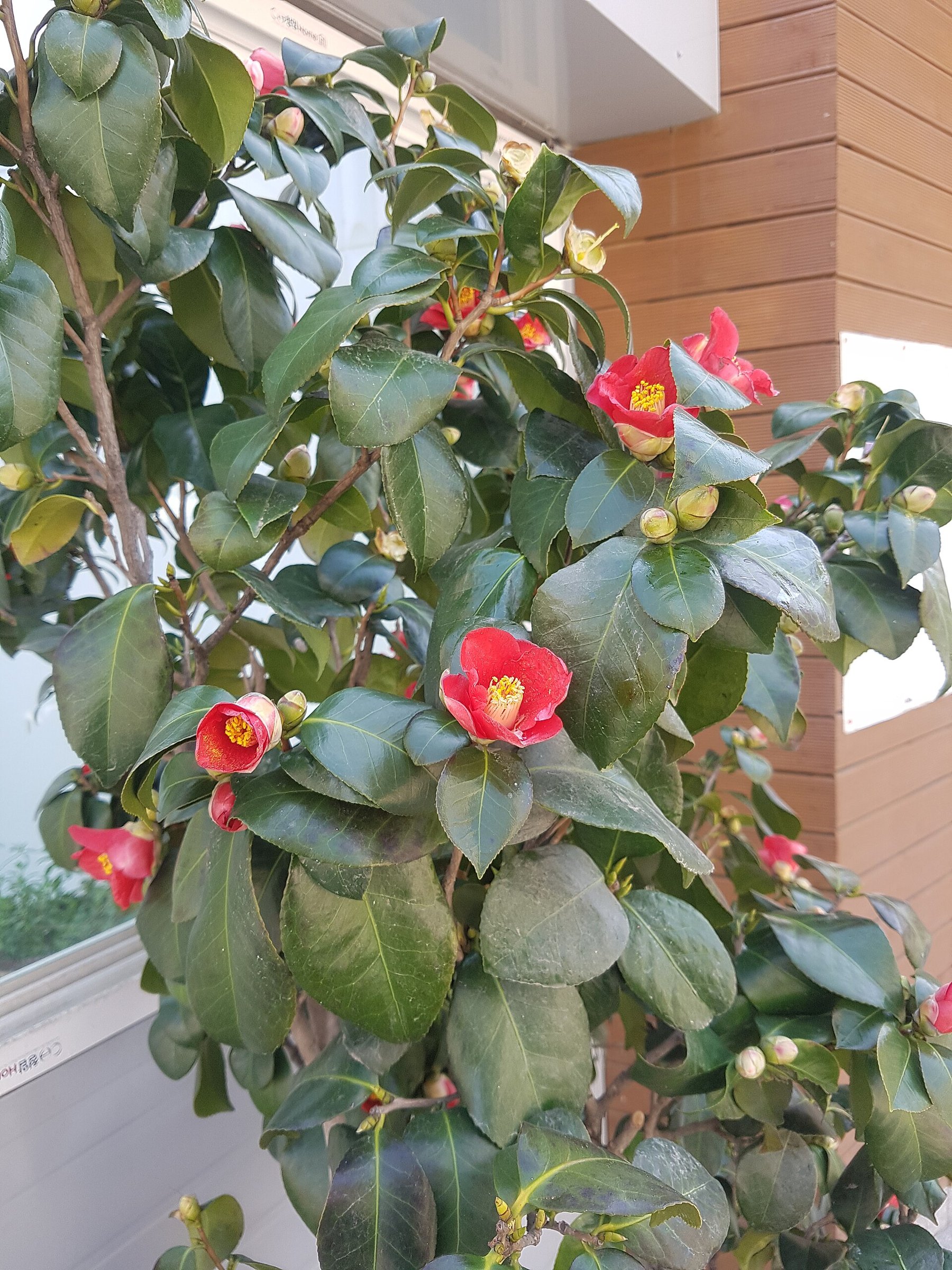
Plant: Kramer's Supreme - Camellia jap.
Camellia jap. · Camellia japonica 'Kramer's Supreme'
Size: 3 gal
Light
Bloom
Mature size
More about this plant
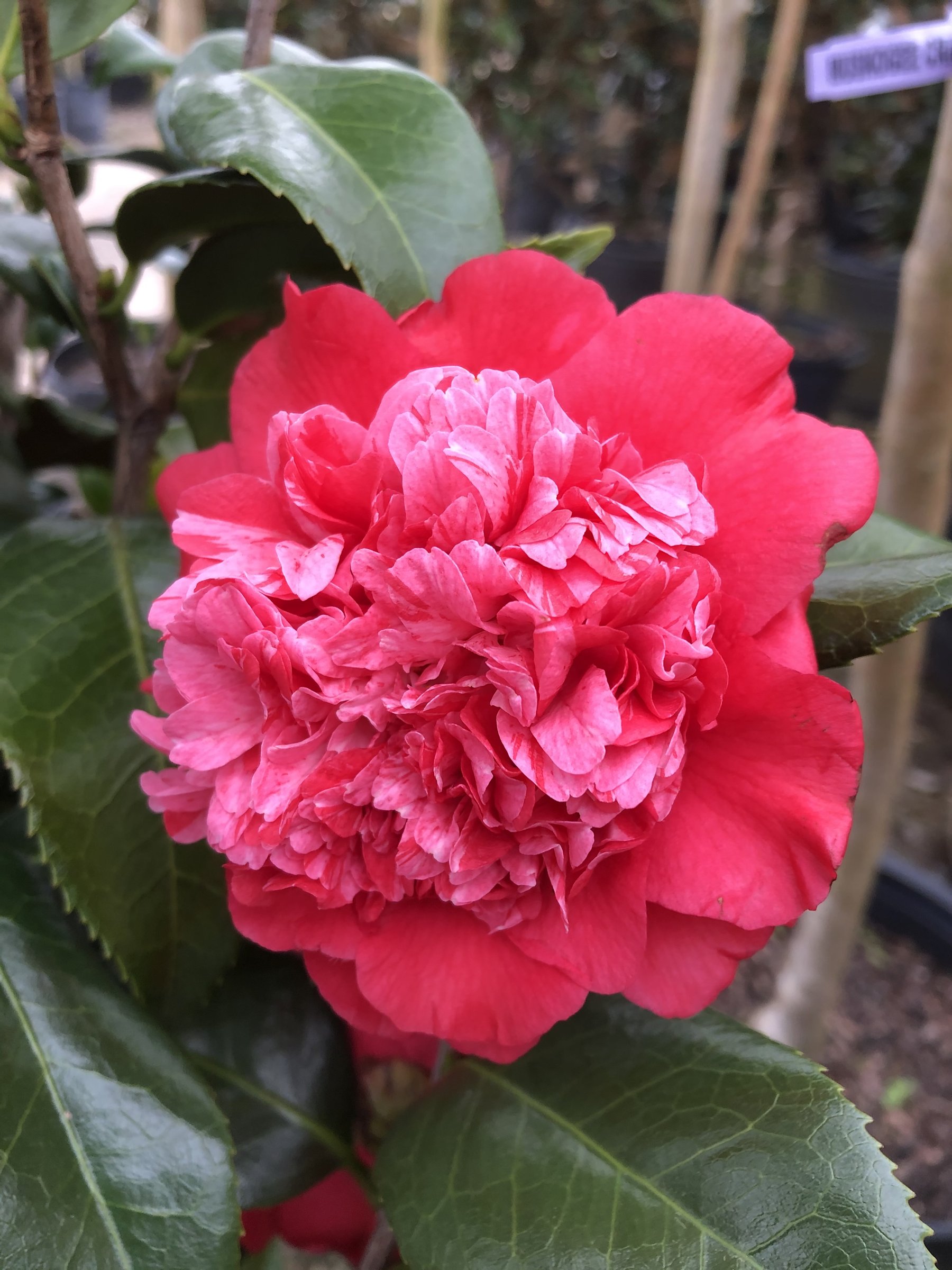
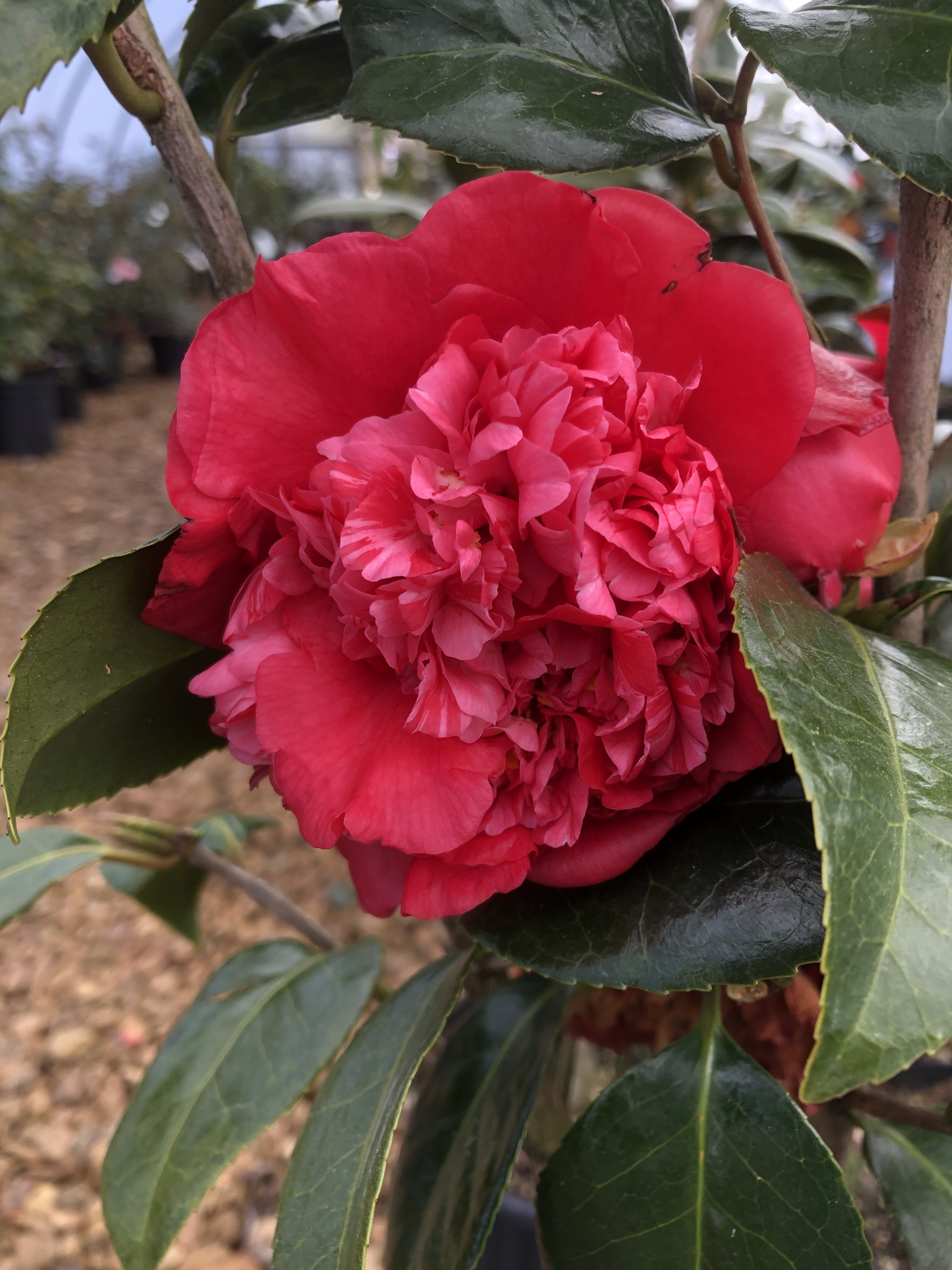
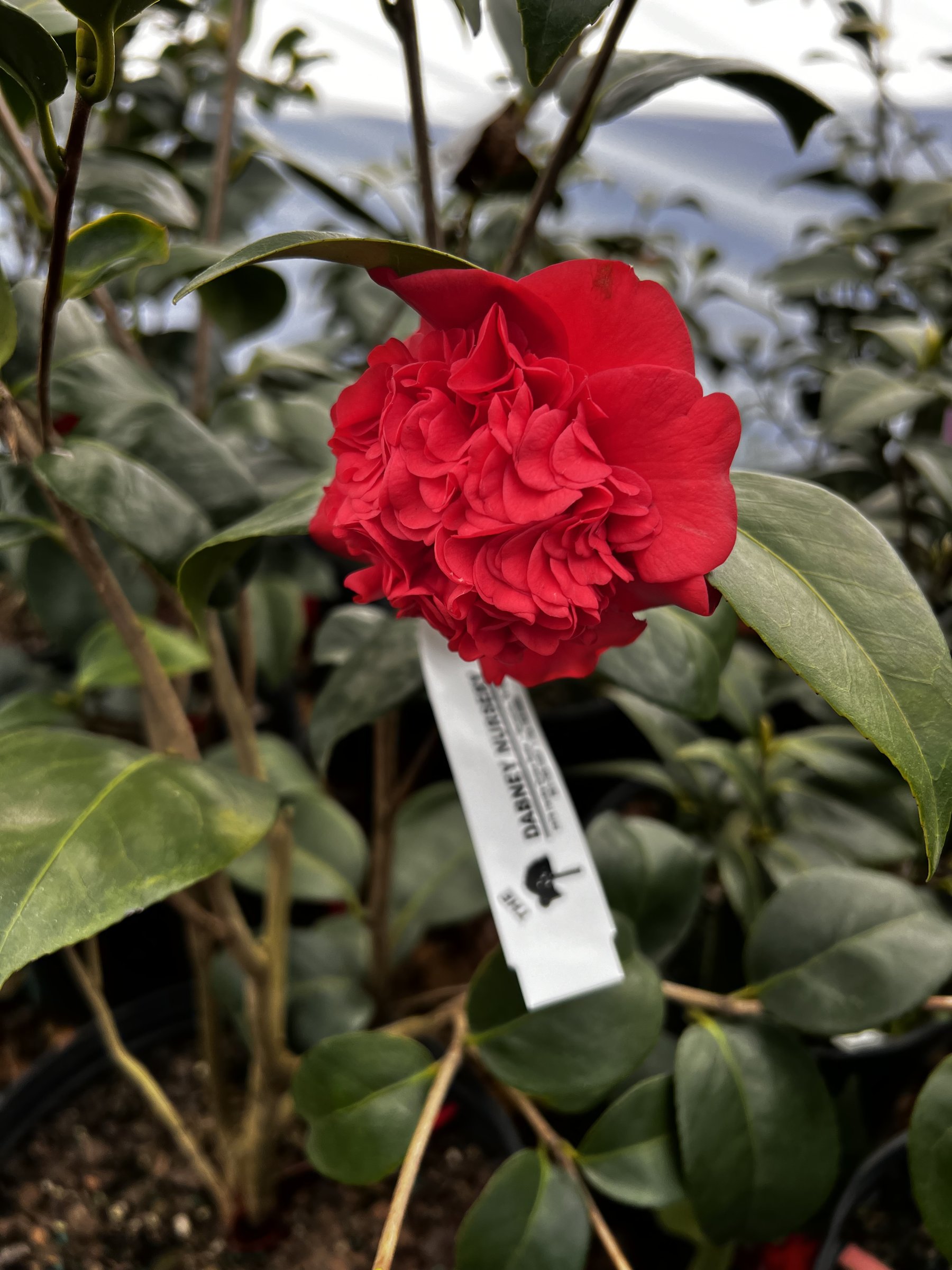
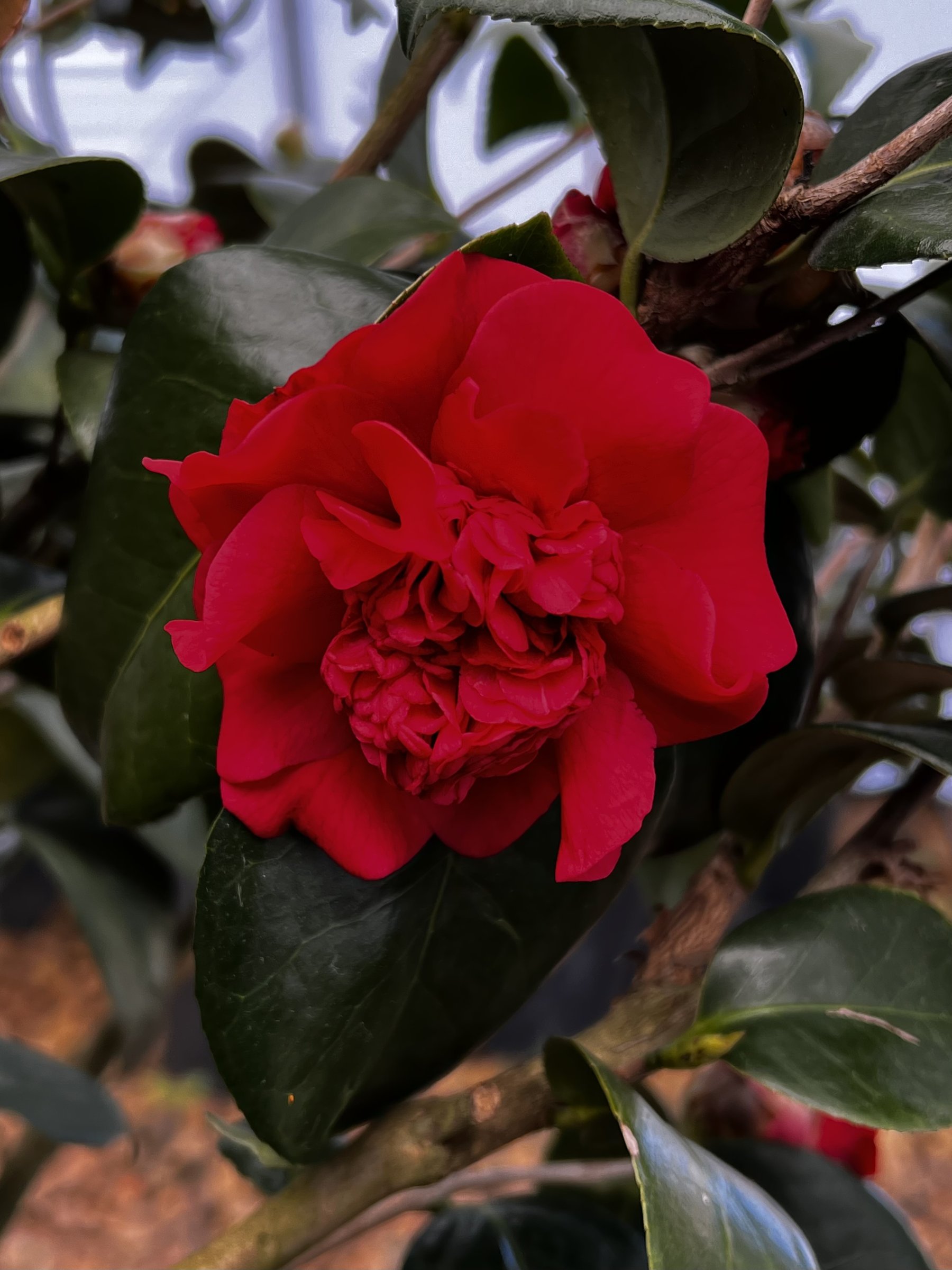
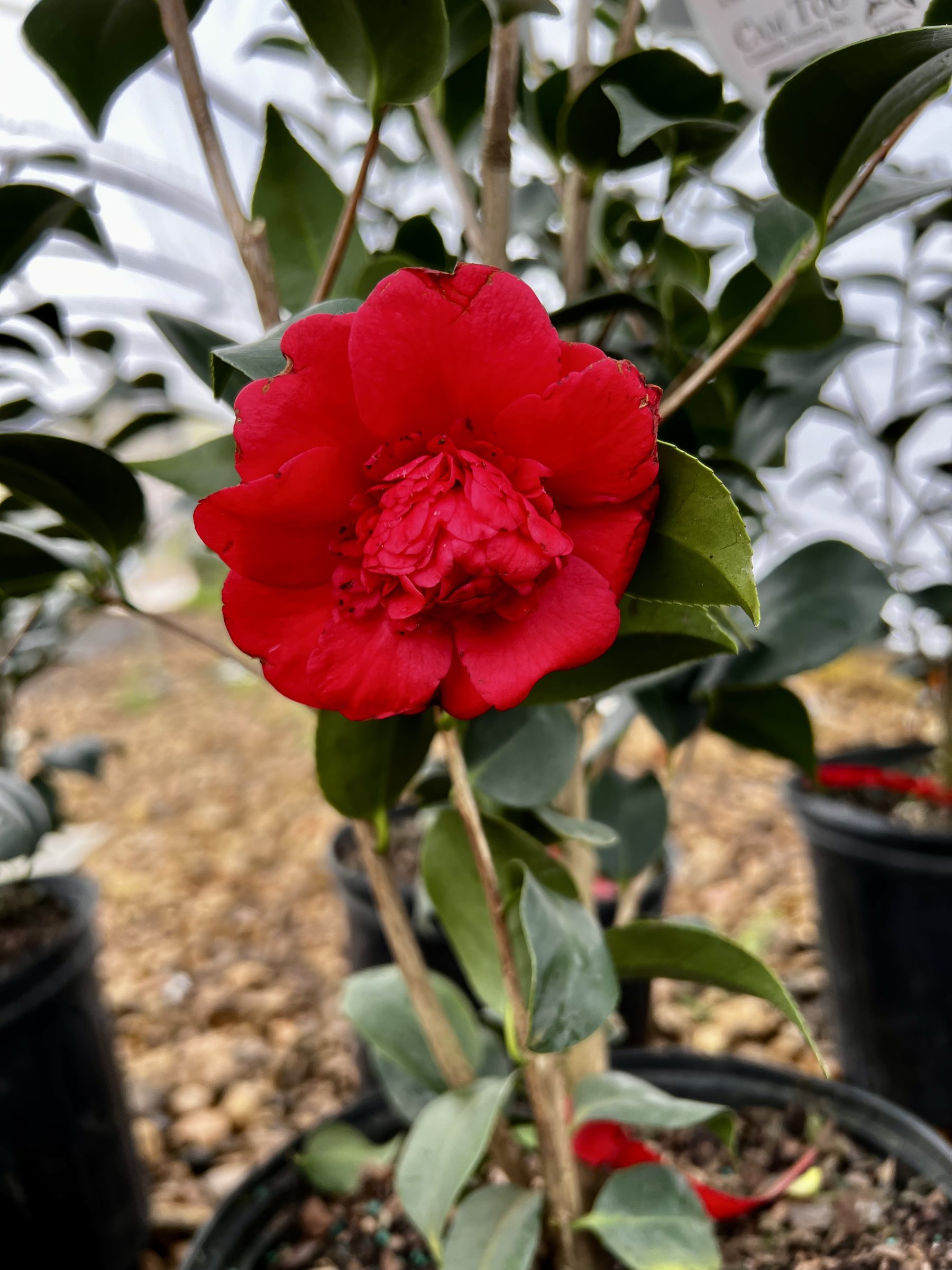
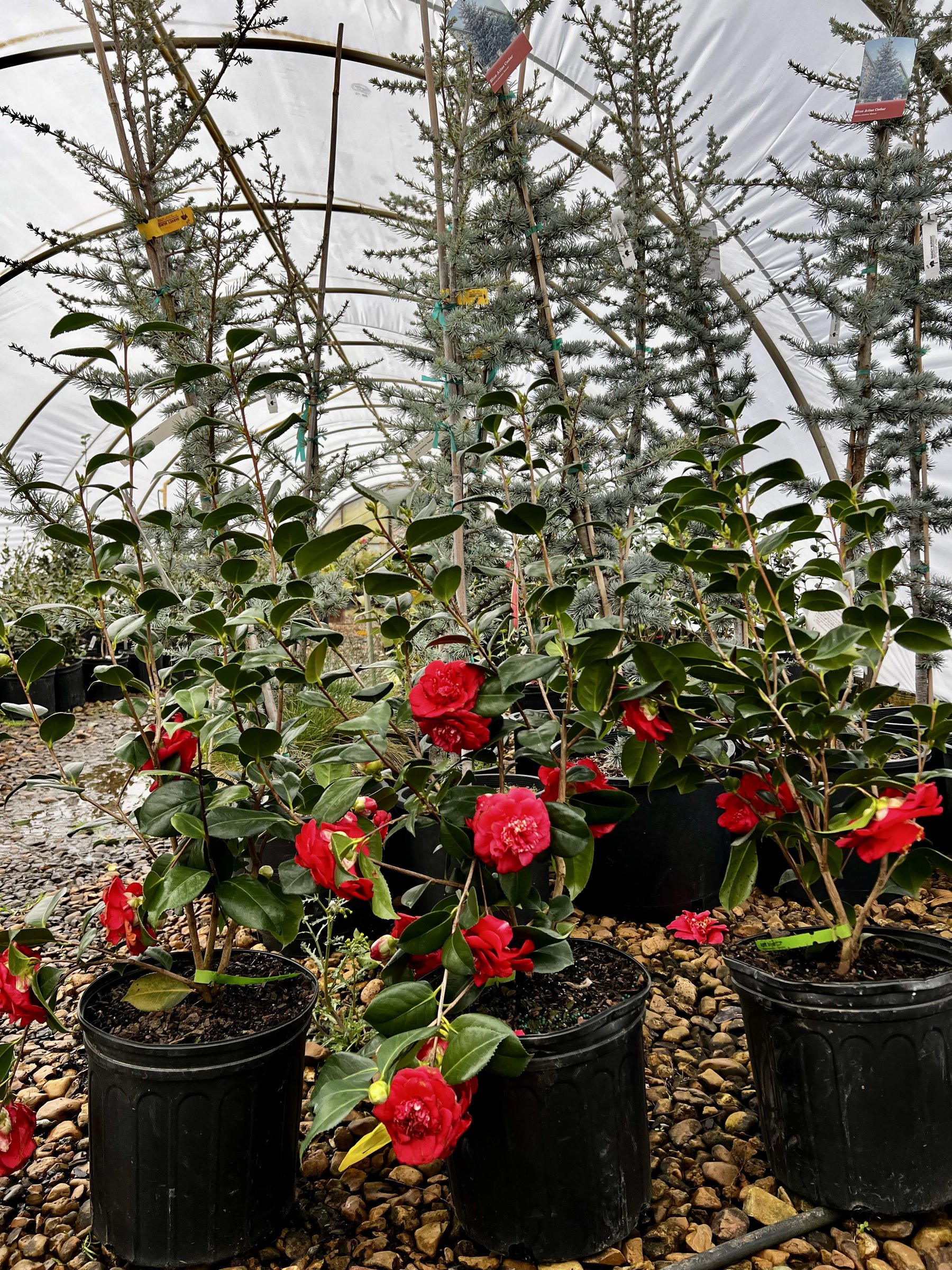
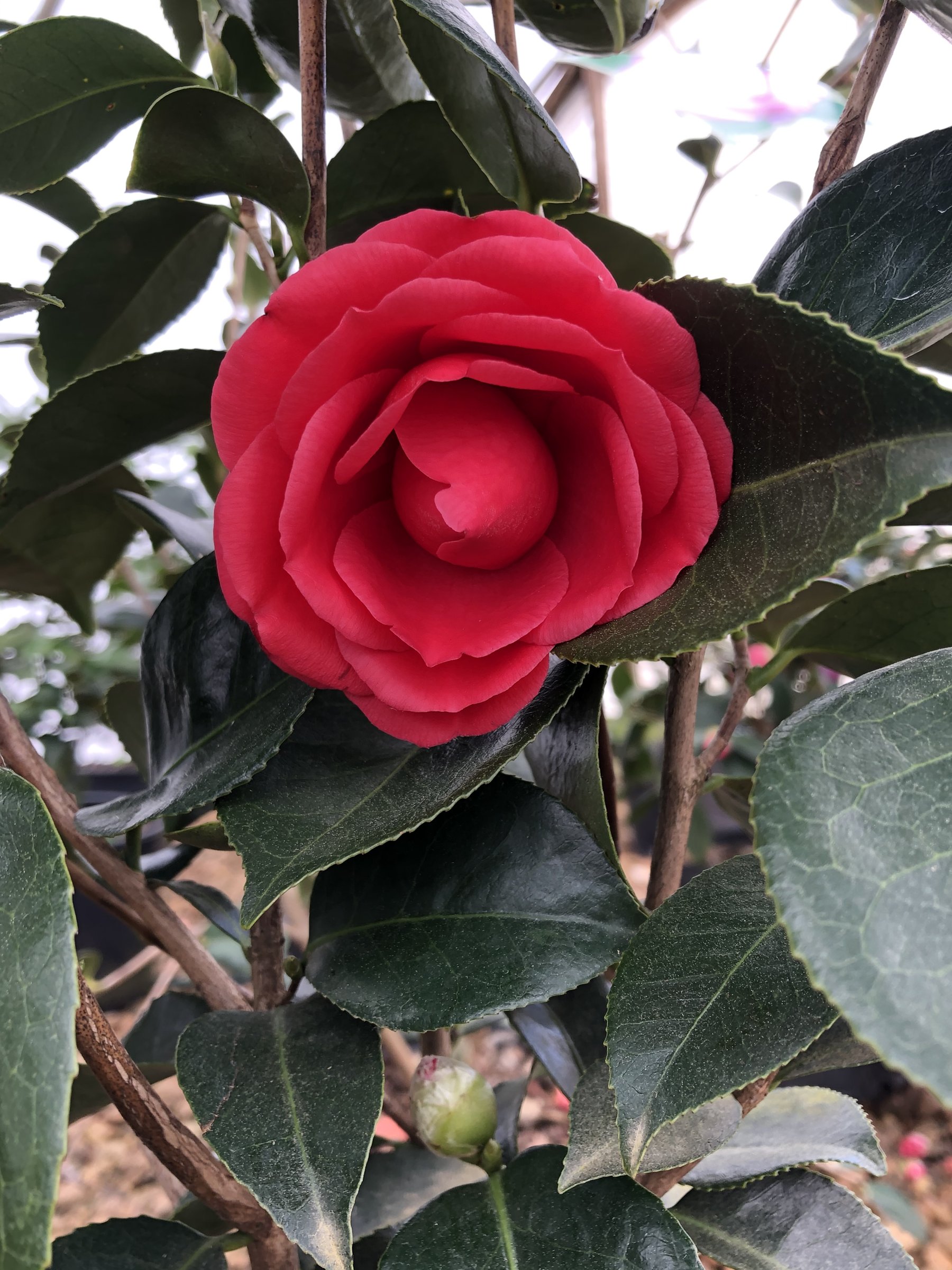
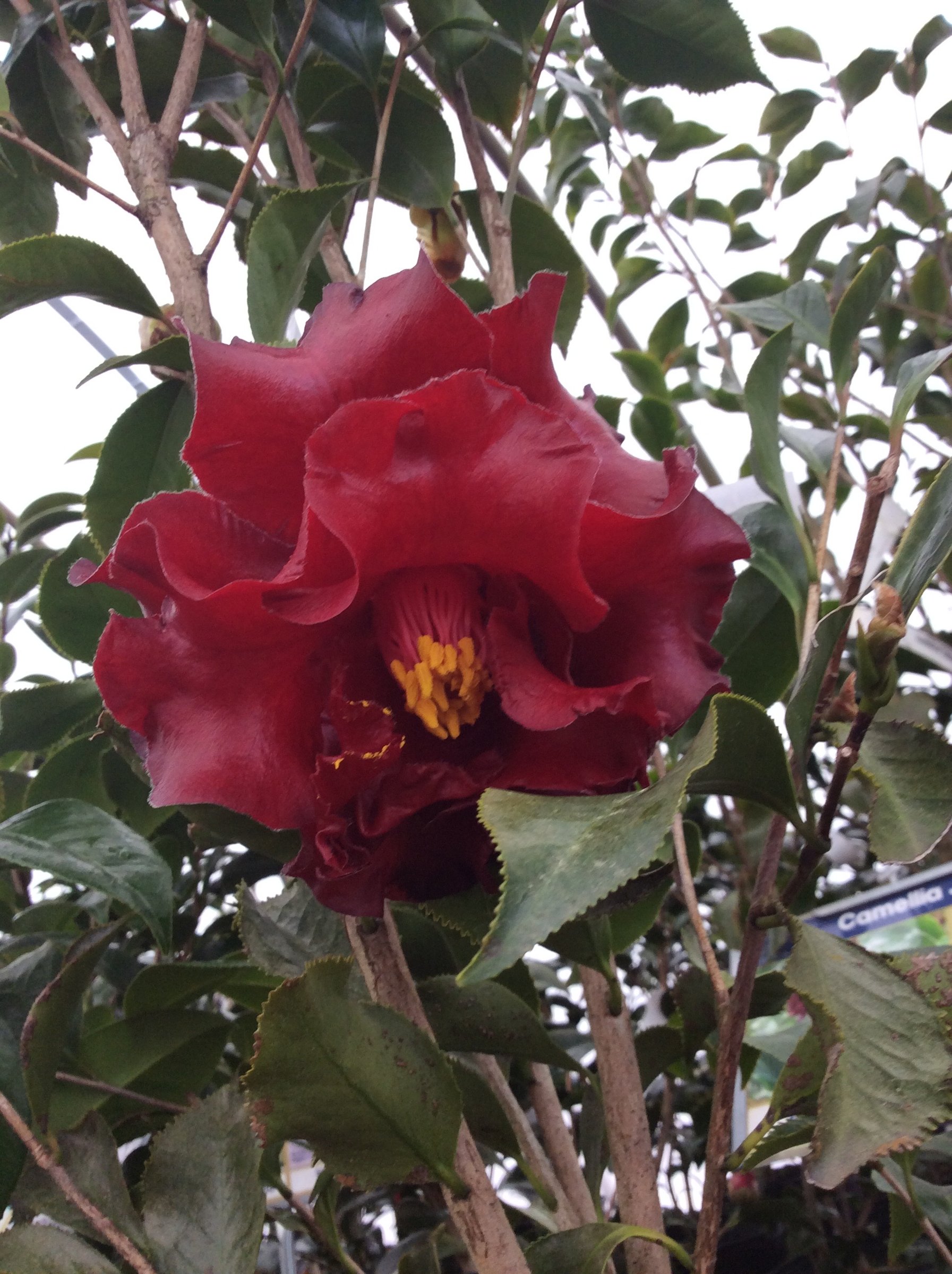
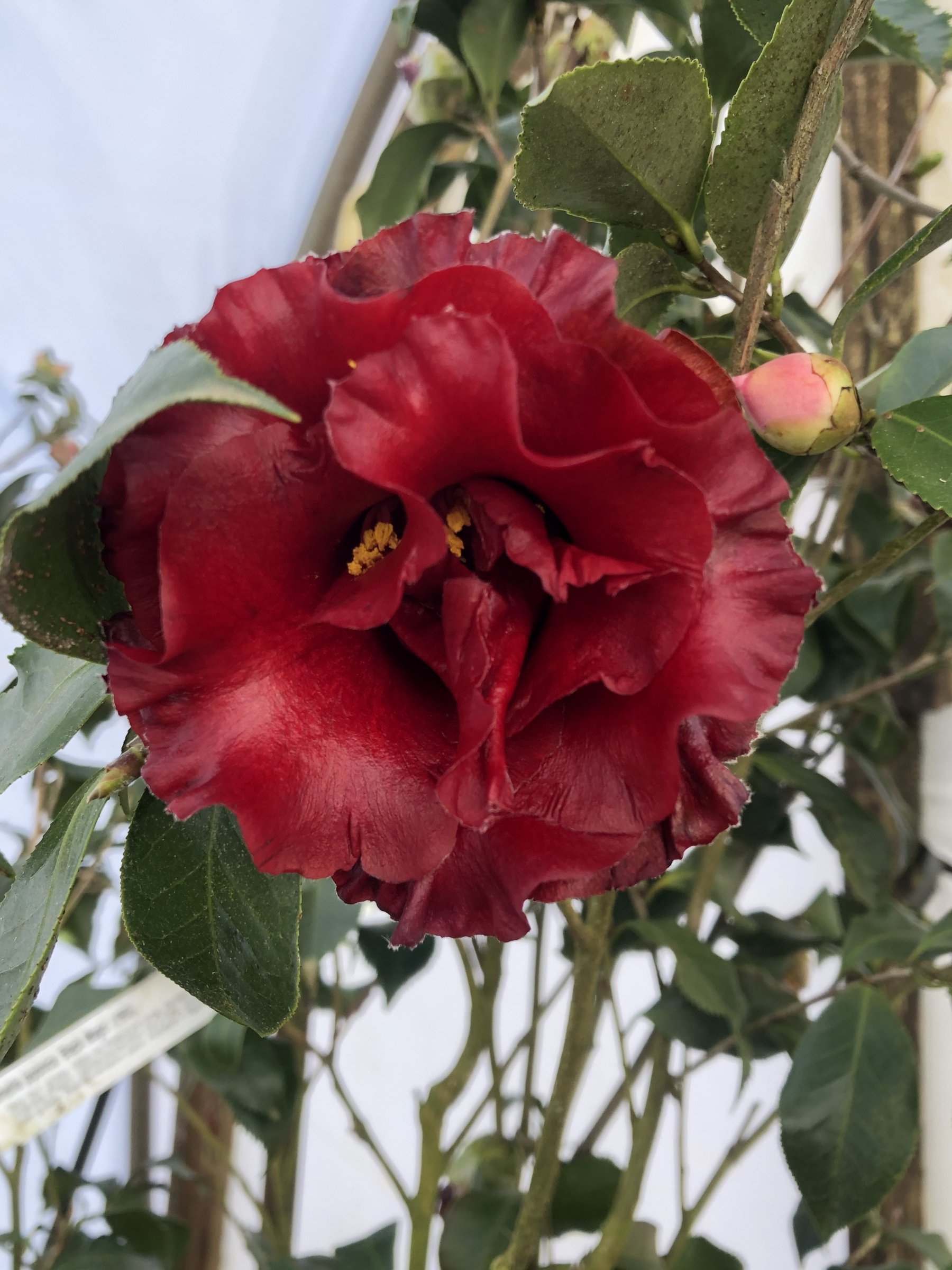
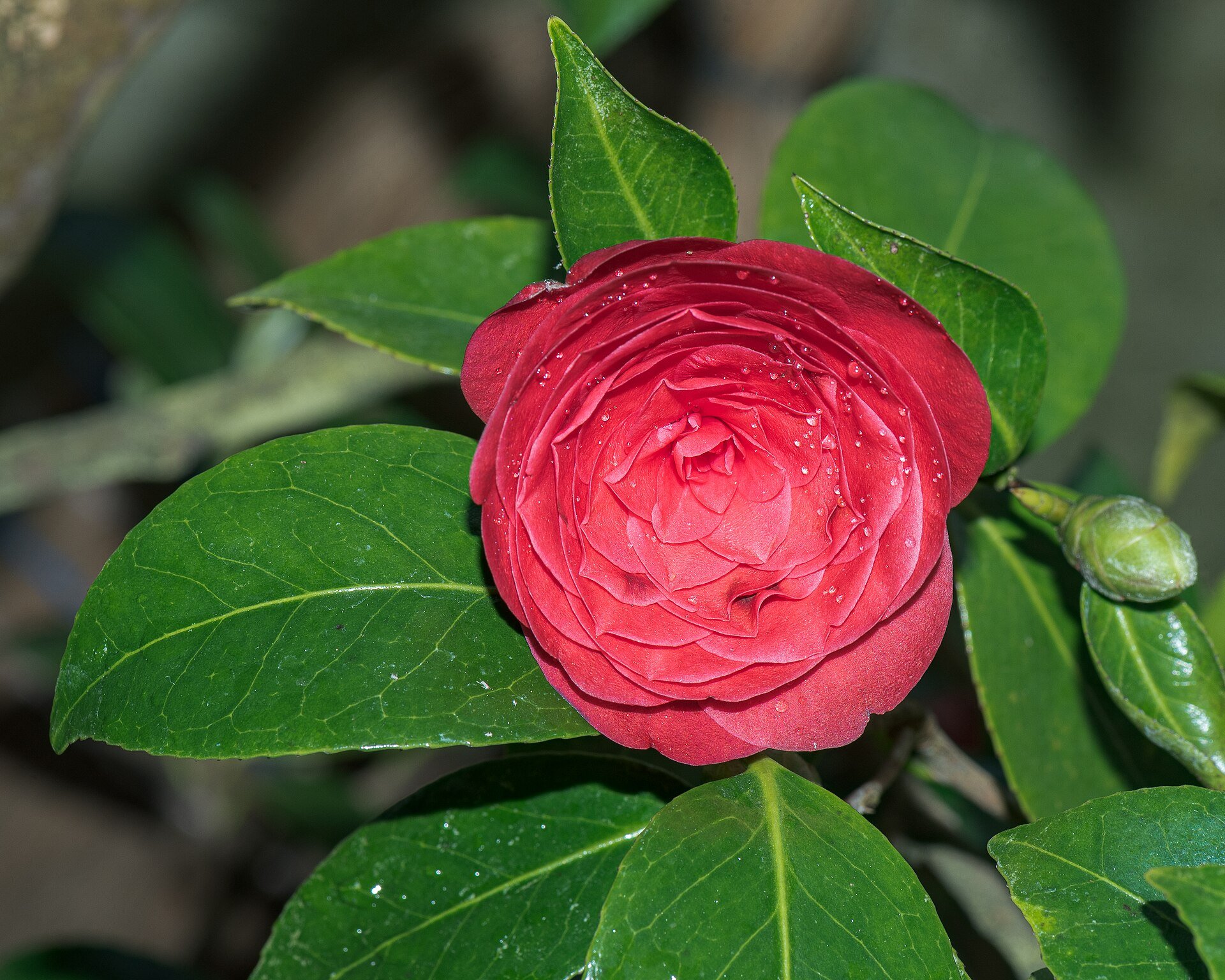
'Kramer's Supreme' is an award winning Japanese camellia, a slow growing evergreen shrub reaching about 8 to 10 feet tall and 6 to 10 feet wide. Ruffled, deep red, peony like flowers with more than 20 petals open from deep red buds in winter and spring and stand out against glossy, leathery dark green foliage; they are fragrant and good for cutting. It wants partial shade with 2 to 6 hours of direct sun and a moist, well drained, acidic soil rich in organic matter. The slow growth suits containers, woodland borders, foundation plantings and hedges, and it is hardy in USDA zones 7 to 9.
- Part Shade
- Grows to 10 ft tall and 10 ft wide
- Blooms in winter, spring
- Hardy in USDA zones 7-9
- Evergreen foliage
Plant description
'Kramer's Supreme' is an award winning Japanese camellia, a slow growing evergreen shrub reaching about 8 to 10 feet tall and 6 to 10 feet wide. Ruffled, deep red, peony like flowers with more than 20 petals open from deep red buds in winter and spring and stand out against glossy, leathery dark green foliage; they are fragrant and good for cutting. It wants partial shade with 2 to 6 hours of direct sun and a moist, well drained, acidic soil rich in organic matter. The slow growth suits containers, woodland borders, foundation plantings and hedges, and it is hardy in USDA zones 7 to 9.
- Flowers
- Ruffled, deep red, peony like flowers with more than 20 petals, opening from deep red buds in winter and spring.
- Foliage
- Simple alternate leaves, elliptical to ovate, 3 to 6 inches long and 1 to 3 inches wide, glossy, leathery, dark green with serrate margins.
- Fruit
- A brown capsule less than 1 inch long and wide.
- Bark & stems
- Stems are dark brown, covered with blackish lenticels, with crescent shaped leaf scars.
- Pruning
- Needs very little pruning beyond removing damaged branches. Severe cutting back with no leaves left can be done safely from mid February to about May 1.
- Native range
- China, Korea, Central and Southern Japan